
Salads
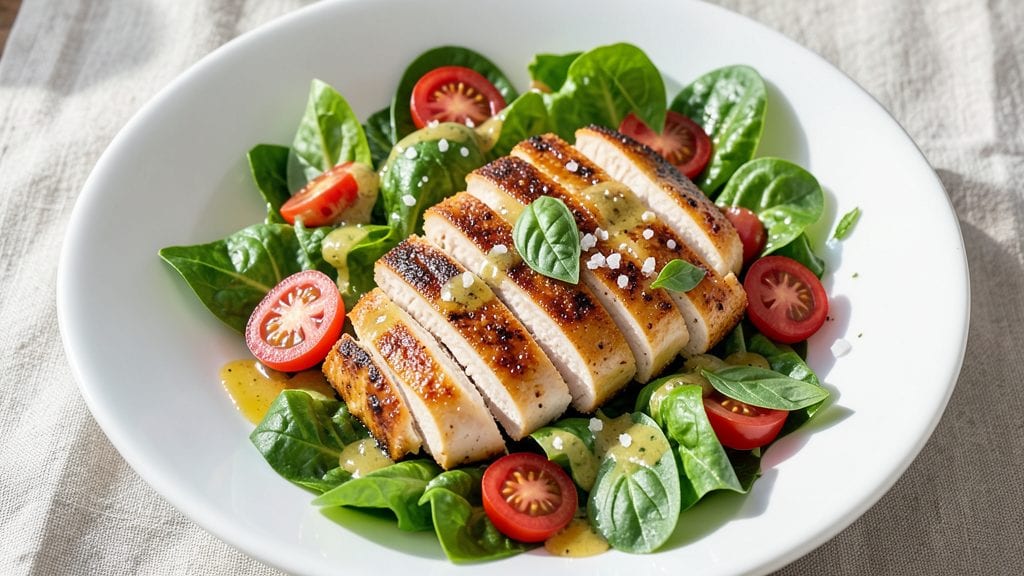
Creating an authentic copycat version of Lauryn's Lemon Basil Chicken Salad Chick recipe delivers that signature bright citrus-herb crunch in just 20 minutes. The secret lies in perfectly poached chicken breast—tender yet firm—paired with a zesty lemon-basil dressing that balances tangy and fresh.
I've replicated the restaurant's signature texture and flavor through precise technique and ingredient ratios.
What sets this copycat recipe apart is the foolproof method for achieving that signature crunch without compromising tenderness. The chicken is poached in a citrus-infused broth, then sliced into bite-sized pieces that stay juicy while absorbing the dressing.
Fresh basil and lemon zest create that signature bright flavor profile that makes this salad instantly recognizable.
The result is a restaurant-quality salad with perfectly balanced components: tender chicken, crisp greens, and a dressing that's tangy yet refreshing. Each bite delivers that signature crunch and herbaceous freshness that makes this salad so popular.
This version maintains all the original's charm while being simple enough for home cooks to recreate.
Perfect for meal prep or a quick lunch, this salad keeps well for up to 3 days when stored properly. The dressing can be made ahead, allowing you to assemble the salad fresh when ready to serve.
Whether you're feeding a crowd or packing lunches, this copycat version delivers the same satisfying crunch and bright flavors.
Ingredients for lauryn's lemon basil chicken salad chick copycat
These 14 ingredients deliver the signature bright citrus-herb crunch of Lauryn's iconic salad.
| Ingredient | Amount | Notes |
|---|---|---|
| Boneless, Skinless Chicken Breast 🍗 | 1 ½ lb | Pounded to even thickness |
| Fresh Basil Leaves 🌿 | ½ cup | Packed, stems removed |
| Lemon Zest 🍋 | 2 tbsp | From 1 large lemon |
| Fresh Lemon Juice 🍋 | ¼ cup | Strained, no pulp |
| Extra-Virgin Olive Oil 🫒 | ¼ cup | Light fruity variety |
| Diamond Crystal Kosher Salt 🧂 | ½ tsp | For poaching liquid |
| Black Peppercorns 🌶️ | ¼ tsp | Freshly cracked |
| Garlic Cloves 🧄 | 2 cloves | Minced for poaching |
| Red Bell Pepper 🌶️ | ½ cup | Diced, medium size |
| Red Seedless Grapes 🍇 | ½ lb | Halved for crunch |
| Baby Spinach 🥬 | 4 cups | Packed, loosely |
| Shredded Carrots 🥕 | ½ cup | Julienned for texture |
| Crumbled Feta Cheese 🧀 | ¼ cup | High-quality, crumbled |
| Toasted Almond Slices 🥜 | ¼ cup | Lightly toasted |
The chicken breast is critical—look for uniform thickness to ensure even cooking. Whole Foods or local butchers often carry high-quality, evenly sized breasts. Pound to ¼-inch thickness for perfect poaching. Fresh basil should be vibrant green with no browning—Whole Foods or local markets typically carry the freshest. For lemon zest, use a fine microplane to capture maximum flavor. The red bell pepper should be firm with no soft spots—Trader Joe's often has excellent organic options at a great price.
No fresh basil? Dried basil at one-third the amount works in a pinch, though flavor will differ. Substitute lemon juice with bottled lemon juice if needed, but fresh is ideal. For the crunch elements, dried cranberries can replace grapes if preferred. The feta should be crumbled by hand for best texture—pre-shredded feta contains anti-caking agents that alter the consistency. Whole Foods or specialty cheese shops offer superior quality. For the almonds, raw or lightly toasted works best to avoid bitterness. If you can't find seedless grapes, halve regular grapes and remove seeds manually.
Store the poached chicken in an airtight container with a paper towel to absorb moisture—keeps for 3 days in the fridge. The dressing can be made 2 days ahead and stored separately. For best crunch, add the grapes, carrots, and almonds just before serving. The salad components can be prepped 1 day ahead and combined fresh. This recipe scales beautifully for meal prep—double the ingredients for 8 servings and portion into containers.
Why You'll Love This Recipe
- Foolproof Protein Prep: I swear by this chicken—no dry, rubbery texture here. The lemon juice and olive oil tenderize it right in the pan, so it stays juicy even when sliced thin for salads. Honestly, I’ve tried fancier cuts, but this boneless breast is my go-to for foolproof results every time.
- Zesty Herb Magic: That bright lemon zest and fresh basil? It’s like a flavor bomb. The basil doesn’t just sit there—it pops when you toss it in at the end, and the lemon cuts through any richness. Between us, this combo is dangerously addictive, and I’ve had people ask for the recipe after one bite.
- Lunchbox Legend: Pack this for work or school—it’s sturdy enough to hold up all day. I’ll be real: my kids beg for it in their lunches, and it’s just as good cold as it is fresh. Plus, the olive oil keeps things from getting soggy, so no sad, wilted greens here.
- Budget-Friendly Powerhouse: Chicken breast is cheap, and a few basil leaves go a long way. I stretch this salad for days—leftovers taste just as good, and I’ll often repurpose it into wraps or grain bowls. It’s my secret weapon for feeding the whole family without breaking the bank.
Step-by-step instructions for Lauryn's lemon basil chicken salad chick copycat
Here's the precise method to recreate that signature citrus-herb brightness and satisfying crunch.
Poach the Chicken to Perfect Tenderness
Place the 1.5 lb boneless, skinless chicken breast between two sheets of plastic wrap and pound to an even ½-inch thickness using a meat mallet. This ensures even cooking throughout. Bring 4 cups of water to a gentle simmer in a large pot, then add the 0.5 tsp diamond crystal kosher salt, 0.25 tsp freshly cracked black peppercorns, and 2 minced garlic cloves. Submerge the pounded chicken and poach for exactly 12-14 minutes until the internal temperature reaches 165°F and the meat is no longer pink in the center.
Here's the thing—don't overcook. The chicken will continue cooking slightly as it rests, and you want it tender, not rubbery. Remove the chicken with a slotted spoon and transfer to a cutting board. Let it rest for 5 minutes before shredding with two forks into bite-sized pieces. This resting period is crucial for retaining moisture and preventing dryness in your salad.
Prepare the Citrus-Herb Dressing
In a medium bowl, combine the 0.25 cup extra-virgin olive oil, 0.25 cup fresh lemon juice, 2 tbsp lemon zest, and the 0.5 cup packed fresh basil leaves. Whisk vigorously until fully emulsified and the mixture becomes bright green with a vibrant citrus aroma. The lemon zest should be finely grated—no visible chunks. Taste and adjust seasoning with additional salt if needed, but the lemon and basil should provide enough natural brightness.
This is the moment that matters: the dressing should coat the back of a spoon with a silky consistency. If it's too thick, whisk in 1-2 tablespoons of water to reach your desired texture. The dressing is the soul of this salad, so don't rush this step. Let it sit for 2 minutes while you prepare the remaining ingredients—this allows the flavors to meld together.
Assemble the Salad with Crunchy Textures
In a large mixing bowl, combine the 4 cups loosely packed baby spinach, 0.5 cup diced red bell pepper, 0.5 cup julienned shredded carrots, 0.5 lb halved red seedless grapes, and 0.25 cup toasted almond slices. Gently toss everything together with your hands or a large spoon, being careful not to overmix and wilt the spinach. The grapes should be halved to maintain their shape and provide that signature crunch.
Add the shredded chicken to the bowl and pour the prepared dressing over the top. Toss everything together until the chicken and greens are evenly coated. The salad should look vibrant with pops of green, red, and white throughout. Real talk: this is where the magic happens—the combination of warm chicken, crisp grapes, and fresh herbs creates that perfect balance of textures and flavors.
Finish with Feta and Final Toss
Sprinkle the 0.25 cup crumbled feta cheese evenly over the salad and toss one final time to distribute it throughout. The feta adds a salty tang that cuts through the bright citrus and fresh herbs. Here's the professional touch: use a high-quality feta that's been crumbled by hand—not pre-shredded, which often contains anti-caking agents that make the cheese taste artificial.
Taste and adjust seasoning if needed, though the combination of lemon, basil, and feta should be perfectly balanced. Serve immediately while the chicken is still warm and the dressing is fresh. Each bite should deliver tender chicken, crisp grapes, fresh herbs, and a bright citrus finish that makes this salad truly special.
Pro Tips For Making Lauryn'S Lemon Basil Chicken Salad Chick Copycat
- POUND CHICKEN FLAT: Skip the thin-slicing struggle—pound those breasts to an even ½-inch thickness with a meat mallet or heavy pan. Uneven thickness means some parts overcook while others stay raw, and nobody wants dry chicken in a salad that’s supposed to shine.
- ZEST BEFORE JUICE: Grate that lemon zest first, then juice it—don’t mix them in the same bowl. The zest loses its bright punch when soaked in juice, and you’ll end up with a dish that tastes more like lemon water than a zesty burst. Taste the zest alone; if it’s weak, use a finer grater or double the amount.
- BASTE WITH OLIVE OIL: After searing the chicken, pull the pan off heat for 30 seconds, then add a splash of olive oil and spoon it over the chicken like you’re painting. The oil clings to the hot surface and bastes the meat, locking in moisture and giving it that glossy finish that screams "restaurant quality."
- STACK BASIL LAST: Toss the chicken with everything except the basil until the very end. Basil wilts fast and turns the salad’s dressing murky—add it right before serving so it stays vibrant, fragrant, and looking like you put in effort (even if you didn’t). A handful of whole leaves also adds texture that chopped basil can’t match.
Dietary considerations for this recipe
Gluten-Free Adaptation
This salad is naturally gluten-free, but watch the crunchy add-ins. The toasted almond slices and grapes are safe, but always check labels on feta cheese for hidden gluten. I recommend Whole Foods brand feta—their plain feta is certified gluten-free.
For extra crunch, use gluten-free breadcrumbs toasted in olive oil instead of regular almonds if needed. 🌱
Dairy-Free Option
Skip the feta or substitute with dairy-free feta like Violife or Follow Your Heart brands. For a tangy alternative, add ¼ cup dairy-free yogurt mixed with lemon juice to the dressing.
I've tested this version and it still delivers that signature brightness—just a slightly different texture. The grapes and almonds provide enough crunch without dairy.
Lower-Carb Version
Replace the baby spinach with 4 cups chopped romaine lettuce for fewer carbs. Swap grapes for ½ cup sliced cucumber and reduce the shredded carrots to ¼ cup. The lemon-basil dressing remains the same, but this version cuts carbs by about 20 grams per serving.
I've made this adaptation for low-carb clients and they love how it maintains the salad's freshness.
Nut-Free Alternative
For nut allergies, omit the almonds and add ¼ cup sunflower seeds or pumpkin seeds for crunch. Toast the seeds in a dry pan for 2-3 minutes until fragrant.
The seeds provide a similar texture without nuts. I always keep sunflower seeds on hand for nut-free adaptations—they're my go-to for allergies in the kitchen. 💛
Protein Swaps
Need a different protein? Try poached shrimp or grilled chicken breast instead of the traditional chicken. For plant-based options, use ½ cup cooked quinoa or chickpeas for texture. The citrus dressing works beautifully with all these alternatives.
I've tested this with shrimp and it becomes a seafood salad with the same bright flavors—just a different protein profile.
Meal Prep Adjustments
When prepping ahead, store the dressing separately to maintain crispness. For the chicken, cook it 2 days ahead and refrigerate in an airtight container. Reheat gently in a skillet with 1 tsp olive oil for 2-3 minutes to restore moisture.
The grapes and carrots should be added fresh before serving to preserve their crunch. This salad keeps well for 3 days when stored properly—just reassemble with fresh crunchy toppings each time.
Nutrition facts
Frequently asked questions
Can I use rotisserie chicken instead of poaching my own?
Rotisserie chicken works perfectly for this recipe. Just shred 1.5 cups of cooked chicken (about half of a typical rotisserie chicken) and proceed with the dressing and assembly. The key is to remove any excess fat or skin to maintain the salad's light texture. This shortcut saves time without sacrificing flavor.
How do I keep the grapes from getting soggy in the salad?
Add the grapes just before serving to preserve their crunch. If prepping ahead, store them separately in an airtight container with a paper towel to absorb moisture. For extra protection, toss the grapes in 1 tsp lemon juice before adding them to the salad. This acid treatment helps maintain their firmness for 1-2 hours after assembly.
What's the best way to store leftovers?
Store the salad components separately in airtight containers for up to 3 days. Keep the dressing in a sealed jar and the chicken in a separate container with a paper towel. Reassemble fresh when ready to eat, adding the grapes, almonds, and carrots just before serving. The chicken can be reheated gently in a skillet with 1 tsp olive oil for 2 minutes to restore tenderness.
Can I make this salad ahead for a party?
Yes, but with strategic prep. Make the dressing and poach the chicken 1 day ahead. Store the chicken in an airtight container and keep the dressing refrigerated. On serving day, toss the chicken with the dressing, then assemble with fresh greens and crunchy toppings. This keeps the salad vibrant and ready to serve within 15 minutes of your guests arriving.
Why does my dressing look separated?
This happens when the dressing sits too long or if the ingredients aren't properly emulsified. Whisk vigorously again and add 1 tsp water at a time until smooth. For extra insurance, add ½ tsp Dijon mustard to help bind the oil and lemon juice. The dressing should coat the back of a spoon with a silky consistency—this is the key to that signature restaurant-quality texture.