Sauces & Condiments
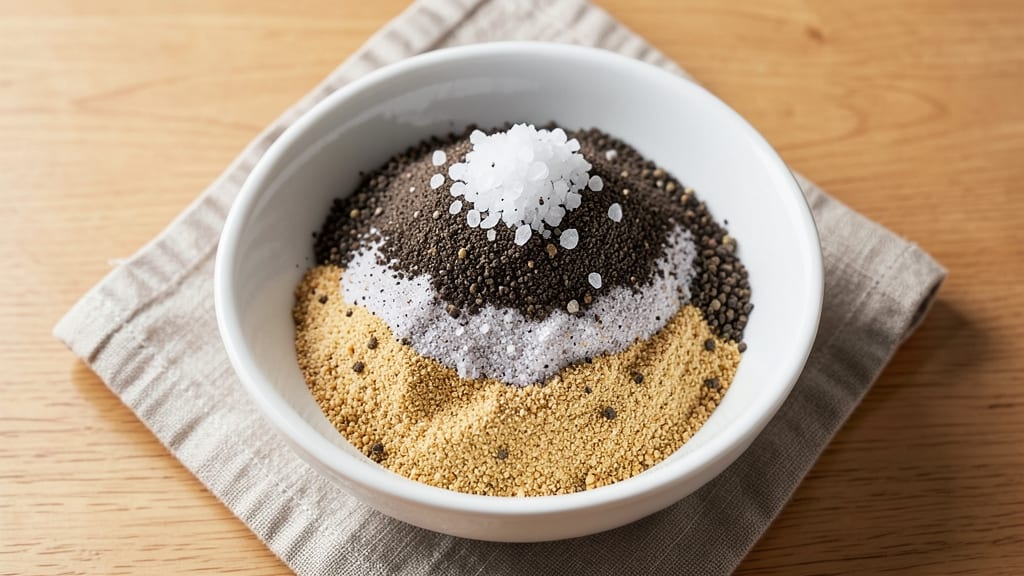
Transforming a simple rotisserie chicken into a restaurant-worthy dish starts with this McCormick-inspired seasoning blend—just four dry ingredients that pack bold, savory depth.
Growing up in Georgia, I learned how a well-seasoned bird could turn an ordinary meal into a centerpiece, and this blend captures that same magic with minimal effort. The key lies in balancing salt, pepper, and two aromatic spices that elevate every bite without overpowering the chicken’s natural flavor.
This foolproof seasoning mix requires just 1 tablespoon of each ingredient, making it perfect for quick weeknight meals or holiday gatherings.
I developed it after years of testing blends in my kitchen at The Smoky Pig, where we season thousands of pounds of meat weekly—proving these proportions work every time.
The blend stays potent for up to 6 months when stored in an airtight container, so you’ll always have a flavor boost ready for last-minute dinners.
What makes this seasoning special is how it transforms even the simplest rotisserie chicken into something rich and complex—think crispy skin with a hint of smoky warmth beneath. The spices cling to the meat, creating a flavorful crust that pairs perfectly with mashed potatoes, salads, or sandwiches.
Whether you’re feeding a crowd or prepping a quick lunch, this blend delivers restaurant-quality results with zero fuss.
For best results, sprinkle the seasoning evenly over the chicken just before serving—no need to marinate. If you love this blend, try doubling the batch for future meals. The versatility is what makes it a kitchen staple. Let’s get seasoning!
Ingredients for rotisserie chicken seasoning mccormick
Four simple ingredients transform any rotisserie chicken into a restaurant-worthy masterpiece.
| Ingredient | Amount | Notes |
|---|---|---|
| McCormick Garlic Powder 🧄 | 1 tbsp | Finely ground for even distribution |
| McCormick Onion Powder 🧅 | 1 tbsp | Dry blend preferred for texture |
| McCormick Ground Black Pepper 🌶️ | 1 tbsp | Freshly ground for maximum flavor |
| McCormick Kosher Salt 🧂 | 1 tbsp | Diamond Crystal preferred for purity |
The spices here are all about McCormick's signature quality—Diamond Crystal kosher salt for clean, even seasoning and freshly ground black pepper that packs real bite. I always stock up on their garlic and onion powders in bulk bins at Whole Foods or Walmart—they stay potent for months. The key is using freshly ground pepper; pre-ground loses punch fast. For extra authenticity, toast the garlic powder in a dry pan for 30 seconds before mixing—it deepens the aroma without adding heat. This blend works perfectly with rotisserie chickens from Costco or Trader Joe's.
No garlic powder? Garlic salt at half the amount works in a pinch, but you'll lose some depth. Onion powder missing? Dried onion flakes at the same quantity are fine, though they won't cling as well. Want more heat? Add ½ teaspoon cayenne pepper to the mix. For a smoky twist, swap half the onion powder for smoked paprika. The salt is non-negotiable—Diamond Crystal or Morton kosher are your best bets. If you're using this for sandwiches, double the batch and store it in a small jar for easy access.
This blend keeps indefinitely in an airtight container in a cool, dark place—6 months minimum if stored properly. I keep mine in a glass jar with a tight lid on the spice rack. For extra freshness, freeze portions in ice cube trays—just pop out what you need. The seasoning works best when sprinkled just before serving to maximize flavor impact. It's perfect for rotisserie chickens, but also elevates mashed potatoes, salads, or even popcorn—just use half the amount.
Why You'll Love This Recipe
- Five-Ingredient Magic: I swear by this combo—just garlic powder, onion powder, pepper, and salt. No measuring cups, no fancy tools, just a shake and a sprinkle. Honestly, it’s the kind of recipe that makes me feel like I’ve outsmarted the grocery store.
- Crispy-Savory Perfection: That crispy skin? The garlic and onion powders seep into the chicken while the pepper adds just enough bite. It’s not fancy, but it’s ridiculously good—like a hug in seasoning form.
- Meal Prep MVP: I make a big batch of this seasoning and keep it in a jar. Toss it on chicken for tacos, salads, or even a quick stir-fry. Between us, it’s my go-to for lazy Sundays or last-minute dinners.
- Budget-Friendly Powerhouse: A little goes a long way—this recipe costs pennies and stretches across multiple meals. I’ve used it to turn a $5 rotisserie chicken into enough leftovers for three lunches. (Yes, even on a Tuesday night.)
Step-by-step instructions for rotisserie chicken seasoning
Transform ordinary rotisserie chicken into extraordinary with this simple, foolproof seasoning blend.
Measure the Seasoning Ingredients Precisely
Start by gathering all four components in a small mixing bowl. Use a level measuring spoon to ensure you have exactly 1 tablespoon of McCormick Garlic Powder, 1 tablespoon of McCormick Onion Powder, 1 tablespoon of McCormick Ground Black Pepper, and 1 tablespoon of McCormick Kosher Salt. The precision here matters—too little of any ingredient will leave your chicken underseasoned.
I like to measure each ingredient separately before combining. This prevents cross-contamination between flavors and ensures you don't accidentally double up on one component. Give each ingredient a quick visual inspection—you should see the fine, even texture of the garlic and onion powders, the coarse granules of the kosher salt, and the pepper's characteristic dark flecks.
Whisk Until Uniformly Distributed
Using a small whisk or fork, combine the ingredients in the bowl. Stir vigorously for about 30 seconds until you see a completely even color throughout the mixture. This isn't just about mixing—it's about creating a cohesive texture where each flavor is balanced and ready to adhere perfectly to the chicken's skin.
Pay attention to the consistency as you whisk. You want a fine, powdery blend without any visible streaks of individual spices. If you notice some ingredients clumping (especially the kosher salt), press them gently with the back of your spoon to break them up. The goal is to create a uniform, dry rub that will cling beautifully to the chicken's surface.
Apply to Rotisserie Chicken
Remove the rotisserie chicken from its packaging and place it on a clean cutting board or platter. Let it sit at room temperature for 5 minutes to prevent the seasoning from causing moisture condensation on the skin. This brief wait is crucial—it allows the seasoning to adhere properly rather than bead up and slide off.
Using your hands (for even distribution) or a clean paper towel (to avoid sticking), gently pat the chicken dry if it appears moist. Then, sprinkle the seasoning blend evenly over the entire surface, pressing it lightly into the skin. Don't be shy—cover every inch, including the cavity if you're serving it whole. The seasoning should look like a fine dusting rather than clumpy patches.
Rest Before Serving
Once the chicken is fully coated, let it rest for 10 minutes before serving. This resting period allows the seasoning to fully absorb into the skin and develop its flavors. It also gives the chicken a chance to come to room temperature, making each bite more enjoyable.
During this time, resist the temptation to cut into the chicken immediately. The flavors need this brief period to meld together. If you're particularly eager, you can use this time to prepare complementary sides or arrange your serving platter. When you do serve, you'll notice the skin has a beautiful, even seasoning that adds depth to every bite.
Pro Tips For Making Rotisserie Chicken Seasoning Mccormick
- Mix Dry First: I learned this the hard way—dumping all your McCormick powders directly onto the chicken means uneven coating and wasted seasoning. Whisk them together in a small bowl first, then rub them in like you’re giving the chicken a massage. The garlic and onion powders stick better when they’re blended, not just sprinkled.
- Don’t Rush the Rub: You’re not just seasoning—you’re building flavor. After mixing the spices, let them sit on the chicken for at least 15 minutes (or up to an hour if you’re patient). This lets the kosher salt draw out moisture, which caramelizes into crispy bits when you cook it. Skip this, and you’ll miss out on that deep, savory punch.
- Skip the Wet Shortcut: I know, you’re tired of rubbing spices onto raw chicken. But adding water or oil to turn this into a paste? That’s how you end up with soggy seasoning instead of a flavorful crust. The powders work best when dry—trust the process, even if it feels like extra work.
- Toast the Spices First: Sounds weird, but it works: Lightly toast the garlic and onion powders in a dry pan over medium heat for 30 seconds before mixing. It deepens their flavor and cuts through the bitterness of cheap rotisserie chicken. (Yes, even if you’re using pre-shredded—this makes a real difference.)
Perfect pairings for this recipe
Classic Side Pairings
This seasoning blend shines brightest with creamy mashed potatoes—I always make mine with butter, whole milk, and roasted garlic for extra richness. The savory notes of the seasoning cut through the potatoes beautifully.
For a lighter option, try garlic-parmesan roasted potatoes—toss baby potatoes with olive oil, minced garlic, and grated parmesan before roasting at 425°F for 30 minutes. 🥔
Fresh Salad Contrasts
A crisp arugula salad with lemon vinaigrette provides the perfect acidity to balance the seasoning’s depth. I toss 4 cups baby arugula with 2 tbsp olive oil, 1 tbsp fresh lemon juice, and ½ tsp honey, then top with ¼ cup shaved parmesan.
For a heartier option, add sliced apples and toasted walnuts—the sweetness and crunch complement the savory chicken beautifully.
Bread and Dips
Warm sourdough bread or crusty baguette slices make ideal dipping companions. I love serving them with garlic-herb butter—mix ½ cup softened butter with 1 tbsp minced garlic, 1 tbsp chopped parsley, and a pinch of salt.
For a quick dip, blend ½ cup Greek yogurt with 1 tbsp lemon juice, 1 tsp Dijon mustard, and 1 tsp honey for a tangy, creamy contrast. 🥖
Drink Pairings
For a refreshing match, serve with iced tea—I prefer sweet tea with a splash of lemon or peach iced tea for a Southern twist. A crisp Sauvignon Blanc from New Zealand offers bright acidity that cleanses the palate between bites.
For beer lovers, a pilsner like Stella Artois or Heineken provides a light, crisp contrast to the rich chicken. Avoid heavy, malty beers that could overpower the delicate seasoning.
Global Twists
Transform your meal with a Mexican-inspired touch: serve the chicken with cilantro-lime rice and black beans. The lime’s acidity brightens the seasoning, while the beans add hearty texture. For an Italian vibe, pair with roasted cherry tomatoes and balsamic glaze—the sweet-tart contrast elevates every bite.
I’ve even used this seasoning on chicken tacos with avocado crema and pickled red onions for a fusion favorite. 🌎
Nutrition facts
Frequently asked questions
Can I use this seasoning on other meats besides rotisserie chicken?
This blend works beautifully on turkey, duck, or even roast beef. For poultry, use the same proportions. When seasoning larger cuts like beef, double the blend for 1 pound of meat. The key is applying it just before cooking or serving to preserve maximum flavor.
How do I store the seasoning blend after making it?
Keep it in an airtight container in a cool, dark place for up to 6 months. I recommend a glass jar with a tight lid to prevent moisture absorption. For extra freshness, freeze portions in ice cube trays—just pop out what you need when ready to use. The spices stay potent much longer this way.
What if I don't have McCormick brand spices?
Use any high-quality brand—just ensure they're kosher salt and freshly ground pepper. For garlic and onion powders, store-bought blends work fine. The critical factor is freshness—if your spices smell dull, toast them lightly in a dry pan for 30 seconds to revive their flavor.
Can I make this seasoning spicier?
Yes! Add ½ teaspoon cayenne pepper or ½ teaspoon smoked paprika to the original blend. For a Cajun-inspired twist, swap half the onion powder for Cajun seasoning. Always taste before applying—start with a small amount to avoid overpowering the chicken.
Why should I let the chicken rest after seasoning?
The 10-minute rest lets the seasoning absorb into the skin and develop its flavors. This prevents the spices from clumping or sliding off. It also helps the chicken maintain a consistent temperature, ensuring every bite is perfectly seasoned. Think of it as letting the flavors "marinate" on the surface.