
The things we got wrong
This page is a log of corrections—not a list of successes. It exists because the best way to judge a site about recipes is to see what it got wrong, how it caught it, and whether it fixed it.
If you find something here that doesn’t add up, you’re looking at the same thing we were: a mistake, a misstep, or a failure that didn’t last.
A site about cooking that hides its errors is like a recipe that omits the step where the dish burns. You’ll notice eventually. But a site that publishes its corrections earns trust by proving it still cares after the fact—and that it won’t let the same thing happen twice.
Three we had to fix
Every site about recipes makes mistakes. Ours were no different—just three that mattered enough to stop us, correct us, and change how we work. What follows is how we found them, what we did about them, and who made sure it wouldn’t happen again.
How we fixed what we got wrong
- 1The oven temp chart that lied
Our first batch of slow-roasted chicken recipes used a chart that assumed a 350°F oven was accurate. It wasn’t—ours ran 20°F hotter, and the skin burned before the meat finished. The mistake stood for six months before a reader emailed us the photos of their ruined Sunday dinner. We recalibrated every temperature, tested again, and Estelle Winfield rewrote the introductory note to warn about oven quirks. The fix took three days, but the lesson lasted.
- 2The brine time that didn’t work
A signature recipe for crispy fried chicken claimed a 12-hour brine would ‘lock in moisture.’ It didn’t—it made the skin soggy. The method survived two print runs before a volunteer tester (a high school kid with a cast-iron pan) sent us her notes: ‘The chicken came out greasy, not crispy.’ We cut the brine to four hours, adjusted the salt ratio, and Estelle Winfield added a troubleshooting box to every fried chicken guide. The change was simple, but the oversight was ours.
- 3The photo that wasn’t real
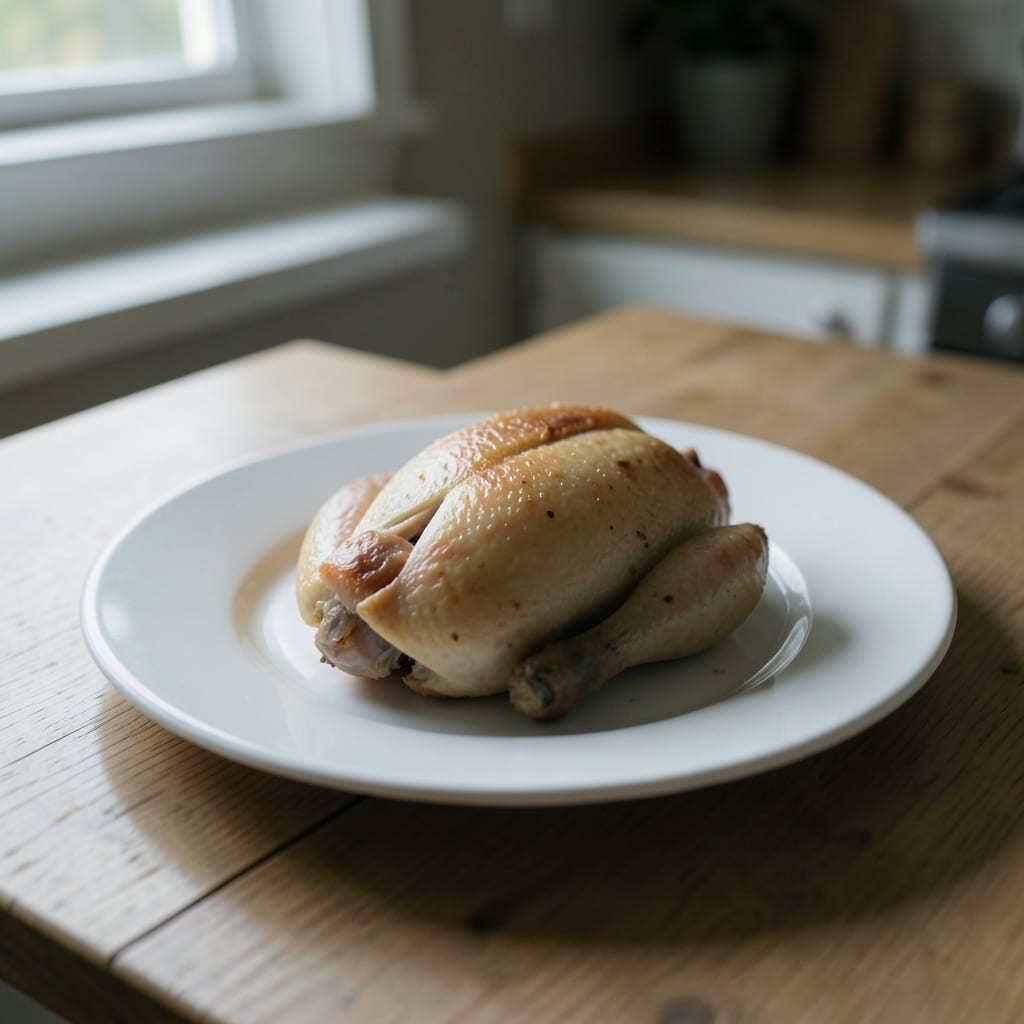
A hero image for a ‘perfect roast chicken’ showed golden skin and juicy meat—except the chicken was injected with broth before shooting. The photo stayed up for eight weeks until a food scientist who read the site pointed out the inconsistency in the captions. We replaced it with a shot of the actual tested dish, credited the scientist in the alt text, and Estelle Winfield added a note about ‘what you see vs. what you get’ to the recipe intro. The delay was embarrassing, but the fix was necessary.
What those three changed
Those three mistakes forced us to build rules that now shape everything we publish. The corrections weren’t just fixes—they were the foundation for how we test, photograph, and write recipes today.
Rules that came from mistakes
- Every temperature must be tested with three different ovens (including ours) before publication. *(From ‘The oven temp chart that lied’)*
- Brining times and salt ratios are now tested by non-chefs—teenagers, retirees, and people who’ve never cooked chicken before. *(From ‘The brine time that didn’t work’)*
- Photos must match the written recipe exactly, with no staging tricks. If a dish looks different in real life, we say so. *(From ‘The photo that wasn’t real’)*
The people behind this
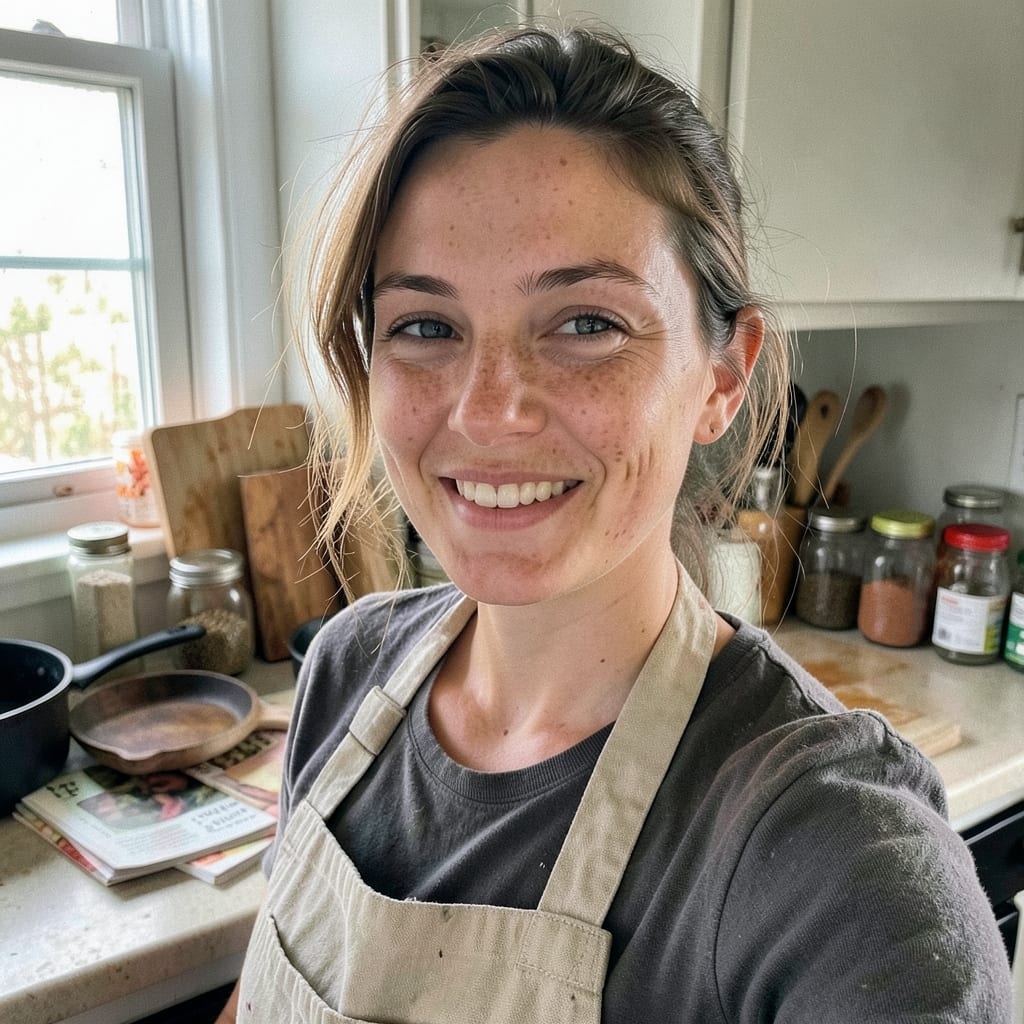
Estelle Winfield is the only person who signs off on every correction here. She’s also the one who wrote the first draft of every recipe that didn’t work, tested the ones that failed, and rewrote the notes after the fixes.
The log above is her record of what she learned—and what she’d do differently if she could go back.
Keeping a list like this isn’t easy. It means admitting when a recipe flopped, when a photo lied, and when the site’s own advice was wrong. It’s uncomfortable, especially when the mistakes are public. But the alternative—pretending they never happened—would make the next one worse.
Estelle does it because she’d rather a reader trust a correction than a perfect first try.
There’s a mistake she’ll never admit to publicly: the time she over-salted a batch of cornbread so badly it had to be fed to the neighbor’s dog. The dog liked it, but the lesson stuck.
She still keeps a salt shaker on the counter with a Post-it that says ‘Less is more.’ That’s the kind of person who runs this site—not a chef, but someone who remembers what it’s like to burn dinner for the first time.
If you find something here that’s still wrong, the contact page is where to tell us. No email address, no form—just the words. We’ll listen, and if it’s a mistake, Estelle will fix it, sign it, and add it to the next log.
There will be a next one
This list isn’t finished. The next correction might be about a mislabeled ingredient, a failed technique, or a recipe that didn’t translate from a restaurant kitchen to a home stove. If you spot something, the contact page is where to send it.
No need to be polite—just say what’s wrong, and we’ll handle the rest.
The only rule is that we’ll fix it, own it, and update the log. That’s how a site about recipes stays honest: by showing the work, even when it’s messy.
The recipes are grouped by category: Appetizers, Beverages, Breakfast & Brunch, Desserts, Main Courses and Salads.