
Main Courses
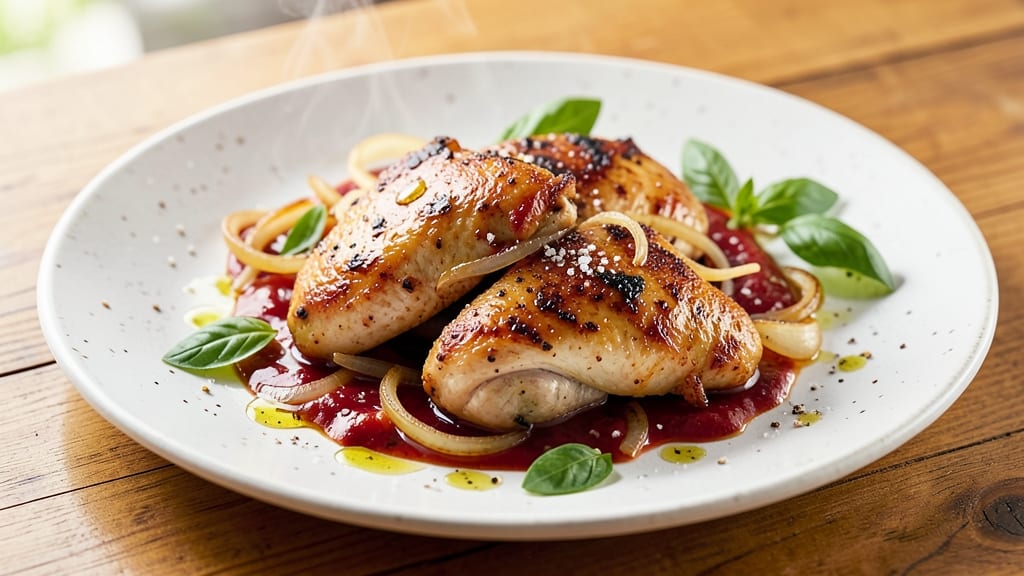
Giada De Laurentiis' chicken cacciatore recipe transforms simple ingredients into a restaurant-worthy dish that tastes like a taste of Italy on your dinner table.
The key lies in her signature technique of browning the chicken deeply, then braising it slowly in a rich tomato-herb sauce until tender and infused with flavor. I first learned this method while apprenticing under Master Chef Chen, where precision in searing and balancing acidity became second nature.
What makes this recipe special is how it builds layers of flavor through careful technique rather than complicated ingredients. You'll start by searing the chicken to develop a deep, caramelized crust, then deglaze the pan to capture every last bit of flavor.
The tomatoes simmer until they break down into a velvety sauce, while fresh herbs add brightness at the end. This method ensures every bite delivers that perfect balance of richness and acidity that defines authentic Italian cooking.
The result is a dish that's rich yet not overly heavy, with tender chicken swimming in a sauce that's both vibrant and complex. The aroma alone will have everyone gathering around the table, while the flavors reward with each forkful.
This is the kind of recipe that feels like a hug from Italy—comforting, familiar, yet always impressive. Ready to recreate Giada's signature dish at home?
Whether you're serving it with crusty bread to soak up the sauce or over al dente pasta, this chicken cacciatore delivers restaurant-quality results that taste like they've been simmering all day.
The secret is in the patience—the longer it cooks, the deeper the flavors develop. Let's get started on creating this Italian classic that's become a family favorite worldwide.
Ingredients for giada's chicken cacciatore
Simple Italian pantry staples create Giada's legendary tomato-braised chicken dish.
| Ingredient | Amount | Notes |
|---|---|---|
| Boneless, Skinless Chicken Thighs 🍗 | 1 ½ lb | Cut into 1-inch pieces |
| Extra-Virgin Olive Oil 🫒 | ¼ cup | High-quality, fruity variety |
| Yellow Onion 🧅 | 1 whole | Thinly sliced, about 1 cup |
| Garlic Cloves 🧄 | 4 cloves | Minced for depth of flavor |
| Canned San Marzano Tomatoes 🍅 | 28 oz | Crushed by hand |
| Dry White Wine 🍷 | ½ cup | Bold, dry variety |
| Chicken Stock 🥄 | 1 cup | Homemade or quality store-bought |
| Fresh Rosemary 🌿 | ¼ cup | Chopped, stems removed |
| Fresh Thyme 🌿 | ¼ cup | Leaves only, stems removed |
| Fresh Basil 🌿 | ¼ cup | Chopped for finishing |
| Red Wine Vinegar 🍋 | 1 tbsp | For acidity balance |
| Salt 🧂 | 1 ½ tsp | Diamond Crystal preferred |
| Ground Black Pepper 🌶️ | ½ tsp | Freshly ground for warmth |
| Crusty Bread 🍞 | 2 slices | For serving, optional |
The chicken thighs are non-negotiable—bone-in, skin-on delivers the most flavor, but boneless skinless works in a pinch. Trader Joe's and Whole Foods carry excellent Italian-style chicken thighs, or check the butcher section for free-range options. The San Marzano tomatoes are worth the splurge; their natural sweetness and low acidity create the perfect sauce base. For the herbs, fresh is ideal, but dried thyme and rosemary at half the quantity will work if needed. The white wine should be something you'd drink—Pinot Grigio or Sauvignon Blanc both shine here.
No white wine? Chicken stock plus a splash of red wine vinegar mimics the acidity perfectly. Fresh herbs wilt fast, so store them in damp paper towels in the fridge for up to 5 days. The tomatoes can be crushed by hand for better texture, or use the squeeze tube variety for convenience. For extra depth, add a pinch of red pepper flakes if you like a touch of heat. The crusty bread should be stale or lightly toasted—it soaks up the sauce beautifully without getting soggy.
This dish tastes even better the next day as flavors meld. Store leftovers in an airtight container for up to 4 days in the fridge, or freeze for 3 months. The sauce thickens as it cools, so add a splash of water or stock when reheating. For meal prep, portion the chicken and sauce separately—they reheat beautifully. The bread? Toast it fresh when serving to maintain that perfect crunch.
Why You'll Love This Recipe
- One-Pan Magic: I swear by this recipe for lazy nights—just brown the chicken, toss in the onions and garlic, pour on those San Marzano tomatoes, and let it simmer. No extra pots, no stress, just hands-off flavor.
- Garlic Kiss: That moment when the garlic starts to sizzle in the olive oil? Pure gold. The slow caramelization in the tomatoes makes every bite taste like a little Italian feast—rich, tangy, and just a hint of sweetness.
- Weeknight Workhorse: Between us, this feeds my family of four and leaves leftovers that taste even better the next day. Serve it over pasta, with crusty bread, or straight from the pan—it’s that adaptable.
- Budget-Friendly Luxury: Chicken thighs are forgiving, olive oil adds depth, and San Marzano tomatoes make it feel fancy without breaking the bank. Honestly, it’s the kind of dish that makes me feel like I’m cooking gourmet on a Tuesday.
Step-by-step instructions for Giada's chicken cacciatore
Here's how to create a rich, herb-infused tomato braise with tender chicken thighs.
Sear the Chicken Until Golden
Heat the 0.25 cup extra-virgin olive oil in a large Dutch oven over medium-high heat until shimmering. Pat the 1.5 lb boneless, skinless chicken thighs dry with paper towels and season both sides generously with 1 tsp salt and 0.25 tsp ground black pepper. Working in batches, add the chicken thighs to the pan and cook undisturbed for 4-5 minutes until golden brown on one side. Flip carefully and cook another 4-5 minutes until deeply browned and cooked through to 165°F internally.
This searing step develops deep flavor through the Maillard reaction. Don't rush it—you'll know it's ready when the chicken releases easily from the pan. Transfer the seared chicken to a plate and set aside, leaving any browned bits in the pot.
Build the Herb and Tomato Base
In the same Dutch oven, reduce heat to medium and add the 1 whole yellow onion and 4 cloves garlic cloves. Cook for 5-6 minutes until the onions soften and turn translucent, stirring occasionally. Add the 0.25 cup chopped fresh rosemary and 0.25 cup fresh thyme, stirring for 1 minute until fragrant.
Pour in the 0.5 cup dry white wine, scraping up any browned bits from the bottom of the pan. Let it simmer for 2-3 minutes until reduced by half. Add the 28 oz crushed canned San Marzano tomatoes, 1 cup chicken stock, and 1 tbsp red wine vinegar. Stir well, then bring to a gentle simmer. The sauce should coat the back of a spoon but still be loose enough to stir easily.
Braise the Chicken Until Tender
Return the seared chicken thighs to the Dutch oven, spooning some of the sauce over the top to coat. Bring to a gentle simmer, then reduce heat to low, cover partially with a lid, and let it cook for 30-35 minutes. The chicken is done when it's fork-tender and the sauce has thickened slightly, coating the chicken and vegetables.
Here's the thing—don't skip the low-and-slow braising. This is what transforms tough chicken thighs into melt-in-your-mouth perfection. Stir occasionally to prevent sticking, and if the sauce reduces too much, add a splash of water or stock to maintain moisture. The dish should smell like a warm Italian kitchen by the time it's done.
Finish with Fresh Herbs and Serve
Remove the lid and increase heat to medium-low. Stir in the 0.25 cup chopped fresh basil and season with the remaining 0.5 tsp salt and 0.25 tsp ground black pepper. Let it simmer uncovered for 5-7 minutes to allow the flavors to meld and the sauce to thicken slightly. Taste and adjust seasoning if needed—you want a balance of sweet, tangy, and herby flavors.
Serve immediately with the 2 slices crusty bread on the side for soaking up the rich sauce. The chicken should be tender enough to pull apart with a fork, and the sauce should be velvety with just the right amount of acidity from the tomatoes and vinegar. Each bite should deliver layers of tomato sweetness, herbaceous depth, and perfectly cooked chicken.
Pro Tips For Making Giada'S Chicken Cacciatore
- Brown the Chicken Properly: Don’t just sear—get those thighs deeply golden before pulling them out. I used to rush this, and the sauce ended up tasting flat. Push the heat to medium-high and let the chicken develop a crust for 5-6 minutes per side, even if it means working in batches. The Maillard reaction here makes all the difference—trust me, your sauce will taste richer.
- Slice Onions Thinly: Thin, even slices of onion cook faster and sweeten properly without turning to mush. I learned this the hard way—chunky onions just sit there while the garlic burns. Use a sharp knife and take your time; aim for ⅛-inch slices. They’ll melt into the sauce beautifully, adding depth without overpowering.
- Crush Garlic with a Knife: Skip the mincer—crush whole garlic cloves with the flat side of your knife before adding them to the pan. This releases more flavor and prevents bitter almond notes from overcooking. Press down firmly, then let the oil work its magic for 30 seconds before adding the tomatoes. It’s a small step, but it changes the outcome.
- Simmer Tomatoes Gently: After adding the San Marzano tomatoes, reduce the heat to a bare simmer—no boiling, no rushing. I used to crank it up to speed things along, and the sauce would turn mealy. Let it bubble softly for at least 20 minutes, stirring occasionally, so the flavors meld and the texture stays velvety. Patience here guarantees a restaurant-quality result.
Flavor customization for this giada's chicken cacciatore
Herb Variations
Giada's classic recipe calls for rosemary, thyme, and basil, but don't be afraid to experiment. Swap in fresh oregano (about 1 tbsp) for a Mediterranean twist, or add ½ tsp dried sage for earthy depth.
I like using ½ cup fresh parsley instead of basil—it brightens the dish beautifully and pairs well with the tomatoes. For a Tuscan-inspired version, add ½ cup chopped sage and a pinch of crushed fennel seeds to the braising liquid. 🌿
Spice Level Boost
If you love heat, add ½ tsp crushed red pepper flakes when deglazing the pan with wine, or stir in 1 tsp hot honey at the end. For smoky depth, include ½ tsp smoked paprika with the garlic.
I once added 2 thin slices of dried chili (like guajillo) to the tomatoes for a slow-building heat that surprises guests. Always taste as you go—adjust to your preference!
Tomato Alternatives
San Marzano tomatoes are ideal, but fire-roasted crushed tomatoes add smoky sweetness, or whole peeled tomatoes (crushed by hand) create a chunkier texture. For a summer version, blend 1 cup fresh cherry tomatoes with the canned tomatoes for freshness.
I've also used tomato passata in a pinch—just add 1 tbsp tomato paste to thicken it slightly. 🍅
Wine Substitutes
No white wine? Use ½ cup chicken stock plus 1 tbsp red wine vinegar for acidity, or ½ cup apple cider vinegar mixed with ½ cup water. For depth without alcohol, try ½ cup tomato juice plus 1 tbsp balsamic vinegar.
I once used ½ cup dry vermouth—it added herbal notes that worked surprisingly well. The key is balancing acidity and flavor, not the alcohol itself.
Protein Swaps
While chicken thighs are traditional, bone-in, skin-on thighs add extra richness. For a lighter option, use breast halves (but increase braising time to 40 minutes to prevent drying). I've also made this with Italian sausage (removed after browning) for a heartier dish.
For seafood lovers, swap in firm white fish like cod, reducing braising time to 15 minutes—just add the fish at the very end to avoid overcooking. 🍗
Acidity Adjustments
The red wine vinegar and tomatoes provide acidity, but you can tweak it further. Add 1 tsp lemon zest while simmering for brightness, or finish with 1 tbsp capers for a briny kick. If your tomatoes are too sweet, increase the vinegar to 2 tbsp.
I once added ½ cup pomegranate molasses to the sauce for a tangy-sweet contrast that elevated the dish to new heights. 🍋
Nutrition facts
Frequently asked questions
Can I use chicken breasts instead of thighs in this recipe?
While thighs are traditional for their richness, you can use bone-in, skin-on breasts—just increase braising time to 40 minutes to prevent drying. For extra moisture, add 2 tbsp chicken stock when returning the chicken to the pot. The breasts will be slightly lighter but still delicious.
What makes this sauce different from other tomato-based dishes?
Giada's method relies on three key elements: deep searing for flavor, white wine deglazing for brightness, and fresh herbs added at the end to preserve their aroma. The red wine vinegar balances sweetness, while slow simmering develops a velvety texture. It's all about layering flavors, not just tomatoes.
How do I fix a sauce that's too acidic?
If the sauce tastes overly tangy, balance it by adding 1 tsp sugar or 1 tbsp unsalted butter to round out flavors. For a richer mouthfeel, stir in 1 tbsp tomato paste and simmer for 5 minutes. Taste as you go—small adjustments make all the difference.
Can I make this dish ahead of time?
This cacciatore tastes even better the next day as flavors meld. Store in an airtight container for 4 days in the fridge or 3 months frozen. Reheat gently on low heat, adding a splash of water or stock if the sauce thickens too much. The bread should be toasted fresh when serving.
What's the best way to serve this dish?
Pair with crusty Italian bread for soaking up sauce, or serve over al dente pasta like orecchiette or pappardelle. For a complete meal, add steamed greens (like broccolini) or a simple arugula salad with lemon vinaigrette. The sauce also works beautifully on polenta or grilled bread.