
Main Courses
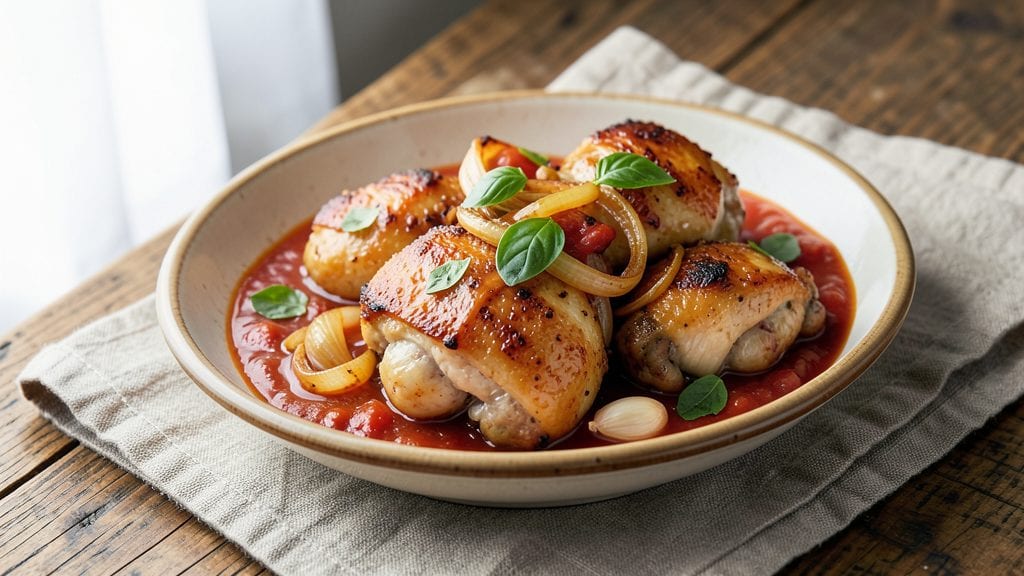
Ina Garten’s chicken cacciatore recipe transforms humble pantry ingredients into a simmered tomato-basil masterpiece that tastes like a Tuscan countryside dinner. The secret lies in her methodical approach—marinating the chicken, deglazing the pan with white wine, and balancing acidity with sweetness, all while letting flavors meld in a single pot.
I’ve recreated this dish countless times, and it never fails to impress with its rich, velvety sauce and tender chicken pieces.
What sets this recipe apart is Ina’s signature technique of building layers of flavor: starting with a browned chicken, then developing a deep, aromatic base from onions and garlic before adding tomatoes and herbs.
The white wine deglazing adds brightness, while a touch of sugar rounds out the acidity, creating a sauce that’s both complex and approachable. This dish is perfect for weeknight dinners or special occasions—it’s hearty enough to feed a family but simple enough to prepare in under an hour.
The result is a one-pot wonder with golden-brown chicken, tender vegetables, and a sauce so rich it coats every bite. The aroma alone will have everyone gathering around the table, and the dish pairs beautifully with crusty bread or polenta to soak up every last drop.
Whether you're a seasoned home cook or just starting out, this recipe delivers restaurant-quality results with minimal effort.
Serve with a glass of Chianti or a crisp Sauvignon Blanc to complement the tomato-basil flavors, and don’t forget a sprinkle of fresh basil on top for that final touch of elegance. Here’s how to bring Ina’s timeless cacciatore to your kitchen—one pot at a time.
Ingredients for ina garten chicken cacciatore
Fifteen simple ingredients create Ina Garten’s legendary one-pot Tuscan masterpiece.
| Ingredient | Amount | Notes |
|---|---|---|
| Boneless, Skinless Chicken Thighs 🍗 | 1 ½ lb | Trimmed of excess fat |
| Yellow Onions 🧅 | 1 whole | Thinly sliced, about 2 cups |
| Garlic Cloves 🧄 | 4 cloves | Minced, about 1 tbsp |
| Canned San Marzano Tomatoes 🍅 | 2 cans | 28 oz each, crushed by hand |
| Dry White Wine 🍷 | ½ cup | Sauvignon Blanc preferred |
| Fresh Basil Leaves 🌿 | ½ cup | Torn, not chopped |
| Extra-Virgin Olive Oil 🫒 | ½ cup | For browning chicken |
| Kosher Salt 🧂 | 1 ½ tsp | Adjust to taste |
| Carrots 🥕 | 2 medium | Peeled, sliced into rounds |
| Ground Black Pepper 🌶️ | ½ tsp | Freshly cracked |
| Granulated Sugar 🍚 | 1 tbsp | Balances acidity |
| Fresh Rosemary 🌿 | 1 tbsp | Chopped, about 4 sprigs |
| Fresh Thyme Leaves 🌿 | 1 tbsp | About 4 sprigs |
| Vegetable Oil 🫒 | 1 tbsp | For deglazing |
| Chicken Broth 💧 | ½ cup | Low-sodium preferred |
The chicken thighs are the foundation—boneless, skinless thighs hold up better than breasts to the long simmer. Look for plump, well-marbled thighs at Whole Foods or your butcher counter. San Marzano tomatoes are non-negotiable for that authentic sweetness; Trader Joe's carries them year-round. Fresh herbs matter here: rosemary and thyme should smell piney and earthy, not musty. If you can't find fresh, dried works at one-third the amount, but the texture won't be as elegant. The white wine should be dry—Sauvignon Blanc is ideal, but any crisp white will do.
No San Marzano tomatoes? Crushed tomatoes in a high-quality jar work in a pinch, but add 1 tsp sugar to compensate. Substituting red wine? Use the same amount, but deglaze with chicken broth afterward to balance the acidity. Carrots can be swapped for zucchini or bell peppers, but keep the total vegetable volume similar. The sugar is crucial—it rounds out the tomatoes' acidity, so don't skip it. For a quicker version, use pre-minced garlic from a jar, but fresh is always better. If you're short on time, pre-sliced onions from the salad bar section save minutes without sacrificing flavor.
This dish tastes even better the next day as flavors meld. Store in an airtight container in the fridge for up to 5 days, or freeze for 3 months. The sauce thickens as it cools, so add a splash of broth when reheating. I always make a double batch—half for dinner, half for lunches. The chicken stays tender when reheated gently on the stove, and the sauce can be thinned with a bit of water if needed. Serve with crusty bread to soak up every last drop of that velvety tomato-basil sauce.
Why You'll Love This Recipe
- One-Pan Magic: I swear by this recipe—just brown the chicken, toss in onions and garlic, then let the wine and tomatoes do the work. No extra pans, no fuss, and the house smells like heaven by the time it’s done.
- Wine-Infused Depth: That splash of dry white wine? It’s not just for show—it tenderizes the chicken and cuts through the acidity of the tomatoes, leaving you with layers of flavor that taste like a restaurant but took 20 minutes.
- Leftovers That Shine: Between us, this dish actually improves the next day. The flavors meld even more, and it reheats like a dream—perfect for lunches or feeding unexpected guests without extra effort.
- Budget-Friendly Feast: Chicken thighs are forgiving and affordable, and San Marzano tomatoes? They’re worth every penny for that rich, sweet base. Honestly, it’s the kind of meal that makes you feel like you’re treating yourself without breaking the bank.
Step-by-step instructions for Ina Garten chicken cacciatore
Follow this straightforward method for a rich, aromatic tomato-basil sauce that clings perfectly to tender chicken thighs.
Sear the Chicken Thighs for Depth of Flavor
Pat the 1.5 lb boneless, skinless chicken thighs completely dry with paper towels. Heat 1 tablespoon vegetable oil in a large Dutch oven over medium-high heat until shimmering. Add the chicken thighs in a single layer, leaving space between each piece. Cook undisturbed for 4-5 minutes until golden brown on one side.
Flip the chicken and cook another 4-5 minutes until the second side is also golden brown and the meat registers 160°F internally. Remove the chicken and set aside on a plate. The goal here is to develop a deep, caramelized crust that will infuse the sauce with rich flavor. Don't overcrowd the pan—this ensures proper browning.
Build the Flavor Base with Onions and Aromatics
In the same Dutch oven, reduce heat to medium and add 1 tablespoon extra-virgin olive oil. Add the 1 whole yellow onion, sliced thinly, and cook for 5-6 minutes until softened and golden. Stir occasionally to prevent burning. Add the 4 cloves garlic cloves, minced, and cook for 30 seconds until fragrant.
Add the 2 medium carrots, sliced into rounds, along with 1 tablespoon fresh rosemary and 1 tablespoon fresh thyme leaves. Cook for 3-4 minutes until the carrots begin to soften. This aromatic base forms the flavor foundation of your cacciatore. The onions should be translucent with just a hint of color—this ensures they don't turn bitter.
Deglaze and Simmer with Tomatoes and Wine
Pour in the 0.5 cup dry white wine, scraping up any browned bits from the bottom of the pot with a wooden spoon. Let the wine simmer for 2-3 minutes until reduced by half. Add the 2 cans crushed San Marzano tomatoes, 1.5 teaspoons kosher salt, 0.5 teaspoon ground black pepper, and 1 tablespoon granulated sugar. Stir well to combine.
Return the chicken thighs to the pot, skin-side up, and bring the mixture to a gentle simmer. Partially cover the pot and cook for 20 minutes on medium-low heat. This initial simmer allows the tomatoes to break down and the chicken to begin tenderizing. The sauce should be bubbling gently but not vigorously—this prevents the chicken from overcooking.
Finish with Basil and Chicken Broth
Add the remaining 0.3 cup extra-virgin olive oil and 0.5 cup chicken broth to the pot. Stir in the 0.5 cup fresh basil leaves, torn by hand, and bring the mixture to a simmer again. Cook uncovered for 15-20 minutes until the chicken is tender and the sauce has thickened slightly. The chicken should be cooked through with no pink remaining, and the sauce should coat the back of a spoon.
Taste and adjust seasoning if needed. The sauce should be rich, slightly sweet, and well-balanced with acidity from the tomatoes. The basil adds a bright, fresh finish that complements the deep flavors of the dish. The sauce should cling to the chicken without being overly thick—this is the hallmark of a perfect cacciatore.
Rest and Serve with Crusty Bread
Remove the chicken from the pot and transfer it to a serving platter. Tent loosely with foil and let it rest for 5 minutes before serving. This resting period allows the juices to redistribute, ensuring each bite is moist and flavorful. Spoon the sauce over the chicken and serve immediately with crusty bread or over al dente pasta. The dish should be served warm, as the flavors continue to meld even after cooking.
This method delivers a classic Italian cacciatore with tender chicken, rich tomato sauce, and aromatic herbs. The key is patience—allowing the chicken to simmer gently in the flavorful sauce ensures a restaurant-quality result every time. The sauce should be vibrant, with visible chunks of tomatoes and herbs, and a perfect balance of sweetness and acidity.
Pro Tips For Making Ina Garten Chicken Cacciatore
- SEAR THIGHS IN BATCHES: Chicken thighs release more liquid when crowded—skip the pile. Work in two batches over medium-high heat for 4-5 minutes per side until golden. I learned this the hard way after splattering oil everywhere trying to rush it.
- CHAR THE ONIONS LOW: After sweating onions, crank the heat to medium-high and let them caramelize without stirring constantly. Walk away for 2-3 minutes—this builds deep flavor. (Yes, even if you’re impatient like me.)
- DEGLAZE WITH WINE IMMEDIATELY: As soon as you remove the chicken, pour in the white wine while the pan is still hot. Scrape up every browned bit—this is where the magic happens. I skip this, and the sauce tastes flat.
- CRUSH TOMATOES BY HAND: Drain the San Marzano tomatoes, then smash them with your fingers (no blender). The broken seeds and pulp thicken the sauce naturally—no cornstarch needed. (Your future self will thank you.)
Flavor customization for this dish
Sweet-Tangy Balance
Ina Garten’s signature touch is balancing the tomatoes’ acidity with sweetness. For a more pronounced sweetness, add 1 extra tablespoon of sugar or swap the granulated sugar for 1 tablespoon of honey—this caramelizes beautifully during simmering.
If you prefer tangier sauce, reduce the sugar to ½ tablespoon and add 1 extra tablespoon of balsamic vinegar at the end. The key is to taste as you go, adjusting incrementally. 🍯
Herb Variations
Swap the rosemary and thyme for 1 tablespoon each of oregano and sage for a more Mediterranean twist. For a brighter profile, add 1 teaspoon of lemon zest with the basil at the end—it cuts through the richness.
If you love heat, stir in ½ teaspoon of crushed red pepper flakes when adding the tomatoes. Fresh herbs are non-negotiable; dried versions won’t deliver the same aroma. 🌿
Wine Substitutions
White wine is traditional, but ½ cup of dry vermouth adds herbal depth, or ½ cup of apple cider for a sweeter, fruitier note. For a red wine version (like Ina’s occasional adaptations), use ½ cup of Chianti but deglaze with ¼ cup chicken broth afterward to mellow the acidity.
Avoid sweet wines—they’ll overpower the dish. 🍷
Vegetable Swaps
Replace carrots with 1 cup sliced zucchini or bell peppers for a lighter texture. For heartier cacciatore, add ½ cup mushrooms when sautéing the onions—they absorb the sauce beautifully.
If you love texture, toss in ½ cup cherry tomatoes at the end to blanch and burst. Keep the total vegetable volume similar to maintain balance. 🥕
Protein Adaptations
For a pork cacciatore, use 1.5 lb boneless pork chops and reduce simmering time to 15 minutes—pork cooks faster. Swap chicken for 1 lb shrimp (add at the last 5 minutes) or 1 lb white fish (like cod) for a seafood version.
For a vegetarian take, replace chicken with 1 lb chickpeas and add 1 eggplant, cubed and roasted beforehand. 🍤
Spice Level Control
Start with ½ teaspoon of red pepper flakes for mild heat, or 1 teaspoon for medium. For a smoky kick, add ½ teaspoon of smoked paprika with the tomatoes. If you love depth, finish with 1 teaspoon of fish sauce (trust me, it’s subtle but adds umami).
Always taste before serving—adjust while the sauce is hot for best results. 🌶️
Nutrition facts
Frequently asked questions
Why does Ina Garten use white wine instead of red in her cacciatore?
White wine adds brightness and prevents the sauce from becoming too heavy. The acidity cuts through the richness of the tomatoes and chicken, creating a balanced flavor. Red wine would overpower the dish with its tannins, while white wine complements the herbs and basil beautifully.
Can I make this recipe with chicken breasts instead of thighs?
Chicken breasts will work, but they dry out faster during the long simmer. For best results, use 1 lb boneless, skinless breasts and reduce simmering time to 15 minutes after adding them back to the pot. Pound them to an even thickness first to ensure even cooking.
What’s the best way to store leftovers?
Transfer leftovers to an airtight container and refrigerate for up to 5 days. The flavors actually improve overnight! Reheat gently on the stove with a splash of broth or water to restore the sauce’s consistency. Freezing isn’t recommended beyond 3 months as the texture may change.
How do I know when the chicken is fully cooked?
The chicken is done when it reaches an internal temperature of 165°F. Use a meat thermometer to check the thickest part of the thigh. If you don’t have one, cut into the thickest piece—it should be opaque with no pink juices remaining.
Can I make this in a slow cooker?
Yes! Brown the chicken and onions in a skillet first, then transfer everything to the slow cooker. Add all remaining ingredients except basil (add it at the end). Cook on low for 4-5 hours or high for 2-3 hours. Finish with fresh basil and adjust seasoning before serving.