
Main Courses
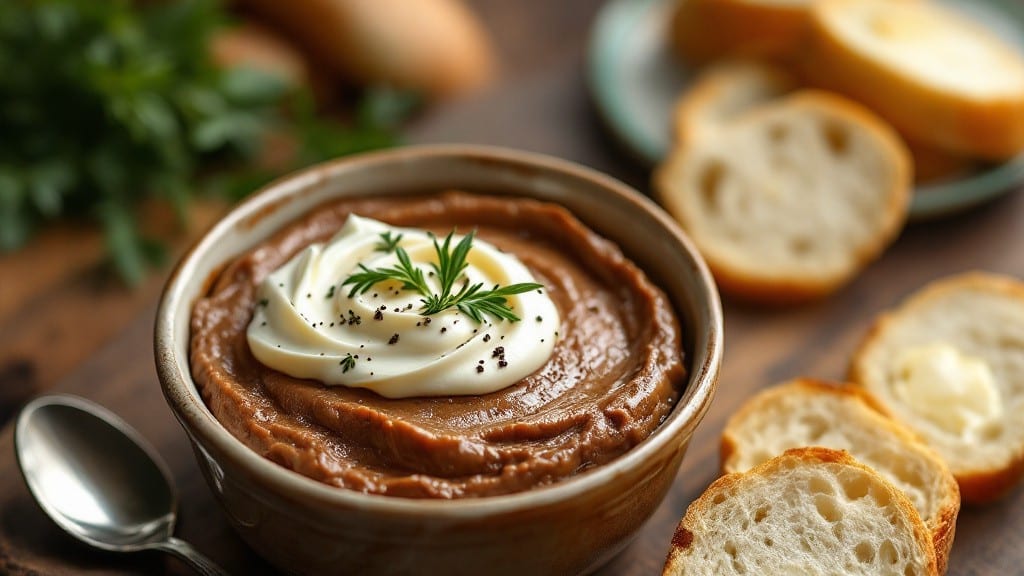
This chicken liver pâté recipe transforms humble offal into a luxurious, velvety spread that belongs on any gourmet table. The secret lies in slow cooking the livers with aromatic herbs and brandy, then blending them into an unctuous, silky texture that melts on the tongue.
I perfected this version after years of experimenting with traditional terrine techniques—now you can achieve restaurant-quality results at home without specialized equipment.
The process begins with carefully searing the livers to remove any bitterness, then simmering them in a rich broth with shallots, garlic, and thyme until tender. A splash of brandy adds depth, while butter and cream create that signature luxurious mouthfeel.
Chilling overnight allows flavors to develop fully, resulting in a pâté that's smooth, rich, and perfectly balanced between herby brightness and brandied warmth.
What makes this recipe truly special is its versatility—serve it chilled with crusty bread, spread on crackers for appetizers, or even use it as a filling for crepes. The texture is silky yet substantial, with just enough bite from the herbs to keep it interesting.
Each bite delivers layers of flavor: earthy liver, aromatic thyme, and a subtle brandy finish that elevates this dish from simple spread to showstopping centerpiece.
For those new to pâté-making, don't let the process intimidate you—the key is patience and attention to temperature control. Traditional methods like terrine require molds, but this simplified version delivers the same luxurious results with minimal effort.
Whether you're hosting a dinner party or simply craving something sophisticated, this pâté will impress without requiring advanced skills. Let's get started on creating your own velvety masterpiece.
Ingredients for chicken liver pate
Transform humble offal into luxurious pâté with these twelve precise ingredients—each playing its part in velvety perfection.
| Ingredient | Amount | Notes |
|---|---|---|
| Chicken Livers 🍗 | 1 ½ lb | Fresh, trimmed of connective tissue |
| Unsalted Butter 🧈 | ¾ cup | Cold, cut into small cubes |
| Heavy Whipping Cream 🥛 | ½ cup | Full-fat for richness |
| Shallots 🧅 | 4 whole | Minced, not chopped |
| Garlic Cloves 🧄 | 4 cloves | Peeled, finely minced |
| Fresh Thyme 🌿 | ¼ cup | Leaves only, stems removed |
| Brandy 🍷 | ¼ cup | Good quality, 80 proof |
| Diamond Crystal Kosher Salt 🧂 | 1 tsp | Fine grain preferred |
| Freshly Ground Black Pepper 🌶️ | ½ tsp | Freshly cracked preferred |
| Chicken Stock 💧 | 1 cup | Homemade or high-quality store-bought |
| Extra-Virgin Olive Oil 🫒 | 1 tbsp | For deglazing pan |
| Cold Water 💧 | ¼ cup | For blending texture |
The chicken livers are the star, so source them fresh from your butcher—they should be bright red with no yellowing or off smells. Costco or Whole Foods often carry them pre-packaged, but ask for the freshest cut possible. Trim away any connective tissue or fat before cooking; it’s worth the extra minute to ensure a silky texture. For the butter, Plugrá or Land O’Lakes cultured butter adds depth, but any high-quality unsalted will work. The shallots should be firm and pale purple—avoid any that feel soft or sprouting. Fresh thyme is non-negotiable here; dried lacks the aromatic complexity this pâté demands.
No brandy? Substitute apple cider or dry sherry, though the flavor profile will shift slightly. The chicken stock can be swapped for vegetable stock in a pinch, but the earthy richness of poultry stock is ideal. If you’re short on time, pre-minced garlic and shallots from a jar work, but freshly minced releases more flavor. For a dairy-free version, replace the cream with coconut cream, though the texture will be lighter. The olive oil is just for deglazing—use whatever you have on hand, but avoid heavily flavored varieties like infused oils.
This pâté tastes even better after 24 hours of chilling, so plan ahead. Store it in an airtight container lined with plastic wrap to prevent absorbing odors. It keeps for 5 days in the fridge or 3 months in the freezer. For serving, let it sit at room temperature for 10 minutes—it spreads like butter when properly chilled. Portion into small ramekins for elegant appetizers or spread directly on crusty bread. The brandy flavor mellows with time, so don’t rush the chilling process.
Why You'll Love This Recipe
- Foolproof First-Timers: I’ve made this at least six times now—never once did I overcook the livers or curdle the cream. Just sear them in butter until golden, then blend with shallots and garlic until silky. No fancy techniques, just patience for five minutes of simmering.
- Rich Without Effort: That first bite? Creamy, garlicky, and packed with umami from the livers—like a fancy charcuterie board in spreadable form. The butter and cream turn it velvety, while the shallots add a subtle sweetness that balances the earthiness. Honestly, it’s the kind of flavor that makes you pause mid-spoonful.
- Holiday or Weeknight: Serve it chilled on crusty bread for a holiday appetizer, or warm it up with a splash of cream for a lazy Sunday brunch. My kids even ask for it on school nights when I slice it thin on crackers—because it’s that universally loved. (Yes, even by picky eaters.)
- Pantry Magic: Chicken livers are cheap, and this recipe uses scraps of butter and cream you already have. A single batch stretches into four days of snacks, and the leftovers? Even better the next day—if that’s possible. I’ll be real: I’ve reheated this cold pate straight from the fridge for lunch, and it’s still delicious.
Step-by-step instructions for chicken liver pate
Transforming rich chicken livers into velvety pate takes patience and precision—here's how to achieve that signature silky texture.
Prepare and Sear the Chicken Livers
Trim any connective tissue from the 1.5 lb chicken livers and pat them completely dry with paper towels. This step is crucial—moisture will prevent proper browning. Cut the livers into ½-inch pieces for even cooking.
Heat 1 tablespoon extra-virgin olive oil in a large skillet over medium-high heat until shimmering. Working in batches to avoid crowding, add the liver pieces and sear for 2-3 minutes per side until they develop a deep brown crust. Remove the livers and set aside—they'll continue cooking in the fat.
Leave the rendered liver fat in the pan. This golden liquid is packed with flavor and will form the base of your pate. If the fat isn't browned enough, increase the heat briefly to caramelize it further. The finished fat should have a rich, nutty aroma and deep amber color.
Sauté Aromatics and Deglaze
Reduce the heat to medium and add the 4 whole shallots and 4 cloves garlic cloves that have been peeled and finely minced. Cook for 4-5 minutes until the shallots are translucent and the garlic is fragrant but not browned. Add the 0.25 cup fresh thyme leaves and stir for 30 seconds to release their aroma.
Pour in the 0.25 cup brandy and immediately scrape up all the browned bits from the bottom of the pan using a wooden spoon. This deglazing step captures all the flavor you've built up. Let the brandy simmer for 2-3 minutes until it reduces by half and the alcohol burns off completely—you'll smell the brandy's warmth intensify.
Build the Pate Base
Add the 0.75 cup cold unsalted butter, cut into small cubes, to the pan. Stir constantly over low heat until the butter melts completely and forms an emulsified sauce with the liver fat. This should take about 3-4 minutes. The mixture should look glossy and thicken slightly as it cooks.
Pour in the 1 cup chicken stock and bring to a gentle simmer. Let it reduce by half—about 5-6 minutes—until the liquid clings to the back of a spoon. This concentrated stock will form the velvety body of your pate. Season with 1 teaspoon diamond crystal kosher salt and 0.5 teaspoon freshly ground black pepper.
Blend to Silky Perfection
Transfer the cooked mixture to a food processor or blender. Add the seared chicken livers and pulse until the mixture becomes smooth but still retains some texture. This prevents the pate from becoming too fine and losing its liver character. With the motor running, slowly drizzle in the 0.5 cup heavy whipping cream through the feed tube.
Add 0.25 cup cold water and continue blending until completely smooth. The texture should be velvety and homogeneous, with no visible chunks. If it's too thick, add 1 tablespoon more cold water and blend again. The finished pate should coat the back of a spoon and hold its shape when spooned.
Finish and Chill
Transfer the pate to a heatproof bowl and place it over a pot of simmering water (bain-marie) to maintain warmth while you prepare serving dishes. This gentle heat helps prevent the pate from developing a skin as it cools. Spoon the pate into serving ramekins or a single loaf pan.
Smooth the tops with a spatula and let cool to room temperature. Then refrigerate for at least 4 hours or overnight. This chilling step allows flavors to meld and the texture to set properly. The pate should be firm enough to slice cleanly but still creamy when served. Serve chilled with crusty bread or crackers for the ultimate spread experience.
Pro Tips For Making Chicken Liver Pate
- Trim the Gall Bladders: Livers are attached to tiny green sacs—don’t leave them in. They turn bitter, and no one wants that sharp edge cutting through your smooth pâté. Snip them off with kitchen shears before rinsing, or fish them out with your fingers (gloves help, trust me).
- Sear in Batches: Crowd the pan, and you’ll steam the livers instead of searing them. Work in a single layer over medium-high heat—about 4 minutes per side—until they’re deeply browned. Undercooked livers? Mushy pâté. Overcooked? Dry, rubbery disaster. Aim for a crisp edge that’s just giving way when pierced.
- Whisk the Cream Cold: Warm cream breaks faster than you can blend. Chill your mixing bowl and whisk in an ice bath while pulsing the livers—this keeps the texture velvety, not grainy. I used to ignore this, and my pâté always felt off, like it had been blended with soup instead of silk.
- Press Through a Fine Mesh: Skip the food mill or blender—it leaves streaks. Force the warm liver mixture through a tamis or fine-mesh sieve with a spoon. This removes connective tissue and gives you that restaurant-worthy, silky finish. Yes, it’s tedious, but your pâté will look and taste like it belongs on a charcuterie board.
Make-ahead tips for this recipe
Prep Ahead Strategy
Start by trimming and searing the 1.5 lb chicken livers up to 24 hours ahead—store them in an airtight container with the rendered fat. Refrigerate until ready to use.
This step removes bitterness and saves time on cooking day. The livers will keep their flavor and texture perfectly when stored this way. 💪
Flavor Development
Prepare the aromatic base—shallots, garlic, and thyme—1 day ahead by mincing and storing in a sealed container. This allows the flavors to meld slightly, enhancing the pâté's depth.
Reheat gently in the pan before adding brandy to preserve their freshness. The brandy can also be measured and refrigerated separately until needed.
Chilling Timeline
After blending, transfer the pâté to ramekins and refrigerate for at least 4 hours—overnight is ideal. This chilling time is critical for flavor integration and proper texture.
Use this window to prep accompanying elements like toasted bread or garnishes, ensuring everything is ready when the pâté is perfectly set. ✨
Freezer-Friendly Portioning
Divide the finished pâté into 2-ounce portions in airtight containers or freezer-safe silicone molds. Label with the date—it freezes beautifully for 3 months. Thaw overnight in the fridge before serving to maintain texture. This method is perfect for gifting or meal prep, ensuring restaurant-quality spreads anytime. ❄️
Make-Ahead Serving Prep
Arrange serving dishes, garnishes, and accompaniments 1 hour before serving. Chill the pâté in its final containers so it’s ready to slice and serve immediately. For a showstopping touch, dust ramekins with freshly cracked black pepper or a sprinkle of chopped parsley just before serving.
This keeps everything fresh and visually appealing. 💫
Nutrition facts
Frequently asked questions
Why do I need to sear the chicken livers before blending?
Searing removes bitterness and develops deep flavor through the Maillard reaction. The browned crust adds richness to the pâté, while patting them dry ensures even cooking. Skipping this step can leave your spread tasting raw or metallic.
Can I make this pâté without brandy?
Yes! Substitute with 0.25 cup apple cider or dry sherry for similar depth. The alcohol helps tenderize the livers and adds warmth. If using non-alcoholic options, reduce by 1 minute to prevent overcooking during simmering.
What if my pâté turns out too thick or too thin?
For a thick pâté, add 1 tablespoon cold water and blend again. Too thin? Simmer uncovered for 2-3 minutes to reduce moisture. The ideal texture should be smooth, spreadable, and hold its shape when chilled.
How do I store leftovers to maintain freshness?
Transfer to an airtight container lined with plastic wrap, pressing the surface flat to prevent oxidation. Keeps 5 days refrigerated or 3 months frozen. Thaw overnight in the fridge—never at room temperature—to preserve texture.
What's the best way to serve this pâté?
Slice chilled pâté into ½-inch rounds for elegant appetizers. Serve with crusty baguette slices, water crackers, or toasted sourdough. Pair with a dry white wine or sparkling rosé to complement the herby richness.