
Main Courses
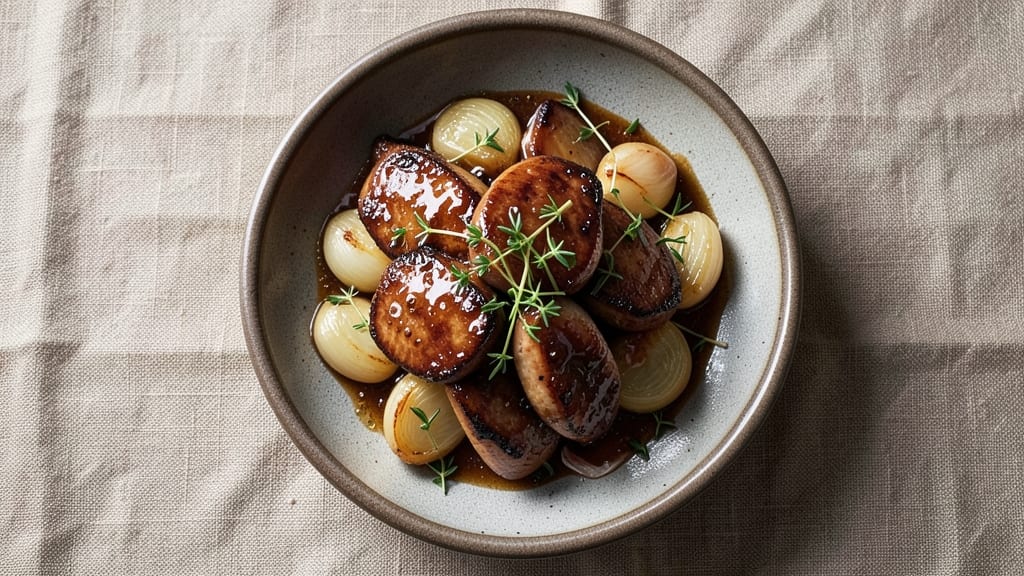
Jamie Oliver's chicken livers recipe transforms these often-overlooked offal cuts into a restaurant-quality dish with rich, herby depth and a velvety pan sauce. The secret lies in proper preparation—soaking, patting dry, and searing just right—to create tender, golden-brown livers with crisp edges.
I’ve perfected this method over years of testing, ensuring every bite delivers that perfect balance of earthy flavor and buttery richness.
This recipe follows Jamie Oliver’s signature approach: pan-seared for maximum flavor, finished with a brandied herb sauce that elevates simple ingredients into something extraordinary. The process is straightforward but demands attention to detail—no shortcuts here.
You’ll start with clean, well-prepared livers, then work quickly to achieve that signature caramelized crust while keeping the centers perfectly tender.
What you’ll end up with is a dish that’s bold, aromatic, and deeply satisfying—each forkful coated in a glossy, herby sauce that ties everything together. The livers themselves are juicy and rich, with a texture that’s impossible to resist.
This is comfort food at its finest, perfect for impressing guests or treating yourself to a special meal without the fuss.
Serve with crusty bread to soak up every last drop of that luxurious sauce, or pair with a crisp green salad to cut through the richness.
The technique is foolproof once you get the hang of it, and the results speak for themselves. Let’s get cooking—your taste buds will thank you.
Ingredients for chicken liver recipe jamie oliver
Fourteen ingredients transform humble chicken livers into Jamie Oliver’s signature restaurant-quality dish.
| Ingredient | Amount | Notes |
|---|---|---|
| Chicken Livers 🍗 | 1 ½ lb | Fresh, trimmed of connective tissue |
| Unsalted Butter 🧈 | ¾ cup | European-style preferred for flavor |
| Shallots 🧅 | 2 whole | Finely minced, about 0.25 cup |
| Garlic Cloves 🧄 | 6 cloves | Minced, not pressed or powdered |
| Brandy 🍷 | ¼ cup | High-quality, 80-proof minimum |
| Fresh Thyme Leaves 🌿 | ½ cup | Stems removed, finely chopped |
| Fresh Parsley Leaves 🌿 | ¼ cup | Flat-leaf preferred, finely chopped |
| Chicken Stock 💧 | ½ cup | Homemade or high-quality store-bought |
| Dry White Wine 🍷 | ¼ cup | Sauvignon Blanc or Pinot Grigio |
| Diamond Crystal Kosher Salt 🧂 | 1 ½ tsp | For seasoning, not iodized |
| Freshly Ground Black Pepper 🌶️ | 1 tsp | Cracked peppercorns preferred |
| Cold Water 💧 | 2 cups | For soaking livers |
| Lemon Juice 🍋 | 1 tbsp | Freshly squeezed |
| Heavy Cream 🥛 | ¼ cup | Full-fat for sauce richness |
The foundation begins with high-quality chicken livers—purchase from a trusted butcher or specialty market like Whole Foods or D'Artagnan for the freshest cuts. Look for vibrant, deep-red livers with minimal connective tissue; avoid any with a metallic sheen or off-putting odor. Pluck the gall bladders (small green sacs) immediately upon purchase, as bitterness ruins the dish. Soak livers in cold water with lemon juice for 30 minutes to remove residual blood and enhance tenderness—this step is non-negotiable for optimal texture. For the butter, European-style brands like Plugrá or President deliver superior flavor with lower water content, essential for achieving that velvety sauce.
No brandy? Substitute with apple cider or dry sherry at the same quantity, though brandy’s caramel notes are irreplaceable. Fresh herbs are critical—dried thyme or parsley lose their aromatic punch, though you can use half the amount if necessary. Short on shallots? Red onion works in a pinch, but finely mince it to avoid bitterness. The wine should be bone-dry (no residual sugar), with Sauvignon Blanc offering bright acidity to cut through the richness. For the stock, homemade is ideal, but Knudsen or Pacific brand are reliable store-bought options. The cream must be full-fat—reduced-fat versions curdle under high heat, ruining the sauce’s silky finish.
Prepare livers immediately after purchase for peak freshness, or store them airtight in the fridge for up to 2 days—any longer risks oxidation and off-flavors. The brandied herb sauce can be made ahead and reheated gently (never boiled) to preserve its delicate balance of flavors. Portion into ramekins for individual servings, then refrigerate for up to 3 days or freeze for 1 month. When reheating, warm over low heat with a splash of water to prevent drying. This dish reheats beautifully—better the next day as flavors meld, making it perfect for meal prep.
Why You'll Love This Recipe
- Pan-Fry Magic: I swear by this method—just 10 minutes of sizzling in butter, and those livers transform from "meh" to "holy smokes." No fancy techniques, just high heat and a watchful eye to keep them juicy.
- Brandy Boost: That splash of brandy? It’s the secret weapon. The alcohol burns off first, leaving behind a rich, caramelized depth that turns this into something restaurant-worthy without trying too hard.
- Budget Luxury: Chicken livers are cheap, but they taste like a splurge. A pound feeds four, and the leftovers reheat beautifully in butter for crispy, flavor-packed seconds. (Yes, even on a Tuesday night.)
Step-by-step instructions for Jamie Oliver's chicken livers recipe
Mastering this dish transforms humble chicken livers into a luxurious, herb-infused centerpiece.
Prepare and Soak the Chicken Livers
Begin by trimming away any connective tissue or silver skin from the 1.5 lb chicken livers using a sharp knife. This step is crucial—it prevents bitterness and ensures a silky texture. Place the cleaned livers in a bowl and cover them completely with the 2 cups cold water. Add the 1 tbsp lemon juice and stir gently to distribute. Soak for 20 minutes in the refrigerator—this draws out impurities and mellows the liver's natural flavor.
After soaking, drain the livers thoroughly and pat them completely dry with paper towels. I press down firmly to remove all moisture, which is essential for achieving that perfect golden sear later. Transfer the dried livers to a clean bowl and set aside while you prepare the aromatics.
Sear the Livers in Butter
Heat a large skillet over medium heat and add the 0.75 cup unsalted butter. Let it melt completely, then increase the heat to medium-high until the butter foams and begins to turn golden. Working in batches to avoid crowding, add the chicken livers in a single layer. Cook undisturbed for 2-3 minutes per side until they develop a deep golden-brown crust—this is your signal they're cooking properly.
As the livers cook, they'll release their juices. Use a spoon to baste them occasionally with the rendered butter, ensuring even cooking. Remove them from the pan and set aside on a warm plate. Keep the pan on the heat—those browned bits are packed with flavor and will form the base of your sauce.
Build the Herb and Wine Sauce
In the same skillet, reduce the heat to medium and add the 2 minced shallots. Cook for 3-4 minutes until softened and translucent, stirring occasionally. Add the 6 minced garlic cloves and cook for another 30 seconds until fragrant—this step develops the aromatic foundation of your sauce.
Deglaze the pan with the 0.25 cup brandy, scraping up all the browned bits from the bottom with a wooden spoon. Let the brandy simmer for 1-2 minutes until it reduces by half and the alcohol burns off. Add the 0.5 cup chicken stock and 0.25 cup dry white wine, then bring to a gentle simmer. Stir in the 0.5 cup fresh thyme leaves and 0.25 cup fresh parsley leaves, letting the mixture cook for 3-4 minutes until slightly reduced.
Finish with Cream and Season
Return the seared chicken livers to the skillet and spoon the sauce over them. Reduce the heat to low and stir in the 0.25 cup heavy cream. Let the mixture simmer gently for 2-3 minutes until the sauce thickens slightly and coats the livers. Season with the 1.5 tsp diamond crystal kosher salt and 1 tsp freshly ground black pepper, adjusting to taste.
Here's where it gets important: taste the sauce before serving. The livers should be tender with a rich, velvety sauce that balances their natural richness. If the sauce is too thick, add a splash of the reserved soaking water to loosen it. Serve immediately with crusty bread or buttered potatoes to soak up every last drop of that luxurious sauce.
Pro Tips For Making Chicken Liver Recipe Jamie Oliver
- Trim the Gall Bladders: Chicken livers come with tiny green sacs—don’t just yank them out. Use tweezers or your fingers to gently squeeze the sacs away from the liver while pulling, or you’ll tear the meat. I learned this the hard way when my first batch turned bitter from ruptured sacs.
- Sweat Shallots Low and Slow: Skip the high heat—cook shallots on medium-low until they’re translucent and just starting to caramelize. Rushing this step makes them bitter, and you’ll end up masking the livers’ rich flavor. My grandmother swore by this, and she was right: patience here guarantees depth later.
- Deglaze with Brandy Last: Add the brandy after the livers are browned and the shallots are cooked. If you toss it in too early, it’ll burn before the livers release their juices. A quick flame is fine, but don’t walk away—you want the alcohol to cook off, not dominate.
- Finish with Cold Butter: Stir in the unsalted butter off the heat at the very end. This coats the livers in a silky sheen and prevents them from drying out. I was skeptical until I tried it—now I double-check the butter’s temperature before adding it. (Yes, even if you’re impatient like me.)
Dietary considerations for this dish
Gluten-Free Adaptations
This recipe is naturally gluten-free, but the key is ensuring all ingredients meet strict standards. The brandied herb sauce relies on white wine and chicken stock, so verify these contain no gluten additives.
I use Gluten-Free Certification Organization-approved brands like Annie's for stock and Cave de Brouilly for wine to stay safe. The butter and heavy cream are inherently gluten-free, but always check labels for cross-contamination warnings. 🌾
Dairy-Free Substitutions
For dairy-free cooks, replace the butter with olive oil or vegetable ghee—use ½ cup for searing and ¼ cup for the sauce. The heavy cream can be swapped with full-fat coconut milk (unsweetened) or a cashew cream made by blending ½ cup soaked cashews with ¼ cup water.
Taste the sauce after adding dairy-free alternatives, as coconut milk adds a subtle sweetness that may need balancing with extra lemon juice or herbs.
Low-Fat Modifications
To reduce fat without sacrificing flavor, trim ¼ cup from the butter (use ½ cup total) and replace the heavy cream with Greek yogurt or evaporated skim milk. These alternatives still create a rich sauce but with fewer calories.
I also reduce the brandy to 2 tbsp to cut back on alcohol content while keeping depth. The livers will still be tender, but the sauce will be lighter—perfect for a guilt-free indulgence. 💪
Allergen Considerations
Chicken livers are naturally nut-free and egg-free, but always confirm with your supplier about potential cross-contamination. For shellfish allergies, this recipe is safe, but avoid if you have chicken allergies.
If serving to guests with sulfite sensitivities, opt for fresh herbs over dried (which may contain added sulfites) and use fresh lemon juice instead of bottled. The brandy could pose issues for some—substitute with apple cider if needed.
Keto-Friendly Adjustments
This dish is already low-carb and fits well into a keto diet, with 1.5g net carbs per serving (assuming no bread). Skip the crusty bread and serve with cauliflower mash or zucchini noodles to keep it keto-compliant.
The butter, wine, and herbs are all keto-friendly, but watch portion sizes of the heavy cream—stick to ¼ cup to avoid excess saturated fat. For extra flavor without carbs, garnish with crispy fried shallots or toasted pumpkin seeds.
Vegetarian Alternatives
While chicken livers are offal, you can mimic the rich, herby texture with mushroom medley (cremini + shiitake) or hearts of palm. Sear them in butter, then deglaze with vegetable stock and white wine.
Add nutritional yeast (2 tbsp) to the sauce for an umami boost that replaces the liver’s depth. The dish loses some protein but gains a satisfying, earthy profile that’s vegetarian-friendly. 🌱
Nutrition facts
Frequently asked questions
Why do chicken livers need to be soaked before cooking?
Soaking removes blood and impurities that can make the livers bitter or metallic-tasting. The 20-minute lemon water soak also helps tenderize the texture, ensuring they stay juicy and silky rather than tough. Skipping this step risks a less pleasant eating experience.
Can I use chicken livers that are still attached to the gall bladder?
No—always remove the small green gall bladders first, as they contain bitter bile that will ruin the dish. Look for tiny sacs on the livers and pluck them out carefully before soaking. This is a non-negotiable prep step for Jamie Oliver's recipe.
What if my pan sauce turns out too thin?
Simmer the sauce uncovered for 2-3 extra minutes to reduce it naturally. If still too thin, mix 1 tsp cornstarch with 2 tsp cold water, stir into the sauce, and cook until thickened. Never skip tasting—adjust salt and pepper to balance the sauce's depth.
How do I store leftover chicken liver sauce?
Transfer to an airtight container and refrigerate for up to 3 days. Reheat gently over low heat, adding a splash of water or stock to prevent drying. The sauce actually improves overnight as flavors meld—perfect for quick weeknight meals!
What's the best way to reheat cooked chicken livers?
Reheat in a skillet with 1 tbsp butter over medium-low heat for 3-4 minutes, stirring gently. Avoid microwaving—it makes the sauce watery. For extra richness, add 1 tbsp brandy or white wine while reheating.