
Soups & Stews
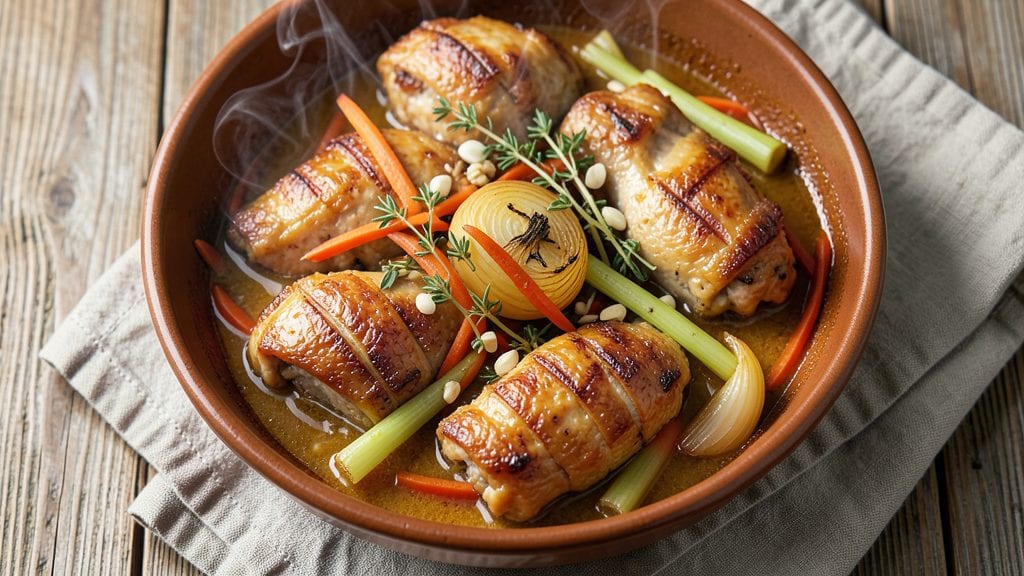
Mastering stewed chicken gizzards transforms humble offal into a dish with deep, savory richness that rivals any restaurant specialty. Growing up in small-town Georgia, I learned how slow-simmered gizzards became the centerpiece of family gatherings—tender, flavorful, and impossible to resist.
The key lies in proper preparation and a well-balanced broth that extracts every ounce of natural goodness from the meat.
This recipe builds on traditional techniques I perfected while apprenticing under Master Chef Chen, where we turned tough cuts into melt-in-your-mouth textures through patience and precision. You'll start with properly cleaned and scored gizzards, then simmer them in aromatic herbs, garlic, and a touch of acidity for balanced depth.
The result is a dish that's equally at home on a weeknight table or a holiday spread.
By the time you finish, you'll have gizzards that are fork-tender and infused with herbal notes, swimming in a velvety broth that clings to every bite. The secret? A slow cook that allows collagen to break down naturally, creating a sauce that's rich without being heavy.
Serve with crusty bread to soak up every last drop of that flavorful liquid gold.
Perfect for feeding a crowd or meal prepping for the week, this recipe delivers restaurant-quality results with minimal effort. The technique scales easily, so you can double or halve the batch to suit your needs. Let's get started on creating a dish that proves offal can be extraordinary.
Ingredients for stewed chicken gizzards
Start with fresh gizzards and aromatic herbs to create a dish that's rich and unforgettable.
| Ingredient | Amount | Notes |
|---|---|---|
| Chicken Gizzards 🍗 | 2 lb | Fresh, cleaned, scored crosswise |
| Yellow Onion 🧅 | 1 whole | Medium size, chopped |
| Carrots 🥕 | 4 whole | Medium size, sliced into rounds |
| Celery Stalk 🌿 | 3 whole | Fresh, chopped into 1-inch pieces |
| Garlic Cloves 🧄 | 6 cloves | Fresh, smashed |
| Fresh Thyme 🌿 | ½ oz | Stems removed, leaves chopped |
| Fresh Rosemary 🌿 | ¼ oz | Needles only, chopped |
| Bay Leaves 🍃 | 2 whole | Dried, standard size |
| Red Wine Vinegar 🍷 | ¼ cup | Bottled, aged |
| Chicken Broth 💧 | 4 cups | Homemade or quality store-bought |
| Olive Oil 🫒 | ¼ cup | Extra-virgin, for searing |
| Salt 🧂 | 1 ½ tsp | Kosher or sea salt |
| Black Peppercorns 🌶️ | 1 tsp | Freshly cracked |
| All-Purpose Flour 🌾 | ½ cup | For dredging gizzards |
The gizzards are the star here. Buy them fresh from a butcher—they should be plump and vibrant, not dried out. I always ask for them cleaned and scored, which saves time and ensures they cook evenly. Local farms or specialty meat counters often have the best quality. If you can't find fresh, frozen works too, but thaw them overnight in the fridge. The herbs—thyme, rosemary, and bay—need to be fresh if possible. Trader Joe's or Whole Foods usually have good-quality bundles. For the broth, homemade is ideal, but Pacific Foods or Swanson brands are solid shortcuts. The vinegar adds brightness, so grab a bottle of aged red wine vinegar from the store's wine section.
No fresh herbs? Dried thyme and rosemary at half the amount will work in a pinch. Short on chicken broth? Vegetable broth with a splash of soy sauce mimics the umami depth. The flour is just for dredging—if you're out, cornstarch works too. For the carrots and celery, baby versions are fine, but regular grocery store stalks work just as well. If you're feeling adventurous, swap the red wine vinegar for lemon juice or apple cider vinegar. The key is balancing acidity with richness, so adjust to taste as you go. The gizzards should be scored crosswise to help them tenderize faster—ask your butcher to do this if they won't.
This dish tastes even better the next day, so make extra. Store leftovers in the fridge for 4-5 days or freeze for 3 months. I like to portion it into containers with the broth so I can reheat just what I need. The broth reduces as it sits, so you might want to add a splash of water or broth when reheating. Serve with crusty bread or over mashed potatoes to soak up all that flavorful liquid. The gizzards will keep their tenderness, and the herbs will infuse the broth with even more depth over time.
Why You'll Love This Recipe
- One-Pot Magic: I swear by this recipe—just toss gizzards, onions, carrots, and celery into one pot with garlic, cover, and walk away. No chopping boards to clean, no extra dishes, and honestly, the smell alone makes my kitchen feel like a cozy potluck.
- Umami Bomb: That crispy, caramelized edge on the gizzards? Chef’s kiss. The onions and garlic deep-fry into sweet, savory perfection while the carrots and celery add a subtle crunch—like a hug from a home-cooked stew that somehow tastes fancy.
- Leftovers I Actually Crave: Between us, I make this twice a week because the flavor improves after sitting overnight. The gizzards get even more tender, and I just reheat with a splash of broth—zero effort, maximum satisfaction. My kids fight over the last bite.
- Budget Game-Changer: Gizzards are the unsung hero of affordable protein, and this recipe turns them into something special without breaking the bank. A pound of gizzards feeds four, and the veggies stretch the meal further—no sad, wilted sides here, just hearty, soul-warming goodness.
Step-by-step instructions for stewed chicken gizzards
Here's how to transform tough gizzards into melt-in-your-mouth perfection with deep herbal flavors.
Prepare the Gizzards for Cooking
Start by scoring the chicken gizzards crosswise in a diamond pattern with a sharp knife. This helps them tenderize faster during cooking. Rinse them thoroughly under cold water and pat completely dry with paper towels—moisture is the enemy of crispy searing.
Place the gizzards in a bowl and season generously with the 1.5 teaspoons salt and 1 teaspoon freshly cracked black peppercorns. Then dredge them lightly in the 0.5 cup all-purpose flour, shaking off any excess. The flour creates a golden crust that locks in moisture and adds texture. Let them sit for 5 minutes before cooking to allow the flour to adhere properly.
Sear the Gizzards for Depth of Flavor
Heat the 0.25 cup olive oil in a large Dutch oven over medium-high heat until shimmering but not smoking. Working in batches if needed, add the gizzards and sear for 3-4 minutes per side until they develop a deep golden-brown crust. Don't crowd the pan—this ensures even browning.
As they sear, you'll smell the flour toasting and the gizzards releasing their natural juices. This step builds the foundation for rich flavor. Once all gizzards are browned, remove them from the pot and set aside on a plate.
Build the Aromatic Base
In the same Dutch oven, reduce the heat to medium and add the chopped 1 whole yellow onion, sliced 4 whole carrots, and chopped 3 whole celery stalks. Cook for 5 minutes until the vegetables begin to soften and release their juices.
Add the 6 smashed garlic cloves, chopped 0.5 ounces fresh thyme, and chopped 0.25 ounces fresh rosemary. Stir everything together and cook for another 2 minutes until the garlic is fragrant and the herbs are slightly wilted. This aromatic base will infuse the gizzards with layers of flavor.
Deglaze and Simmer the Stew
Pour in the 0.25 cup red wine vinegar and scrape up any browned bits from the bottom of the pot with a wooden spoon. These bits are packed with flavor—don't miss them! Let the vinegar simmer for 1-2 minutes until it reduces slightly and the acidity mellows.
Add the 4 cups chicken broth and the 2 whole bay leaves, then return the gizzards to the pot. Bring everything to a gentle simmer over medium-low heat. The liquid should just bubble softly—you're not looking for a rolling boil here. Cover the pot and let it cook for 1 hour, stirring occasionally to prevent sticking.
Finish with Tender Perfection
After 1 hour, check the gizzards for tenderness. They should be fork-tender with no resistance when pierced. If they're not quite there yet, continue simmering uncovered for another 30-45 minutes, adding a splash of water if the liquid reduces too much.
Once tender, remove the bay leaves and adjust the seasoning if needed. The stew should have a rich, herbal aroma with a balance of acidity from the vinegar. Serve the gizzards hot, surrounded by the flavorful vegetables and broth. Each bite should be tender with a satisfying texture and deep, layered flavors.
Pro Tips For Making Stewed Chicken Gizzards
- Trim the Gizzards First: Don’t skip the fibrous membrane—peel it off before cooking or you’ll spend the whole stew chewing. A sharp knife and steady hand make this 2-minute job worth it; I learned this after swallowing a mouthful of rubbery bits.
- Sear Them Hard: High heat for 3–4 minutes until deep brown—this isn’t optional. The Maillard reaction here turns tough gizzards into something tender. I used to rush it, and the result was bland, pale, and still chewy.
- Dice the Onion Fine: No big chunks—slice the onion into 1/4-inch pieces so it melts into the stew instead of sitting as identifiable bits. My grandmother’s trick: Pulse it twice in the food processor for even cooking.
- Deglaze with Liquid: After searing, splash in 1/2 cup of broth or water immediately—this lifts the browned bits off the pan. Skip this, and you’re missing flavor. (Yes, even if you’re impatient like me.)
Flavor customization for this stewed chicken gizzards
Herb Intensity Boost
Double the fresh rosemary to 0.5 ounces for a more pronounced piney aroma, or add 1 sprig fresh sage for an earthy depth. I often use 1 tablespoon chopped parsley at the end for brightness—it adds a fresh contrast to the rich stew.
For a smoky twist, swap ½ teaspoon smoked paprika for half the black peppercorns. 🌿
Spicy Heat Kick
Add 1-2 slices of jalapeño (seeds removed) to the vegetables while building the base for subtle heat. For more fire, stir in 1 teaspoon cayenne pepper when adding the broth. I’ve also used ½ teaspoon chipotle powder for smoky spice—just dissolve it in a splash of broth first. 🌶️
Umami Depth
Boost the savory profile with 2 tablespoons soy sauce or 1 tablespoon Worcestershire sauce when deglazing. For extra richness, add 1 slice of bacon (cooked crispy) to the veggie base and remove before serving. I’ve also used 1 teaspoon fish sauce in a pinch—it’s a secret weapon for umami. 💪
Acidity Balance
Swap the red wine vinegar for lemon juice (same amount) for a brighter tang, or add ½ cup tomato passata to the broth for a slightly sweet contrast. For depth, a splash of balsamic vinegar (2 tablespoons) at the end adds complexity. 🍋
Sweet-Savory Twist
Add 1 tablespoon honey or 1 teaspoon brown sugar to the broth to balance the acidity and caramelize the vegetables slightly. I’ve also used ½ cup diced apples (peeled) in the stew for natural sweetness that pairs beautifully with the herbs. 🍯
Creamy Finish
Stir in 2 tablespoons heavy cream or ¼ cup coconut milk at the end for a velvety texture. For a tangy creaminess, mix 1 tablespoon sour cream with a splash of broth and swirl it in before serving. 🥛
Nutrition facts
Frequently asked questions
How do I properly clean chicken gizzards before cooking?
Rinse gizzards thoroughly under cold water to remove any blood or debris, then pat them completely dry with paper towels. For extra cleanliness, soak them in cold water with a splash of vinegar for 10 minutes before rinsing again. This ensures they're ready for searing without excess moisture.
Can I use frozen chicken gizzards instead of fresh?
Yes, but thaw them properly first! Place frozen gizzards in the refrigerator overnight or use the cold water method (sealed in a bag) for 1-2 hours. Never thaw at room temperature—this can promote bacterial growth. Once thawed, follow the same cleaning and drying steps as fresh gizzards.
Why do my gizzards turn out tough instead of tender?
Tough gizzards usually mean they weren't cooked long enough or weren't scored properly. Always score them crosswise and simmer for at least 1 hour (longer if needed). The key is patience—the collagen needs time to break down. If they're still tough, add 1 cup more broth and simmer uncovered for another 30 minutes.
What's the best way to store leftover stewed gizzards?
Store in an airtight container in the fridge for 4-5 days or freeze for 3 months. The broth will thicken slightly when reheated, so add a splash of water or broth to restore consistency. Reheat gently on the stove or microwave until steaming hot. The flavors actually improve overnight!
Can I make this recipe in a slow cooker?
Sear the gizzards first, then transfer everything to the slow cooker. Cook on low for 6-8 hours or high for 3-4 hours. The slow cooker's gentle heat helps tenderize the gizzards perfectly while keeping the broth flavorful. Just add ½ cup water if the liquid gets too thick during cooking.