
Main Courses
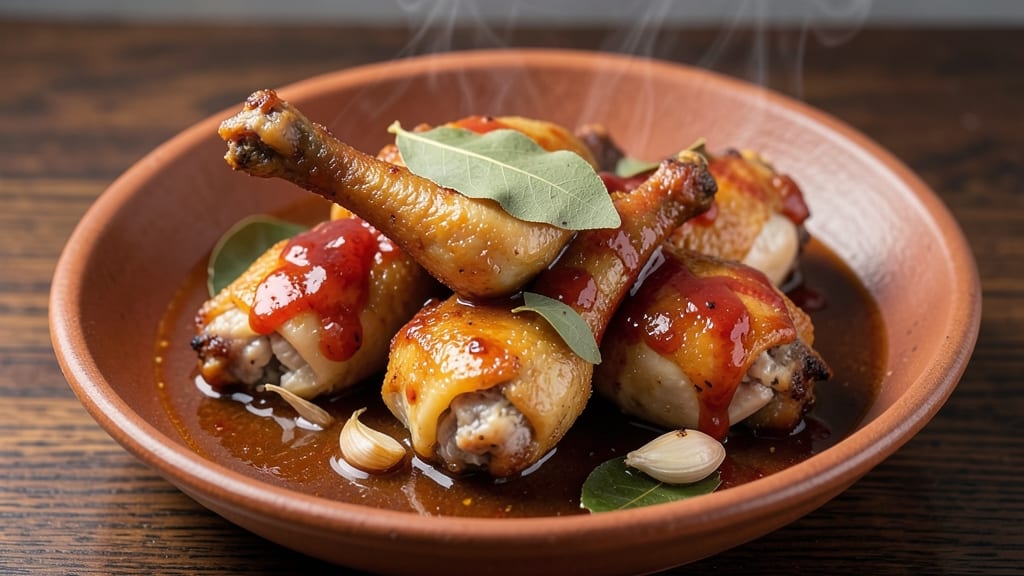
This chicken feet adobo recipe delivers the perfect marriage of crispy, caramelized skin and tender meat bathed in a tangy, savory soy-vinegar glaze—just like your favorite Filipino comfort food. The secret lies in marinating the feet overnight, then slow-braising them until they're fork-tender while developing that signature adobo sauce.
I first tried this during a late-night craving and was stunned by how restaurant-quality it tasted at home.
What sets this recipe apart is the balance of textures—crispy skin that shatters with each bite, contrasted by melt-in-your-mouth meat—paired with a sauce that's both rich and bright. The process requires patience (that overnight marinade is non-negotiable), but the results are worth every minute.
Traditionally, this dish is served with steamed white rice to soak up every last drop of that flavorful sauce.
The cooking method transforms tough chicken feet into a delicacy through careful preparation: parboiling to remove impurities, marinating in soy sauce and vinegar, then slow cooking until the collagen breaks down.
The sauce reduces to a perfect consistency, coating each piece in layers of umami and tang. This isn't just a recipe—it's an experience that brings Filipino home cooking to your table.
Pair it with garlic fried rice or atchara (pickled papaya) for the full meal experience. The crispy skin and tender meat make this dish unforgettable, perfect for special occasions or when you're craving something truly comforting. Let's get cooking!
Ingredients for chicken feet adobo
These ingredients transform tough chicken feet into crispy-skinned, melt-in-your-mouth adobo perfection—rich, tangy, and packed with umami.
| Ingredient | Amount | Notes |
|---|---|---|
| Chicken Feet 🦶 | 2 ½ lb | Fresh or frozen, cleaned thoroughly |
| Coconut Aminos 🥄 | ½ cup | Gluten-free alternative to soy sauce |
| Canola Oil 🫒 | 2 tbsp | For frying chicken feet crispy |
| White Vinegar 🍶 | ½ cup | Distilled preferred for tang |
| Garlic Cloves 🧄 | 8 cloves | Minced for marinade and sauce |
| Bay Leaves 🍃 | 2 whole | Dried, for deep flavor infusion |
| Black Peppercorns 🌶️ | 1 tsp | Crushed for subtle heat |
| Sugar 🍬 | 2 tbsp | Balances acidity in sauce |
| Ground Black Pepper 🌶️ | 1 tsp | Freshly cracked for aroma |
| Salt 🧂 | 1 ½ tsp | Kosher for seasoning |
| Water 💧 | 1 cup | For parboiling chicken feet |
| Green Onions 🧅 | 3 whole | Sliced for garnish |
| Steamed White Rice 🍚 | 2 cups | Serving suggestion (cooked) |
The chicken feet are the star—fresh or high-quality frozen from a trusted Asian market or butcher shop is a must. Look for plump, clean feet with minimal odor (they should smell faintly like chicken, not fishy). Trader Joe's or H Mart carry excellent options, but if you're buying frozen, thaw them overnight in the fridge. The coconut aminos add that signature Filipino depth—brands like Coconut Secret or Laotian Kitchen deliver authentic flavor. Don't skip the parboiling step (10 minutes in boiling water) to remove impurities—it's non-negotiable for tender results. And grab extra bay leaves if you love their aroma; they infuse the sauce with earthy complexity.
No coconut aminos? Soy sauce plus a splash of fish sauce gets you close, though the flavor won't be identical. Vinegar substitutes? Apple cider vinegar works, but distilled white vinegar delivers that sharp tang. Sugar craving a swap? Brown sugar or honey adds caramel notes, but white sugar keeps the sauce bright. The garlic can be pre-minced (for convenience) or freshly chopped (for punch). Pro tip: Toast the garlic in the oil before adding vinegar to deepen its flavor. For extra crispiness, double-fry the feet—first at 325°F to render fat, then crank to 375°F for that golden crunch. And if you're feeling adventurous, add a dash of shrimp paste (bagoong) to the marinade for next-level umami.
This dish tastes even better the next day as flavors meld—portion leftovers into airtight containers with sauce for easy reheating. Keeps 3-4 days refrigerated or 3 months frozen (sauce separates when frozen; stir before reheating). The crispy skin stays perfect if you reheat covered at 300°F until warmed through. For serving, garnish with extra green onions and a drizzle of sauce straight from the pan. Pair with garlic fried rice or atchara to complete the Filipino feast. The sauce reduces further when reheated, so add a splash of water or vinegar if it thickens too much.
Why You'll Love This Recipe
- No-Fuss Simmer: I swear by this recipe because it’s basically hands-off after the initial sear. Toss the chicken feet in oil, add whole garlic cloves and vinegar, then let the coconut aminos work their magic while you stir once—that’s it. The longer it simmers, the richer it gets, and honestly? That’s my kind of cooking.
- Umami Bomb: The combo of coconut aminos and vinegar creates this perfect balance—savory, tangy, with just enough bite. The garlic cloves infuse the oil like a dream, and the feet? Crispy outside, tender inside, with that gelatinous richness that’s oddly satisfying. (Yes, even on a Tuesday night.)
- Party in a Pot: This dish doubles as a snack, side, or main—serve it warm with rice, toss it cold in salads, or let it cool for crispy, crunchy bites. My in-laws request it at gatherings, and my kids grab it straight from the pot. Not the prettiest, but the taste makes up for it every time.
- Budget Magic: Chicken feet are the ultimate budget hack—cheap, protein-packed, and this recipe stretches them further than you’d think. A single batch feeds four, and leftovers reheat like a dream (or get devoured straight from the fridge). I’ll be real: I keep this in my weekly rotation just to save money.
Step-by-step instructions for chicken feet adobo recipe
Transform tough chicken feet into a crispy, flavor-packed delicacy with this umami-rich technique.
Parboil Chicken Feet for Maximum Tenderness
Place the 2.5 lb chicken feet in a large pot and cover with the 1 cup water. Bring to a rolling boil over medium-high heat, then reduce to a gentle simmer for 45-60 minutes. This initial cooking breaks down collagen and connective tissue, transforming tough feet into tender morsels. Skim off any foam that rises to the surface during the first 10 minutes of boiling - this ensures a cleaner flavor in your final dish.
After 45 minutes, check for doneness by piercing a foot with a fork. It should slide in easily with minimal resistance. If they're not quite tender enough, continue simmering for another 10-15 minutes. Drain thoroughly in a colander, reserving ½ cup of the cooking liquid for later use. This parboiling step is absolutely critical - it's what transforms these humble ingredients into something extraordinary.
Create the Umami-Packed Marinade
In a large mixing bowl, combine the 0.5 cup coconut aminos, 0.5 cup white vinegar, 2 tbsp sugar, 1.5 tsp salt, 1 tsp ground black pepper, 8 cloves minced garlic cloves, 2 whole bay leaves, and 1 tsp crushed black peppercorns. Whisk vigorously until the sugar dissolves completely and all ingredients are fully incorporated. The mixture should be smooth with no visible sugar granules remaining - this ensures even flavor distribution.
Add the parboiled chicken feet to the marinade, turning them to coat completely. Cover the bowl and refrigerate for at least 4 hours, preferably overnight. This extended marinating time allows the acidic vinegar and salty coconut aminos to penetrate the meat, creating that signature adobo flavor profile. The longer they marinate, the more intense the flavor will be - don't rush this step if you want maximum umami impact.
Deep-Fry for Irresistible Crispy Skin
Heat the 2 tbsp canola oil in a heavy-bottomed skillet over medium-high heat until it shimmers at 350°F. Arrange the marinated chicken feet in a single layer, being careful not to overcrowd the pan. Fry for 3-4 minutes per side until they develop a deep golden-brown crust that crackles when touched. The oil temperature is crucial here - too low and they'll absorb oil instead of crisping.
As they fry, you'll notice the marinade bubbling and sizzling - this is where all those flavors meld together. Transfer the crispy feet to a paper towel-lined plate to drain excess oil. For best results, work in batches if needed to maintain proper oil temperature. This crispy texture is what makes these chicken feet so irresistibly satisfying - it's worth taking your time to get it right.
Simmer in Flavorful Sauce
Return the fried chicken feet to the empty skillet and reduce heat to medium-low. Add the reserved ½ cup cooking liquid from the parboiling step along with any remaining marinade from the bowl. The liquid should sizzle and bubble as it combines with the crispy feet. Simmer uncovered for 5-7 minutes, allowing the sauce to reduce slightly and coat the chicken feet.
Taste and adjust seasoning if needed - you might want to add a splash more white vinegar for tang or a pinch of salt to enhance the umami. The sauce should be glossy with a balance of sweet, salty, and tangy flavors. This simmering step is where all the components come together into a cohesive, restaurant-quality dish. The residual heat from the pan will help create a beautiful sheen on the sauce.
Serve with Perfectly Steamed Rice
Garnish the chicken feet with sliced 3 whole green onions and serve immediately over 2 cups steamed white rice. The contrast between the crispy exterior and tender interior, combined with the sticky, umami-rich sauce, creates a dining experience that's nothing short of extraordinary. Each bite should deliver that perfect combination of textures and flavors - crispy, tender, sweet, salty, and tangy all in one package.
For an even more impressive presentation, arrange the chicken feet on a platter with the sauce spooned around them. The aroma alone will have your guests anticipating that first bite. This dish is perfect for special occasions or when you want to impress with a unique, flavor-packed centerpiece that's sure to become a crowd-pleaser.
Pro Tips For Making Chicken Feet Adobo
- Blanch First, Then Braise: Skip the direct braise and blanch the chicken feet in boiling water for 10 minutes first—this loosens the skin and connective tissue so the adobo marinade actually penetrates. I used to skip this and ended up with chewy, underseasoned feet every time.
- Don’t Skimp on Vinegar: White vinegar isn’t just flavor—it’s the tenderizer. Use at least ¼ cup per pound of chicken feet, and let them soak in it for 30 minutes before cooking. I learned this the hard way when my first batch turned out rubbery because I halved the amount.
- Sear in Batches: Crowd the pan, and you’ll steam the feet instead of sear them. Work in two batches over medium-high heat with just enough canola oil to coat the bottom—golden brown crust means better flavor, not burnt garlic.
- Crush Garlic Like Mad: Whole cloves won’t infuse—smash them into a paste with a pinch of salt before adding to the oil. Sounds weird, but it works: the flavor melds into the adobo instead of sitting as bitter chunks at the bottom.
Best sauces and condiments for these flavors
Classic Soy-Vinegar Sauce
The signature sauce here is all about that perfect balance of soy-vinegar tang—just like you'd find in traditional Filipino adobo. Start with ½ cup coconut aminos and ½ cup white vinegar (distilled works best) as your base.
Add 2 tbsp sugar to balance the acidity, and 8 minced garlic cloves for that aromatic punch. Simmer this mixture until it reduces to a glossy, syrupy consistency—this is what clings beautifully to the crispy chicken feet. 💫
For extra depth, toss in 2 bay leaves and 1 tsp crushed black peppercorns while simmering. These subtle spices infuse the sauce with earthy complexity without overpowering the main flavors.
The key is patience—let it reduce for 10-15 minutes until it coats the back of a spoon. This sauce is the soul of the dish, so don’t rush it!
Spicy Adobo Twist
If you love heat, amp up the sauce with 1 tbsp chili flakes or 1-2 slices of fresh chili (like siling labuyo). Add them to the simmering sauce and let them infuse for 5 minutes before serving.
For a smoky kick, swap ½ cup of the vinegar for ½ cup soy sauce and add 1 tsp smoked paprika—this gives the sauce a deeper, slightly charred flavor. 🌶️
Pro tip: If you’re using fresh chilies, remove them before serving so they don’t overpower the dish. The spice should enhance, not dominate. For a smoother heat, blend the sauce after simmering—this mellows the chilies while keeping the tang intact.
Sweet and Sticky Glaze
For a richer, more decadent sauce, replace 1 tbsp of the white vinegar with 1 tbsp balsamic vinegar and add 1 tbsp honey or brown sugar to the marinade. This caramelizes beautifully during simmering, creating a glossy, slightly sweet glaze that clings to the chicken feet.
The balsamic adds a subtle fruity depth that pairs perfectly with the umami. 🍯
For an extra touch, finish the sauce with 1 tsp toasted sesame oil just before serving. This adds a nutty aroma and ties all the flavors together. The result is a sauce that’s sticky, sweet, and deeply savory—ideal for dipping or drizzling over the crispy chicken feet.
Creamy Coconut Variation
For a creamy twist, stir ¼ cup coconut milk into the simmering sauce at the very end. This softens the tang slightly while adding a velvety texture. The coconut milk also enhances the natural sweetness of the dish, making it feel more indulgent.
Use full-fat coconut milk for the best creaminess—it won’t curdle like lighter versions. 🥥
Pair this variation with a sprinkle of toasted coconut flakes on top for added texture. The contrast between the crispy chicken feet, creamy sauce, and crunchy coconut flakes makes every bite exciting. This version is especially popular in tropical regions of the Philippines.
Fermented Umami Boost
Take your sauce to the next level by adding 1 tbsp fish sauce (like Red Boat) or 1 tsp shrimp paste (bagoong) to the marinade.
These fermented ingredients add a deep, funky umami that’s characteristic of traditional Filipino cooking. Start with ½ tbsp and adjust to taste—fermented flavors are potent! 💡
For an even more complex sauce, simmer 1 small piece of kombu (dried seaweed) in the sauce for the last 5 minutes. Remove it before serving, but it’ll infuse the sauce with a subtle oceanic depth.
This technique is inspired by Japanese umami-building methods and works beautifully in Filipino dishes.
Nutrition facts
Frequently asked questions
Why do chicken feet need parboiling before marinating?
Parboiling for 45-60 minutes removes impurities and breaks down collagen, making the meat tender. Skipping this step leaves the feet tough and rubbery—no amount of marinating will fix that! The reserved cooking liquid also adds depth to the sauce.
Can I use regular soy sauce instead of coconut aminos?
Yes, but the flavor won't be identical. Coconut aminos (or tamari for gluten-free) provide that signature Filipino sweetness and depth. For a close substitute, mix ½ cup soy sauce + 1 tsp fish sauce—just add extra sugar to balance the acidity. The texture will be slightly different but still delicious.
How do I get the chicken feet extra crispy?
Double-fry them! First at 325°F for 3 minutes to render fat, then increase to 375°F for 2-3 minutes until golden and crackly. Pat them very dry before frying—moisture = soggy skin. Work in batches to maintain oil temperature.
What if the sauce is too thin or too thick?
Too thin? Simmer uncovered for 5-10 more minutes to reduce. Too thick? Add 1 tbsp water or vinegar while simmering. For extra gloss, finish with 1 tsp cornstarch slurry. The sauce should coat the back of a spoon but still be pourable.
Can I make this recipe in a slow cooker?
After parboiling and marinating, place everything in the slow cooker and cook on Low for 4-5 hours. For crispiness, transfer to a skillet and sear at the end. The slow cooker method is perfect for hands-off prep—just skip the deep-frying step.