
Main Courses
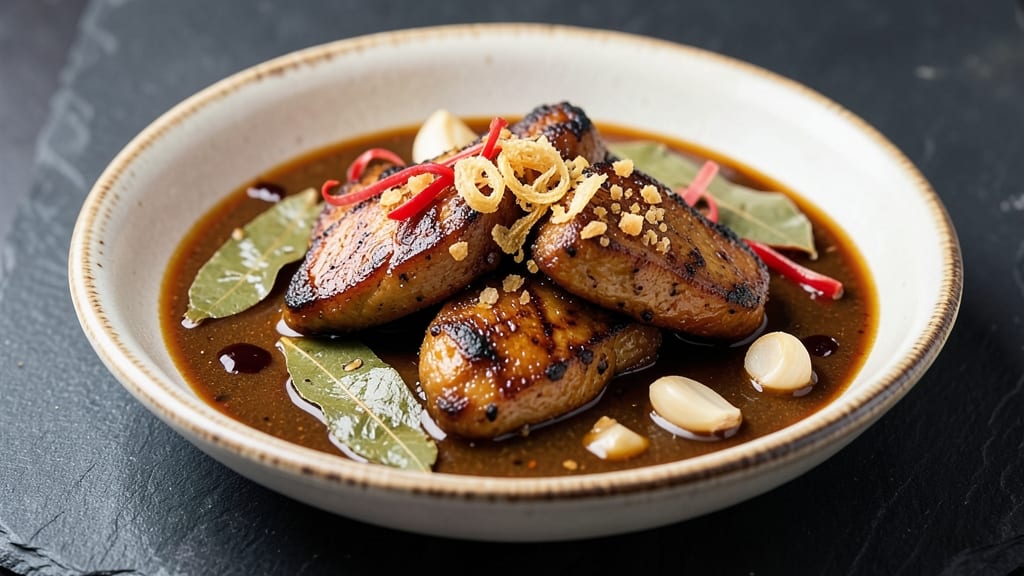
This Filipino-style chicken liver adobo recipe delivers the perfect balance of sour, salty, and savory flavors that define Filipino comfort food. The dish transforms tender chicken livers into a rich, aromatic braise with a glossy soy-vinegar glaze that clings to every bite.
I first discovered this technique during a visit to my grandmother’s kitchen, where she’d slow-cook the livers until they were fall-off-the-bone tender, infused with garlic, bay leaves, and a touch of sugar to round out the acidity.
The beauty of this recipe lies in its simplicity—just a handful of pantry staples transform into a restaurant-worthy dish with minimal effort. Unlike traditional adobo that uses chicken or pork, chicken livers absorb the flavors more intensely, creating a dish that’s both hearty and elegant.
The key is patience: letting the livers simmer until they’re fork-tender while the sauce reduces into a thick, glossy coating.
What you’ll end up with is a dish that’s deeply flavorful yet balanced—bright from the vinegar, rich from the soy, and tender from the slow braising.
The aroma alone will have everyone gathering around the table, and the presentation is just as impressive as the taste: golden-brown livers nestled in a glossy, aromatic sauce. Serve it over steamed rice or with sautéed vegetables for a complete meal.
This recipe is perfect for special occasions or when you want to impress guests with authentic Filipino flavors. The method is foolproof, and the results are consistently delicious—no prior experience with adobo required. Let’s get cooking!
Ingredients for chicken liver adobo
Pantry staples meet Filipino tradition for this deeply flavorful soy-vinegar braise.
| Ingredient | Amount | Notes |
|---|---|---|
| Chicken Livers 🍗 | 1 ½ lb | Fresh, trimmed of connective tissue |
| Coconut Aminos 🥄 | ½ cup | Gluten-free soy substitute preferred |
| White Vinegar 🍶 | ⅓ cup | Distilled or apple cider |
| Garlic Cloves 🧄 | 8 cloves | Minced, fresh preferred |
| Brown Sugar 🍚 | ¼ cup | Light or dark variety |
| Bay Leaves 🌿 | 2 whole | Fresh or dried |
| Black Peppercorns 🌶️ | 1 tsp | Crushed, freshly ground |
| Olive Oil 🫒 | 2 tbsp | Extra-virgin for searing |
| Green Onions 🧅 | 3 whole | Sliced, white and green parts |
| Salt 🧂 | 1 tsp | Kosher or sea salt |
| Water 💧 | 1 cup | For deglazing |
The chicken livers are non-negotiable for authentic texture. Fresh is best—look for vibrant, deep-red livers at your local butcher or specialty market like Whole Foods. Trim any connective tissue or gristle before cooking, as it can make the dish bitter. If you're using frozen livers, thaw them in cold water for about 20 minutes, then pat them completely dry. The garlic should be freshly minced—pre-minced garlic loses its punch quickly. For coconut aminos, brands like Annie Chun's or Soy Vay are widely available and offer that authentic umami without gluten.
No coconut aminos? Regular soy sauce or tamari works in a pinch, though the flavor will be slightly different. Vinegar substitutes like rice vinegar or white wine vinegar can be used, but white vinegar provides the classic tang. If you can't find fresh bay leaves, dried works at half the amount. For a quicker prep, use pre-minced garlic from a jar, though fresh is always better. The brown sugar helps balance the acidity—coconut sugar or white sugar can be swapped in if needed. If you're short on green onions, scallions or chives will do, though they have a milder flavor.
This dish tastes even better the next day as the flavors meld. Store leftovers in an airtight container in the fridge for up to 4 days. For longer storage, freeze the sauce and livers together in a freezer-safe container for up to 3 months. When reheating, add a splash of water or vinegar to prevent the sauce from thickening too much. Serve over steamed rice or with sautéed vegetables to round out the meal—it's that good.
Why You'll Love This Recipe
- Fewer Ingredients, More Impact: I swear by this recipe—just livers, vinegar, garlic, and a splash of coconut aminos. No clutter, no fuss, and the flavors still punch way above their weight. That tangy-sweet balance? It’s the kind of dish that makes you question why you ever bought anything else.
- Caramelized Crunch Magic: The brown sugar and vinegar create this irresistible crust on the livers—crispy edges that shatter, but still tender inside. Honestly, it’s the kind of texture that makes you pause mid-bite, and then immediately grab another fork.
- Weeknight to Potluck Hero: This is my go-to for when I need something fast but still impressive. Toss it in a jar for meal prep, or bring it to a gathering—it’s rich enough to stand alone but versatile enough to pair with rice, toast, or even crusty bread. (Yes, even on a Tuesday night.)
- Budget-Friendly Luxury: Chicken livers are one of the best-kept secrets in affordable protein—cheaper than steak, but just as satisfying. A single panful feeds four, and leftovers reheat like a dream. Between us, this is how I trick myself into eating well without breaking the bank.
Step-by-step instructions for chicken liver adobo
This Filipino-style braise transforms tender chicken livers into rich, caramelized perfection.
Sear the Chicken Livers for Depth of Flavor
Heat the 2 tablespoons olive oil in a large, deep skillet over medium-high heat until shimmering. Working in batches to avoid crowding, add the 1.5 pounds chicken livers and sear for 2-3 minutes per side until they develop a deep golden-brown crust. You'll notice the livers release easily from the pan when properly cooked—this ensures they won't overcook later.
Remove the seared livers with a slotted spoon and set aside. The residual fat in the pan will form the foundation of your sauce, so don't wipe it clean. If the fat becomes too dark or smoky, carefully pour out all but 1 tablespoon to maintain flavor while preventing bitterness.
Build the Adobo Base with Aromatics
In the same skillet, reduce heat to medium and add the 8 cloves minced garlic. Sauté for 30 seconds until fragrant but not browned—garlic burns quickly, and you want to preserve its sweetness. Add the 2 whole bay leaves and 1 teaspoon crushed black peppercorns, stirring for 10 seconds to toast their flavors.
Pour in the 0.5 cup coconut aminos and 0.33 cup white vinegar, scraping up any browned bits from the pan's bottom. These bits, called fond, carry concentrated flavor that dissolves into the sauce. Let the mixture simmer for 2 minutes until slightly reduced and slightly thickened.
Braise with Sugar and Liquid for Caramelized Richness
Add the 0.25 cup brown sugar and 1 teaspoon salt to the skillet, stirring until the sugar dissolves completely. This step creates a subtle sweet-savory balance that's essential to authentic adobo flavor. Pour in the 1 cup water, then return the seared chicken livers to the pan.
Bring the mixture to a gentle simmer, then reduce heat to low. Cover the skillet and let it cook for 15-20 minutes, stirring occasionally. The livers are done when they're fork-tender with no pink remaining in the center. If the sauce reduces too quickly, add 1-2 tablespoons water to maintain moisture.
Finish with Green Onions and Adjust Seasoning
Remove the skillet from heat and stir in the 3 whole sliced green onions. Let them steep in the warm sauce for 2 minutes to soften slightly and infuse flavor. Taste the sauce and adjust seasoning if needed—you may need to add more salt or coconut aminos to balance the acidity from the vinegar.
Serve the chicken liver adobo immediately over steamed rice, allowing the sauce to coat each bite. The dish should have a glossy, caramelized appearance with tender, slightly crisp edges on the livers. For best results, consume within 2 hours while the sauce remains vibrant and flavorful.
Pro Tips For Making Chicken Liver Adobo
- Blanching First: Dump those livers in boiling water for 30 seconds before cooking—this removes the iron-rich blood that makes them bitter. I learned this the hard way after making a batch that tasted more like a chemistry experiment than food.
- Sauté Garlic Low: Cook your garlic cloves in the pan until they’re golden but not crispy—burnt garlic turns bitter and fights with the coconut aminos. If you’re impatient, pull them out a shade early; they’ll keep cooking in the sauce.
- Vinegar Last: Add the white vinegar after the livers are mostly cooked, not at the start—it’ll toughen them up. I used to dump it in early, and the texture suffered. The last 2 minutes of cooking is when it should shine.
- Deglaze Aggressively: After browning the livers, splash in a splash of water or coconut aminos and scrape the pan like you’re trying to win a bet. The fond stuck to the bottom is where the flavor lives, and skipping this step means missing half the taste.
Perfect pairings for this recipe
Rice Pairings
Steamed jasmine rice is the classic pairing—its delicate floral notes complement the dish’s bold flavors without overpowering them. Cook 1 cup jasmine rice with 1.5 cups water for a fluffy base that soaks up the rich adobo sauce beautifully.
For extra authenticity, try Filipino malagkit rice, a slightly sticky variety that’s a staple in Filipino cuisine. 🍚
Vegetable Sides
Sautéed garlic green beans add a crisp, fresh contrast to the rich livers. Toss 1 lb green beans with 2 tablespoons olive oil, 3 minced garlic cloves, and a pinch of salt, cooking for 5-6 minutes until tender-crisp.
Another great option is stir-fried bok choy with a splash of vinegar—its peppery bite cuts through the dish’s richness.
Beverage Pairings
A crisp Filipino lager like San Miguel or Red Horse balances the dish’s acidity and umami perfectly. The light, effervescent beer cleanses your palate between bites.
For wine lovers, a dry Riesling from Germany offers bright acidity that mirrors the vinegar in the sauce, while a Pinot Noir adds earthy depth. 🍷
Garnishes for Presentation
Finish the dish with toasted garlic slices—simmer 4 cloves garlic in 1 tablespoon olive oil until golden, then sprinkle over the top. A drizzle of chili oil adds a subtle kick, and fresh cilantro leaves bring a bright, herbaceous note.
For a touch of luxury, garnish with crispy fried shallots for crunch and visual appeal.
Filipino Staples
Serve with sinigang (Filipino tamarind soup) on the side for a complete meal—its tangy broth contrasts beautifully with the adobo’s richness. Another classic pairing is lumpia (Filipino spring rolls), which adds a crispy, savory element.
For a heartier option, include adobo-spiced rice cakes (puto) to balance the meal’s textures.
Modern Twists
For a contemporary touch, pair the adobo with crispy polenta bites—simmer 1 cup polenta in 4 cups water, shape into small logs, and pan-fry until golden.
The creamy polenta contrasts the dish’s bold flavors while adding a fun texture. A side of pickled vegetables (like radishes or carrots) also adds a refreshing crunch. 🥗
Nutrition facts
Frequently asked questions
Why do chicken livers need to be seared before braising?
Searing creates a flavorful crust that locks in juices and prevents the livers from becoming rubbery during braising. The caramelized exterior also adds depth to the sauce, making the final dish richer.
Can I substitute coconut aminos with regular soy sauce?
Yes, but expect a slightly different flavor profile. Coconut aminos provide a more balanced sweet-savory taste, while regular soy sauce will be saltier and less complex. Use the same amount for best results.
How do I know when chicken livers are fully cooked?
They should be fork-tender with no pink center. Overcooking turns them dry, so aim for 15-20 minutes of braising time. The internal temperature should reach 165°F when checked with a meat thermometer.
What if my sauce turns out too thin?
Simmer uncovered for 5-10 minutes longer to reduce it. If needed, remove the livers and reduce the sauce separately, then return them to coat. Avoid adding cornstarch unless absolutely necessary—it can make the sauce taste artificial.
Can I make this recipe ahead of time?
Yes! The flavors improve overnight. Store in an airtight container for up to 4 days in the fridge. Reheat gently on low heat, adding a splash of water or vinegar to maintain sauce consistency.