
Soups & Stews
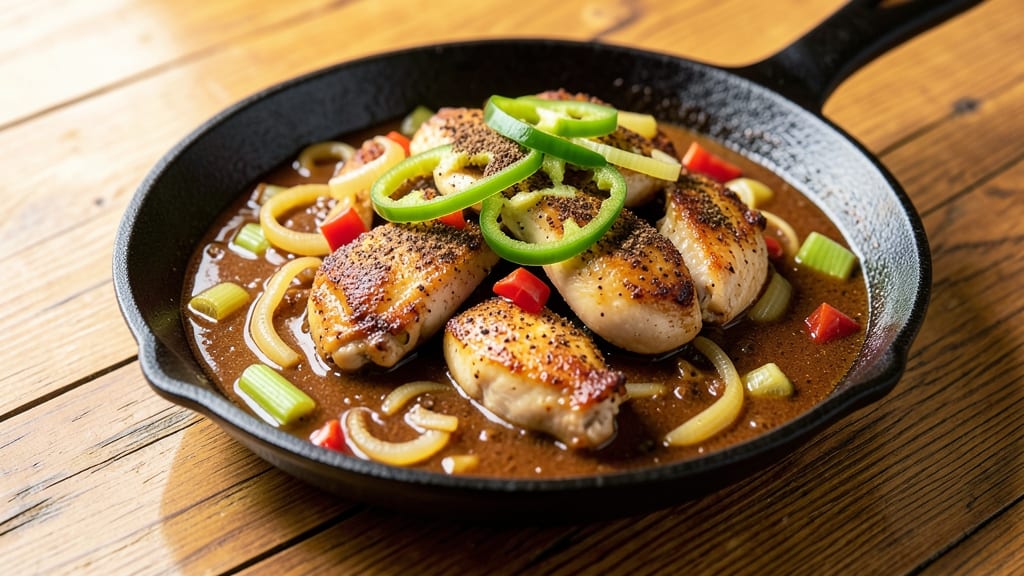
Mastering a traditional chicken gumbo means building flavor from the ground up—starting with that rich, dark roux that takes patience and precision.
Growing up in small-town Georgia, I learned that a proper gumbo isn’t just a soup; it’s a celebration of technique, where every step—from the trinity to the filé powder—matters.
The key lies in the roux, cooked low and slow until it reaches that deep mahogany color, where sugar caramelizes and releases layers of complexity that no shortcut can replicate.
This recipe delivers the authentic Louisiana experience: tender chicken simmered in a velvety broth thickened with okra or filé powder, packed with the holy trinity of onion, celery, and bell pepper, and finished with tomatoes and spices that create a symphony of flavors.
What sets this apart is the balance—smoky, savory, slightly sweet, and just enough heat to linger. It’s the kind of dish that tastes better the next day as flavors meld, making it perfect for feeding a crowd or savoring a bowl on a chilly evening.
The process requires attention, but the result is worth every minute: a rich, hearty gumbo where each spoonful delivers layers of texture and depth. The dark roux forms the foundation, while the chicken becomes fork-tender, absorbing the aromatic broth.
Served over fluffy white rice and garnished with green onions and hot sauce, this is gumbo as it should be—bold, comforting, and impossible to resist.
Whether you're recreating a family tradition or introducing someone to Southern comfort food, this recipe stays true to its roots while delivering restaurant-quality results at home. Let’s get started on creating a gumbo that honors its heritage.
Ingredients for traditional chicken gumbo
Sixteen ingredients to build a gumbo with layers of flavor and tradition.
| Ingredient | Amount | Notes |
|---|---|---|
| Chicken Thighs 🍗 | 2 ½ lb | Bone-in, skin-on preferred |
| All-Purpose Flour 🌾 | 1 ½ cups | White flour for roux |
| Unsalted Butter 🧈 | ¾ cup | Cold, cut into tablespoons |
| Yellow Onions 🧅 | 2 whole | Medium size, diced |
| Celery Stalk 🧄 | 3 whole | Fresh, chopped |
| Green Bell Pepper 🌶️ | 1 whole | Medium size, diced |
| Canned Diced Tomatoes 🍅 | 1 can | 14.5 oz, undrained |
| Chicken Broth 💧 | 4 cups | Low-sodium preferred |
| Dark Roux Seasoning 🌶️ | 2 tbsp | Or substitute filé powder |
| Bay Leaves 🌿 | 2 whole | Fresh preferred |
| Dried Thyme 🍃 | 1 tsp | Or 1 tbsp fresh |
| Garlic Cloves 🧄 | 4 cloves | Minced for flavor |
| Salt 🧂 | 1 ½ tsp | Adjust to taste |
| Black Pepper 🌶️ | ½ tsp | Freshly ground |
| Green Onions 🧅 | ¼ cup | Chopped for garnish |
The roux is where gumbo magic happens. All-purpose flour and cold butter create the perfect foundation—never rush this step. Whole Foods or local Southern markets often carry high-quality flour for roux, but any white flour works. The butter should be cut into tablespoons for even distribution. For the trinity (onions, celery, bell pepper), fresh is non-negotiable—frozen or canned loses that essential brightness. Buy organic if possible, but even conventional works if it's crisp and vibrant. The chicken thighs are key: bone-in, skin-on stays juicier, but boneless works in a pinch. Costco or local butchers often have great deals on family packs.
No filé powder? Dried okra at 1 tbsp works just as well—it thickens while adding earthy depth. Running short on thyme? Dried oregano at half the amount brings similar warmth. The canned tomatoes should be San Marzano if available, but any good-quality brand is fine. For the broth, low-sodium is critical—you'll add plenty of salt later. The green onions can be swapped for scallions, but regular onions won't cut it. Prefer a smokier flavor? Add 1 tbsp smoked paprika to the roux. The dark roux seasoning? Tony Chachere's is the gold standard, but any quality gumbo seasoning works.
This gumbo tastes even better the next day—4-5 days in the fridge, 3 months frozen. Store in airtight containers with a layer of fat on top to preserve freshness. For serving, keep the rice in a separate pot—gumbo gets gummy when reheated with rice. Portion into meal prep containers for easy lunches. The roux can be made ahead and refrigerated for 1 week, but it's best used fresh for peak flavor. Freeze extras in ice cube trays for quick roux boosts later.
Why You'll Love This Recipe
- Here’s what sold me: the butter and flour toasted until nutty-brown, then deglazed with onions and celery. That rich, caramelized base turns ordinary chicken into something deeply satisfying. (Yes, even on a Tuesday night.)
- One-Pot Magic: I swear by this recipe—just brown the chicken thighs, dump in the roux (butter + flour), and let it simmer. No chopping vegetables into oblivion, no extra pans. That golden roux does all the work while you stir once, maybe twice.
- Roux Revelation: Here’s what sold me: the butter and flour toasted until nutty-brown, then deglazed with onions and celery. That rich, caramelized base turns ordinary chicken into something deeply satisfying. (Yes, even on a Tuesday night.)
- Leftovers That Win: This gumbo actually tastes better the next day—flavors meld like old friends. I make a double batch on Sundays, freeze half, and pull it out for lazy weeknights. No sad, dry reheats here.
Step-by-step instructions for traditional chicken gumbo
Master this classic method for rich, flavorful gumbo with a perfect dark roux foundation.
Prepare the Chicken and Create the Dark Roux
Pat the 2.5 lb chicken thighs dry with paper towels and season generously with 1.5 tsp salt and 0.5 tsp black pepper. Set aside. In a heavy-bottomed Dutch oven, melt the 0.75 cup unsalted butter over medium-low heat. Gradually whisk in the 1.5 cups all-purpose flour to form a smooth paste.
Cook the roux for 45-60 minutes, stirring constantly with a wooden spoon. The color will progress from peanut butter brown to deep chocolate brown—this is your signal the roux is ready. Watch carefully as it can burn quickly once it reaches this stage. The roux should smell nutty and rich, with a thick, paste-like consistency that coats the back of a spoon.
Sauté the Holy Trinity and Develop the Base
Reduce heat to medium and add the diced 2 whole yellow onions, chopped 3 whole celery stalks, and diced 1 whole green bell pepper. Cook for 8-10 minutes until the vegetables soften and release their moisture. Stir frequently to prevent burning while building flavor.
Add the minced 4 cloves garlic and cook for 1 minute until fragrant. Stir in the 2 tbsp dark roux seasoning, 1 tsp dried thyme, and 2 whole bay leaves. Pour in the 1 can canned diced tomatoes (undrained) and cook for 5 minutes to blend flavors. This step forms the aromatic foundation of your gumbo.
Simmer the Gumbo and Build Depth
Add the 4 cups chicken broth and bring to a gentle simmer. Return the seasoned chicken thighs to the pot, skin-side up. Cover partially and simmer for 45 minutes on low heat. This slow cook ensures the chicken becomes fork-tender while the flavors meld beautifully.
After 45 minutes, carefully remove the chicken thighs and shred the meat, discarding bones and skin. Return the shredded chicken to the pot. Taste the broth and adjust seasoning with additional salt or black pepper if needed. The gumbo should be rich but balanced, with the dark roux providing that signature depth.
Finish and Serve with Fresh Garnish
Simmer the gumbo uncovered for 15-20 minutes to allow excess moisture to evaporate and thicken the sauce slightly. The consistency should coat the back of a spoon but still be saucy enough to coat the chicken. If it thickens too much, whisk in 1-2 tablespoons of water to reach your desired texture.
Remove the 2 whole bay leaves before serving. Ladle the gumbo into bowls and garnish each serving with 0.25 cup chopped green onions. Serve immediately with hot rice or crusty bread to soak up every last drop of this traditional, flavorful masterpiece.
Pro Tips For Making Traditional Chicken Gumbo
- CRISP THE THIGHS FIRST: Pat the chicken thighs bone-dry—no wet paper towels, just a clean kitchen towel—and sear them skin-side down in butter until golden brown before removing. I learned this the hard way: skipping this step means you’re left with pale, rubbery chicken that won’t hold up in the roux or gumbo. The crust locks in moisture and adds depth of flavor, so don’t rush it—even if you’re impatient like me.
- SWEEP THE POT: After browning the chicken, use a wooden spoon to scrape up all the browned bits from the pot before adding the roux. Those bits are flavor gold—think of them as free umami. I used to ignore them, and the gumbo never tasted as rich as my neighbor’s. Spend 30 seconds here, and your gumbo will thank you.
- DON’T SKIP THE SWEAT: When cooking the onions and celery, sweat them low and slow until they’re translucent but not browned—about 8-10 minutes. Browning them turns bitter, and that’s the last thing you want in a gumbo. My grandmother swore by this, and she was right: soft, sweet veggies build the base without overpowering.
- UPGRADE THE ROUX: Use a mix of butter and oil (like 50/50) for the roux—it’s more stable and less likely to burn. Pure butter can scorch too fast, and a burnt roux ruins everything. I was skeptical until I tried it: the roux develops a deeper, nuttier flavor without the risk of bitterness. Trust the process—your future self will thank you.
Essential equipment for this dish
Heavy-Duty Dutch Oven
Your gumbo pot needs to handle the 45-60 minutes of roux cooking without burning. I swear by a 5.5-quart Lodge cast iron Dutch oven—it distributes heat evenly and retains it beautifully. If you don’t have cast iron, a Le Creuset enameled Dutch oven works too.
Avoid thin aluminum pots; they can’t handle the low-and-slow cooking required for that perfect dark roux. My vintage 1950s Lodge has made hundreds of gumbo batches and still looks brand new. 🔥
Wooden Spoon
Stirring that roux is non-negotiable—you need a wooden spoon that’s at least 12 inches long to reach the bottom without scraping. I use a maple-handled spoon from my collection because it’s sturdy and won’t melt. Avoid plastic or metal spoons; they conduct heat differently and can cause hot spots.
A $10 wooden spoon from a Southern specialty store works just as well as a fancy one. Pro tip: Keep a backup spoon nearby—roux can burn fast if you step away!
Fine-Mesh Strainer
If you’re using filé powder instead of okra, you’ll need a fine-mesh strainer to sift it into the gumbo. I recommend a stainless steel strainer with holes no larger than 0.02 inches—this ensures even distribution and prevents clumping.
A Mesh King strainer is my go-to; it’s durable and won’t rust. For okra, skip the strainer and just chop it finely before adding it to the pot. 💫
Kitchen Timer
Watching that roux is like babysitting a toddler—it can go from perfect to burnt in seconds. A digital kitchen timer with a loud alarm is a must. I use a OXO Good Grips timer because it’s easy to read and has a bright display.
Set it for 15-minute intervals so you don’t get distracted. If you’re multitasking, this is your lifeline. Never trust your phone’s timer; you need something that won’t go unnoticed when the roux hits its peak. ⏰
Measuring Spoons
Precision matters, especially with spices like thyme and dark roux seasoning. A set of stainless steel measuring spoons with clear markings is essential. I prefer OXO Good Grips because they’re easy to read and won’t bend.
For the roux, you’ll need 1/4-cup and 1-tablespoon measures—these are the most critical for balancing flavor. Avoid plastic spoons; they can warp from heat and give inaccurate measurements. Keep your spoons clean and dry to prevent rust.
Ladle for Serving
Serving gumbo is an art—you want to ladle it over rice without spilling. A heat-resistant silicone ladle or a stainless steel serving spoon with a long handle works best. I use a 1-cup capacity ladle to ensure generous portions.
Avoid wooden ladles; they can absorb flavors and become soggy. For large gatherings, grab a second ladle so you can serve multiple bowls at once. Garnish with green onions right at the table for that restaurant-quality touch. 🌿
Nutrition facts
Frequently asked questions
Why does the roux need to be so dark for authentic gumbo?
A dark roux (chocolate brown) develops deep, nutty flavors through caramelization that light roux can't match. This step creates the signature richness and complexity in traditional gumbo. The long cooking time allows the flour's sugars to break down, creating layers of flavor that form the dish's foundation.
Can I substitute filé powder with okra?
Yes! Use 1 tablespoon dried okra per serving instead of filé powder. Chop it finely and add it during the last 15 minutes of cooking. Okra thickens the gumbo while adding an earthy flavor. Just don't overcook it or it'll turn mushy.
How do I prevent the roux from burning?
Keep heat at medium-low and stir constantly with a wooden spoon. Never walk away! Use a kitchen timer for 15-minute intervals to stay focused. If it starts smoking, immediately reduce heat and keep stirring until it cools slightly. Patience is key - this is where gumbo magic happens.
What's the best way to serve traditional gumbo?
Always serve gumbo over hot white rice in individual bowls. Garnish with fresh green onions and offer hot sauce on the side. For authenticity, serve with crusty bread to soak up the rich broth. The rice should be cooked separately and added right before serving to maintain texture.
Can I make gumbo ahead of time?
Gumbo tastes even better the next day. Store in an airtight container in the fridge for 4-5 days or freeze for 3 months. Reheat gently on the stove, adding a splash of broth if needed. The flavors deepen as they meld overnight. Just don't add rice until reheating.