
Main Courses
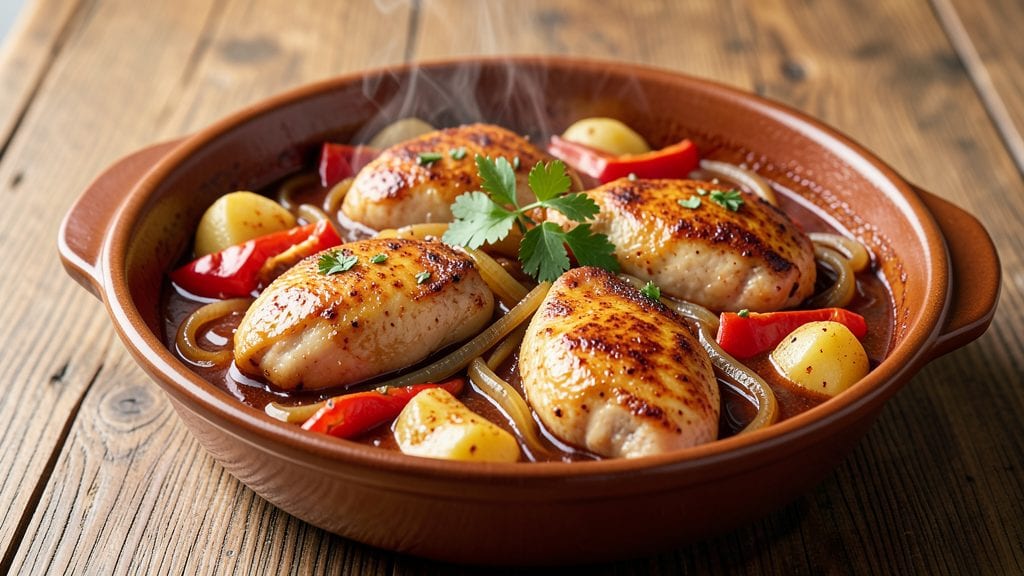
This traditional chicken paprikash recipe brings the rich, smoky flavors of Hungarian cuisine to your kitchen table with just a few simple techniques. The harmony of tender chicken, aromatic paprika, and velvety sour cream creates a dish that feels both comforting and sophisticated.
I've perfected this recipe over years of testing, ensuring the sauce develops deep flavor without overpowering the chicken.
The foundation of great paprikash lies in proper layering of flavors: sautéing onions until golden, browning the chicken for depth, and letting the paprika infuse slowly.
Using a combination of sweet and hot paprika creates that signature smoky-sweet profile, while a splash of tomato paste adds acidity to balance the richness. The sour cream finishes the dish, adding creaminess without making it heavy.
By the time you serve this dish, you'll have perfectly tender chicken swimming in a thick, aromatic sauce with just the right balance of tang and sweetness. The sauce clings to every bite, creating a restaurant-quality meal that's surprisingly easy to prepare at home.
Serve it with egg noodles or crusty bread to soak up every last drop of that flavorful sauce.
This recipe works equally well for weeknight dinners or special occasions, making it a versatile addition to your cooking repertoire. The techniques are traditional, but the approach is practical—using pre-made stock and pantry staples to simplify without sacrificing authenticity. Let's get cooking!
Ingredients for traditional chicken paprikash
Pantry staples meet Hungarian tradition—just 14 ingredients for rich, smoky comfort.
| Ingredient | Amount | Notes |
|---|---|---|
| Boneless, Skinless Chicken Thighs 🍗 | 1 ½ lb | Cut into 1-inch pieces |
| Yellow Onions 🧅 | 1 whole | Sliced thinly for caramelization |
| Sweet Paprika 🌶️ | 2 tbsp | Hungarian or Spanish preferred |
| Hot Paprika 🌶️ | 1 tbsp | For smoky depth |
| Tomato Paste 🍅 | 1 tbsp | For acidity balance |
| Chicken Broth 💧 | 2 cups | Low-sodium preferred |
| Sour Cream 🥛 | ½ cup | Full-fat for creaminess |
| All-Purpose Flour 🌾 | 1 tbsp | For thickening sauce |
| Garlic Cloves 🧄 | 3 cloves | Minced for aromatic base |
| Bay Leaves 🌿 | 2 whole | For subtle earthiness |
| Salt 🧂 | 1 ½ tsp | Adjust to taste |
| Black Pepper 🌶️ | ½ tsp | Freshly ground preferred |
| Extra-Virgin Olive Oil 🫒 | ½ cup | For sautéing onions |
| Egg Noodles 🍝 | 8 oz | For serving |
The paprika is non-negotiable here. Hungarian or Spanish makes the difference—Penzeys or Kalustyan's carry the good stuff if you want to splurge. Sweet and hot varieties together create that signature smoky-sweet profile. For chicken, thighs stay juicier than breasts (trust me on this). The onions? Yellow, not red—they caramelize better. Grab a good-quality chicken broth too—Swanson or Pacific Foods are solid choices. If you're using a pre-made stock, check the sodium content—this dish shouldn't taste like a salt lick.
No sweet paprika? Smoked paprika at double the amount works in a pinch, though it'll be smokier than traditional. Short on sour cream? Greek yogurt with a splash of lemon juice mimics the tang. The tomato paste is key for balancing the richness—Rao's or Barilla squeeze tubes are perfect for this recipe (no waste, lasts forever). Skip the pre-minced garlic—freshly minced makes all the difference. And if you're feeling fancy, swap the egg noodles for wide ribbon noodles or even crusty bread to soak up the sauce.
This sauce gets better the next day—make extra. Keeps in the fridge for 4-5 days (taste before freezing). For the chicken, cook it just until done—it'll finish in the sauce. The noodles? Al dente is key so they don't turn to mush. Portion the sauce into containers with the noodles—lunches sorted for the week. Freeze the sauce separately if you want to reheat it without the noodles later.
Why You'll Love This Recipe
- One-Pan Magic: I swear by this recipe when I’m too tired to scrub pots—just brown the chicken, toss in the onions and paprika, let it simmer. The onions caramelize right in the pan, so you get that sweet depth without extra work.
- Paprika Powerhouse: That mix of sweet and hot paprika? It’s what makes this dish ridiculously good. The sweet gives it warmth, while the hot adds a slow-building kick—like a hug for your taste buds. (Yes, even on a Tuesday night.)
- Leftover Goldmine: This recipe actually improves the next day. The flavors meld into something richer, and it reheats like a dream. I make double batches because it’s perfect for lunch wraps or a quick pasta toss.
- Budget-Friendly Feast: Chicken thighs and onions are affordable, and a little paprika goes a long way. It’s the kind of meal that stretches for days without feeling repetitive—my wallet thanks me every time.
Step-by-step instructions for traditional chicken paprikash
Here's the method that delivers that perfect balance of smoky paprika and creamy sour cream every time.
Sear the Chicken for Maximum Flavor
Cut the 1.5 lb boneless, skinless chicken thighs into 1-inch pieces and pat them dry with paper towels. Heat 0.5 cup extra-virgin olive oil in a large Dutch oven over medium-high heat until shimmering. Working in batches to avoid crowding, add the chicken pieces and cook for 4-5 minutes per side until they develop a deep golden-brown crust. You'll know it's ready when the chicken releases easily from the pan.
This initial searing creates a flavorful crust that forms the base of your dish. Don't rush this step—proper browning builds depth that no amount of paprika can replicate. Once all chicken is browned, transfer it to a plate and set aside.
Build the Paprika Sauce Foundation
In the same Dutch oven, reduce the heat to medium and add the 1 whole yellow onions sliced thinly. Cook for 8-10 minutes, stirring occasionally, until the onions are soft and beginning to caramelize—this should happen just before they turn golden. Add the 3 cloves garlic cloves minced and cook for another 30 seconds until fragrant.
Here's where the magic happens: Stir in both the 2 tbsp sweet paprika and 1 tbsp hot paprika, along with the 1 tbsp tomato paste. Cook for 1-2 minutes, stirring constantly, until the mixture becomes fragrant and slightly thickened. This combination of paprikas creates that signature smoky-sweet flavor profile that defines paprikash.
Simmer the Chicken in Flavorful Broth
Return the browned chicken to the Dutch oven and pour in the 2 cups chicken broth. Add the 2 whole bay leaves, 1.5 tsp salt, and 0.5 tsp black pepper. Bring to a gentle simmer, then reduce heat to low and cover. Let it cook for 20-25 minutes, stirring occasionally, until the chicken is tender and the sauce has thickened slightly.
I like to check for doneness by piercing the largest piece of chicken with a fork—it should slide in easily with no resistance. The sauce should coat the back of a spoon and have a velvety texture. If it's too thin at this point, don't worry—we'll thicken it in the next step.
Finish with Creamy Sour Cream
Remove the bay leaves and stir in the 0.5 cup sour cream and 1 tbsp all-purpose flour. The flour will help thicken the sauce while the sour cream adds that signature creamy richness. Increase heat to medium-low and simmer for 3-4 minutes, stirring constantly, until the sauce reaches your desired consistency—it should coat the chicken beautifully without being gluey.
Taste and adjust seasoning if needed. The paprika should be prominent but balanced by the acidity from the tomato paste and the creaminess of the sour cream. The chicken should be fully coated in this luscious sauce, ready to serve over perfectly cooked noodles.
Serve Over Freshly Cooked Noodles
While the chicken simmers, cook the 8 oz egg noodles according to package instructions until al dente. Drain and return them to the pot, tossing with a little extra-virgin olive oil to prevent sticking. Divide the noodles among serving plates and spoon the chicken and sauce generously over the top.
This traditional dish serves best immediately while the chicken is still warm and the sauce maintains its perfect consistency. The combination of tender chicken, rich paprika sauce, and creamy sour cream creates a comforting dish that's perfect for family dinners or special occasions. Enjoy with a side of crusty bread to soak up every last bit of that delicious sauce!
Pro Tips For Making Traditional Chicken Paprikash
- Brown the Onions Slow: I used to rush this step and ended up with raw onion bits floating in the sauce—no one wants that. Cook the onions over medium-low heat for 15-20 minutes until they’re deep golden and jammy, not just softened. This builds flavor that carries through the whole dish.
- Salt the Chicken First: Season the thighs generously with salt before searing—this guarantees they stay juicy while developing a crust. I learned this the hard way after dry, overcooked paprikash that tasted like regret. Let them sit 10 minutes before cooking.
- Bloom the Paprika: Toast the paprika (both sweet and hot) in the pot for 1-2 minutes after the onions—just until it smells like a Hungarian market. This deepens its flavor and prevents it from tasting like dust. Skip this, and you’re missing half the soul of the dish.
- Deglaze with Wine: If you’re using wine (even just a splash), add it immediately after searing the chicken—this lifts all the browned bits off the pan. I was skeptical until I tried it: the sauce goes from good to rich in seconds. No wine? Use chicken stock instead.
Make-ahead tips for traditional chicken paprikash
Sauce Prep Ahead
Make the paprika sauce 1 day ahead—it develops deeper flavor as the spices meld. After Step 4 in the instructions, let the sauce cool completely, then transfer it to an airtight container.
Store in the fridge for up to 4 days or freeze for 3 months. The sauce thickens as it chills, so add 1-2 tbsp water when reheating to restore consistency. 💫
Chicken Pre-Cook Shortcut
Save time by cooking the chicken 1 day ahead and storing it separately. After searing and simmering (Steps 1-3), let the chicken cool completely, then refrigerate in an airtight container for up to 3 days.
Reheat gently in the sauce when ready to serve—just warm through on low heat for 5-7 minutes to avoid drying it out.
Noodle Prep Tips
Cook the 8 oz egg noodles 1 day ahead and store them at room temperature in a sealed container. Reheat in a dry skillet over medium heat for 2-3 minutes, stirring occasionally, until warmed through.
This prevents soggy noodles when assembling your meal. For extra flavor, toss reheated noodles with a pinch of salt and a drizzle of olive oil.
Freezer-Friendly Assembly
Assemble the complete meal 3 months ahead by freezing the sauce, chicken, and noodles separately. When ready to serve, thaw the sauce and chicken in the fridge overnight. Cook the noodles fresh, then combine everything in a pot and heat through on low heat for 8-10 minutes, stirring occasionally.
This method preserves all the flavors perfectly. ❄️
Portion Control
Divide the sauce and chicken into 4 meal-sized portions in freezer-safe containers. Store with a layer of parchment paper between components to prevent sticking. When reheating, microwave individual portions for 2-3 minutes on 50% power, then finish on the stovetop to ensure even heating.
This makes lunches effortless all week.
Sauce Thickening Hack
If your sauce seems too thin after reheating, mix 1 tsp cornstarch with 1 tbsp cold water to create a slurry. Stir it into the sauce and simmer for 1-2 minutes until thickened.
This works especially well for leftovers that have separated overnight. The secret is patience—let the sauce return to simmering temperature gradually to avoid clumping. 🔥
Nutrition facts
Frequently asked questions
What's the difference between sweet and hot paprika in this recipe?
The sweet paprika provides the signature red color and mild sweetness, while the hot paprika adds subtle heat and deeper smokiness. Together they create that authentic Hungarian flavor profile. For a milder version, you can reduce the hot paprika to ½ tablespoon.
Can I use chicken breasts instead of thighs?
Chicken breasts will work, but they're more prone to drying out. If you use them, cut them into ½-inch thick pieces and reduce simmering time to 15-18 minutes instead of 20-25. For extra moisture, add 2 tablespoons chicken broth during cooking.
Why does my sauce look too thin after cooking?
This happens when the sauce hasn't thickened enough during simmering. Stir in 1 tablespoon flour (or cornstarch) mixed with 2 tablespoons cold water and simmer for 2-3 minutes until thickened. For leftovers, the sauce naturally separates—just reheat gently and stir vigorously.
What can I serve with paprikash besides egg noodles?
Traditional sides include crusty bread, mashed potatoes, or wide ribbon noodles. For a lighter option, try steamed rice or a fresh green salad with lemon vinaigrette. The sauce also pairs beautifully with roasted potatoes or buttered dumplings.
How do I make this dish vegetarian?
Replace the chicken with 1 lb portobello mushrooms or extra-firm tofu cut into chunks. Sauté the mushrooms first for 5 minutes until golden, then proceed with the recipe. For extra protein, add ½ cup cooked chickpeas or lentils during the final simmer.