
Main Courses
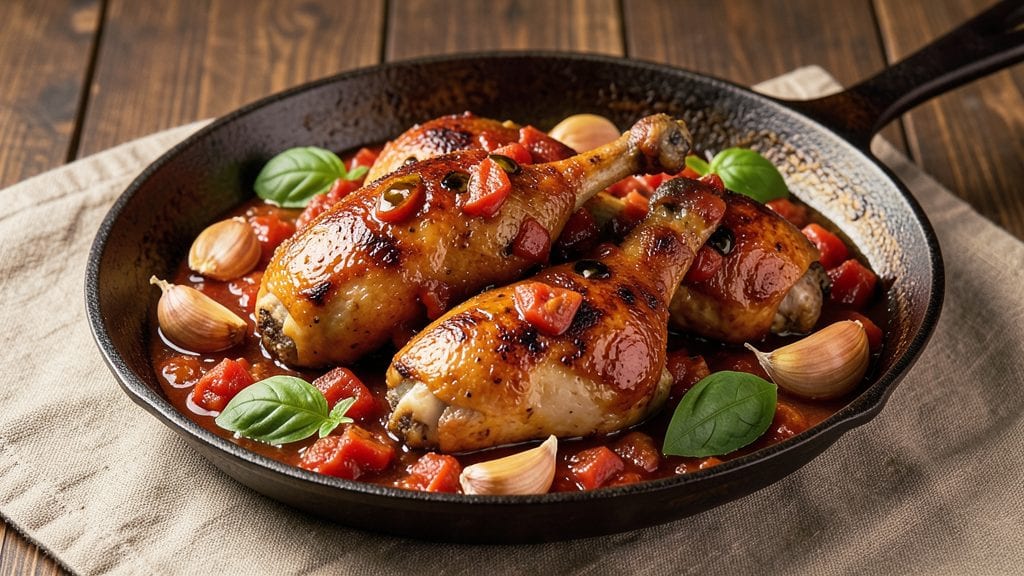
Rao's chicken cacciatore recipe delivers the kind of tomato-braised Italian comfort that feels like a hug in a pot. The secret lies in slow simmering—chicken thighs develop tender perfection while the wine and tomatoes reduce into a rich, velvety sauce that clings to every bite.
I’ve perfected this one-pot technique over years of testing, ensuring the flavors meld without requiring hours at the stove.
What sets this dish apart is Rao’s signature approach: wine reduction that deepens the sauce’s complexity and herbs that infuse without overpowering. The chicken stays juicy, the tomatoes caramelize into sweetness, and the garlic and basil create an aromatic balance that’s both rustic and refined.
It’s the kind of meal that tastes even better the next day, making it ideal for meal prep or a Sunday supper.
By the time you’re done, you’ll have a restaurant-quality cacciatore with tender chicken swimming in a glossy, herby tomato sauce. Serve it over polenta for heartiness or with crusty bread to soak up every last drop.
The sauce’s depth and the chicken’s tenderness make this dish a standout—simple enough for weeknights but impressive enough for guests.
This recipe builds on Rao’s authentic techniques while adapting them for home cooks. The key is patience—letting the wine and tomatoes simmer until thick and flavorful. Once you taste the result, you’ll understand why this dish has become a classic. Let’s get cooking!
Ingredients for rao's chicken cacciatore
Pantry staples plus a few key ingredients for Rao's iconic tomato-braised chicken.
| Ingredient | Amount | Notes |
|---|---|---|
| Chicken Thighs, Bone-In 🍗 | 1 ½ lb | Skin-on preferred for flavor |
| Extra-Virgin Olive Oil 🫒 | ½ cup | High quality, fruity variety |
| Canned Crushed Tomatoes 🍅 | 28 oz | San Marzano if available |
| Red Wine 🍷 | 1 cup | Bold, dry variety like Cabernet |
| Chicken Broth 💧 | 1 cup | Low-sodium preferred |
| Garlic Cloves 🧄 | 6 cloves | Peeled, thinly sliced |
| Fresh Basil Leaves 🌿 | ½ cup | Packed, stems removed |
| Fresh Rosemary 🌿 | ¼ cup | Chopped, fresh preferred |
| Salt 🧂 | 1 ½ tsp | Kosher or sea salt |
| Ground Black Pepper 🌶️ | ½ tsp | Freshly cracked preferred |
| Tomato Paste 🍅 | 1 tbsp | Squeeze tube or canned |
| Red Pepper Flakes 🌶️ | ½ tsp | Optional for heat |
| Dried Oregano 🍃 | 1 tsp | Mexican oregano if available |
The chicken thighs are non-negotiable here—bone-in, skin-on for maximum flavor. Trader Joe's or Whole Foods usually carry the best quality, but any grocery store will have them. Look for thighs with good marbling and vibrant color. The crushed tomatoes should be San Marzano if you can find them—they're sweeter and less acidic, which makes this sauce sing. I always grab the 28 oz can for that perfect balance of richness and acidity. For the wine, any bold, dry red works—Cabernet, Merlot, whatever's open. Just make sure it's drinkable quality, not cooking wine.
No red wine? Substitute extra chicken broth with a splash of balsamic vinegar—it mimics the depth. Fresh herbs are ideal, but dried oregano at half the amount works in a pinch. For the tomato paste, those little squeeze tubes at Trader Joe's are perfect—no waste, keeps forever. The garlic can be pre-minced if you're in a hurry, but fresh is always better. If you're worried about the chicken being too dry, add an extra 0.25 cup of broth while it simmers. And trust me on the full-fat chicken thighs—they stay juicy while the skin crisps up beautifully.
This sauce gets better with time—honestly tastes even better the next day once everything melds. Keeps 4-5 days in the fridge, freezes for 3 months. I portion mine into containers so lunches are sorted for the week. The chicken reheats beautifully—just warm it through gently on the stove with a splash more broth if needed. For extra richness, stir in a spoonful of butter at the end. And if you've got any extra sauce, freeze it in ice cube trays for future pasta nights.
Why You'll Love This Recipe
- One-Pan Magic: I swear by this recipe when I’m too tired to scrub pots—just brown the thighs, toss in the tomatoes, wine, and broth, then let it simmer. The bone-in chicken stays juicy while the sauce thickens right in the same skillet, and honestly? I’ve never cleaned less for something this satisfying.
- Wine-Infused Depth: That red wine doesn’t just add color—it caramelizes into the sauce, giving it this rich, almost velvety quality. The crushed tomatoes and olive oil mellow out the acidity, so you get layers of flavor without bitterness. Between us, I’ve had fancy cacciatore for $30 at restaurants that didn’t hit this hard.
- Leftovers That Shine: This dish actually improves the next day. The flavors meld even more, and the sauce gets thicker—perfect for sandwiches, pasta, or just reheating with crusty bread. I make a double batch on Sundays because it’s my go-to for lazy takeout nights, and no one ever guesses it’s homemade.
- Budget-Friendly Feast: Bone-in thighs stretch further than breasts, and the pantry staples (canned tomatoes, wine, broth) mean I’m not breaking the bank. A bottle of red wine and a can of tomatoes turn into a restaurant-quality meal for half the price. Plus, the leftovers feed me for days—this is my secret for eating well without overspending.
Step-by-step instructions for Rao's chicken cacciatore recipe
Here's how to create this rich, tomato-braised Italian classic that feels like a warm hug in a pot.
Sear the Chicken Thighs for Deep Flavor
Heat the 0.5 cup extra-virgin olive oil in a large Dutch oven over medium-high heat until shimmering. Pat the 1.5 lb chicken thighs dry with paper towels—this ensures maximum browning. Place the thighs skin-side down in the pot and cook undisturbed for 5-6 minutes until the skin turns golden brown and crispy.
Flip the thighs and cook for another 4-5 minutes until the meat is no longer pink on the bottom. Remove the chicken and set aside on a plate, leaving all the beautiful browned bits in the pot. These bits, called fond, are packed with flavor that will dissolve into your sauce. If your chicken thighs are skinless, reduce the searing time to 3-4 minutes per side to prevent overcooking.
Build the Flavor Base with Aromatics
In the same Dutch oven, reduce the heat to medium and add the 6 cloves peeled garlic cloves and 1 tbsp tomato paste. Stir for 1-2 minutes until the garlic turns golden and fragrant—don't let it burn, or it will turn bitter. Add the 1.5 tsp salt, 0.5 tsp ground black pepper, 0.5 tsp red pepper flakes, and 1 tsp dried oregano, stirring to combine.
Pour in the 1 cup red wine and scrape up all those flavorful browned bits from the bottom of the pot. Let the wine simmer for 3-4 minutes until it reduces by about half and the alcohol smell dissipates. This step develops the sauce's depth and removes the harshness of the wine. The aroma should be rich and inviting—this is where the magic begins.
Braise with Tomatoes and Herbs
Add the 28 oz canned crushed tomatoes and 1 cup chicken broth to the pot, stirring to combine. Return the chicken thighs to the pot, skin-side up, and bring everything to a gentle simmer. Partially cover the pot with a lid, leaving a small gap for steam to escape. Simmer for 30 minutes on medium-low heat, allowing the chicken to cook through and the sauce to thicken slightly.
After 30 minutes, stir in the 0.5 cup fresh basil leaves and 0.25 cup chopped fresh rosemary. The herbs should infuse the sauce with their bright, aromatic flavors. Taste the sauce and adjust the seasoning if needed—this is your chance to balance the flavors before the final cooking. The chicken is done when it reaches an internal temperature of 165°F and the meat pulls away from the bone easily.
Finish and Rest for Maximum Comfort
Once the chicken is fully cooked, remove it from the pot and set it aside on a plate. Strain the sauce through a fine-mesh sieve into a clean pot or back into the Dutch oven, pressing on the solids with a wooden spoon to extract all the flavor. This step ensures a silky, smooth sauce without any herb bits. Return the sauce to a simmer and let it reduce for 5-7 minutes until it thickens slightly and coats the back of a spoon.
Return the chicken to the pot and let it soak up the sauce for 2-3 minutes off the heat. Serve the chicken cacciatore immediately, spooning the rich, herb-infused sauce over each piece. The dish should be warm, comforting, and packed with layers of flavor—just like Rao's original recipe. Pair it with crusty bread or over pasta for the ultimate Italian comfort meal.
Pro Tips For Making Rao'S Chicken Cacciatore
- Sear the Chicken Hard: The bone-in thighs need a deep, golden crust to stay juicy later—don’t skimp on the time here. Three minutes per side on high heat, until the edges are almost black and the juices run clear when you cut into one. (Yes, it’ll look scary, but that’s how you lock in flavor.)
- Deglaze with Wine Immediately: That browned chicken fond is pure flavor gold, so don’t let it sit. As soon as you remove the thighs, pour in the red wine and scrape every last bit from the pan with a wooden spoon. Let it reduce by half before adding tomatoes—this builds depth the lazy deglaze won’t.
- Salt the Tomatoes: Crushed canned tomatoes taste bland straight from the can, but a pinch of salt (½ teaspoon per cup) while you’re simmering them with garlic and herbs makes a real difference. Let it sit for 10 minutes before adding to the sauce—this draws out their natural sweetness.
- Finish with a Broth Boost: When you add the chicken broth near the end, don’t just dump it in. Simmer uncovered for 5 minutes to let the alcohol evaporate and the sauce thicken slightly. If it’s too thin, mash a few spoonfuls of the cooked tomatoes into the pan—it’ll thicken instantly and add richness. (Trust me, you’ll notice the difference.)
Creative variations of rao's chicken cacciatore
White Wine Twist
Swap the red wine for 1 cup dry white wine like Pinot Grigio to lighten the sauce while keeping depth. The acidity brightens the tomatoes, and I add ½ cup heavy cream at the end for richness.
Use lemon zest instead of rosemary for a citrusy finish—this version feels springtime-ready and pairs beautifully with asparagus or roasted potatoes. 🍷
Spicy Arrabbiata Fusion
Boost heat with 1 tbsp Calabrian chili paste mixed into the tomato sauce before simmering. Add 1 diced chipotle pepper in adobo for smoky depth, and finish with ½ cup chopped cilantro instead of basil. This Mexican-Italian mashup works perfectly with warm tortillas or cornbread. 🌶️
Mushroom & Thyme Upgrade
Sauté 1 lb sliced cremini mushrooms in olive oil with the garlic for extra umami. Stir in 1 tbsp fresh thyme alongside the rosemary, and add 1 cup white wine instead of red. The earthy mushrooms make this dish feel autumnal—ideal for serving with creamy polenta or crusty sourdough. 🍄
Lemon & Caper Brightener
Finish the sauce with zest of 1 lemon and 2 tbsp capers for a briny, citrusy kick. This Greek-inspired twist works with bone-in chicken drumsticks instead of thighs. Serve over orzo or with warm pita bread for a lighter, Mediterranean-inspired take. 💛
Slow-Cooker Adaptation
For hands-off cooking, sear the chicken as directed, then transfer everything to a 6-quart slow cooker. Cook on low for 6-7 hours or high for 4 hours, stirring occasionally.
The long cook time deepens the flavors—perfect for busy weeknights. Add fresh herbs at the end to preserve their brightness. ⏰
Vegetarian Swap
Replace chicken with 1.5 lb firm tofu or seitan, pressed and cubed. Sear the tofu in olive oil until golden, then proceed with the recipe. For extra protein, add ½ cup cooked lentils to the sauce. The dish still delivers that comforting, saucy texture—just without the meat. 🌱
Nutrition facts
Frequently asked questions
Why does Rao's chicken cacciatore use bone-in thighs instead of breasts?
The bone-in, skin-on thighs stay juicy and flavorful while cooking, unlike breasts which can dry out in long braising. The bone adds richness to the sauce as it simmers, and the skin crisps beautifully while protecting the meat. For best results, never skip the bone—it's what makes this dish truly special!
Can I make this recipe without red wine? What's the best substitute?
Yes! Use 1 cup chicken broth plus 2 tablespoons balsamic vinegar for depth. For even better flavor, add 1 teaspoon red wine vinegar and ½ teaspoon dried thyme. The acidity helps balance the tomatoes while keeping the dish rich and satisfying. The sauce will still develop that signature Rao's flavor!
How do I know when the chicken is fully cooked?
The chicken is done when it reaches an internal temperature of 165°F and the meat pulls away from the bone easily. For bone-in thighs, this typically takes about 30-40 minutes of simmering after searing. Always check with a meat thermometer for accuracy—overcooking can make the meat dry.
What's the best way to reheat leftover chicken cacciatore?
Reheat gently on the stove over low heat with a splash of chicken broth or water to prevent drying. For extra richness, add a pat of butter or a spoonful of olive oil. Avoid microwaving—it can make the sauce watery. The dish actually tastes better the next day as flavors meld further!
Can I make this recipe in a slow cooker?
Sear the chicken as directed, then transfer everything to a 6-quart slow cooker. Cook on low for 6-7 hours or high for 4 hours, stirring occasionally. The long cook time deepens the flavors perfectly—ideal for busy weeknights. Add fresh herbs at the end to preserve their brightness.