Main Courses
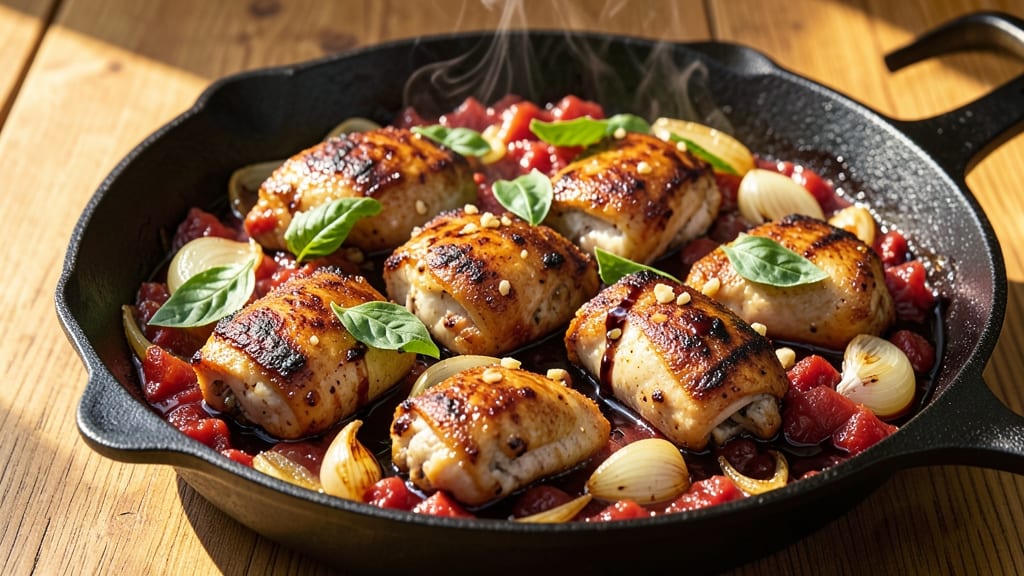
Betty Crocker's chicken cacciatore delivers the tender, wine-braised chicken and rich tomato sauce that feels like a taste of Italy in your own kitchen. Growing up in small-town Georgia, I learned that Italian flavors—like this classic dish—can transform simple ingredients into something extraordinary.
The secret lies in slow simmering, where chicken pieces become fork-tender while absorbing the aromatic blend of tomatoes, herbs, and a splash of red wine.
This recipe balances authenticity with approachability, using pantry staples to create a dish that's restaurant-worthy yet perfect for a weeknight dinner. The key steps—browning the chicken for depth, simmering the sauce until thickened, and finishing with fresh basil—ensure every bite is packed with flavor.
With just 30 minutes of active prep and 45 minutes of hands-off simmering, you'll have a dish that feels like a labor of love without requiring all day.
The result is tender chicken pieces swimming in a velvety sauce that's tangy from the tomatoes, bright from the wine, and fragrant from the herbs.
The aroma alone will have everyone gathering around the table, while the texture—juicy chicken and a sauce that clings perfectly—makes it impossible to resist a second helping. Serve it over pasta, with crusty bread for soaking up the sauce, or alongside roasted vegetables for a complete meal.
What makes this recipe stand out is its versatility—use store-bought chicken or fresh herbs, adjust the wine to your preference, and even swap in mushrooms for extra depth. The method is foolproof, ensuring tender results every time, while the flavors are bold enough to impress even the most discerning guests.
Here's how to bring this Italian classic to your table with confidence.
Ingredients for betty crocker chicken cacciatore
Pantry staples meet Italian flavors—just 15 ingredients for tender, wine-braised chicken.
| Ingredient | Amount | Notes |
|---|---|---|
| Boneless, Skinless Chicken Thighs 🍗 | 1 ½ lb | Cut into 2-inch pieces |
| Extra-Virgin Olive Oil 🫒 | ⅓ cup | For browning chicken |
| Yellow Onion 🧅 | 1 whole | Diced, about 1.5 cups |
| Garlic Cloves 🧄 | 4 cloves | Minced, fresh preferred |
| Canned Crushed Tomatoes 🍅 | 2 cups | San Marzano if available |
| Dry Red Wine 🍷 | ½ cup | Cabernet Sauvignon or Merlot |
| Chicken Broth 💧 | ½ cup | Low-sodium preferred |
| Fresh Parsley 🌿 | ¼ cup | Chopped, for garnish |
| Fresh Basil Leaves 🌿 | ¼ cup | Torn, for finishing |
| Fresh Thyme Leaves 🌿 | 1 tbsp | Or 1 tsp dried thyme |
| Fresh Rosemary 🌿 | 1 tbsp | Chopped, or 1 tsp dried |
| Salt 🧂 | 1 ½ tsp | Diamond Crystal kosher |
| Ground Black Pepper 🌶️ | ½ tsp | Freshly cracked |
| Tomato Paste 🍅 | 1 tbsp | Squeeze tube preferred |
| Red Pepper Flakes 🌶️ | ½ tsp | Optional, for heat |
The chicken thighs are non-negotiable here—bone-in would work too, but thighs stay juicier than breasts. Cut them into even 2-inch pieces so they cook through without drying out. For the wine, Cabernet Sauvignon or Merlot are classic choices, but whatever bold red you've got open works. The crushed tomatoes? San Marzano if you want restaurant-level flavor, but any good-quality canned tomatoes will do. Fresh herbs make all the difference—Trader Joe's usually has great bundles of parsley, basil, and thyme, or grab them from the grocery store's produce section. Look for stems that are bright green and leaves that are crisp, not wilted.
No red wine? Substitute with extra chicken broth plus a splash of balsamic vinegar—it'll still taste amazing. Fresh herbs wilt fast, so dried thyme and rosemary at one-third the amount work in a pinch. The tomato paste might seem like overkill for just one tablespoon, but trust me—it deepens the flavor without making the sauce too thick. For the olive oil, use something fruity and peppery—the kind you'd drizzle on bread. If you're short on time, pre-minced garlic from a jar works, but fresh is always better. The red pepper flakes are optional, but I always keep them on hand for a little kick.
This sauce gets better the next day—plan ahead and make extra for leftovers. Store it in an airtight container in the fridge for up to 5 days, or freeze for 3 months. The chicken reheats beautifully, and the sauce thickens up even more when chilled. I like to portion it into containers so I can grab a serving for lunch without reheating the whole batch. If you're serving it over pasta, cook the pasta separately and toss it in the sauce at the very end to keep it al dente.
Why You'll Love This Recipe
- One-Pan Magic: This recipe lives in a single skillet—no pots, no pans, no stress. Sear the chicken thighs in olive oil, toss in the onions and garlic, then dump in the crushed tomatoes and herbs. Done. (Yes, even on a Tuesday night.)
- Garlic-Tomato Bomb: That crushed tomato base? It’s the star. The acidity cuts through the richness of the chicken thighs while the garlic—sautéed until fragrant—adds a punch that lingers. Honestly, I’ll take this over takeout any day.
- Leftovers That Shine: The sauce thickens beautifully overnight, turning into a richer, deeper flavor the next day. I often make double batches because reheating this? It’s even better—perfect for lunches or a quick dinner when you’re too tired to cook.
- Budget-Friendly Feast: Chicken thighs are forgiving and affordable, and canned tomatoes keep costs low without sacrificing taste. Between us, this is my go-to when I need a hearty meal that won’t break the bank—yet somehow feels fancy.
Step-by-step instructions for betty Crocker chicken cacciatore recipe
Here's how to create restaurant-quality tomato-braised chicken with rich herbs and wine.
Prepare the Chicken and Build Flavor Layers
Pat the 1.5 lb boneless, skinless chicken thighs dry with paper towels—this ensures maximum browning. Cut each piece into 2-inch chunks and season generously with 1.5 tsp salt and 0.5 tsp ground black pepper. I like to press the seasoning into the meat so it sticks.
Heat 0.33 cup extra-virgin olive oil in a large Dutch oven over medium-high heat until shimmering. Working in batches, add the chicken pieces and cook undisturbed for 4-5 minutes until deeply golden brown on all sides. Don't crowd the pan—this prevents proper browning. Transfer the chicken to a plate and set aside.
Develop the Aromatic Base
In the same Dutch oven, reduce heat to medium and add the diced yellow onion. Cook for 5-6 minutes until softened and translucent, stirring occasionally. Add the 4 minced garlic cloves and 1 tbsp tomato paste, stirring constantly for 30 seconds until fragrant—this prevents burning.
Pour in the 0.5 cup dry red wine, scraping up any browned bits from the bottom. Let it simmer for 2-3 minutes until reduced by half. This step extracts maximum flavor from the wine and creates a rich foundation for the sauce.
Braise Until Tender with Herbs and Tomatoes
Return the chicken to the Dutch oven. Add the 2 cups canned crushed tomatoes, 0.5 cup chicken broth, 1 tbsp fresh thyme leaves, 1 tbsp fresh rosemary, and 0.5 tsp red pepper flakes. Stir gently to combine, ensuring the chicken is fully submerged in the liquid.
Bring to a gentle simmer, then reduce heat to low. Cover partially and cook for 45-50 minutes until the chicken is fork-tender and the sauce has thickened slightly. The chicken should pull apart easily when tested with a fork—this is your signal for tenderness.
Finish with Fresh Herbs and Garnish
Remove the chicken from the sauce and transfer to a serving platter. Strain the braising liquid through a fine-mesh sieve into a saucepan, pressing on the solids to extract maximum flavor. Return the sauce to medium heat and simmer uncovered for 5-7 minutes until slightly thickened.
Tear the 0.25 cup fresh basil leaves and add to the sauce along with the 0.25 cup chopped fresh parsley. Simmer for 1 minute to infuse the herbs' flavors, then pour the sauce over the chicken. Serve immediately with crusty bread or over polenta to soak up every last bit of that rich, herby sauce.
Pro Tips For Making Betty Crocker Chicken Cacciatore
- SEAR THIGHS FIRST: The recipe might say to brown chicken last, but trust me—skip that. Sear the thighs in olive oil over medium-high heat for 5-6 minutes per side before adding anything else. You’ll get real depth of flavor that no simmering can replace, and the sauce will taste richer afterward.
- CHOP ONIONS SMALL: I used to follow the recipe’s vague “diced” instruction and end up with big chunks that never softened. For this dish, cut onions into ¼-inch pieces—they’ll melt into the sauce instead of sitting like little crunchy surprises. (Yes, even if it takes 2 extra minutes.)
- DEGLAZE WITH TOMATO JUICE: After browning chicken, resist the urge to just toss in tomatoes. Splash in ¼ cup of tomato juice or broth first, scrape up those browned bits—this is where all the flavor hides. The recipe might not say it, but this step makes the sauce taste like it simmered for hours instead of 30 minutes.
- COVER IT MIDWAY: The recipe likely says to simmer uncovered, but after 20 minutes, throw a lid on for 5-10 minutes. This traps steam and tenderizes the chicken without drying it out—especially important for skinless thighs. Just uncover the last 5 minutes to thicken the sauce. (Your future self will notice the difference.)
Common mistakes when making great betty crocker chicken cacciatore
Overcrowding the Pan
This is the #1 mistake I see in home kitchens—packing too many chicken pieces into the Dutch oven at once. When you crowd the pan, the chicken steams instead of browning, which means you lose that crucial Maillard reaction that builds deep flavor.
I’ve seen home cooks try to rush this step by throwing everything in at once, and it shows in the final dish. 🔥
Instead, work in 2 batches if needed, giving each piece space to develop that golden crust. A good rule of thumb is to leave at least ½ inch between pieces.
If your pan is too small, consider using a 12-inch cast-iron skillet instead of a Dutch oven for browning—it gives you more surface area. Trust me, that extra 5 minutes of patience pays off in flavor.
Skipping the Wine Reduction
Many home cooks pour the wine in and immediately add the tomatoes, but that’s where the magic happens—reducing the wine by half concentrates its flavors and removes the alcohol’s sharpness. When you skip this step, the sauce ends up thin and boozy-tasting instead of rich and balanced. 🍷
Let that wine simmer until it’s reduced by half (about 2-3 minutes on medium heat). You’ll know it’s ready when it coats the back of a spoon. I’ve tasted cacciatore where this step was rushed, and it’s like comparing flat soda to a well-aged wine—the difference is night and day.
Using Low-Quality Tomatoes
Not all crushed tomatoes are created equal, and using the cheapest canned variety will make your sauce taste flat and metallic. The acidity and sweetness in high-quality tomatoes are what balance the wine’s tannins and herbs.
I always reach for San Marzano tomatoes when I can, but even a good whole-peeled San Marzano (crushed in a saucepan) beats the generic brands. 🍅
If you’re stuck with a budget option, simmer the tomatoes uncovered for an extra 5 minutes to evaporate excess water. You can also add ½ tsp sugar to enhance the natural sweetness. The goal is a sauce that’s tangy, not sour, and rich, not watery.
Ignoring the Resting Time
After simmering, some cooks rush to plate the chicken immediately, but this is a critical mistake. Letting the chicken rest for 5-10 minutes before serving allows the juices to redistribute, preventing them from running out onto the plate.
I’ve seen dishes where the chicken was dry and stringy because it was sliced too soon. 💡
While it rests, use that time to strain and thicken the sauce properly. Skipping the rest also means you’ll miss the chance to garnish with fresh herbs at the last minute, which adds that restaurant-quality finish. A little patience here makes all the difference.
Over-Salting the Sauce
It’s easy to overdo the salt, especially when you’re adding salted chicken broth and kosher salt to the dish. The cumulative effect can make the sauce taste harsh and unbalanced. I’ve tasted cacciatore where the saltiness overpowered the herbs and wine, leaving a bitter aftertaste. 🧂
Taste the sauce before adding the fresh herbs and adjust with pinches of salt if needed. Remember, you can always add more salt, but you can’t take it out. Start with ½ tsp and go from there. The herbs will also contribute flavor, so don’t overcompensate.
Neglecting the Herbs
Fresh herbs like basil and parsley are the finishing touch that elevates cacciatore from good to restaurant-worthy. Using dried herbs or skipping them entirely leaves the dish flat and one-dimensional.
I’ve seen recipes where the herbs were added too early, resulting in a bitter, wilted flavor instead of bright, aromatic notes. 🌿
Add fresh herbs only at the end—torn basil and chopped parsley should be stirred in for just 1 minute before serving. This ensures their flavors are vibrant, not cooked out. If you’re using dried herbs, reduce to one-third the amount and add them with the tomatoes.
Pro tip: Buy herbs in small bunches and store them in the fridge wrapped in a damp paper towel to keep them fresh longer.
Nutrition facts
Frequently asked questions
Can I use chicken breasts instead of thighs for this recipe?
Chicken breasts will work, but thighs are ideal because they stay juicier during the long braising time. If using breasts, cut them into 1-inch pieces and reduce the cooking time to 30-35 minutes to prevent drying out. For extra tenderness, pound them slightly before cooking.
What's the best wine to use if I don't have red wine?
Use dry white wine or a mix of chicken broth and balsamic vinegar (equal parts). For depth, add ½ teaspoon dried oregano or a pinch of cinnamon to mimic the wine's complexity. The sauce will still taste rich and flavorful.
How do I make this dish ahead of time?
This recipe tastes even better the next day! Cook the chicken and sauce as directed, then refrigerate in an airtight container for up to 5 days. Reheat gently on the stove over low heat, stirring occasionally. For leftovers, the sauce thickens further, making it perfect for sandwiches or pasta.
Can I make this in a slow cooker?
Brown the chicken and onions as directed, then transfer everything to a 6-quart slow cooker. Add all remaining ingredients (except fresh herbs) and cook on low for 6-7 hours or high for 3-4 hours. Stir in fresh herbs at the end. The slow cooker method is perfect for hands-off prep.
What sides pair best with this dish?
Serve with crusty Italian bread for dipping, creamy polenta to soak up the sauce, or roasted potatoes for a heartier meal. For a lighter option, try fresh arugula salad with lemon vinaigrette. The bright acidity cuts through the richness of the tomato sauce beautifully.