Main Courses
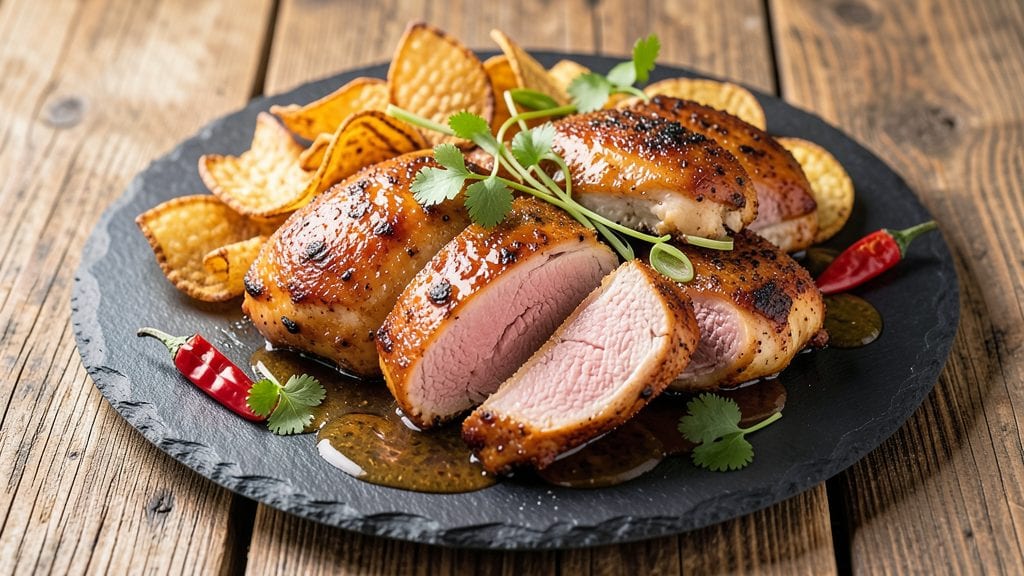
Mastering jerk chicken with McCormick Caribbean Jerk Seasoning transforms simple chicken thighs into a restaurant-worthy dish with smoky-spiced crust and fall-apart meat. This recipe builds on traditional jerk techniques while adapting them for modern home kitchens—no special equipment required.
The secret lies in the marinade's balance of heat and sweetness, which develops deep flavor as it works its magic over time.
The process begins with a 24-hour marinade that tenderizes the meat while infusing it with bold Caribbean flavors—think allspice, thyme, and Scotch bonnet heat. We'll use boneless, skinless chicken thighs for their juiciness, but the method works equally well with breasts if you prefer leaner cuts.
The result is a dish where every bite delivers crispy, caramelized edges meeting succulent, spice-kissed meat inside.
Cooking methods are flexible: grill for smoky char, bake for hands-off convenience, or even air-fry for a quicker version. Serve over steamed rice or with a side of coleslaw to balance the heat, and garnish with fresh cilantro for brightness.
This recipe delivers professional-quality jerk chicken without the complexity—perfect for weeknight dinners or weekend gatherings.
The beauty of this dish lies in its versatility. Leftovers reheat beautifully, making it ideal for meal prep, and the seasoning blend works equally well with pork or tofu for plant-based adaptations.
Whether you're feeding a crowd or treating yourself to a flavor-packed meal, this jerk chicken recipe delivers authentic Caribbean taste with minimal effort.
Ingredients for mccormick caribbean jerk seasoning chicken
Fourteen ingredients deliver restaurant-quality jerk chicken with minimal effort and maximum flavor.
| Ingredient | Amount | Notes |
|---|---|---|
| Boneless, Skinless Chicken Thighs 🍗 | 1 ½ lb | Evenly sized for consistent cooking |
| McCormick Caribbean Jerk Seasoning 🌶️ | ¼ cup | For marinade and dry rub |
| Brown Sugar 🍚 | ¼ cup | Light or dark variety preferred |
| Lime Juice 🍋 | ½ cup | Freshly squeezed for brightness |
| Extra-Virgin Olive Oil 🫒 | ¼ cup | High-quality for marinade |
| Scotch Bonnet Peppers 🌶️ | 1 whole | Seeds removed for less heat |
| Fresh Garlic Cloves 🧄 | 6 cloves | Minced for marinade |
| Fresh Thyme Leaves 🌿 | ¼ cup | Or 1 tbsp dried thyme |
| Allspice Berries 🌶️ | 1 tsp | Crushed for deeper flavor |
| Ground Ginger 🌿 | ½ tsp | Fresh grated preferred |
| Salt 🧂 | 1 tsp | Diamond Crystal preferred |
| Black Peppercorns 🌶️ | ½ tsp | Freshly cracked |
| Fresh Cilantro Leaves 🌿 | ¼ cup | Chopped for garnish |
| Long-Grain White Rice 🍚 | 1 ½ cups | Uncooked, for serving |
The McCormick Caribbean Jerk Seasoning serves as the foundation, but we enhance it with fresh ingredients like Scotch bonnet peppers and allspice berries for authentic depth. For the best seasoning, check the expiration date—McCormick's packaging indicates a shelf life of 18 months when unopened. If you prefer to build your own blend, source whole spices from Penzeys or bulk bins at specialty markets. The chicken thighs should be evenly sized—trim any excess fat to prevent flare-ups during cooking, especially if grilling. For the Scotch bonnet, handle with care; its heat can linger on your skin for hours.
No Scotch bonnet? Habanero or jalapeño works in a pinch, but reduce the amount to half to avoid overwhelming heat. Fresh thyme unavailable? Dried thyme at one-third the quantity maintains flavor, though it lacks the bright aroma. Substituting chicken breasts? Marinate for only 12 hours to prevent drying. For a vegetarian adaptation, use extra-firm tofu pressed and cubed—double the marinade time to 24 hours. The brown sugar adds caramelization; coconut sugar offers a subtler molasses note. Always use fresh lime juice—bottled versions lack the tang that balances the heat.
Marinated chicken keeps in the refrigerator for up to 48 hours, though flavor peaks at 24 hours. For meal prep, cook the chicken fully, then refrigerate in airtight containers with a thin layer of marinade to maintain moisture. Reheat gently in a skillet with a splash of water or broth to prevent drying. The seasoning blend itself stays potent for 6 months in an airtight container, away from light. Freeze cooked chicken for up to 3 months—thaw overnight in the fridge before reheating. Garnish with fresh cilantro just before serving to preserve its vibrant color and aroma.
Why You'll Love This Recipe
- Five-Ingredient Magic: The pantry already has most of this—just add chicken, lime, and a shake of that jarred jerk seasoning. Honestly, the prep is so simple I’ve made it while waiting for the oven to preheat (yes, really).
- Smoky-Sweet Obsession: That brown sugar caramelizes into the chicken while the jerk seasoning brings allspice, thyme, and cayenne to life. The olive oil keeps it juicy, but it’s the crispy edges that make me reach for seconds.
- Weeknight or Party Star: Same recipe, totally different vibes—throw it on rice and avocado for a Tuesday dinner or serve it on skewers with pineapple for a summer BBQ. My roommates didn’t even notice it was the same base.
- Leftovers That Don’t Lie: The flavor actually deepens overnight, so I make double batches. Reheat in a skillet with a splash of lime juice, and suddenly you’ve got a 10-minute meal that tastes like you slaved over it. Budget win, too—chicken thighs stretch farther than breasts.
Step-by-step instructions for McCormick Caribbean jerk seasoning chicken
Master this technique for a perfectly balanced jerk crust and tender chicken every time.
Prepare the Jerk Marinade and Rub
In a food processor, combine the 0.25 cup McCormick Caribbean Jerk Seasoning, 0.25 cup Brown Sugar, 1 tsp Allspice Berries, 0.5 tsp Ground Ginger, 1 tsp Salt, and 0.5 tsp Black Peppercorns. Pulse until the mixture forms a fine powder with no visible allspice berries remaining. This ensures even distribution of flavors throughout the marinade.
Transfer half of this spice blend to a small bowl. In a separate bowl, whisk together the remaining spice blend with the 0.5 cup Lime Juice, 0.25 cup Extra-Virgin Olive Oil, and 0.25 cup Fresh Thyme Leaves. The marinade should have a thick, paste-like consistency that will cling to the chicken. For the dry rub, simply leave the remaining spice blend as-is.
Marinate and Dry-Rub the Chicken
Pat the 1.5 lb Boneless, Skinless Chicken Thighs dry with paper towels to remove any surface moisture. This step is critical—wet skin prevents the jerk spices from forming that signature crust. Place the chicken in a resealable plastic bag and pour the marinade over it, ensuring each piece is thoroughly coated. Seal the bag and refrigerate for at least 4 hours, or preferably overnight. The longer it marinates, the deeper the flavors will penetrate.
After marinating, remove the chicken from the bag and pat it dry again. Generously apply the dry rub to all sides of the chicken, pressing it firmly into the meat so it adheres well. This dual-layer approach—marinade plus dry rub—creates both a tender interior and a deeply flavorful, crispy exterior. Let the rubbed chicken rest at room temperature for 30 minutes before cooking to ensure even heat distribution.
Cook the Chicken to Juicy Perfection
Preheat your oven to 400°F. Place the rubbed chicken thighs in a single layer on a wire rack set inside a rimmed baking sheet. The rack elevates the chicken, allowing hot air to circulate evenly and preventing steaming, which is key to achieving that crispy jerk crust. Roast the chicken for 35-40 minutes, until the internal temperature reaches 165°F and the skin is deeply caramelized with a glossy sheen.
For an extra layer of flavor, place the 1 whole Scotch Bonnet Pepper (seeds removed) and 6 cloves Fresh Garlic Cloves, minced, on a small piece of foil at the bottom of the baking sheet during the last 10 minutes of cooking. The aromatic steam will infuse the chicken with additional depth, enhancing the jerk profile without overpowering it.
Rest and Serve with Fresh Garnishes
Transfer the cooked chicken to a cutting board and tent loosely with foil. Let it rest for 10-15 minutes before slicing. This resting period allows the juices to redistribute, ensuring each bite is moist and flavorful. If you skip this step, the chicken will release its juices onto the cutting board instead of staying inside the meat.
While the chicken rests, prepare the 1.5 cups Long-Grain White Rice according to package instructions. Once ready, garnish the sliced chicken with 0.25 cup Fresh Cilantro Leaves, chopped, and serve immediately. The contrast of the bright cilantro against the deep, smoky jerk flavors makes this dish truly exceptional. Pair with additional lime wedges for a burst of acidity that cuts through the richness.
Pro Tips For Making Mccormick Caribbean Jerk Seasoning Chicken
- Pat Dry First: Jerk seasoning sticks to wet chicken like glue, and that’s the last thing you want—it’ll steam instead of caramelize. Grab paper towels and dry those thighs thoroughly before applying the mix. (Yes, even if you’re impatient like me.)
- Marinate Overnight: The McCormick jerk seasoning tastes better when it has time to work its magic. Toss the chicken in the seasoning, brown sugar, lime juice, and olive oil at least 6 hours—or better yet, overnight. I learned this the hard way after a rushed batch tasted flat.
- Skip the Overcrowding: Jerk chicken needs room to sear, not a steam bath. Cook in batches if needed—two thighs max per pan. Overcrowding turns your crispy dream into a sad, soggy mess. Trust me, your future self will thank you.
- Deglaze with Lime: After searing, don’t just toss those flavorful brown bits—deglaze the pan with a splash of lime juice and a little water. Stir it into the chicken for a brighter, more balanced taste. (This is the thing that actually changes the outcome.)
Wine and beer pairings for this mccormick caribbean jerk seasoning chicken
Jerk Chicken’s Ideal Wines
For wine pairings, I reach for bold, fruity reds that stand up to the jerk’s heat and smokiness. A Jamaican Red Stamp—a local favorite in the islands—cuts through the spice beautifully with its dark fruit notes and subtle oak.
If you prefer something more accessible, Cabernet Sauvignon from Napa Valley delivers rich berry flavors that complement the dish’s depth. 🍷
For a lighter option, try a dry Riesling from Germany—its crisp acidity balances the jerk’s richness while the mineral notes refresh your palate. I’ve also found that Zinfandels with their jammy, spiced character work surprisingly well, especially if they have a touch of pepperiness.
Beer Pairings
A light lager like Peroni or Corona is my go-to for jerk chicken—its clean, crisp profile prevents the beer from competing with the dish’s bold flavors. The effervescence also helps cleanse your palate between bites.
For something with a bit more character, a Belgian witbier like Stella Artois brings citrusy notes that mirror the lime in the marinade. 🍺
If you’re a craft beer enthusiast, try a hazy IPA with tropical fruit flavors—think mango or passionfruit—to echo the jerk’s sweet-spicy profile. Just avoid heavy stouts or dark ales, which can overpower the dish’s delicate balance of heat and sweetness.
Non-Alcoholic Options
For a refreshing non-alcoholic match, ginger beer with a splash of lime juice is perfect—its spicy kick and citrus notes harmonize with the jerk seasoning. I also love hibiscus iced tea, sweetened lightly with honey, for a floral contrast to the smoky chicken.
These drinks mirror the dish’s bright, zesty flavors without overwhelming them. 💛
For something more substantial, try a coconut water-based mocktail with muddled mint and a dash of Scotch bonnet pepper. The cool, creamy texture pairs wonderfully with the crispy jerk crust, while the pepper adds a subtle heat echo.
Nutrition facts
Frequently asked questions
Can I use McCormick Caribbean Jerk Seasoning for other proteins besides chicken?
This seasoning works beautifully with pork chops or salmon fillets, though cooking times will vary. For tofu, press and cube it first, then marinate for 24 hours to absorb maximum flavor. The key is adjusting cooking methods—grill pork for crispy edges or bake tofu until golden.
How do I adjust the heat level if Scotch bonnet is too spicy?
Reduce the pepper quantity by half or swap it for jalapeño or habanero. For milder heat, remove seeds completely and use only the pepper's flesh. The marinade's lime juice and brown sugar naturally balance spice, so don't overcompensate with extra sugar—it can make the dish taste sweet rather than spicy.
What's the best way to reheat leftover jerk chicken?
Use a skillet over medium-low heat with 1 tablespoon of water or broth to prevent drying. Reheat for 3-4 minutes until warmed through. Avoid microwaving—it turns the crust soggy. For extra crispiness, broil for 1-2 minutes after reheating, watching closely to avoid burning.
Can I make this recipe without a food processor?
Yes! Mix the dry rub ingredients in a bowl using a whisk or fork until fully combined. For the marinade, simply stir the wet ingredients into the dry blend until it forms a paste. The texture will be slightly less fine, but flavor distribution will still be excellent. The key is thorough mixing to ensure even coating on the chicken.
Why does my jerk chicken turn out dry?
Overcooking or skipping the rest period are the most common causes. Use a meat thermometer to check for 165°F internal temp, and never exceed 400°F for baking. For extra moisture, add 1 tablespoon of chicken broth to the marinade. Also, patting chicken dry before marinating helps the spices adhere better, preventing steam that can make meat tough.