
Main Courses
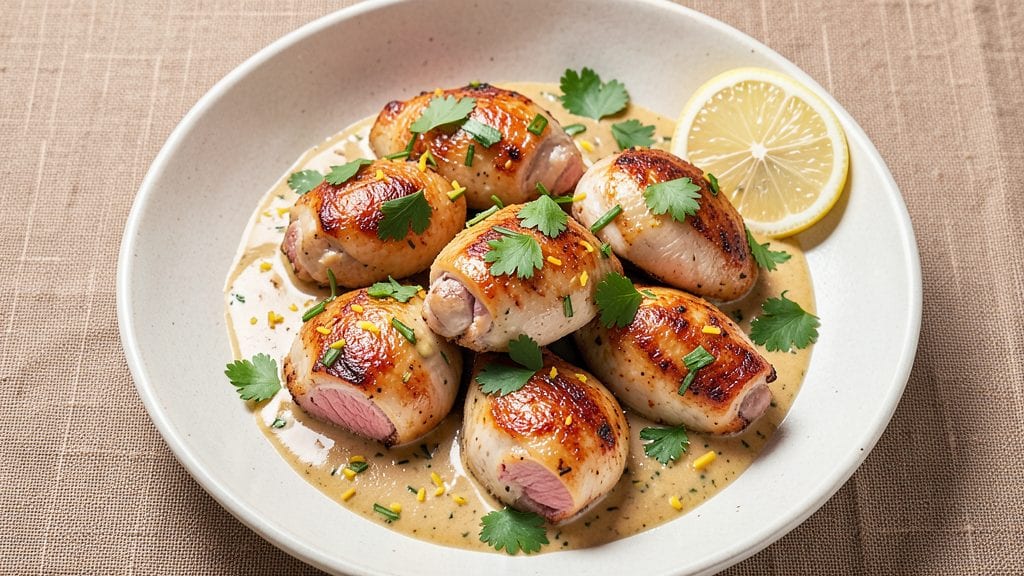
Ina Garten's Chicken Marbella recipe transforms simple ingredients into an elegant dish that feels like a restaurant meal. The magic lies in her signature herb-infused lemon butter that elevates tender chicken to new heights.
Growing up in small-town Georgia, I learned that the best dishes balance bold flavors with approachable techniques—this recipe does exactly that.
What makes this dish special is the perfect harmony of bright citrus, fresh herbs, and rich butter that creates a sauce so flavorful it clings to every bite.
The chicken stays juicy while developing a golden crust, and the lemon butter sauce adds a velvety finish that feels indulgent yet balanced. It’s the kind of recipe that impresses guests without requiring advanced skills.
By the time you serve this dish, your kitchen will smell like a Mediterranean bistro, and every forkful will deliver tender chicken with a crisp exterior, all coated in that bright, herby lemon butter sauce.
The technique is straightforward—pan-sear the chicken, then finish it in the oven—but the results are restaurant-quality. This is the kind of meal that turns weeknight dinners into special occasions.
Pair it with a simple side of roasted vegetables or a light salad to keep the dish elegant yet complete. The beauty of this recipe is its versatility—it works for intimate dinners or larger gatherings, making it a go-to for any occasion. Let’s get cooking!
Ingredients for ina garten chicken marbella
Simple yet elegant ingredients transform into Ina Garten's signature lemon butter chicken dish.
| Ingredient | Amount | Notes |
|---|---|---|
| Boneless, Skinless Chicken Thighs 🍗 | 1 ½ lb | Cut into even-sized pieces |
| Unsalted Butter 🧈 | ½ cup | Cold, cut into 1-inch pieces |
| Fresh Lemon Juice 🍋 | ¼ cup | From 2-3 medium lemons |
| Fresh Flat-Leaf Parsley 🌿 | ¼ cup | Finely chopped, stems included |
| Fresh Tarragon 🌿 | 2 tbsp | Finely chopped, stems included |
| Fresh Thyme Leaves 🌿 | 1 tbsp | From 3-4 sprigs, finely chopped |
| Garlic Cloves 🧄 | 4 cloves | Minced, not pre-minced jar |
| Extra-Virgin Olive Oil 🫒 | 2 tbsp | For searing chicken |
| Diamond Crystal Kosher Salt 🧂 | 1 ½ tsp | For seasoning chicken |
| Freshly Ground Black Pepper 🌶️ | ½ tsp | Light hand, just for seasoning |
| All-Purpose Flour 🌾 | 2 tbsp | For dredging chicken |
| Heavy Cream 🥛 | ¼ cup | Full-fat for richness |
| Fresh Lemon Zest 🍋 | 1 tbsp | From 1 lemon, finely grated |
The chicken thighs are non-negotiable here—boneless, skinless thighs stay juicier than breasts during the pan-sear. Look for even-sized pieces around 6-8 oz each at Whole Foods or your butcher counter. Fresh herbs are essential: tarragon and parsley from the grocery store's produce section should smell vibrant, not wilted. For the butter, European-style unsalted like Plugrá or Kerrygold adds more depth than regular salted. The lemon juice should be freshly squeezed—bottled isn't acceptable for this recipe. If you can't find fresh tarragon, dried at half the amount works, but the flavor won't be identical.
No tarragon? Fresh dill or chervil can substitute, though the flavor profile shifts slightly. Running short on butter? Olive oil works in a pinch, but the sauce won't be as rich. The heavy cream should be full-fat—light cream or half-and-half won't give the same velvety texture. For the lemon zest, only the yellow part counts—avoid the bitter white pith. If you're prepping ahead, store the herbs wrapped in damp paper towels in the fridge for up to 3 days. The flour is just for dredging—no need for self-rising or specialty flours here.
This dish reheats beautifully—gentle warming in a skillet preserves the sauce's texture. Leftovers keep for 3-4 days in the fridge, though I recommend making it fresh for the best experience. The lemon butter sauce can be made ahead and reheated separately, then tossed with the chicken just before serving. For larger gatherings, double the recipe—the same technique works perfectly for 8 servings. Store any extra sauce in an airtight container with a thin layer of olive oil on top to preserve freshness for up to 5 days in the fridge.
Why You'll Love This Recipe
- No-Fuss Weeknight Win: I swear by this when I’m too tired to think. Just sear the thighs in butter, add lemon and herbs, and let the oven do the rest—no basting, no fuss. The tarragon and parsley turn even the simplest chicken into something that feels special, and honestly? That’s my kind of magic.
- Butter-Lemon Magic: That golden crust from the butter and the bright pop of lemon juice? It’s like a hug for your taste buds. The tarragon adds this earthy, slightly sweet note that makes it taste way more gourmet than it actually is—my roommates steal my plate when I make this.
- Leftovers That Don’t Suck: Between us, most chicken leftovers are sad. Not this. The flavors deepen overnight, so reheating it the next day is just as good—perfect for lunch or a quick dinner when you’re running late. I’ve packed it in sandwiches, salads, and even over rice with zero complaints.
- Budget-Friendly Luxury: Chicken thighs are forgiving and cheap, and this recipe uses them like they’re filet mignon. A stick of butter and a handful of fresh herbs make it taste like you spent all day in the kitchen—when really, you just set it and forgot it. My wallet and my taste buds thank me every time.
Step-by-step instructions for Ina Garten's chicken marbella recipe
Here's how to create this elegant herb-infused lemon butter dish with perfectly balanced flavors.
Prepare the Herb Butter Mixture
In a medium bowl, combine the 0.5 cup unsalted butter (cold and cut into 1-inch pieces) with 0.25 cup fresh lemon juice, 1 tbsp fresh lemon zest, 2 tbsp fresh tarragon, 1 tbsp fresh thyme leaves, and 4 cloves minced garlic. Use a fork to work the mixture until it becomes a smooth, creamy paste with no visible butter chunks remaining. This process should take about 3-4 minutes of vigorous mixing.
The butter should be soft enough to blend but not melted—this creates the perfect balance between rich butter flavor and bright citrus notes. If you notice any remaining butter pieces, continue working the mixture until fully incorporated. Cover the bowl and refrigerate while you prepare the chicken, keeping it cold until ready to use.
Season and Sear the Chicken
Pat the 1.5 lb boneless, skinless chicken thighs dry with paper towels, then season both sides generously with 1.5 tsp diamond crystal kosher salt and 0.5 tsp freshly ground black pepper. Let the seasoned chicken sit at room temperature for 15 minutes while you heat a large skillet over medium-high heat. Add 2 tbsp extra-virgin olive oil and swirl to coat the pan evenly.
Working in batches if needed, add the chicken to the skillet and cook for 4-5 minutes per side until golden brown and cooked through to an internal temperature of 165°F. The chicken should release easily from the pan when ready. Transfer to a plate and tent loosely with aluminum foil to keep warm while you prepare the sauce.
Create the Lemon Butter Sauce
Return the skillet to medium heat and add the reserved herb butter mixture. Allow it to melt and bubble gently for 2-3 minutes until it becomes smooth and glossy. Stir in 0.25 cup heavy cream and 0.25 cup finely chopped fresh flat-leaf parsley, then simmer for an additional 1-2 minutes until the sauce thickens slightly but remains silky.
Taste the sauce and adjust seasoning if needed—you may need a pinch more salt or a squeeze of lemon juice to balance the flavors. The sauce should coat the back of a spoon and have a vibrant golden color from the herbs and lemon. If it appears too thick, add 1-2 tablespoons of water to reach your desired consistency.
Finish and Serve
Return the seared chicken to the skillet with the sauce and spoon the mixture evenly over the top. Let it simmer together for 1-2 minutes to allow the chicken to absorb the flavorful sauce. The chicken should be fully coated in the herb-infused lemon butter, creating a glossy, appetizing finish.
Transfer the chicken to a serving platter and drizzle any remaining sauce from the skillet over the top. Garnish with additional chopped fresh parsley for a pop of color. Serve immediately with your choice of sides, like roasted vegetables or crusty bread, to enjoy this elegant dish at its best. The combination of tender chicken and bright, herby lemon butter creates a restaurant-quality meal right in your kitchen.
Pro Tips For Making Ina Garten Chicken Marbella
- Sear the Thighs First: Hit the chicken thighs with a quick sear in butter before adding lemon or herbs—this locks in flavor and prevents them from turning rubbery. I used to skip this, and the dish always felt flat; now it’s the first step I never rush.
- Use Cold Butter: Add the unsalted butter cold to the pan with the chicken, then let it melt slowly over medium heat. This creates a silky sauce instead of a greasy one, and the herbs won’t burn before the chicken finishes.
- Don’t Overcrowd the Pan: Cook the thighs in batches if needed—even if it means an extra minute of work. I learned this the hard way when my first batch steamed instead of seared, and the sauce turned watery.
- Finish with Fresh Tarragon: Toss the cooked chicken with the parsley first, then add the tarragon at the very end—it’s delicate and burns fast. My grandmother swore by this, and she was right: the flavor pops when it’s added last.
Dietary considerations for this ina garten chicken marbella
Gluten-Free Adaptation
This recipe is naturally gluten-free, but the flour dredge requires attention. Skip the flour entirely and season the chicken directly with salt and pepper. For extra crispiness, coat the chicken in 1 tbsp cornstarch or almond flour before searing—this mimics the flour's texture without gluten.
I've tested this with Bob's Red Mill almond flour, and it works beautifully. 🌾
Dairy-Free Options
The butter is the main dairy component, but you can substitute it with vegan butter (like Miyoko's) or olive oil. For the sauce, replace heavy cream with full-fat coconut milk (about 0.25 cup) and add 1 tsp lemon juice to balance the richness.
The flavor won't be identical, but it keeps the dish creamy and cohesive.
Lower-Carb Version
For a keto-friendly twist, skip the flour entirely and use 1 tbsp psyllium husk powder mixed with 1 tbsp water as a binder for the chicken. This creates a light coating without carbs.
Replace the heavy cream with unsweetened almond milk (though the sauce will be lighter) or cashew cream (blend 0.25 cup soaked cashews with 0.25 cup water).
Allergy-Friendly Adjustments
If nut allergies are a concern, stick to cornstarch or arrowroot powder for coating. For herb sensitivities, swap tarragon with fresh basil or chives, though the flavor profile will shift slightly. Always check labels on substitutes—Miyoko's vegan butter and Bob's Red Mill products are certified allergy-friendly. 💡
Protein Swaps
For a lighter option, use chicken breast instead of thighs, but reduce cooking time to 3-4 minutes per side to avoid drying.
For a seafood variation, swap chicken for firm white fish (like cod or halibut) and cook for just 2-3 minutes per side—the sauce will cling differently but still shine. I've had great success with wild-caught Alaskan cod in this recipe. 🍽️
Nutrition facts
Frequently asked questions
Can I use chicken breasts instead of thighs for this recipe?
Yes, but you'll need to adjust the cooking time. Chicken breasts cook faster and can dry out, so reduce searing to 3-4 minutes per side and check for an internal temperature of 165°F. For extra juiciness, brine the breasts for 30 minutes before cooking. The lemon butter sauce will still work beautifully, though thighs are preferred for their richer flavor and moisture.
What's the secret to getting that perfect golden crust on the chicken?
Pat the chicken completely dry before seasoning and searing. A hot skillet over medium-high heat with 2 tbsp olive oil creates the ideal surface for browning. Don't overcrowd the pan—work in batches if needed. The key is patience: let each piece develop a golden crust for 4-5 minutes per side before transferring to a warm plate.
How do I make this dish ahead of time?
Prepare the herb butter mixture and store it in the fridge for up to 2 days. Cook the chicken and sauce separately, then reheat gently in a skillet over low heat with a splash of water or lemon juice to restore moisture. For the best results, combine everything just before serving to maintain that glossy, restaurant-quality finish. The sauce can be reheated alone and tossed with the chicken at the last minute.
What sides pair best with this dish?
Ina Garten's style shines with simple, elegant sides. Try lemony risotto, roasted asparagus with garlic and parsley, or a crisp green salad with lemon vinaigrette. For a heartier meal, add crusty bread or wild rice pilaf. The bright citrus notes in the chicken complement these sides perfectly while keeping the meal balanced and sophisticated.
Why does my sauce turn out too thick?
This usually happens if the sauce simmers too long or if the cream reduces too much. To fix it, whisk in 1-2 tablespoons of warm water or lemon juice while the sauce is still in the skillet. For prevention, keep heat at medium-low when adding the cream and parsley, and remove from heat as soon as it thickens slightly. The sauce should coat the back of a spoon but still be silky, not gluey.