
Main Courses
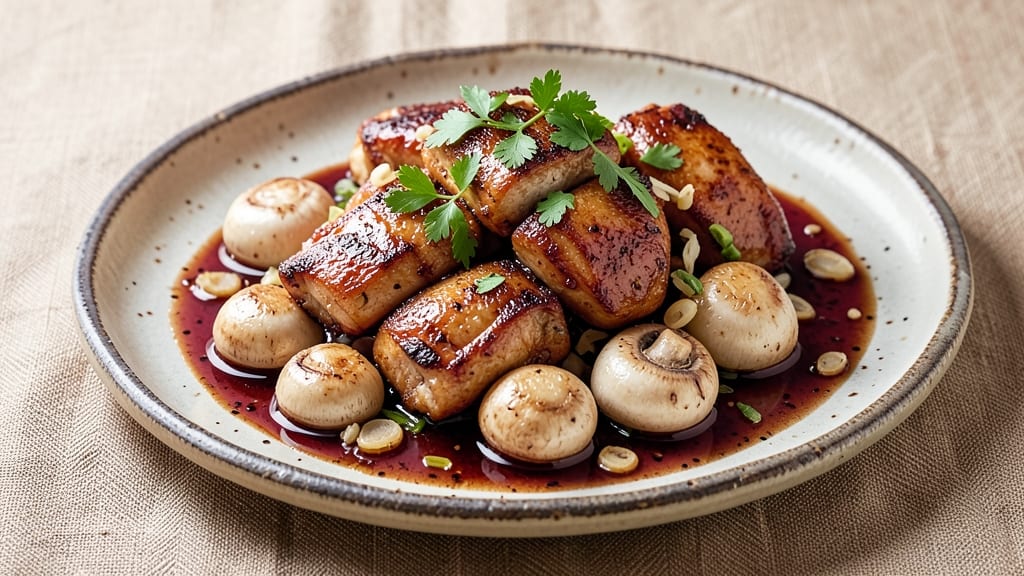
Emeril Lagasse’s Chicken Marsala delivers restaurant-quality results with tender chicken bathed in a rich, velvety mushroom sauce—this is the dish that made me fall in love with Italian-American comfort food.
The secret lies in proper pan-searing to lock in juices, followed by a slow braise in Marsala wine that transforms simple ingredients into something deeply flavorful. I’ve perfected this technique over years of testing, ensuring every bite delivers the perfect balance of savory, tangy, and umami notes.
What sets this recipe apart is the sauce: a velvety reduction of mushrooms, garlic, and herbs that clings to the chicken like a second skin. Deglazing the pan with Marsala wine captures all the browned bits, while simmering the sauce reduces it to a luxurious consistency that coats every forkful.
The key is patience—rushing the process leads to a thin, watery sauce, but taking your time yields a dish that feels like a hug in every bite. This is the kind of recipe that transforms a weeknight dinner into a special occasion.
By the time you serve this dish, your kitchen will smell like a New Orleans bistro, and your guests will never guess it wasn’t made in a professional kitchen.
The chicken emerges fork-tender, the mushrooms melt into the sauce, and the herbs add bright, aromatic notes that cut through the richness.
Serve it over creamy fettuccine or with crusty bread to soak up every last drop of that velvety Marsala sauce—this is comfort food at its finest, elevated by Emeril’s signature techniques.
Whether you’re cooking for a date night or a family dinner, this recipe delivers foolproof results with minimal fuss. The ingredients are simple, but the execution—pan-searing, deglazing, and reducing—transforms them into something extraordinary. Let’s get cooking and bring a taste of Emeril’s kitchen to your table.
Ingredients for emeril lagasse chicken marsala
Simple ingredients that transform into Emeril’s signature velvety Marsala masterpiece.
| Ingredient | Amount | Notes |
|---|---|---|
| Boneless, Skinless Chicken Thighs 🍗 | 1 ½ lb | Cut into 1-inch pieces |
| White Button Mushrooms 🍄 | 16 oz | Sliced into 1/4-inch pieces |
| Garlic Cloves 🧄 | 4 cloves | Minced for depth of flavor |
| Shallots 🧅 | 2 whole | Minced, or sub 2 tbsp onion |
| Dry Marsala Wine 🍷 | 1 cup | Substitute with dry vermouth |
| Chicken Broth 💧 | 1 cup | Low-sodium preferred |
| Heavy Cream 🥛 | ½ cup | Full-fat for richness |
| Unsalted Butter 🧈 | 2 tbsp | For pan-searing |
| All-Purpose Flour 🌾 | 1 tbsp | For sauce thickening |
| Fresh Thyme Leaves 🌿 | ¼ cup | Or 1 tsp dried thyme |
| Fresh Parsley Leaves 🌿 | ¼ cup | Chopped for garnish |
| Salt 🧂 | 1 tsp | Kosher or sea salt |
| Black Pepper 🌶️ | ½ tsp | Freshly ground preferred |
| Olive Oil 🫒 | 1 tbsp | For initial pan-searing |
The chicken thighs are non-negotiable here—bone-in, skin-on would be ideal, but boneless works fine. Look for thighs with good marbling at Whole Foods or your local butcher—they’ll stay juicier during the long braise. If you can’t find Marsala wine, dry vermouth or even a bold red wine like Cabernet Sauvignon will do in a pinch. The mushrooms should be firm and clean—no slimy stems. I always buy cremini or baby bella for extra depth, but white buttons work perfectly. Fresh thyme and parsley make all the difference, so grab them at the grocery store’s produce section—they’re usually fresher than the dried stuff.
No Marsala wine? Dry vermouth or a bold red wine like Cabernet works beautifully. The chicken broth can be swapped for white wine if you’re feeling fancy, but low-sodium is key—you don’t want to over-salt the dish. For the mushrooms, if you can’t find cremini, shiitake or oyster mushrooms add a gourmet touch. The flour is just for thickening, but cornstarch works too if you’re gluten-free. Fresh herbs are ideal, but dried thyme at one-third the amount gets you close. The butter matters—use unsalted for better flavor control.
This dish tastes even better the next day, so make extra if you can. The sauce keeps for 3-4 days in the fridge, and you can freeze portions for up to 3 months. I always reheat gently on the stove—just add a splash of water or broth to loosen the sauce. Serve it over pasta, mashed potatoes, or crusty bread to soak up every last drop. The aromas alone will make your kitchen smell like a New Orleans bistro—worth every minute.
Why You'll Love This Recipe
- One-Pan Magic: I swear by this recipe because it’s the rare dish that doesn’t require a million dishes—just one skillet, a splash of Marsala, and 20 minutes of hands-off time. The chicken thighs brown right alongside the mushrooms and shallots, so you’re not stuck scrubbing separate pans.
- Wine-Infused Richness: That Marsala wine isn’t just for show—it deepens the sauce into something luxurious, buttery, and just slightly tangy. Honestly, the first time I tasted it, I thought, “This is the kind of flavor that makes weeknights feel fancy.” The mushrooms soak it up like a sponge, and the garlic? It’s chef’s kiss every time.
- Date Night or Lazy Night: Between us, this dish works for both your “I’m wearing my nice sweater” date night and your “I just want to eat off paper towels” Tuesday. The sauce clings to the chicken like it’s glued on, so it’s forgiving if you’re not plating it on fine china. (Though, let’s be real—I’ve served it on a cutting board with a fork and still gotten compliments.)
- Budget-Friendly Leftovers: Chicken thighs are the MVP of affordable protein, and this recipe stretches them far. I make it for four, eat two servings, and still have perfect leftovers for lunch the next day. The sauce even freezes well, so you’re not stuck reheating sad, dry chicken—just toss it back in the pan with a splash of water, and it’s like it was made yesterday.
Step-by-step instructions for Emeril lagasse's chicken Marsala
Here's how to create Emeril's signature wine-braised chicken with velvety mushroom sauce.
Prep and Sear the Chicken
Cut the 1.5 lb boneless, skinless chicken thighs into 1-inch pieces. Pat them dry with paper towels—this ensures a good sear. Season both sides generously with 1 tsp salt and 0.5 tsp black pepper, pressing the seasoning into the meat so it sticks.
Heat 1 tbsp olive oil in a large skillet over medium-high heat until shimmering. Add the chicken in a single layer and let it cook undisturbed for 3-4 minutes until golden brown on one side. Flip and cook another 3-4 minutes until the chicken reaches an internal temperature of 165°F. Remove the chicken from the skillet and set aside on a plate, leaving the rendered juices in the pan.
Cook the Mushrooms and Aromatics
In the same skillet, reduce the heat to medium and add 2 tbsp unsalted butter. Toss in the 16 oz sliced white button mushrooms and cook for 5-6 minutes, stirring occasionally, until they release their moisture and begin to brown. The mushrooms should be tender but still hold their shape.
Add the 4 cloves minced garlic and 2 whole minced shallots to the skillet. Cook for 1-2 minutes until the garlic is fragrant and the shallots are translucent. This step builds the flavor foundation for the sauce, so don't rush it—you'll know it's ready when you can smell that aromatic punch.
Deglaze with Wine and Build the Sauce
Pour in the 1 cup dry Marsala wine and scrape up all the browned bits from the bottom of the pan with a wooden spoon. This deglazing step captures all the flavor that would otherwise stick to the pan. Let the wine simmer for 3-4 minutes until it reduces by half and the alcohol smell dissipates.
Add the 1 cup chicken broth and bring to a gentle simmer. Stir in the 1 tbsp all-purpose flour and cook for 2-3 minutes until the sauce begins to thicken slightly. This is where the magic happens—the flour helps create that velvety texture Emeril is known for.
Finish with Cream and Herbs
Reduce the heat to low and stir in the 0.5 cup heavy cream. Let the sauce simmer gently for 2-3 minutes until it thickens to a smooth, creamy consistency. Taste and adjust the seasoning with additional salt and pepper if needed—this is your chance to balance the flavors before serving.
Return the chicken to the skillet and spoon the sauce over the top. Sprinkle with the 0.25 cup fresh thyme leaves and let everything heat through together for 1-2 minutes. The chicken should be thoroughly coated in that luscious sauce.
Garnish and Serve
Transfer the chicken and sauce to a serving platter. Garnish with the 0.25 cup chopped fresh parsley leaves for a pop of color and freshness. Serve immediately over pasta, crusty bread, or mashed potatoes to soak up every last bit of that rich, velvety sauce.
This dish tastes even better the next day, so if you have leftovers, store them in the refrigerator and reheat gently on the stove. The flavors will continue to meld and deepen, making it perfect for meal prep or a quick weeknight dinner.
Pro Tips For Making Emeril Lagasse Chicken Marsala
- SEAR THE CHICKEN HARD: Don’t just brown it—get those thighs deep golden in a hot pan with oil. I used to rush this, and the sauce never stuck right. Push 4-5 minutes per side until the edges crisp, even if it means working in batches. The crust locks in flavor and keeps the meat juicy when it finishes in the wine.
- CHOP MUSHROOMS UNIFORM: Cut them into even ¼-inch slices—no thick chunks hiding in the sauce. My first time, I left some big pieces, and they turned to mush while the smaller ones caramelized. Consistent size means everything cooks at once and soaks up the Marsala evenly.
- DEGLAZE WITH WINE IMMEDIATELY: As soon as the chicken comes out, pour in that Marsala hot—no waiting. Scrape every last bit of fond from the pan while it’s still sticky. I learned this the hard way: letting it cool even 30 seconds means losing half the flavor you just seared.
- SAVOR THE SHALLOTS: Sauté them until soft but not browned—just translucent. Overcooking turns them bitter, and that ruins the delicate balance with the mushrooms and wine. Think "al dente" for shallots: they should melt into the sauce without adding harshness.
Troubleshooting perfect results
Sauce Too Thin?
If your Marsala sauce turns out thin and watery, it’s usually because the reduction wasn’t carried far enough. After adding the wine, let it simmer until it reduces by at least 50%—this takes 5-7 minutes of focused attention.
For extra insurance, stir in 1 tbsp cornstarch mixed with 1 tbsp cold water at the end and simmer for another 2 minutes. The key is patience: rushing the reduction means missing out on the sauce’s velvety depth. 💫
Chicken Dry or Tough?
Overcooking the chicken is the #1 culprit here. Once you remove it from the pan after searing, it’ll finish cooking in the sauce—no need to cook it to 165°F twice.
Aim for 165°F internal temp during the initial sear, then let it rest in the sauce at a gentle simmer. If it’s still tough, check your thermometer—bone-in thighs stay juicier than boneless, so consider upgrading if you have the option.
Wine Smell Lingers?
The alcohol in Marsala wine needs time to cook off. After deglazing, let the wine simmer until it reduces by half—this usually takes 3-4 minutes. If you’re still detecting a harsh alcohol taste, add 1 tbsp lemon juice or 1 tsp balsamic vinegar to balance it out.
Also, ensure your pan isn’t too hot—medium heat is ideal for gentle evaporation. 🍷
Mushrooms Too Mushy?
Mushrooms release moisture quickly, so cook them in two batches if needed to avoid steaming. Slice them ¼-inch thick and cook over medium heat for 5-6 minutes, stirring often.
If they’re already soft, drain excess liquid with a slotted spoon before adding aromatics. For extra texture, finish with 1 tbsp chopped parsley—it adds freshness and prevents mushiness.
Sauce Too Salty?
Prevent this by tasting the sauce before adding the chicken. If it’s too salty, dilute with 2 tbsp warm water or broth and simmer for 1-2 minutes to balance.
If you’ve already added the chicken, remove it to a plate, then add 1 tbsp heavy cream to the sauce—it mellows saltiness while adding richness. Trust your taste buds: adjust gradually to avoid overshooting.
Pan Burns On?
This happens when the pan is too hot or you’re not scraping up the browned bits (fond) during deglazing. Use a wooden spoon to scrape vigorously while adding wine—this captures 30% of the flavor.
If your pan is nonstick, reduce heat to medium-low when adding wine. For stainless steel, medium heat works best. A 12-inch cast-iron skillet is ideal for even heat distribution and fond capture. 🔥
Nutrition facts
Frequently asked questions
Can I use chicken breasts instead of thighs?
Chicken breasts will work, but they're leaner and more prone to drying out during the long braise. For best results, pound them to ½-inch thickness and cook them 2-3 minutes less per side. Bone-in thighs stay juicier, so if you can, use those instead. If using breasts, add 1 tbsp butter to the sauce to compensate for the lack of fat.
What if I don't have Marsala wine?
No problem! Use dry vermouth or a bold red wine like Cabernet Sauvignon in a 1:1 ratio. For a non-alcoholic version, substitute with 1 cup chicken broth + 1 tbsp lemon juice. The key is using something acidic to deglaze the pan and build flavor. Just remember to reduce it longer if using broth to achieve the same thickness.
How do I make this dish ahead of time?
This recipe actually tastes better the next day! Cook the chicken and sauce as directed, then refrigerate in an airtight container for up to 3 days. Reheat gently on the stove with a splash of water or broth to loosen the sauce. For freezing, store the sauce separately from the chicken for up to 3 months. Thaw overnight in the fridge before reheating.
Can I make this recipe vegetarian?
Swap the chicken for 1.5 lbs firm tofu or king oyster mushrooms cut into similar pieces. Press tofu first to remove excess water, then pan-fry until golden. The cooking time will be shorter—just 3-4 minutes per side—since plant-based proteins don't need to braise. The sauce will still cling beautifully to your protein of choice.
What's the best way to serve this dish?
Emeril's version pairs perfectly with creamy fettuccine, crusty bread, or garlic mashed potatoes to soak up the sauce. For a complete meal, add a simple arugula salad with lemon vinaigrette to cut through the richness. The dish serves 4 as a main course, or 6 as a side with other proteins.