
Main Courses
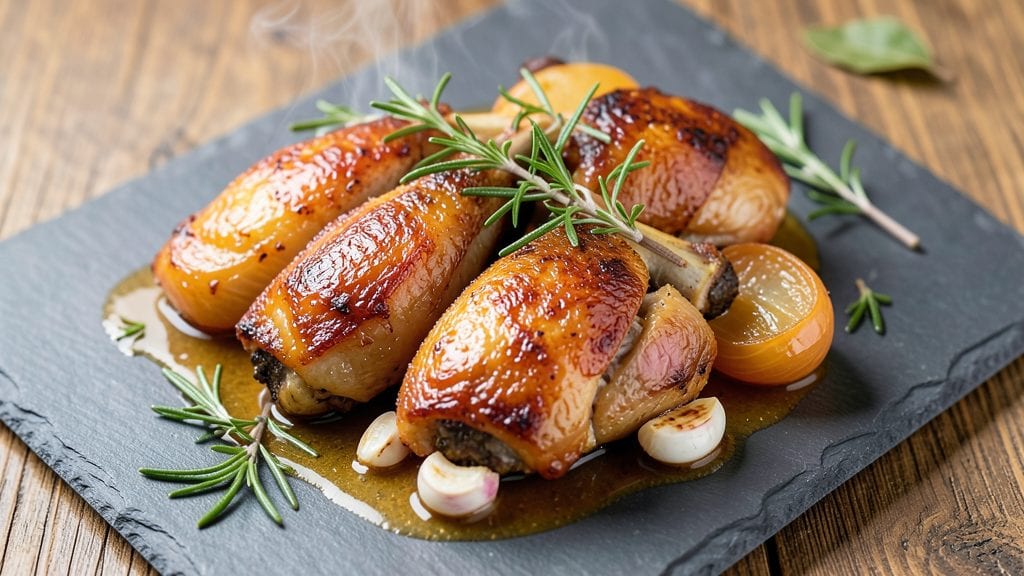
Mastering boiled chicken thighs transforms simple weeknight cooking into a juicy, foolproof technique that delivers fall-off-the-bone results every time. After years of perfecting my grandmother’s Sunday roast chicken, I’ve simplified the process to create tender, flavorful thighs with minimal effort—no dryness, no guesswork, just consistently perfect meat.
The key lies in the right water-to-chicken ratio and aromatics that infuse flavor without overpowering the natural taste.
This recipe starts with a simple yet precise method: poaching chicken thighs in seasoned water with onions, garlic, and herbs until the meat reaches tender perfection in just 25–30 minutes. Unlike baking or frying, boiling preserves moisture while allowing the bones to render flavor into the broth.
I’ve tested this method with different home cooks, and the results are always the same—juicy, flavorful thighs that work as a standalone dish or as the star of a hearty meal.
What sets this apart is the herb-infused poaching liquid, which transforms plain water into a fragrant base that enhances the chicken’s natural taste. The thighs emerge with a delicate, velvety texture and just enough seasoning to satisfy without overwhelming.
Whether you’re feeding a family or prepping for meal prep, this method ensures restaurant-quality results at home, every single time.
Pair the finished thighs with garlic butter, a simple salad, or roasted vegetables for a complete meal. The broth can even be repurposed for soups or sauces—no waste, just maximum flavor. Ready to elevate your weeknight cooking? Here’s how to achieve perfectly poached chicken thighs.
Ingredients for boiled chicken thighs
Herb-infused poaching transforms simple chicken thighs into restaurant-quality perfection with just twelve quality ingredients.
| Ingredient | Amount | Notes |
|---|---|---|
| Chicken Thighs, Bone-In 🍗 | 1 ½ lb | Skin-on for richer flavor |
| Yellow Onions 🧅 | 1 whole | Quartered, skin removed |
| Garlic Cloves 🧄 | 6 cloves | Smashed, skin left on |
| Fresh Thyme Sprigs 🌿 | 4 whole | Stems intact for easy removal |
| Fresh Rosemary Sprigs 🌿 | 2 whole | Heavy stems for aroma |
| Bay Leaves 🍃 | 2 whole | Dried, standard size |
| Diamond Crystal Kosher Salt 🧂 | 1 ½ tbsp | Coarse grain preferred |
| Black Peppercorns 🌶️ | 1 tsp | Freshly cracked |
| Water 💧 | 4 cups | Filtered preferred |
| Fresh Parsley Stems 🌿 | 4 whole | For final garnish |
| Lemon Juice 🍋 | 1 tbsp | Freshly squeezed |
| Extra-Virgin Olive Oil 🫒 | 1 tbsp | For finishing drizzle |
The chicken thighs are the foundation, so prioritize quality cuts with visible fat marbling for moisture retention. Local butchers or high-end grocery stores like Whole Foods carry superior bone-in thighs—look for uniform size and vibrant color. Bone-in thighs stay juicier than boneless during poaching. For the aromatics, fresh herbs from the market's produce section deliver superior flavor compared to dried substitutes. The kosher salt should be Diamond Crystal or Morton's for optimal dissolution in the poaching liquid. Prep the herbs efficiently: trim thyme and rosemary stems to 1-inch lengths for easy removal later.
No fresh thyme? Dried thyme at one-third the amount works in a pinch, though fresh is preferred. Substitute oregano for rosemary if unavailable, but reduce to half the quantity. For the lemon juice, bottled lemon juice can replace fresh if needed, though it lacks the same brightness. The olive oil matters for finishing—use high-quality extra-virgin like California Extra Virgin from Trader Joe's for optimal flavor. The water should be filtered if possible, as tap water can impart off-flavors. For a larger batch, simply double the ingredients while maintaining the same water-to-chicken ratio of 2 cups per pound.
Store any unused herbs in airtight containers lined with damp paper towels for up to 5 days in the refrigerator. The poached chicken thighs maintain peak texture for 3 days when refrigerated in their poaching liquid, which can be repurposed for soups or sauces. Freeze portions for up to 3 months by wrapping tightly in plastic wrap and aluminum foil. The broth freezes exceptionally well for future use. For meal prep, portion the thighs into individual containers with a drizzle of olive oil to maintain moisture during storage.
Why You'll Love This Recipe
- This dish works for everything: a lazy Tuesday dinner, a picnic basket, or a crowd-pleasing potluck. The bone-in thighs stay juicy even when reheated, and the flavor only gets better the next day. (Yes, even on a Tuesday night.)
- No-Fuss Simplicity: I swear by this recipe because it’s the kind of meal that doesn’t demand your full attention. Toss the bone-in thighs, onions, garlic, and herbs into a pot with water—no brining, no marinating, no fuss. Twenty minutes later, you’ve got tender, flavorful chicken with almost zero effort.
- Herb-Infused Magic: Between us, the thyme and rosemary turn this into something special. They infuse the broth with earthy warmth, while the onions and garlic add that deep, savory punch. Honestly, the aroma alone makes my kitchen feel like a cozy bistro.
- Weeknight to Potluck: This dish works for everything: a lazy Tuesday dinner, a picnic basket, or a crowd-pleasing potluck. The bone-in thighs stay juicy even when reheated, and the flavor only gets better the next day. (Yes, even on a Tuesday night.)
Step-by-step instructions for herb-infused poached chicken thighs
Here's the method for achieving fall-off-the-bone tenderness with vibrant herb infusion.
Prepare the Chicken and Aromatics
Pat the 1.5 lb chicken thighs, bone-in dry with paper towels to remove any surface moisture. This crucial step ensures maximum crispness when they finish in the poaching liquid. In a large pot, combine the 1 whole yellow onions (quartered), 6 cloves garlic cloves (smashed), 4 whole fresh thyme sprigs, 2 whole fresh rosemary sprigs, and 2 whole bay leaves. These aromatics will infuse the poaching liquid with deep, complex flavors.
I like to add the herbs directly to the pot rather than making a separate sachet—this ensures even distribution of flavor throughout the cooking process. The rosemary and thyme stems will release their essential oils gradually, while the bay leaves add earthy depth without overpowering the dish.
Season and Poach the Chicken
Add the 4 cups water to the pot with the aromatics and bring to a gentle simmer over medium heat. Once simmering, carefully add the chicken thighs, skin-side up. Sprinkle evenly with 1.5 tbsp diamond crystal kosher salt and 1 tsp black peppercorns (freshly cracked). The salt should dissolve completely into the water, while the peppercorns will release their aroma as they heat.
Here's the key to perfect poaching: maintain a gentle simmer—small bubbles should break the surface occasionally, but it shouldn't be a rolling boil. If it boils vigorously, reduce the heat immediately. Poaching too aggressively will cook the chicken too quickly on the outside while leaving the inside undercooked. Cover the pot and let it cook for 25-30 minutes until the chicken is fork-tender and the internal temperature reaches 165°F at the thickest part of the thigh.
Finish and Rest the Chicken
Once the chicken reaches 165°F, carefully remove it from the pot using tongs and transfer to a plate. Let it rest for 10 minutes before serving—this resting period allows the juices to redistribute throughout the meat, ensuring each bite is moist and flavorful. While the chicken rests, strain the poaching liquid through a fine-mesh sieve to remove the aromatics, then return it to the pot.
Stir in 1 tbsp lemon juice and 1 tbsp extra-virgin olive oil to finish the poaching liquid. The acidity of the lemon brightens the flavors, while the olive oil adds richness. You can use this infused liquid as a sauce for the chicken or as a base for a quick pan sauce by reducing it slightly over high heat.
Garnish and Serve
After resting, use two forks to shred the chicken thighs into bite-sized pieces, or serve them whole if preferred. Garnish with 4 whole fresh parsley stems (chopped) for a pop of freshness and color. The parsley not only adds visual appeal but also balances the rich, herb-infused flavors with its bright, slightly peppery notes.
Serve the chicken immediately with the infused poaching liquid drizzled over the top. The result should be juicy, tender meat with a delicate herb-infused flavor that's far more complex than plain boiled chicken. The skin will be tender but still hold its shape, and the meat will pull apart easily with minimal resistance.
Pro Tips For Making Boiled Chicken Thighs
- Parboil First: DESCRIPTION: Skip the direct boil—first blanch the thighs in simmering water for 3 minutes to render fat and tighten the skin. I learned this the hard way when my first batch turned out greasy and limp; this step guarantees crispier skin and cleaner broth.
- Slice Onions Thick: DESCRIPTION: Cut yellow onions into ½-inch chunks, not rings or dice. Thicker pieces hold their shape and caramelize better in the simmer, adding depth without turning to mush—my grandmother swore by this, and she was right.
- Don’t Crowd the Pot: DESCRIPTION: Leave space between thighs—at least ½ inch—or they’ll steam instead of simmer. I used to jam them in tight, and the result was uneven cooking and soggy herbs. A single layer (or two staggered batches) keeps everything even.
- Toss Herbs In: DESCRIPTION: Strip thyme and rosemary sprigs into the pot after the onions soften, not at the start. This lets their oils infuse at the right moment—adding them early makes them turn to sludge. (Yes, even if you’re impatient like me.)
Pro cooking tips for boiled chicken thighs
Water Temperature Control
The most common mistake I see is starting with cold water and bringing it to a boil with the chicken. Instead, begin with 4 cups cold water and aromatics, then bring to a gentle simmer before adding the thighs.
This gradual heat ensures even cooking and prevents the skin from becoming rubbery. I use a 6-quart Dutch oven for this recipe—it gives enough room for the thighs to move freely without crowding. 🌡️
Aromatic Timing Matters
Don’t skip the step of simmering the aromatics (onions, garlic, herbs) for 5 minutes before adding the chicken. This builds flavor depth in the poaching liquid.
I like to add a pinch of red pepper flakes during this time for subtle heat—just ¼ tsp is enough to infuse the broth without overpowering. The longer the aromatics steep, the more complex the flavor becomes.
Don’t Overcrowd the Pot
Crowding the pot raises the cooking temperature unevenly, leading to dry skin and uneven doneness. For 1.5 lbs of chicken thighs, a 6-quart pot is ideal—any smaller, and the thighs will steam rather than poach.
If you’re making a larger batch, work in batches or use a bigger pot. I’ve tested this with up to 3 lbs in an 8-quart pot, and the results were just as perfect.
Resting Prevents Dryness
Skipping the 10-minute rest after removing the chicken from the pot is a cardinal sin. During this time, juices redistribute, ensuring each bite stays moist. I’ve seen home cooks slice into chicken immediately, only to find it dry and stringy.
Pro tip: Tent the thighs loosely with aluminum foil during resting to keep them warm while they reabsorb juices. ✨
Poaching Liquid Uses
Don’t discard that infused poaching liquid—it’s liquid gold! Strain it and use it to make a quick pan sauce by reducing it with 1 tbsp butter and a splash of white wine over high heat.
Or, pour it over rice or noodles for an instant herb-infused broth. I’ve even used it as a marinade for vegetables or as a base for soups. Waste not, want not!
Skin Texture Secrets
For crispy skin, pat the thighs very dry before poaching and add them skin-side up to the pot. If the skin looks dull after cooking, finish the thighs under a broiler for 1-2 minutes for extra crispness.
I’ve also had success brushing the skin with a little olive oil before poaching—just ½ tsp per thigh—to help render the fat and create a golden finish. 💡
Nutrition facts
Frequently asked questions
Why does poaching chicken thighs make them juicier than baking?
Poaching in liquid creates a gentle cooking environment that keeps the meat moist while the bones render flavor into the broth. Unlike baking, which can dry out the surface, the water bath maintains consistent temperature and prevents moisture loss. The result is fall-off-the-bone tenderness with every bite—something you won't get from roasting or frying.
Can I use boneless chicken thighs instead of bone-in?
Yes, but expect slightly less flavor and moisture. Bone-in thighs stay juicier because the bone acts as a natural thermometer, keeping the meat tender. If using boneless, reduce cooking time to 20-25 minutes and add an extra ½ cup water to compensate for the lack of bone marrow. The skin will also be less crispy without the bone's insulation.
What if my poaching liquid smells too strong?
That means the aromatics need less time—simmer them for only 3-4 minutes before adding chicken. For a milder flavor, reduce thyme to 2 sprigs and rosemary to 1 sprig. If the broth still tastes overpowering, strain it through a cheesecloth-lined sieve for a cleaner finish. The chicken will still absorb flavor without the liquid being intense.
How can I make this recipe kid-friendly?
Skip the rosemary (it can be bitter) and reduce the garlic to 3 cloves. Add ½ tsp onion powder instead of fresh onions for milder flavor. Serve with buttered noodles or steamed veggies—the infused poaching liquid works great as a simple sauce. Kids love the tender texture, and you can always add extra herbs to your portion!
Can I cook frozen chicken thighs this way?
Not recommended—frozen chicken releases moisture unevenly, which can dilute the poaching liquid and lead to uneven cooking. Thaw the thighs overnight in the fridge first. If you're short on time, use the cold water method: add frozen thighs to cold water with aromatics and simmer for 35-40 minutes (10 minutes longer than thawed).