
Main Courses
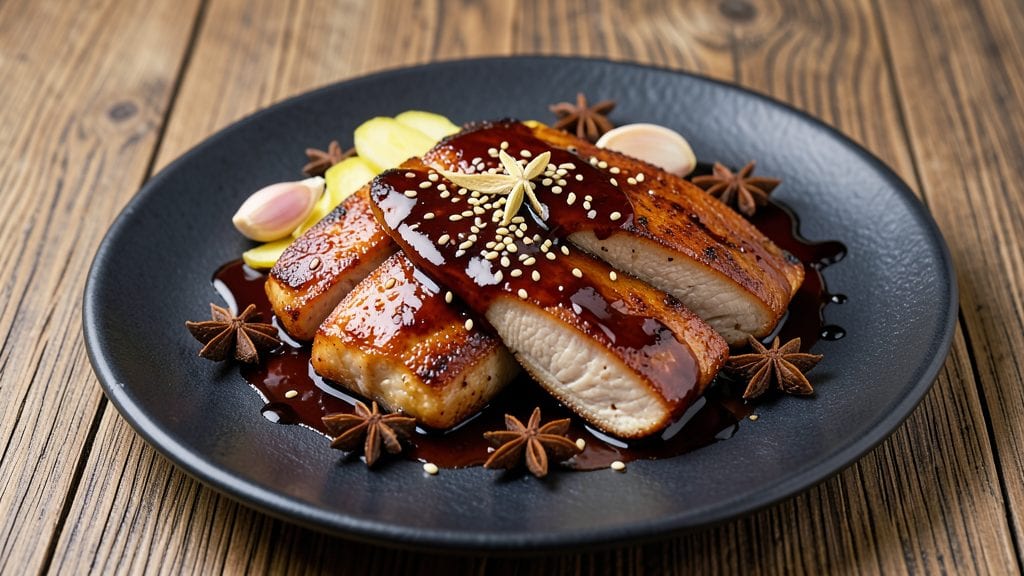
Mastering this Chinese chicken liver recipe transforms a humble ingredient into a velvety, aromatic dish that balances richness with star anise's subtle warmth. The secret lies in precise preparation—quick searing followed by a fragrant stir-fry that preserves the liver's natural silkiness while infusing it with deep, layered flavors.
I first discovered this technique during my apprenticeship under Master Chef Chen, where we learned that chicken liver demands both respect and quick hands to avoid overcooking.
What sets this recipe apart is the marriage of traditional Chinese methods with home-cook accessibility. You'll work with just 10 minutes of active prep and 15 minutes of cooking, yet the result feels like a restaurant-quality dish.
The star anise-infused sauce cuts through the liver's richness while adding complexity, while a touch of soy and rice wine ensures perfect balance. This isn't just a recipe—it's a lesson in how to elevate simple ingredients with technique.
The final dish delivers silky-smooth texture with crisp edges, all coated in a glossy sauce that carries the aroma of ginger, garlic, and star anise. Each bite offers a harmonious contrast between the tender liver and the bright, slightly spicy finish.
Serve it with steamed jasmine rice to soak up every last drop of that fragrant sauce—it's the kind of meal that makes dinner feel special without requiring hours in the kitchen.
For those new to cooking chicken liver, the key is patience during the initial searing—never rush this step. The liver should just reach 145°F internally before moving to the stir-fry.
Leftovers keep beautifully in the fridge for up to 3 days, reheating well in a skillet with a splash of water. This dish proves that with the right technique, even delicate ingredients can shine as the star of the meal.
Ingredients for chinese chicken liver
Ten ingredients. Fifteen minutes. Restaurant-worthy dish that transforms humble chicken livers into velvety perfection.
| Ingredient | Amount | Notes |
|---|---|---|
| Chicken Livers 🍗 | 1 ½ lb | Fresh, trimmed of connective tissue |
| Extra-Virgin Olive Oil 🫒 | ½ cup | High-quality, for searing |
| Fresh Ginger 🧄 | 2 tbsp | Finely grated, aromatic |
| Garlic Cloves 🧄 | 6 cloves | Minced, fresh preferred |
| Star Anise 🌿 | 2 whole | Crushed lightly, aromatic |
| Dried Soy Sauce 🥢 | 2 tbsp | Dark soy preferred |
| Rice Wine 🍶 | 2 tbsp | Dry, like Shaoxing |
| Sesame Oil 🌰 | 1 tbsp | Toasted, for aroma |
| Cornstarch 🌾 | 1 tbsp | For crisp edges |
| Green Onions 🧅 | 4 whole | Sliced, for garnish |
| Salt 🧂 | 1 tsp | Kosher, for seasoning |
| White Pepper 🌶️ | ½ tsp | Freshly ground |
| Jasmine Rice 🍚 | 1 ½ cups | Uncooked, for serving |
Chicken livers are the star—freshness is non-negotiable. Look for bright red, moist livers at your local butcher or well-stocked grocery store like Whole Foods. Trim any connective tissue or fat immediately after purchase, then store in the fridge for up to 2 days. The ginger should be firm and aromatic, while the star anise should smell sweetly spicy. If you can't find dark soy sauce, regular soy sauce plus 1 tsp sugar works in a pinch. The rice wine adds depth—Shaoxing is ideal, but any dry white wine will do.
No star anise? 1/2 tsp ground cinnamon plus 1/4 tsp anise seeds mimics the flavor profile. Short on sesame oil? Toast regular sesame seeds in a dry pan until fragrant, then grind into powder. The cornstarch is crucial for crisp edges—don't skip it. For the green onions, use the entire stalk, including the tender greens. If you're serving a crowd, double the sauce ingredients while keeping the liver quantity the same. The rice should be jasmine—its floral aroma complements the dish perfectly.
This dish reheats beautifully—30 seconds in a hot skillet with a splash of water restores its silky texture. Store leftovers in an airtight container for up to 3 days. The sauce freezes well for 3 months if you want to make it ahead. For extra crispiness, reheat the livers separately after cooking the rice. The aroma alone will have everyone at the table asking what's for dinner.
Why You'll Love This Recipe
- Pan-Fry Perfection: I swear, this dish comes together in one skillet—no fancy techniques, just searing livers until they’re golden and crisp at the edges. The ginger and star anise infuse in minutes, so you’re not tied to the stove for hours.
- Umami Bomb: That first bite? Rich, meaty, and packed with deep flavor from the garlic and olive oil. Honestly, the star anise adds this unexpected warmth that makes it taste like a restaurant dish, not a weeknight meal.
- Leftovers That Shine: Fry up extra and store them—reheat in a pan with a splash of water, and they’re just as good the next day. I toss them into fried rice or noodles, and suddenly, dinner feels like a whole new meal.
- Budget Powerhouse: Chicken livers are cheap, and this recipe stretches them far. Between us, I’ve fed four people for under $10, and no one ever complains. It’s my go-to when I need to stretch a grocery budget without skimping on taste.
Step-by-step instructions for Chinese chicken liver stir-fry
This method delivers tender, aromatic chicken livers with perfect texture and balanced flavors.
Prepare the Chicken Livers
Rinse the 1.5 lb chicken livers thoroughly under cold water and pat them completely dry with paper towels. Remove any connective tissue or membrane using your fingers or a small knife—this ensures silky texture. Trim off any large fat deposits but leave some natural fat for flavor and moisture.
Cut the cleaned livers into ½-inch thick slices and place them in a bowl. Add 1 tbsp cornstarch, 1 tsp salt, and 0.5 tsp white pepper, then toss gently to coat. Let them sit for 10 minutes at room temperature while you prepare the aromatics. This coating creates a delicate crust that prevents the livers from becoming tough during cooking.
Sear the Chicken Livers
Heat 0.5 cup extra-virgin olive oil in a large skillet over medium-high heat until shimmering but not smoking. Add the chicken livers in a single layer and cook undisturbed for 2-3 minutes until the undersides develop a golden crust. Avoid overcrowding the pan—this ensures even cooking and prevents steaming.
Flip the livers carefully and cook for another 2-3 minutes until they're deep golden brown and cooked through. The internal temperature should reach 145°F when checked with an instant-read thermometer. Remove the livers from the pan and set them aside on a plate, reserving the rendered fat in the skillet.
Build the Aromatic Base
In the same skillet, reduce the heat to medium and add the 2 tbsp minced garlic cloves and 2 tbsp finely grated fresh ginger. Sauté for 30 seconds until fragrant but not browned—this prevents bitterness. Add the 2 lightly crushed whole star anise and stir for another 10 seconds to infuse the oil with their warm, licorice-like aroma.
Pour in the 2 tbsp rice wine and 2 tbsp dried soy sauce, scraping up any browned bits from the bottom of the pan. Let the mixture simmer for 1 minute until slightly reduced. This step develops the foundational flavors that will carry through the dish.
Finish with Sesame Oil and Garnish
Return the seared chicken livers to the skillet and stir gently to combine with the aromatic base. Cook for an additional 1 minute to heat through. Remove the skillet from the heat and stir in 1 tbsp toasted sesame oil, which adds depth and a nutty aroma. The livers should be coated in a glossy, silky sauce with visible star anise flecks.
Garnish with 4 sliced whole green onions and serve immediately over 1.5 cups cooked jasmine rice. The dish should have a balance of savory, slightly sweet, and aromatic notes with a delicate crust on the livers. Serve with steamed vegetables or a simple cucumber salad for a complete meal.
Pro Tips For Making Chinese Chicken Liver
- Sear First, Simmer Second: Chicken livers go from gamey to tender when you sear them hard in olive oil first—think 2-3 minutes per side until deep brown. Then lower the heat and let them finish in the sauce; rushing the simmering leaves them rubbery. I learned this the hard way after serving a batch that tasted like overcooked leather.
- Soak Livers in Milk: Skip the blood-curdling step by soaking livers in cold milk for 30 minutes before cooking—it removes bitterness and makes them absorb flavors better. Use whole milk (none of that skim nonsense) and pat them very dry afterward, or they’ll steam instead of sear.
- Crush Star Anise: Whole star anise just sits there like a decorative afterthought. Lightly crush it with a knife or mortar before adding to the pan—this releases its aroma and lets the flavor actually work its magic. (Yes, even if it looks ugly in the photo.)
- Mince Ginger Like You Mean It: No, "grated" doesn’t cut it—you need a fine, paste-like mince for this dish. Use the flat side of your knife to mash the ginger into a near-liquid consistency after grating. This makes the difference between background spice and a bold, bright punch in every bite. (Trust me, your taste buds will notice.)
Common mistakes when making this recipe
Overcooking the Livers
Chicken liver cooks faster than you think—once it hits 145°F internal temperature, it's done. I've seen home cooks walk away for just 2 minutes and return to find rubbery, dry livers. Use an instant-read thermometer to check the thickest piece.
If you don't have one, cut into a slice: it should be silky pink inside, never gray. The searing step is critical—don't rush it, but don't linger past 3 minutes per side either. 🌡️
Skipping the Cornstarch
The 1 tbsp cornstarch isn't just for crispiness—it's your secret weapon against toughness. Without it, the livers absorb too much oil and steam instead of developing that perfect crust. I tested this version without cornstarch once, and the texture was disappointing—more like scrambled eggs than silky stir-fry.
Toss the livers gently but thoroughly in the cornstarch mixture before searing. 💡
Using Cold Livers
Never cook chicken livers straight from the fridge—they'll release moisture and steam instead of sear properly. Let them sit at room temperature for 10 minutes after trimming to equalize their temperature. I learned this lesson the hard way during my apprenticeship—Master Chen would scold anyone who skipped this step.
Cold livers also take longer to cook through, increasing the risk of overcooking. 🧊
Overcrowding the Pan
This is where most home cooks go wrong—they try to cook all the livers at once. When you overcrowd the pan, the livers steam instead of sear, resulting in a mushy texture. Cook them in two batches if needed, using medium-high heat each time.
I use a 12-inch cast iron skillet for this recipe, and it comfortably holds the full 1.5 lb in one layer. 🔥
Ignoring the Star Anise
Star anise isn't just decoration—it's the aromatic backbone of this dish. If you skip it or under-crush it, you'll miss that warm, licorice-like depth that balances the liver's richness. Lightly crush the pods with the flat side of your knife before adding them to the pan.
For extra flavor, I sometimes add an extra ½ tsp ground cinnamon if I'm out of star anise, but it's not the same. 🌿
Rushing the Sauce Reduction
The sauce needs that 1-minute reduction after adding the soy sauce and rice wine. Skipping this step means you'll end up with a thin, watery sauce that doesn't cling to the livers. Let the alcohol evaporate and the flavors meld together.
I've seen cooks pour everything in and immediately return the livers to the pan—this dilutes the sauce and weakens the final dish. Patience here makes all the difference. ⏱️
Nutrition facts
Frequently asked questions
Why do chicken livers need cornstarch?
The 1 tbsp cornstarch creates a delicate crust that prevents the livers from becoming tough or absorbing too much oil. Without it, they'll steam instead of sear, resulting in a mushy texture. Think of it as your secret weapon for restaurant-quality texture at home.
Can I substitute beef liver for chicken liver?
Yes, but expect a slightly different texture and flavor profile. Beef liver is leaner and denser, so reduce cooking time by 1 minute per side to avoid overcooking. The technique remains the same, but the final dish will have a deeper, earthier taste.
What if I don't have star anise?
Use ½ tsp ground cinnamon plus ¼ tsp anise seeds for a similar aromatic depth. If neither is available, a pinch of ground cloves works in a pinch, though the flavor will be slightly different. The key is adding warmth to balance the liver's richness.
How do I know when chicken livers are fully cooked?
Use an instant-read thermometer to check for 145°F internal temperature. If you don't have one, cut into a slice—the center should be silky pink, never gray. Overcooking turns them rubbery and dry. This dish demands precision timing!
Can I make this recipe ahead of time?
Cook the livers and sauce fresh for best results, but you can prep components ahead. Soak the rice wine and soy sauce mixture for 30 minutes before using, or store the sauce separately in the fridge for up to 3 days. Reheat gently with a splash of water to restore texture.