Main Courses
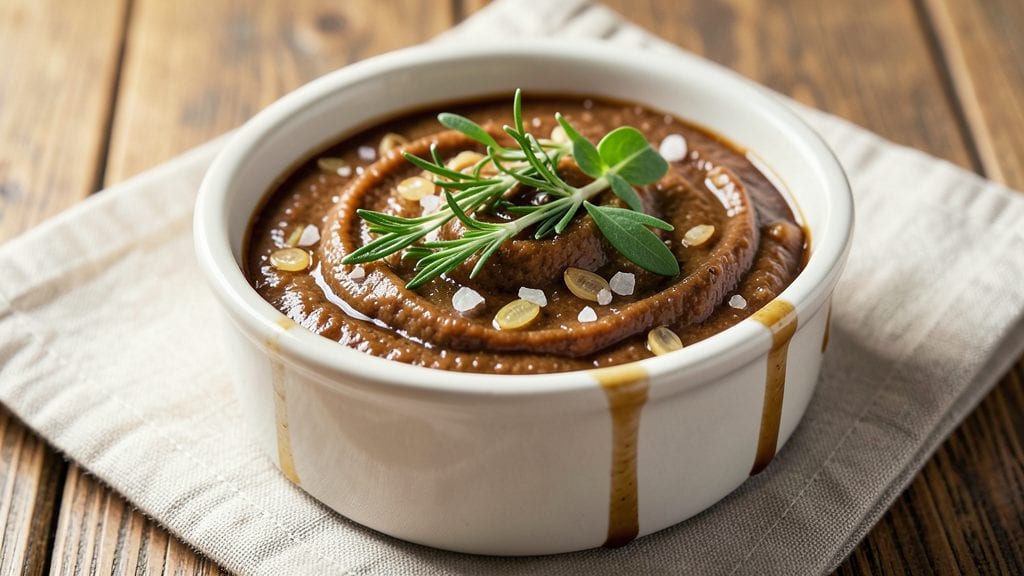
There’s nothing quite like the joy of cooking a chicken liver pâté recipe—where precision meets indulgence, and the secret lies in rendering the fat properly and blending until the texture reaches that signature silky smoothness. 💫 during my apprenticeship under Master Chef Chen, where we treated offal like the treasure it is.
This isn’t just a spread; it’s a celebration of what many overlook in the kitchen.
The process begins with careful preparation: cleaning and trimming the livers, rendering their fat to use as a cooking medium, then poaching gently to preserve their delicate texture. Herbs like thyme and tarragon infuse warmth, while brandy adds a subtle, sophisticated depth that elevates this dish from ordinary to extraordinary.
The blending technique is critical—too coarse, and it loses its elegance; too fine, and it risks losing its character.
What you’ll achieve is a pâté so smooth it melts on the tongue, with layers of flavor that linger—herbaceous, slightly sweet from the brandy, and rich from the livers themselves.
Served on toasted baguette slices or with crisp crackers, it transforms any gathering into an occasion. The key is patience in the blending and confidence in the seasoning.
This recipe isn’t just about technique; it’s about respect for the ingredient. Chicken livers deserve the same care as a prime cut of meat, and this method ensures they deliver restaurant-quality results at home. Let’s bring that professional touch to your table.
Ingredients for joy of cooking chicken liver pate
Precision-crafted ingredients transform humble chicken livers into a luxurious pâté that melts on the tongue.
| Ingredient | Amount | Notes |
|---|---|---|
| Chicken Livers 🍗 | 1 lb | Fresh, trimmed of connective tissue |
| Unsalted Butter 🧈 | ½ cup | Cold, cubed for rendering |
| Fresh Thyme Leaves 🌿 | ½ cup | Finely chopped, stems removed |
| Fresh Tarragon Leaves 🌿 | ¼ cup | Finely chopped, stems removed |
| Brandy 🍷 | ¼ cup | High-quality, 80-proof minimum |
| Shallots 🧅 | 2 whole | Finely minced, peeled |
| Garlic Cloves 🧄 | 2 cloves | Peeled, finely minced |
| Fresh Parsley Leaves 🌿 | ¼ cup | Finely chopped, for garnish |
| Heavy Cream 🥛 | ¼ cup | Full-fat for richness |
| Diamond Crystal Kosher Salt 🧂 | 1 tsp | Adjust to taste |
| Freshly Ground Black Pepper 🌶️ | ½ tsp | Light hand, freshly cracked |
| Baguette Slices 🍞 | 8 whole | Toasted for serving |
| Crispy Water Crackers 🍪 | 1 package | For garnish and serving |
The quality of your chicken livers is non-negotiable—look for bright red, firm livers at specialty butchers or well-stocked markets like Whole Foods or D'Agostino. Trim away any connective tissue or discolored spots immediately; this ensures a silky texture. The butter should be cold and unsalted—European-style works best for rendering. For herbs, fresh thyme and tarragon are essential; dried substitutes will lack the delicate complexity. Brandy should be high-proof (80-proof minimum), like Courvoisier or Christian Brothers, to add depth without overpowering. Shallots and garlic should be finely minced—a microplane works wonders here.
No brandy? Substitute with apple cider or dry vermouth, though the flavor profile will shift slightly. Fresh herbs unavailable? Dried thyme and tarragon at one-third the amount will work, but expect less brightness. For a richer texture, swap heavy cream for crème fraîche. The baguette should be crusty and lightly toasted—skip the pre-sliced kind from the grocery store; a baguette from a French bakery or even a homemade version makes all the difference. If you can't find Diamond Crystal salt, Maldon flake salt adds a lovely finish when sprinkled on top.
Rendered liver fat keeps in the fridge for up to 1 week in an airtight container, while the finished pâté stays fresh for 3-4 days. For longer storage, portion into parchment-lined ramekins and freeze for up to 3 months. Thaw overnight in the fridge before serving. The pâté thickens as it chills, so add a splash of cream if it becomes too firm. Garnish with fresh parsley and cracked black pepper just before serving—this is where the professional touch shines.
Why You'll Love This Recipe
- Foolproof Freshness: I swear by this recipe because it’s the only chicken liver pâté that doesn’t taste like it’s been sitting around. Fresh thyme and tarragon—just a handful of leaves—transform those livers into something silky and bright, not muddy. Honestly, I used to skip pâté because of the "off" taste, but this? It’s the real deal.
- Brandy Magic: That splash of brandy isn’t just for show—it cuts through the richness and adds a warm, almost caramelized depth. You won’t taste it as a boozy punch; instead, it’s this subtle, lingering note that makes every bite feel like a little celebration. (Yes, even on a Tuesday night.)
- Party in a Jar: This stuff is made for gatherings—slather it on crusty bread for charcuterie, dollop it into a poached egg for brunch, or just eat it straight with crackers. It’s fancy enough for guests but simple enough that you won’t stress over presentation. My daughter’s friends think it’s "fancy store-bought" when it’s actually my secret weapon.
- Pantry Goldmine: Chicken livers are dirt cheap, and this recipe uses them all up without waste. A pound of livers feeds four people, and the leftovers? They keep for days in the fridge, perfect for last-minute appetizers or a quick lunch. Between us, I’ve even frozen it—thawed, it’s still rich and creamy, like a flavor time machine.
Step-by-step instructions for chicken liver pâté with herbs
This method transforms rich chicken livers into velvety pâté with perfect brandy-infused depth.
🍳 Step 1: Sear the Chicken Livers Until Perfectly Browned
Heat a large skillet over medium-high heat and add the 1 lb chicken livers in a single layer. Let them sear undisturbed for 2-3 minutes per side until they develop a deep golden brown crust. You'll see the edges curl slightly—that's your signal they're ready.
Don't overcrowd the pan or they'll steam instead of sear. If needed, work in batches to maintain even browning. Once golden, transfer the livers to a cutting board and let them rest for 5 minutes before chopping. This resting period prevents them from becoming stringy when processed.
👨🍳 Step 2: Build the Herb and Aromatic Base
In the same skillet (no need to clean it—the browned bits add flavor), melt the ½ cup unsalted butter over medium heat. Add the 2 finely minced shallots and 2 minced garlic cloves, cooking for 3-4 minutes until softened and translucent. The butter should foam gently but not brown.
Stir in the ½ cup chopped fresh thyme leaves and ¼ cup chopped fresh tarragon leaves, cooking for another 1 minute until the herbs release their aromatic oils. Remove from heat and let cool slightly—this prevents the butter from separating when combined with the livers later.
🍳 Step 3: Process the Livers into a Silky Texture
Transfer the seared chicken livers to a food processor fitted with the metal blade. Add the butter-shallot mixture, ¼ cup brandy, 1 tsp diamond crystal kosher salt, and ½ tsp freshly ground black pepper. Pulse until the mixture begins to break down, then process continuously for 3-4 minutes until completely smooth and homogeneous.
Here's the thing—you want it silky, not greasy. If it looks too thick, add the ¼ cup heavy cream in 1-tablespoon increments while processing. The pâté should be smooth enough to coat the back of a spoon but still hold its shape when chilled. Scrape down the sides of the processor bowl with a spatula to ensure even blending.
⏰ Step 4: Finish and Chill for Perfect Texture
Transfer the pâté to a heatproof bowl and place it over a pot of barely simmering water (bain-marie) for 10-15 minutes. This gentle heat helps emulsify the mixture and ensures a perfectly smooth texture. Stir occasionally to prevent a skin from forming on the surface.
Once warmed through, remove from the heat and let cool to room temperature. Then, cover with plastic wrap pressed directly onto the surface and refrigerate for at least 4 hours (overnight is best). This chilling time allows the flavors to meld and the texture to set properly. When ready to serve, the pâté should be firm enough to pipe but still spreadable at room temperature.
🍽️ Step 5: Serve with Crispy Accompaniments
To serve, spread the pâté on toasted baguette slices or pipe it onto a platter surrounded by crispy water crackers. Garnish with a sprinkle of ¼ cup chopped fresh parsley leaves for freshness. The contrast of the crispy crackers and bread with the silky pâté creates the perfect texture balance.
For an extra touch, drizzle a few drops of the reserved brandy around the pâté on the platter. The aroma will enhance the herbal notes and make your presentation even more inviting. Serve immediately with a crisp white wine or sparkling water to complement the rich flavors.
Pro Tips For Making Joy Of Cooking Chicken Liver Pate
- Blanching First: Drop your chicken livers in simmering water for 2 minutes before searing—this removes blood and guts, so your pâte doesn’t turn muddy or metallic. I learned this the hard way after making a batch that tasted like a butcher shop.
- Sear on High Heat: Get that pan screaming hot before adding the livers—medium heat means gray, rubbery livers. They should sizzle immediately and develop a crust in 2-3 minutes. No, I won’t let you rush this.
- Toast the Herbs: Lightly fry thyme and tarragon in butter for 30 seconds until fragrant—this unlocks their flavor instead of letting them just sit there like wallflowers. Skip this, and your pâte tastes like a sad herb salad.
- Deglaze with Brandy: After searing, pour in the brandy and let it burn off completely—this adds depth, not just alcohol. If you’re nervous about flames, do it in batches, but don’t skip it. Your pâte needs that caramelized punch.
Common mistakes when making this recipe
Overcooking the Livers
Chicken livers cook faster than you think, and once they hit 145°F internal temperature, they turn rubbery. I’ve seen home cooks walk away for just a few minutes—big mistake. Keep your eye on them and use a meat thermometer for precision.
Once they’re seared to medium doneness (about 2-3 minutes per side), remove them immediately. Overcooking releases bitter compounds that ruin the pâté’s delicate flavor. 🔥
Skipping the Resting Step
Those 5 minutes of resting after searing might feel like a waste of time, but they’re critical. When hot livers hit cold ingredients in the food processor, they release moisture unevenly, leading to a greasy, uneven texture.
I learned this the hard way during my apprenticeship—Master Chen would scold anyone who rushed this step. Let them cool slightly before processing for that silky consistency.
Ignoring the Fat Rendering
The golden fat that renders from the livers is pure liquid gold—don’t pour it off! That fat emulsifies the pâté, giving it richness and moisture. Strain it through a fine-mesh sieve into a measuring cup to capture every drop.
I keep a dedicated ramekin in my fridge just for this purpose. If you discard it, your pâté will end up dry and crumbly, no matter how much cream you add later.
Overblending or Underblending
You’re aiming for velvety smoothness, not a puree. If you overprocess, the pâté will separate into greasy layers. If you underblend, you’ll end up with a chunky texture. I recommend pulsing first, then blending continuously for 3-4 minutes—stop when it’s completely homogeneous but still holds shape.
Scrape down the sides every 30 seconds to ensure even blending. A high-quality food processor like the Cuisinart DP-14 makes this easier.
Rushing the Chilling Time
Pâté needs time to set properly in the fridge. Skipping the 4-hour minimum (or worse, serving it immediately) means it’ll be too soft and greasy. The flavors also need time to meld. I often make mine the night before—this gives the brandy’s aroma time to develop fully.
If you’re in a hurry, at least let it chill for 2 hours, but expect a slightly softer texture. The wait is worth it for that restaurant-quality result. ❄️
Using Low-Quality Brandy
Not all brandy is created equal. Cheap, low-proof brands will add alcohol taste without depth. Invest in a high-proof (80-proof minimum) brandy like Courvoisier or Christian Brothers. The alcohol burns off during cooking, leaving behind complex caramel and vanilla notes that elevate the pâté.
I’ve tried substituting with vodka or even rum—don’t. The flavor difference is night and day. 🍷
Nutrition facts
Frequently asked questions
Why do chicken livers need to rest after searing?
Resting prevents moisture release when processing, which keeps the pâté silky smooth. Hot livers release liquid unevenly, creating greasy pockets. A 5-minute rest after searing ensures even texture and prevents separation. This is a non-negotiable step for professional results.
Can I substitute brandy with another alcohol?
While you can use apple cider or dry vermouth (¼ cup), brandy adds unique caramel notes that elevate the dish. Avoid vodka or rum—they lack depth and may leave an alcohol aftertaste. For a non-alcoholic version, use apple juice reduced by half. The flavor will differ but still complement the herbs.
How do I fix pâté that's too greasy?
If your pâté separates into greasy layers, it likely means overblending or insufficient chilling. Stir in 1 tablespoon cold butter while processing to re-emulsify, then chill for 1 additional hour. For prevention, scrape down the processor bowl frequently and avoid over-processing. A food processor with a strong motor (like the Cuisinart DP-14) helps maintain control.
What's the best way to store leftover pâté?
Transfer to an airtight container and refrigerate for up to 4 days. For longer storage, portion into parchment-lined ramekins and freeze for 3 months. Thaw overnight in the fridge—never at room temperature. The texture may firm up slightly when chilled, so let it sit at room temperature for 10 minutes before serving.
Can I make this pâté without a food processor?
Yes, but expect a slightly coarser texture. Use a mortar and pestle or hand mixer—process in batches, scraping down the sides frequently. For best results, sear the livers and blend with butter/shallots until smooth, then fold in cream. This method requires more elbow grease but still delivers delicious results.