
Main Courses
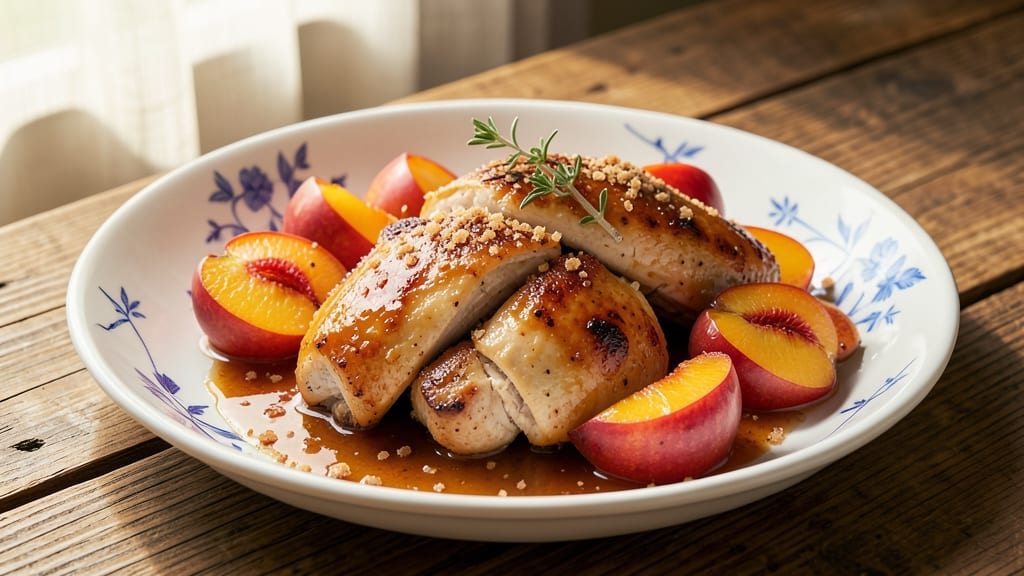
This chicken with canned peaches recipe transforms humble ingredients into a restaurant-worthy dish that balances sweet and savory flavors with precision. The secret lies in a sweet-tart sauce that caramelizes just enough to create a glossy, flavorful coating while keeping the chicken tender and juicy.
After years of experimenting with canned fruit in savory dishes, I've perfected this method to achieve a harmonious blend that surprises even skeptics.
The dish begins with pan-seared chicken thighs or breasts, their golden crust forming while the sauce simmers down into a velvety consistency. Canned peaches add natural sweetness and a subtle tang, while a splash of apple cider vinegar brightens the sauce and cuts through the richness.
This technique ensures the chicken remains moist—no dry, overcooked results here.
By the time you serve this dish, you'll have perfectly balanced flavors: caramelized edges on the chicken, a glossy sauce that clings to each bite, and a texture that's both tender and satisfying.
The contrast between the savory chicken and the sweet-tart sauce creates a memorable dining experience that's as elegant as it is approachable.
Pair it with fluffy mashed potatoes or crusty bread to soak up every last bit of sauce, or serve over a bed of quinoa for a lighter option.
The recipe scales easily for gatherings, making it ideal for both weeknight dinners and special occasions. Let's create this dish together—it's simpler than you think.
Ingredients for chicken with canned peaches
Twelve ingredients create a perfect harmony of sweet and savory flavors in this refined dish.
| Ingredient | Amount | Notes |
|---|---|---|
| Boneless, Skinless Chicken Thighs 🍗 | 1 ½ lb | Cut into even-sized pieces |
| Canned Peaches in Juice 🍑 | 1 can | 15 oz can, drained and chopped |
| Apple Cider Vinegar 🍊 | ¼ cup | For tangy brightness |
| Unsalted Butter 🧈 | ½ cup | Full-fat for richness |
| All-Purpose Flour 🌾 | ¼ cup | For thickening sauce |
| Brown Sugar 🍯 | ¼ cup | Light or dark variety |
| Garlic Cloves 🧄 | 4 cloves | Minced for aromatic depth |
| Diamond Crystal Kosher Salt 🧂 | 1 tsp | For seasoning balance |
| Freshly Ground Black Pepper 🌶️ | ½ tsp | Enhances overall flavor |
| Extra-Virgin Olive Oil 🫒 | 1 tbsp | For pan-searing chicken |
| Fresh Thyme Leaves 🌿 | ¼ cup | Chopped for herbal notes |
| Ground Cinnamon 🌶️ | ½ tsp | Adds subtle warmth |
| Water 💧 | ¼ cup | For sauce consistency |
The quality of your canned peaches makes all the difference—opt for brands like Del Monte or Dole for consistent texture and flavor. Boneless, skinless chicken thighs are ideal; their higher fat content prevents drying during the cooking process. For the apple cider vinegar, choose a 100% pure, unpasteurized variety from Mott's or Texas Pete to maximize tang. The unsalted butter should be European-style (like Plugrá) for superior flavor and higher smoke point. Fresh thyme from the grocery store's produce section (not dried) adds depth, but if unavailable, dried thyme at one-third the amount works in a pinch. Brown sugar should be lightly packed—don't scoop directly from the bag, or your sauce will be too dry.
No canned peaches? Fresh peaches work beautifully—simmer them with a splash of water to soften before adding to the sauce. Apple cider vinegar can be swapped for white wine vinegar (use half the amount) or lemon juice (same quantity). Running short on butter? Olive oil in equal measure maintains richness, though the flavor profile shifts slightly. All-purpose flour can be replaced with cornstarch for a gluten-free option, though texture will differ. The garlic can be pre-minced from a jar (like Gourmet Garden) if fresh isn't available, but freshly minced adds superior aroma. For a spicier kick, add a pinch of red pepper flakes alongside the cinnamon. The water measurement is flexible—add more if the sauce thickens too quickly.
This dish reheats beautifully—store leftovers in an airtight container for up to 4 days in the fridge. For longer storage, portion into freezer-safe containers and freeze for up to 3 months. The sauce thickens as it cools, so add a splash of water or vinegar when reheating. Double the recipe for gatherings; the sauce scales perfectly. Fresh herbs (like thyme) can be stored in the fridge for up to 1 week by wrapping them in damp paper towels and sealing in a plastic bag. Butter should be kept in the freezer if not used within 3 months to preserve freshness.
Why You'll Love This Recipe
- Pantry Magic Unlocked: I swear by this combo—no fresh peaches needed. That canned peach juice? It’s the secret: sweet, tangy, and ready to go. Honestly, I keep a few cans on hand just for this.
- Sweet-Savory Balance: The apple cider vinegar cuts through the richness of the butter and flour coating, while the peaches add a jammy, caramelized depth. It’s like a hug for your taste buds—comforting but not heavy.
- Weeknight Wonder: Toss in the chicken, dump the peaches, and let it simmer. No fancy plating, no stress. My kids eat it straight from the pan, and I still get compliments. (Yes, even on a Tuesday night.)
- Budget-Friendly Feast: Chicken thighs stretch for days, and canned peaches? A steal. I’ve made this for potlucks, lazy Sundays, and even repurposed it into sandwiches. Minimal cost, maximum satisfaction—every time.
Step-by-step instructions for chicken with canned peaches recipe
This method balances sweet, tart, and savory elements for a harmonious dish that delivers perfect texture and flavor every time.
Prepare and Sear the Chicken
Pat the 1.5 lb boneless, skinless chicken thighs dry with paper towels—this ensures maximum browning. Cut them into even-sized pieces about 1-inch thick for uniform cooking. Season both sides generously with 1 tsp diamond crystal kosher salt and 0.5 tsp freshly ground black pepper, pressing the seasoning into the meat so it adheres.
Heat 1 tbsp extra-virgin olive oil in a large skillet over medium-high heat until shimmering. Add the chicken pieces in a single layer, leaving space between them to prevent steaming. Sear undisturbed for 4-5 minutes until the undersides develop a deep golden-brown crust. Flip carefully and cook another 4-5 minutes until the chicken reaches 165°F internally—it should release easily from the pan. Remove the chicken and set aside on a plate, tented loosely with foil to retain heat.
Build the Sweet-Tart Sauce Base
In the same skillet (no need to wipe it clean—the browned bits add depth), reduce the heat to medium and add 0.5 cup unsalted butter. Let it melt completely, then add 4 cloves minced garlic cloves and 0.25 cup fresh thyme leaves. Sauté for 1-2 minutes until the garlic is fragrant but not browned—this prevents bitterness. Stir in 0.25 cup all-purpose flour and cook for 30 seconds, whisking constantly to remove any raw flour taste.
Gradually whisk in 0.25 cup apple cider vinegar and 0.25 cup brown sugar, scraping up any browned bits from the bottom of the pan. This creates the signature sweet-tart balance. Pour in 0.25 cup water and bring the mixture to a gentle simmer, stirring frequently to prevent lumps. Let it cook for 3-4 minutes until slightly thickened—it should coat the back of a spoon but still be pourable.
Incorporate Peaches and Finish the Sauce
Drain and chop the 1 can canned peaches in juice, reserving 2 tbsp of the juice for the sauce. Add the chopped peaches to the simmering mixture along with the reserved juice. Stir in 0.5 tsp ground cinnamon and let the sauce cook for 2-3 minutes until the peaches soften slightly and the flavors meld. Taste and adjust seasoning—you may need a pinch more salt or sugar to balance the sweet-tart profile.
Return the chicken to the skillet and spoon the sauce generously over the top. Let it simmer together for 2 minutes to allow the chicken to absorb the flavors. The sauce should coat the chicken evenly, creating a glossy finish. If it thickens too much, whisk in 1 tbsp water to reach your desired consistency.
Rest and Serve for Optimal Texture
Transfer the chicken and sauce to a serving platter and let it rest for 5 minutes before serving. This brief resting period ensures the chicken stays juicy and the sauce sets slightly, making it easier to plate. Garnish with an additional sprinkle of fresh thyme leaves for a pop of color and freshness.
Serve immediately over mashed potatoes, rice, or crusty bread to soak up the luscious sauce. Each bite should deliver tender chicken with a crispy edge, complemented by the sweet-tart peach sauce that balances richness with acidity. The cinnamon adds a subtle warmth that ties everything together perfectly.
Pro Tips For Making Chicken With Canned Peaches
- Brown the Chicken First: Skip the direct simmer—pat the thighs dry, then sear them 3-4 minutes per side in butter until golden. I learned this the hard way: skipping the browning leaves you with pale, bland chicken that just soaks up the peach syrup without any depth. The crust adds texture and flavor that canned peaches alone can’t match.
- Drain and Rinse Peaches: Open the can, dump the peaches into a colander, and rinse them quickly under cold water. The syrup’s sweetness is great, but it’s also a sugar bomb that can make the sauce cloying. A quick rinse cuts the syrup by half without losing the fruit’s natural sweetness—trust me, your sauce will thank you.
- Deglaze with Vinegar First: After browning the chicken, immediately pour in the apple cider vinegar and let it bubble for 30 seconds before adding anything else. This cuts through the butter’s richness and brightens the whole dish. I used to add it later, and the flavor just felt muted—like the vinegar got lost in the sauce.
- Thicken with Cold Butter: Whisk the flour into the sauce off the heat, then stir in cold cubes of butter one at a time. The cold fat creates a smoother, glossier finish than melted butter ever will. Yes, it’s an extra step, but the result is a sauce that coats the chicken like silk instead of clinging in greasy clumps.
Troubleshooting your chicken with canned peaches
Chicken Too Dry?
Overcooking is the #1 culprit for dry chicken in this dish. Use a meat thermometer to pull chicken at 165°F—no higher! I’ve found that bone-in, skin-on thighs stay juicier than breasts, thanks to their higher fat content.
If using breasts, brining them in 1 cup water + 1 tbsp salt for 30 minutes before cooking adds moisture. Also, don’t skip the rest time—those 5 minutes after cooking let juices redistribute. 💡
Sauce Too Thin?
The sauce can thin out if you rush the simmering process. Always cook it on medium heat and stir frequently to avoid lumps. If it’s still too thin after 3-4 minutes, mix 1 tbsp cornstarch with 1 tbsp cold water, then whisk it into the sauce.
For extra richness, add 1 tbsp extra butter at the end. I’ve also had success reducing the sauce uncovered for 1-2 extra minutes to evaporate excess liquid. 🔥
Peaches Too Tart?
If the canned peaches taste overly acidic, balance them with 1 extra tbsp brown sugar or ½ tsp honey. For a smoother texture, mash the peaches slightly before adding them to the sauce.
If you’re using fresh peaches, simmer them with 1 tsp sugar for 2 minutes first to soften and mellow their flavor. I’ve also found that peach nectar (instead of juice) adds natural sweetness without overpowering the dish. 🍑
Sauce Too Thick?
A thick sauce happens when the pan gets too hot or the liquid reduces too quickly. To fix it, whisk in 1-2 tbsp water or apple cider vinegar while stirring constantly. For a silkier texture, blend the sauce briefly with an immersion blender (strain if you prefer no peach chunks).
If the sauce separates, whisk in 1 tbsp cold butter to re-emulsify it. 💫
Flavor Imbalance?
If the dish tastes too sweet, add 1 extra tbsp apple cider vinegar or a pinch of salt to brighten it. For a savory boost, stir in ½ tsp smoked paprika or 1 tsp Dijon mustard.
If it’s too tangy, balance with ½ tsp more brown sugar or a splash of peach nectar. Taste as you go—adjusting in small increments prevents overcorrecting. 🌶️
Equipment Shortcuts?
No skillet? Use a large oven-safe pot or even a deep baking dish—just monitor the heat closely to avoid burning. No whisk? A fork or wooden spoon works fine for stirring.
For a hands-off approach, simmer the sauce in a slow cooker on low for 1 hour, stirring occasionally. If you’re short on time, microwave the sauce in 30-second bursts, stirring between each, until thickened. 💪
Nutrition facts
Frequently asked questions
Can I use canned peaches in syrup instead of juice?
Yes, but you'll need to adjust the recipe slightly. Drain the peaches well and reduce the water in the sauce by 2 tbsp since syrup contains more liquid. The extra sweetness from the syrup may require reducing the brown sugar to 0.2 cup to maintain balance. Taste and adjust the seasoning after cooking.
What's the best way to store leftovers?
Transfer the dish to an airtight container and refrigerate for up to 4 days. The sauce will thicken slightly when chilled, so add 1 tbsp water or vinegar when reheating. For longer storage, freeze portions for up to 3 months. Thaw overnight in the fridge before reheating gently on the stove.
Can I substitute chicken breasts for thighs?
You can, but chicken breasts cook faster and are more prone to drying out. Use bone-in, skin-on breasts for better moisture retention. Cook them for 5-6 minutes per side instead of 4-5 minutes, and consider brining them for 30 minutes beforehand. Remove breasts when they reach 165°F and let them rest before adding to the sauce.
How can I make this dish spicier?
Add ½ tsp cayenne pepper or 1 tsp smoked paprika to the sauce for a subtle heat. For more pronounced spice, stir in 1 tbsp hot sauce at the end or serve with a side of pickled jalapeños. You can also add ½ tsp red pepper flakes when building the sauce base for a gradual build of flavor.
What are the best sides to serve with this dish?
This sweet-savory dish pairs beautifully with creamy mashed potatoes, buttery cornbread, or crusty sourdough bread for dipping. For a lighter option, try wild rice pilaf or roasted Brussels sprouts. The tartness of the sauce also complements cooling cucumber salad or fresh green beans.