
Main Courses
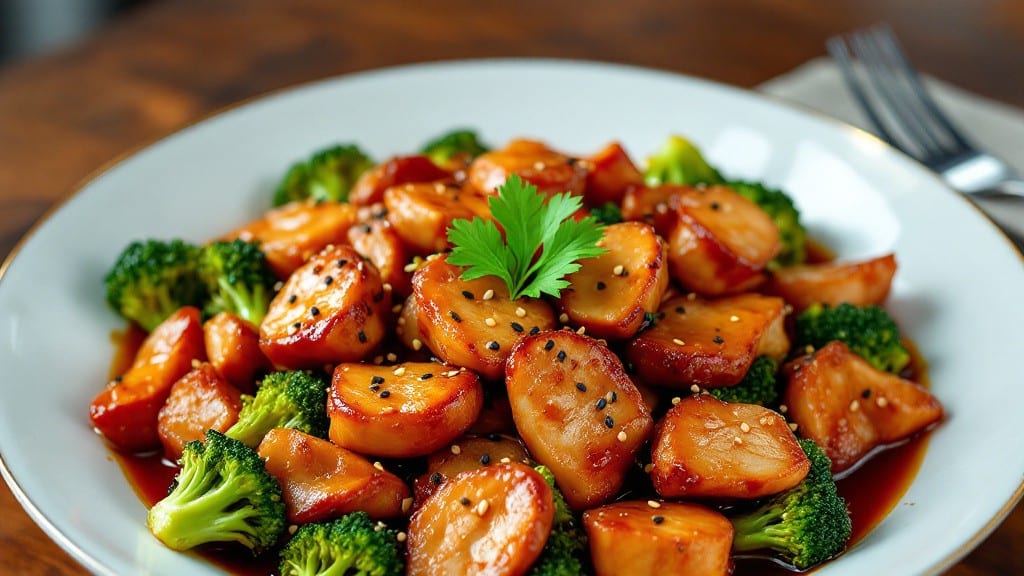
This authentic Chinese chicken and broccoli stir fry delivers the restaurant-quality balance of crisp-tender chicken and vibrant broccoli that's been missing from my weeknight repertoire. The secret lies in proper wok technique and a homemade oyster sauce that transforms simple ingredients into something truly special.
I've been perfecting this recipe for years, and it never fails to impress.
The foundation of an authentic stir fry is high heat and quick cooking—this prevents mushy vegetables and rubbery chicken. We'll start with properly blanched broccoli to maintain its bright green color and crisp texture, then sear the chicken until golden brown before combining everything in the wok.
The homemade oyster sauce adds that signature umami depth that separates home versions from restaurant-quality dishes.
What you'll end up with is a dish that's perfectly balanced—crisp-tender chicken pieces with bright, vibrant broccoli florets, all coated in a glossy sauce that's both sweet and savory.
The aroma alone will have everyone gathering around the table, and the first bite delivers that satisfying combination of textures and flavors that makes this dish a classic for a reason.
This recipe works equally well as a weeknight family meal or when hosting dinner guests. The technique is straightforward once you understand the key principles, and the ingredients are simple to find at any grocery store. Let's create an authentic Chinese experience in your own kitchen.
Ingredients for authentic chinese chicken and broccoli stir fry
Fourteen ingredients deliver restaurant-quality stir fry with authentic umami and crisp-tender textures.
| Ingredient | Amount | Notes |
|---|---|---|
| Boneless, Skinless Chicken Breast 🍗 | 1 ½ lb | Cut into 1-inch cubes, pounded even |
| Fresh Broccoli Florets 🥦 | 2 cups | Large florets, stems trimmed |
| Oyster Sauce 🍶 | ½ cup | Homemade or high-quality bottled |
| Light Soy Sauce 🍶 | ¼ cup | Kikkoman preferred for authentic flavor |
| Dark Soy Sauce 🍶 | 1 tbsp | For color depth, optional but recommended |
| Sesame Oil 🫒 | 1 tbsp | Toasted, for aroma |
| Cornstarch 🌾 | 2 tbsp | For crisp-tender chicken |
| Neutral Oil (Peanut or Vegetable) 🫒 | ½ cup | High smoke point for wok hei |
| Garlic Cloves 🧄 | 6 cloves | Minced, for sauce base |
| Fresh Ginger 🌿 | 1 tbsp | Finely grated, for aromatic depth |
| Green Onions 🧅 | 3 whole | Cut into 1-inch pieces, white and green |
| Brown Sugar 🍯 | 1 tbsp | For balancing sweetness |
| White Peppercorns 🌶️ | ½ tsp | Freshly cracked, not pre-ground |
| Sesame Seeds 🌾 | 1 tbsp | Toasted, for garnish |
| Diamond Crystal Kosher Salt 🧂 | 1 tsp | For seasoning, not iodized |
The chicken breast is critical—look for uniform thickness to ensure even cooking. Kroger's or Costco carry high-quality cuts; trim any visible fat for optimal searing. Pound the pieces to even 1/2-inch thickness using a meat mallet or rolling pin. For broccoli, select vibrant florets with tight buds—avoid yellowing stems. The oyster sauce should be rich and slightly viscous; Lee Kum Kee is a reliable brand if making homemade isn't feasible, though authentic versions use oyster mushrooms or fresh oysters reduced with sugar and soy. Store-bought oyster sauce often contains additives, so homemade elevates the dish significantly.
Substitutions should preserve balance: dark soy sauce can be omitted if unavailable, but the dish will lack depth. Sesame oil can be replaced with toasted peanut oil at equal volume, though flavor differs slightly. For ginger, substitute 1 tsp ground ginger if fresh isn't available, but texture will vary. Cornstarch—it's essential for achieving that signature crisp-tender texture. The brown sugar can be swapped for white sugar, though caramelization will differ. For a vegetarian version, replace chicken with extra-firm tofu pressed and cubed, increasing cornstarch to 3 tbsp. All ingredients should be measured precisely; imperial measurements are critical for achieving the proper sauce-to-ingredient ratio.
Proper storage maximizes freshness: chicken and broccoli should be refrigerated separately in airtight containers for no more than 2 days before cooking. Oyster sauce and soy sauces keep indefinitely in the pantry, though homemade sauce should be refrigerated for up to 2 weeks or frozen for 3 months. Sesame oil should be stored in a cool, dark place to prevent rancidity. For meal prep, cook the chicken and broccoli separately, storing them in separate containers with the sauce on the side. Reheat in a wok or skillet over high heat for 2-3 minutes to restore crispness. Garnish with toasted sesame seeds just before serving to preserve their aroma.
Why You'll Love This Recipe
- One-Pan Magic: I swear by this method—just chicken, broccoli, and a hot wok. No fancy gadgets, no mess, and honestly, the broccoli stays crispier than my takeout leftovers.
- Umami Bomb: That combo of oyster sauce and dark soy sauce? It’s the secret weapon. The chicken gets this glossy, savory crust while the broccoli soaks up just enough salt to make every bite ridiculously good.
- Lunchbox Hero: Between us, this is my go-to for meal prep. Double the batch, store it in containers, and reheat—still tastes fresh. My kids (and my lazy self) love it cold or warm.
- Budget Win: Chicken breast and broccoli are cheap staples, but the sauce makes it feel special. I’ve fed four people for under $15, and no one complains about the leftovers. (Yes, even on a Tuesday night.)
Step-by-step instructions for authentic Chinese chicken and broccoli stir fry
Mastering this wok technique delivers restaurant-quality texture and flavor every time.
Prepare the Chicken for Maximum Crisp-Tenderness
Cut the 1.5 lb boneless, skinless chicken breast into 1-inch cubes, then place each piece between two sheets of plastic wrap. Using a meat mallet, pound them to an even ¼-inch thickness—this ensures even cooking and prevents dryness. Season immediately with the 1 tsp diamond crystal kosher salt and 2 tbsp cornstarch, tossing until every surface is evenly coated.
The cornstarch creates a delicate crust that seals in moisture while developing a golden-brown exterior. Let the seasoned chicken rest for 15 minutes at room temperature while you prepare the remaining ingredients. This resting period allows the seasoning to penetrate slightly, resulting in more flavorful bites.
Build the Signature Sauce Base
In a small bowl, whisk together the 0.5 cup oyster sauce, 0.25 cup light soy sauce, 1 tbsp dark soy sauce, 1 tbsp brown sugar, and the freshly cracked 0.5 tsp white peppercorns. The dark soy sauce adds that signature deep color while balancing the sweetness of the brown sugar. Set this mixture aside while you prepare the aromatics.
In a separate small bowl, combine the minced 6 cloves garlic, 1 tbsp finely grated fresh ginger, and 1 tbsp toasted sesame oil. This aromatic blend forms the flavor foundation of the stir fry. The sesame oil should be toasted—heat it gently in a small pan until fragrant (about 1 minute) but not smoking—then cool before adding to the garlic-ginger mixture.
Achieve Wok-Hei Through Proper Technique
Heat a wok or large skillet over high heat until it's smoking hot. Add the 0.5 cup neutral oil (peanut or vegetable) and swirl to coat the entire surface. When the oil shimmers but isn't smoking excessively, add half of the chicken in a single layer. Let it cook undisturbed for 1-2 minutes until the edges turn golden brown and crisp.
This initial searing creates the wok-hei effect—those signature smoky, charred flavors. Only stir once the chicken is browned on the bottom, then push it to one side of the wok. Add the remaining chicken and repeat the process. Remove the chicken to a plate and set aside—it should be golden brown and slightly caramelized.
Stir-Fry the Broccoli to Perfect Texture
Return the wok to high heat and add the 2 cups fresh broccoli florets in a single layer. Stir-fry for 1-2 minutes until the florets brighten in color and begin to soften slightly at the edges. The key is to cook them just until they're tender-crisp—overcooking turns them mushy.
Add the garlic-ginger-sesame oil mixture to the wok and stir vigorously for 30 seconds until fragrant. Pour in the sauce mixture and bring to a gentle simmer. Return the chicken to the wok and toss everything together for 1-2 minutes until the sauce coats the chicken and broccoli evenly.
Finish and Garnish for Authentic Presentation
Remove the stir fry from heat and immediately add the 3 whole green onions cut into 1-inch pieces. Toss gently to distribute the green onions throughout. The residual heat will quickly wilt them slightly, adding freshness to each bite. Garnish with the 1 tbsp toasted sesame seeds just before serving.
Serve immediately while the chicken remains crisp-tender and the broccoli retains its vibrant color. The dish should have a glossy sheen from the sauce, with each bite delivering perfect texture contrast—crispy chicken, tender-crisp broccoli, and aromatic sauce. For best results, serve over steamed jasmine rice to soak up every flavorful drop.
Pro Tips For Making Authentic Chinese Chicken And Broccoli Stir Fry
- Cut Chicken Thin: A knife through the grain saves time and keeps the chicken tender—no one wants rubbery bites. Use a sharp cleaver or butcher knife and slice against the muscle fibers (not with them), about ¼-inch thick. If your chicken is stubborn, freeze it 20 minutes first—it’ll slice like butter.
- Blanch Broccoli First: I learned this the hard way—tossing raw broccoli into a screaming-hot wok just makes it limp. Blanch florets in boiling water for 30 seconds, then shock in ice water. They’ll stay bright green and crisp, even after stir-frying. (Yes, it’s an extra step, but your dish will look like it came from a restaurant.)
- Marinate Chicken 15 Minutes: Skip this, and your chicken will taste like it’s playing second fiddle to the sauce. Mix 1 tbsp light soy, 1 tsp cornstarch, and a pinch of sugar, then coat the chicken. Let it sit—even 15 minutes makes a difference. The cornstarch helps create that signature velvety texture when seared.
- Stir-Fry in Batches: Crowd the wok, and you’ll steam the chicken instead of sear it. Cook half the chicken first, let it push to the side, then add the rest. By the time the second batch hits the pan, the first will be golden and ready to toss with the broccoli. (Your future self will thank you—trust me.)
Common mistakes when making perfect results
Overcrowding the Wok
This is the #1 mistake I see even experienced cooks make—adding too much food at once. A crowded wok steams instead of sears, turning your chicken into rubbery, waterlogged pieces and broccoli into sad, limp florets. The solution?
Cook in batches. I use a 14-inch carbon steel wok and never exceed ½ inch of food depth when stir-frying. If you're working with a smaller pan, reduce your portion size or cook in two separate batches. 🔥
Skipping the Blanching
Fresh broccoli needs a quick 30-second blanching in boiling water before stir-frying to maintain its vibrant color and crisp texture. Without this step, the florets turn olive-green and mushy during cooking.
I use a separate pot of boiling water with ½ tsp kosher salt per quart—just enough to season without overpowering. Drain immediately and shock in ice water to stop cooking, then pat completely dry before stir-frying.
Low and Slow Cooking
Authentic stir-fry requires high heat—your wok should be smoking hot before adding oil. If you're cooking on medium heat, you'll end up with gray chicken and limp vegetables. I test my wok's readiness by flicking a drop of water—if it sizzles and evaporates instantly, you're ready.
Invest in a propane burner if your stovetop can't maintain high enough heat. The goal is wok hei—that smoky, charred flavor that comes from proper searing.
Using Cold Ingredients
Take your chicken and broccoli straight from the fridge, and you're setting yourself up for uneven cooking. Cold ingredients steal heat from your wok, extending cook time and creating steam instead of sear marks.
Always let your chicken rest at room temperature for 15 minutes before cooking, and pat broccoli completely dry after blanching. I keep my prep station right next to the stove so everything stays at optimal temperature.
Improper Sauce Timing
Adding sauce too early steams your food instead of caramelizing it. The sauce should only join the party in the final 1-2 minutes of cooking.
I like to make my sauce in two parts: the aromatic base (garlic, ginger, sesame oil) goes in first to build flavor, then the main sauce mixture joins just before combining everything. This creates that glossy, sticky finish that makes restaurant versions shine.
Neglecting the Resting Period
Freshly stir-fried chicken continues cooking as it rests, and skipping this step leads to dry, overcooked meat. After removing your stir fry from heat, tent it loosely with foil and let it rest for 3-5 minutes.
This allows juices to redistribute, resulting in juicier bites. I also find this resting period helps the sauce cling better to the ingredients. Serve immediately after resting—wait too long, and you'll lose that perfect crisp-tender texture. ✨
Nutrition facts
Frequently asked questions
Can I substitute chicken thighs for breast in this recipe?
Yes, but with adjustments! Chicken thighs are more forgiving and stay juicier, but they contain more fat. Trim all visible fat first, then reduce the cornstarch to 1 tbsp since thighs don't need as much coating. Cook them for 2-3 minutes per side until golden brown—thighs take longer than breast to sear properly. The skin adds delicious flavor, but remove it if you prefer a cleaner texture.
How do I make this vegetarian?
Replace the chicken with extra-firm tofu pressed for 30 minutes to remove excess water, then cut into 1-inch cubes. Toss with 3 tbsp cornstarch (tofu needs more for crispiness) and 1 tsp salt. Cook in batches over high heat until golden brown. For extra flavor, marinate the tofu in 1 tbsp soy sauce + 1 tbsp sesame oil for 15 minutes before cooking.
What's the best way to reheat leftovers?
Reheat in a wok or skillet over high heat for 2-3 minutes—never microwave! The high heat restores the crisp-tender texture. Add 1 tsp neutral oil and a splash of water to prevent drying. For extra flavor, stir in ½ tsp toasted sesame oil at the end. Store leftovers separately (chicken, veggies, sauce) in airtight containers for up to 3 days.
Can I make the sauce ahead of time?
The sauce keeps well in the fridge for 5 days or freezer for 3 months. Store it in an airtight container. When reheating, warm gently over low heat—never boil, or it may thicken too much. For best texture, add a splash of water (1 tsp) when reheating. The homemade version tastes even better after flavors meld overnight!
Why does my broccoli turn olive-green?
This happens when broccoli isn't blanched first or is overcooked. Always blanch florets for 30 seconds in boiling water with ½ tsp salt per quart, then shock in ice water immediately. Pat completely dry before stir-frying. Overcrowding the wok also causes steam instead of searing, leading to dull colors. Cook in batches over high heat for 1-2 minutes max.