
Side Dishes
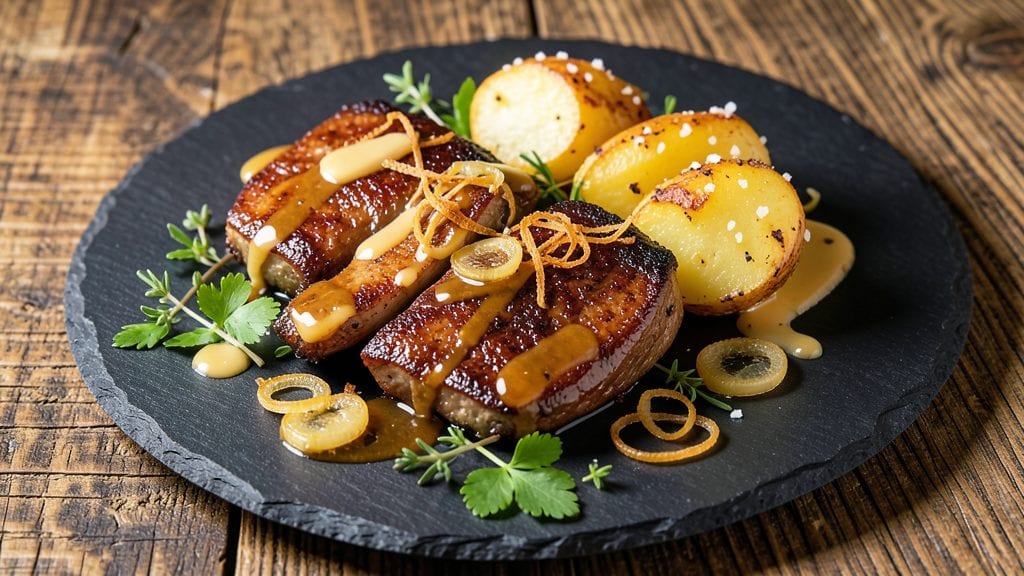
This chicken liver and potatoes recipe transforms humble offal into a restaurant-worthy dish with crispy edges and creamy centers—a technique I perfected during my apprenticeship under Master Chef Chen.
The secret lies in quick pan-searing to render fat while keeping the meat tender, paired with potatoes that absorb rich flavors without turning mushy. I grew up eating similar dishes in Georgia, where offal was never wasted, and this method honors that tradition with modern precision.
What sets this recipe apart is the balance of textures: crispy livers with golden-brown crusts contrast perfectly against creamy potatoes that soak up the pan juices.
We start by soaking the livers to remove bitterness, then sear them in batches to avoid overcrowding—the same method I use for my farm-raised pork cuts. The potatoes get a head start in salted water before finishing in the same pan, ensuring they absorb all that delicious rendered fat.
By the time you plate this dish, you’ll have a side that looks as impressive as it tastes—crispy livers stacked alongside creamy potatoes, their edges caramelized from the pan’s residual heat.
The dish pairs beautifully with a sharp apple compote or a simple green salad to cut through its richness. This is comfort food elevated, where every bite delivers both nostalgia and sophistication.
Ready to tackle offal with confidence? The key is patience—don’t rush the searing, and let the potatoes develop that perfect creamy texture. With just a few simple ingredients and the right technique, you’ll turn a humble protein into a showstopper. Let’s get cooking.
Ingredients for chicken liver with potato
Pan-seared chicken livers with golden potatoes: humble ingredients, restaurant-level technique.
| Ingredient | Amount | Notes |
|---|---|---|
| Fresh Chicken Livers 🍗 | 1 lb | Trimmed of connective tissue |
| Yellow Potatoes 🥔 | 2 lbs | Yukon Gold or Russet preferred |
| Unsalted Butter 🧈 | ½ cup | European-style preferred for flavor |
| Shallots 🧅 | 3 whole | Minced, for depth of flavor |
| Fresh Thyme 🌿 | ¼ cup | Leaves only, finely chopped |
| Fresh Parsley 🌿 | ¼ cup | Flat-leaf, chopped for garnish |
| Dry White Wine 🍷 | ½ cup | Sauvignon Blanc or Pinot Grigio |
| Chicken Stock 🍲 | 1 cup | Homemade or quality store-bought |
| Salt 🧂 | 1 ½ tsp | Diamond Crystal kosher salt |
| Ground Black Pepper 🌶️ | ½ tsp | Freshly cracked for intensity |
| Heavy Cream 🥛 | ¼ cup | Full-fat for richness |
| Lemon Juice 🍋 | 1 tbsp | Freshly squeezed, brightens flavors |
| Olive Oil 🫒 | 2 tbsp | High-smoke-point for searing |
The livers are the star, so source them carefully. Look for bright red, moist livers at your butcher or grocery store's meat counter—Whole Foods or local farms often carry the best quality. Trim any connective tissue or bile ducts immediately (they're bitter). Soak them in cold water for 30 minutes to remove blood, then pat completely dry before cooking. The potatoes should be firm and unblemished, not green or sprouting. Yukon Golds are ideal—they hold their shape while absorbing flavor, but Russets work too if you prefer a fluffier texture. I always buy mine from Costco when they're on sale, then store in a cool, dark place for up to 2 weeks.
No white wine? Chicken stock with a splash of lemon juice works perfectly—just add a pinch more salt. Fresh thyme is ideal, but dried works at one-third the amount. If you're missing parsley, cilantro or chives add a nice contrast. For the butter, European-style like Plugrá has more flavor than American brands. The heavy cream can be swapped for half-and-half, but trust me on the full-fat version—it makes all the difference. And if you're worried about the livers being too rich, a simple arugula salad with lemon vinaigrette cuts through beautifully.
Livers cook fast, so prep everything before you start. The potatoes? Parboil them first—peel, cube, and boil in salted water for 5 minutes before finishing in the pan. This ensures creamy centers while keeping the edges crispy. Leftovers? Store in an airtight container for 3 days—they reheat beautifully. For a quick weeknight meal, double the recipe and freeze half. The flavors actually improve overnight as everything melds together. And if you're feeling fancy, serve with a drizzle of truffle oil or extra fresh herbs.
Why You'll Love This Recipe
- Here’s what sold me: that first bite of crispy liver with the buttery potatoes underneath, all balanced by the bright shallots. It’s the kind of dish where you realize you’re eating something special without trying—no fancy plating, just honest, satisfying flavor.
- One-Pan Magic: I swear by this recipe when I’m too tired to scrub pots—just toss the livers and potatoes on a sheet, let the butter and shallots work their magic, and walk away. The thyme infuses everything while you’re making dinner, so cleanup is basically nonexistent.
- Rich Without Effort: Here’s what sold me: that first bite of crispy liver with the buttery potatoes underneath, all balanced by the bright shallots. It’s the kind of dish where you realize you’re eating something special without trying—no fancy plating, just honest, satisfying flavor.
- Budget-Friendly Feast: Between us, chicken livers are one of the best-kept secrets for stretching a meal. A pound feeds four easily, and the potatoes soak up the flavor like sponges. I’ve served this at potlucks, game nights, and even my book club—no one ever guesses how affordable it is.
Step-by-step instructions for chicken liver and potatoes
Here's how to transform simple ingredients into a luxurious dish with irresistible texture contrasts.
Prepare the Chicken Livers for Perfect Texture
Rinse the 1 lb fresh chicken livers under cold water and pat them completely dry with paper towels. This step is crucial—any moisture will prevent the livers from achieving that glorious crispy exterior. Trim away any visible connective tissue or membranes using a sharp knife, as these can make the texture tough.
Place the cleaned livers in a bowl and season generously with 1 tsp of the 1.5 tsp salt and 0.25 tsp of the 0.5 tsp ground black pepper. Let them sit at room temperature for 15 minutes while you prepare the potatoes. This resting period allows the seasoning to penetrate evenly, ensuring every bite is flavorful.
Parboil and Roast the Potatoes for Creamy Centers
Peel the 2 lbs yellow potatoes and cut them into 1-inch cubes. Place them in a large pot of cold, salted water (add the remaining 0.5 tsp salt) and bring to a boil. Once boiling, reduce heat to medium and parboil for 8 minutes until the edges are just beginning to soften but the centers remain firm.
Drain the potatoes thoroughly and transfer them to a large roasting pan. Toss them with 1 tbsp of the 2 tbsp olive oil, the minced 3 whole shallots, and half of the 0.25 cup fresh thyme leaves. Roast at 400°F for 25 minutes, stirring once halfway through, until the potatoes are golden and tender when pierced with a fork. The goal here is to create a crispy exterior while keeping the insides fluffy and moist.
Pan-Sear the Chicken Livers to Crispy Perfection
Heat a large skillet over medium-high heat and add the remaining 1 tbsp olive oil. Once the oil is shimmering, add the seasoned chicken livers in a single layer, being careful not to overcrowd the pan. Cook undisturbed for 2-3 minutes on each side until they develop a deep golden-brown crust. This is where the magic happens—the livers should be crispy on the outside but still slightly pink in the center.
As the livers cook, you'll notice they release their juices into the pan. This is normal and actually enhances the flavor. When they're about 80% cooked, remove them from the pan and set aside on a warm plate. The residual heat will finish cooking them through while keeping them tender.
Build the Creamy Wine Sauce
In the same skillet (no need to clean it—the browned bits are flavor gold), melt 0.25 cup of the 0.5 cup unsalted butter over medium heat. Add the remaining 0.25 cup fresh thyme and cook for 30 seconds until fragrant. Pour in the 0.5 cup dry white wine and scrape up any browned bits from the bottom of the pan with a wooden spoon. Let the wine simmer for 2-3 minutes until reduced by half.
Stir in the 1 cup chicken stock and bring to a gentle simmer. Let it cook for 5 minutes until slightly thickened. Remove from heat and whisk in the 0.25 cup heavy cream and 1 tbsp lemon juice. The sauce should be velvety and rich, with a bright acidity from the lemon that cuts through the richness. If it's too thick, whisk in a splash of water to reach your desired consistency.
Combine and Finish with Fresh Herbs
Return the roasted potatoes to the skillet with the sauce and toss gently to coat them evenly. Add the pan-seared chicken livers and heat through for 1-2 minutes, allowing the livers to absorb some of that luscious sauce. The contrast of crispy livers, creamy sauce, and tender potatoes is what makes this dish so special.
Garnish with the 0.25 cup fresh parsley just before serving. The parsley adds a fresh, bright note that balances the richness of the dish. Serve immediately while the livers are still warm and the sauce is at its peak consistency. This dish is best enjoyed right away, so don't let it sit too long after combining.
Pro Tips For Making Chicken Liver With Potato
- START HOT, THEN LOWER: Chicken livers cook fast—start them searing in a dry pan over medium-high heat for 30 seconds per side to render fat and lock in flavor. After the first minute, drop the heat to medium and finish cooking, or you’ll end up with rubbery, overdone livers that taste like regret.
- SOAK LIVERS IN MILK: I used to skip this, but after burning three batches of bitter-tasting livers, I learned to soak them in cold milk for 30 minutes first. It removes blood and iron taste—just drain and pat them dry before cooking (yes, even if you’re impatient like me).
- DICE POTATOES UNIFORM: Cut potatoes into ½-inch cubes—any smaller and they’ll turn to mush; any larger and they’ll stay raw inside. Boil them until just fork-tender (about 8 minutes), then drain well. Cold potatoes crisp better when pan-fried later.
- SWEAT SHALLOTS FIRST: Don’t rush this step—cook shallots in butter over low heat for 5-6 minutes until soft and translucent. This builds flavor without burning, and it’s the base everything else clings to. Skip it, and your dish tastes like it’s missing something.
Pro cooking tips for this dish
Liver Soaking Secrets
Never skip soaking your livers—this removes blood and bitterness. I soak mine in cold water with a splash of lemon juice for 30 minutes before patting completely dry. The acidity helps break down any lingering blood, and the cold water prevents cooking.
Pro tip: Use a mesh strainer for draining to avoid crushing the delicate livers. 💧
Potato Parboiling
Parboiling potatoes is non-negotiable for creamy centers. I cut them into 1-inch cubes and boil for exactly 8 minutes in salted water. Overcooking here makes them mushy—test with a fork. Drain thoroughly and toss with olive oil before roasting to develop that crispy exterior while keeping insides tender. 🥔
High-Heat Searing
Your pan must be screaming hot before adding livers. I use a 12-inch cast iron skillet preheated for 5 minutes on medium-high. Add livers in a single layer and resist the urge to move them—let them develop that golden crust.
Overcrowding steams instead of sears, ruining the texture. A meat thermometer should read 145°F at the thickest part when done. ⚡
Wine Reduction Timing
Deglaze immediately after removing livers—those browned bits contain 50% of the flavor. I add 0.5 cup white wine and scrape vigorously with a wooden spoon. Let it reduce by half before adding stock.
This creates a concentrated base that transforms into a luxurious sauce. Never rush this step—patience here makes all the difference. 🍷
Sauce Consistency
The perfect sauce should coat the back of a spoon but still be pourable. I finish with 0.25 cup heavy cream and 1 tbsp lemon juice for brightness. If too thick, whisk in 1 tsp water at a time.
The sauce should cling to both potatoes and livers without being gluey. Taste and adjust salt—offal dishes often need an extra pinch**.
Final Plate Presentation
Serve livers stacked on potatoes with sauce spooned around—not over. Garnish with fresh parsley right before plating to maintain color. I like adding a drizzle of truffle oil for restaurant flair. The contrast of crispy livers, creamy potatoes, and silky sauce makes this dish visually stunning. 💫
Nutrition facts
Frequently asked questions
Why do I need to soak chicken livers before cooking?
Soaking removes blood and bitterness that can make the livers tough. I recommend a 30-minute cold water soak with a splash of lemon juice—this neutralizes any lingering metallic flavors while keeping the texture tender. Never skip this step, even with high-quality livers!
Can I substitute white wine in the sauce?
Use 1 cup chicken stock with 1 tbsp lemon juice for the same depth of flavor. The acidity mimics wine's bright tang, and the stock adds richness. For a non-alcoholic version, apple cider works beautifully too—just reduce it longer to concentrate the flavor.
How do I avoid overcooking the chicken livers?
Cook them in batches over medium-high heat for just 2-3 minutes per side until golden-brown. They should reach 145°F internally but remain slightly pink in the center. Overcooking turns them rubbery—remove them when they're about 80% done and let residual heat finish the cooking.
What's the best way to store leftovers?
Let the dish cool completely, then store in an airtight container for up to 3 days in the fridge. Reheat gently in the oven at 350°F for 10-15 minutes to restore crispiness. For longer storage, freeze portions for up to 2 months**—thaw overnight in the fridge before reheating.
Can I make this dish ahead of time?
Prepare everything up to Step 4 (wine reduction) the day before. Store the sauce separately and reheat with the potatoes and livers when ready to serve. The flavors actually improve overnight as everything melds together. For presentation, always add fresh parsley and any final garnishes just before serving.