
Sauces & Condiments
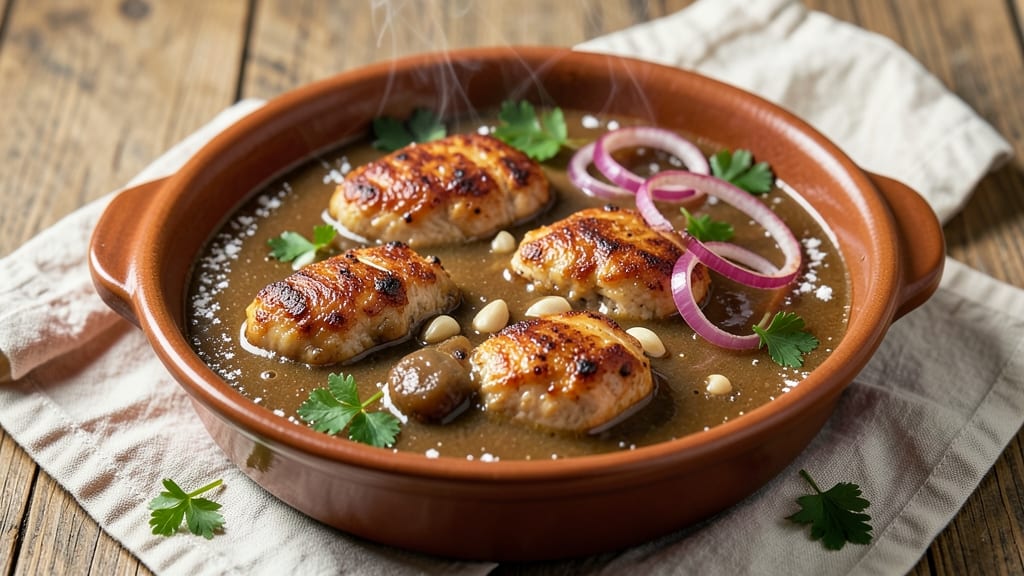
Transforming humble chicken gizzards into a deeply rich gravy reveals one of cooking’s best-kept secrets—how offal transforms into luxurious flavor. This recipe builds on traditional techniques of rendering fat and reducing stock, but with modern shortcuts that make it accessible for home cooks.
The result is a velvety, umami-packed sauce that elevates simple dishes like mashed potatoes or roasted vegetables into something extraordinary.
What sets this gravy apart is the two-stage cooking process: first rendering the gizzards until crispy to extract maximum flavor, then deglazing the pan to create a foundation rich with caramelized bits.
The key to success lies in patience—allowing the stock to reduce slowly develops layers of depth that no instant pot can fully replicate, though pressure cooking does cut preparation time significantly. This method ensures every spoonful delivers that unmistakable, restaurant-quality richness that makes gravy the star of the meal.
The final gravy should be silky yet substantial, with a glossy sheen that signals perfect thickening. It’s the kind of sauce that makes you pause mid-bite, savoring how each ingredient—from the crispy gizzard bits to the reduced stock—comes together in harmony.
Serve it over creamy mashed potatoes, alongside roasted meats, or even drizzled over fresh bread for a taste of old-world comfort with modern efficiency.
Whether you’re tackling this as a traditional stovetop project or using a pressure cooker for speed, the principles remain the same: respect the process, control the heat, and let the flavors develop naturally.
The payoff is a gravy so rich and satisfying, it turns a simple dinner into an unforgettable experience. Let’s get started on creating this flavor-packed masterpiece.
Ingredients for chicken gizzard gravy
Twelve ingredients transform humble gizzards into velvety, restaurant-quality gravy.
| Ingredient | Amount | Notes |
|---|---|---|
| Chicken Gizzards 🍗 | 1 lb | Fresh, cleaned, trimmed of excess fat |
| Yellow Onion 🧅 | 1 whole | Medium-sized, finely chopped |
| Garlic Cloves 🧄 | 4 cloves | Peeled, minced finely |
| All-Purpose Flour 🌾 | ¼ cup | Gluten-free if necessary |
| Chicken Stock 🍲 | 2 cups | Homemade or high-quality store-bought |
| Dry White Wine 🍷 | ½ cup | Sauvignon Blanc preferred |
| Fresh Thyme 🌿 | ¼ cup | Leaves only, finely chopped |
| Fresh Parsley 🌿 | ¼ cup | Leaves only, chopped |
| Unsalted Butter 🧈 | 2 tbsp | Cold, cubed for finishing |
| Diamond Crystal Kosher Salt 🧂 | 1 tsp | Adjust to taste |
| Freshly Ground Black Pepper 🌶️ | ½ tsp | Coarsely ground |
| Olive Oil 🫒 | 2 tbsp | High smoke point |
The gizzards are the foundation—freshness is critical. Look for plump, firm gizzards at Whole Foods or your local butcher, not the pre-packaged kind from the grocery store's freezer section. The fat content is what creates that luxurious mouthfeel, so don't trim too aggressively. For stock, homemade is ideal, but Pacific Foods or Kettle & Fire brands deliver consistent quality. The wine should be dry—Sauvignon Blanc or Pinot Grigio work beautifully, but avoid anything oaky or overly fruity. Fresh herbs elevate the flavor profile significantly compared to dried—thyme and parsley should be vibrant green with no wilting.
No white wine? Substitute additional chicken stock with a splash of lemon juice for acidity. Dried herbs work at one-third the amount of fresh, but the texture will be less refined. For flour, cornstarch or arrowroot powder can be used at a 1:1 ratio for gluten-free versions. The butter at the end isn't just for richness—it emulsifies the gravy, creating that signature silky texture. If you're avoiding dairy, olive oil or coconut oil can replace it, though the flavor will differ slightly. For salt, Diamond Crystal kosher dissolves more easily than table salt, so measure accordingly if substituting.
Rendered gizzards keep 3 days in the fridge sealed in an airtight container, though they're best used immediately. Fresh herbs should be stored in damp paper towels in a sealed container for up to 5 days. The finished gravy reheats beautifully—simmer gently to maintain its velvety consistency. For longer storage, portion into ice cube trays and freeze; thaw in the refrigerator before reheating. This gravy freezes exceptionally well, maintaining its rich flavor for up to 3 months. The butter should be added back just before serving to prevent separation.
Why You'll Love This Recipe
- One-Pot Magic: I swear by this recipe—just brown the gizzards and onions, toss in flour, then pour in stock. No extra pans, no fuss, and the gravy thickens right in the pot while you’re stirring. That’s right: one pot, zero stress.
- Rich, Deep Umami: Between the gizzards’ natural richness and the toasted garlic, this gravy has layers. The flour roux gives it that velvety body, but the real star? That slow-simmered depth that makes it taste like it simmered all day.
- Leftovers That Shine: This gravy actually improves the next day—thicker, more concentrated, and perfect for dipping stale bread or reheating with a splash of stock. I make a big batch and freeze portions; it’s my go-to for lazy mornings.
- Budget Breakthrough: Gizzards are cheap, but they feel fancy. A pound feeds four, and the stock stretches further than you’d think. Honestly, it’s the kind of recipe that makes grocery day exciting without breaking the bank.
Step-by-step instructions for chicken gizzard gravy
Transform humble gizzards into a velvety, aromatic gravy with deep umami richness.
Prepare the Gizzards for Cooking
Rinse the 1 lb chicken gizzards thoroughly under cold water and pat them completely dry with paper towels. Using a sharp chef's knife, trim away any remaining fat or connective tissue—this ensures cleaner flavor development. Cut each gizzard into 4-6 even pieces to promote consistent cooking.
Heat the 2 tbsp olive oil in a heavy-bottomed Dutch oven over medium-high heat. Once shimmering but not smoking, add the gizzard pieces in a single layer. Let them sear undisturbed for 3-4 minutes until they develop a deep golden crust on all sides. This initial browning builds foundational flavor that carries through the entire dish.
Develop the Aromatic Base
Remove the gizzards from the pot and set aside. In the same Dutch oven, add the finely chopped 1 whole yellow onion and minced 4 cloves garlic cloves. Cook over medium heat for 5-6 minutes until the onions turn translucent and the garlic releases its signature fragrance—this should take just under the time it takes for a cup of water to boil.
Sprinkle the 0.25 cup all-purpose flour evenly over the onions and garlic, stirring constantly with a wooden spoon. Cook for 1-2 minutes until the flour turns a light golden color and coats the vegetables completely. This roux will form the velvety texture of your gravy, so don't rush this step. If the mixture darkens too quickly, reduce the heat slightly to medium-low.
Deglaze and Simmer the Gravy
Carefully pour in the 0.5 cup dry white wine, scraping the bottom of the pot with a wooden spoon to release all the browned bits—these contain concentrated flavor. Let the wine simmer for 2-3 minutes until it reduces by half and the alcohol aroma dissipates completely. This deglazing step transforms the dry pan into a flavorful liquid foundation.
Return the gizzards to the pot and add the 2 cups chicken stock. Bring to a gentle simmer, then reduce heat to low. Partially cover the pot and let the mixture cook for 30-40 minutes, stirring occasionally, until the gizzards are fork-tender and easily pull apart. The gravy should thicken noticeably as it reduces, creating a rich, velvety consistency.
Finish with Herbs and Seasoning
Strain the cooking liquid through a fine-mesh sieve into a clean saucepan, pressing gently on the gizzards to extract all their juices. Discard the gizzard pieces or reserve them for another use if desired. Return the strained gravy to medium-low heat and stir in the 0.25 cup fresh thyme leaves and 0.25 cup fresh parsley.
Season generously with the 1 tsp diamond crystal kosher salt and 0.5 tsp freshly ground black pepper, adjusting to taste. Stir in the 2 tbsp cold unsalted butter, one tablespoon at a time, until fully incorporated. The butter adds luxurious mouthfeel and balances the acidity from the wine. Simmer gently for 2-3 minutes to meld all the flavors together, then remove from heat immediately.
Pro Tips For Making Chicken Gizzard Gravy
- Trim the Gizzards Properly: Cut off the tough membrane and fat cap before cooking—it’s the only way to get tender gizzards. I used to skip this, and my gravy always tasted like chewing through leather.
- Sear Them in Batches: Don’t crowd the pan or they’ll steam instead of brown. Two even layers at a time in hot oil guarantees a crisp crust that releases flavor into the gravy.
- Whisk the Roux Fast: Cook the flour and onions on medium-low, stirring like your life depends on it. After 3 minutes, I learned the hard way that letting it brown turns your gravy into glue.
- Deglaze with Stock: Pour in the chicken stock immediately after removing the gizzards—scrape every last bit of fond from the pan. That’s where half the flavor hides.
Make-ahead tips for leftovers
Prep Ahead Components
Start by cleaning and trimming the 1 lb chicken gizzards up to 2 days in advance—store them in an airtight container in the fridge. This allows the flavors to concentrate naturally.
I also prep the onion and garlic by chopping them finely and storing them in a sealed container with a paper towel to absorb excess moisture. This step saves 15-20 minutes on cooking day. 🌟
Gizzard Rendering Shortcut
For a faster process, render the gizzards in a pressure cooker instead of a Dutch oven. Add the gizzards with 2 tbsp olive oil and cook on high pressure for 10 minutes after natural release.
This method reduces hands-on time by half while delivering the same deep, crispy texture. Just be sure to deglaze the pot thoroughly afterward to capture all the rendered fat.
Gravy Base Prep
Make the roux and deglaze the pan a day ahead for maximum flavor development. Cook the onions and garlic, then whisk in the 0.25 cup flour to form a light roux. Immediately deglaze with 0.5 cup white wine and let it reduce to a syrupy consistency.
Store in an airtight container in the fridge—this prepped base can wait up to 24 hours before adding the stock and gizzards. The flavors meld beautifully overnight. ⏰
Freezer-Friendly Gravy
Portion the finished gravy into 1-cup glass freezer-safe containers or ice cube trays for easy reheating. Each portion reheats perfectly—simmer gently on the stovetop for 3-5 minutes or microwave on low power for 1-2 minutes.
I like to freeze it in single-serving portions so I can grab exactly what I need for a meal. The texture remains velvety smooth after freezing, though you may need to add a splash of water or stock if it thickens too much upon reheating.
Herb Prep Tips
Wash and dry the thyme and parsley thoroughly, then chop them just before adding to the gravy. For extra convenience, store the herbs in a small airtight container with a paper towel to absorb moisture.
If you're short on time, use 1 tbsp dried thyme instead of fresh, but remember it won't have the same vibrant flavor. Fresh herbs elevate the gravy's brightness, so they're worth the extra prep step. 💚
Stock Substitutions
If you don't have homemade chicken stock ready, use 2 cups high-quality store-bought stock like Pacific Foods or Kettle & Fire. For an even deeper flavor, combine 1 cup stock with 1 cup water and 1 tbsp soy sauce to enhance umami.
Avoid low-quality broths—they lack the richness needed for a velvety gravy. I also recommend adding a 1 tsp chicken bouillon powder to boost flavor if using water as a substitute. 🍲
Nutrition facts
Frequently asked questions
Why do I need to render the gizzards until crispy?
Rendering the gizzards until they're golden and crispy extracts maximum flavor from the fat and connective tissue. This creates a deeper, more complex base for your gravy. The crispy bits also add texture and richness that you won't get from simply boiling the gizzards.
Can I make this gravy without wine?
Yes! Substitute the 0.5 cup white wine with 0.5 cup chicken stock plus 1 tablespoon lemon juice to maintain acidity. The wine adds brightness, but this combo works well for non-alcoholic versions. Just remember to reduce the liquid by half before adding the stock later in the recipe.
How do I fix gravy that's too thin or too thick?
For thin gravy, mix 1 tablespoon cornstarch with 2 tablespoons cold water, stir into the gravy, and simmer for 2-3 minutes. For thick gravy, whisk in 1-2 tablespoons warm stock or water until smooth. Always adjust gradually—thickening is easier to fix than thinning!
What's the best way to use leftover gizzard pieces?
Save the cooked gizzard pieces for tacos, sandwiches, or fried rice! They're packed with flavor and work well in any dish where you'd use ground meat. You can also blend them into the gravy for an extra-rich, meaty texture—just strain again after cooking.
Can I make this gravy in an Instant Pot?
Yes, but with adjustments. Sear the gizzards in a separate pan first, then add them to the Instant Pot with the onions, garlic, and flour. Deglaze with wine, then add stock. Cook on High Pressure for 8 minutes, natural release, then strain. The texture will be slightly different but still delicious—just add a cornstarch slurry if it's too thin.