
Main Courses
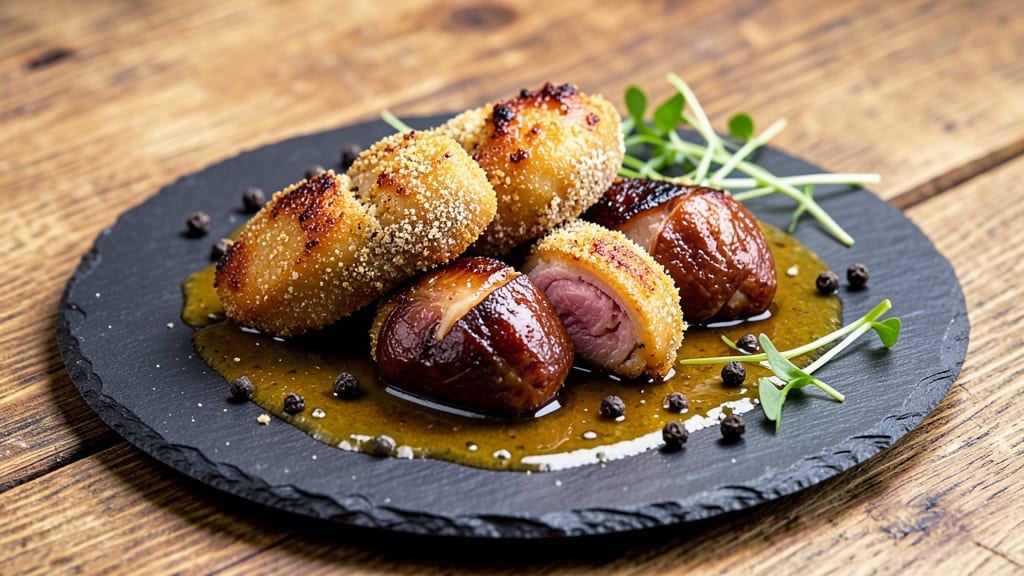
Transforming chicken gizzards and hearts into a restaurant-worthy offal masterpiece starts with the right technique—one that turns tough, gamey ingredients into tender, flavorful bites with herby pan gravy. The secret lies in proper preparation: cleaning, trimming, and marinating to eliminate any bitterness while building depth of flavor.
This recipe delivers a dish that feels both rustic and refined, perfect for adventurous eaters or anyone looking to elevate their cooking skills.
The process begins with thorough cleaning and scoring the gizzards and hearts to ensure even cooking and maximum tenderness. A simple marinade of buttermilk and spices works wonders, breaking down fibers and mellowing the natural flavors.
Once cooked—whether pan-fried, braised, or grilled—the results are juicy, golden-brown pieces that practically melt in your mouth. The herby pan gravy ties everything together, adding richness and a savory depth that makes every bite unforgettable.
What sets this dish apart is how approachable it becomes once you master the prep work. Many avoid offal due to its intimidating reputation, but with this method, you’ll achieve foolproof results that impress even the most skeptical guests.
The gravy, made from the drippings and infused with fresh herbs, transforms simple ingredients into something extraordinary. This isn’t just a recipe—it’s a culinary confidence booster that proves offal can be both delicious and dignified.
Serve with crusty bread to soak up the gravy or pair with roasted root vegetables for a complete meal. The bold flavors stand up to bold sides, making this dish ideal for a special dinner or a weekend project.
Ready to turn these humble ingredients into a standout centerpiece? Let’s get started with the full instructions.
Ingredients for chicken gizzard and heart
Transform these humble offal cuts into a refined masterpiece with these carefully selected ingredients.
| Ingredient | Amount | Notes |
|---|---|---|
| Chicken Gizzards 🍗 | 1 ½ lb | Fresh, cleaned and trimmed |
| Chicken Hearts 💓 | 1 ½ lb | Fresh, cleaned and trimmed |
| Buttermilk 🥛 | 1 cup | Full-fat for optimal tenderness |
| All-Purpose Flour 🌾 | ½ cup | For dredging and gravy thickening |
| Unsalted Butter 🧈 | ½ cup | Cold, cubed for frying |
| Extra-Virgin Olive Oil 🫒 | ¼ cup | For finishing and gravy |
| Fresh Thyme Leaves 🌿 | ¼ cup | Chopped, stems removed |
| Fresh Rosemary 🌿 | 1 tbsp | Finely chopped, fresh preferred |
| Garlic Cloves 🧄 | 4 cloves | Minced, for marinade and gravy |
| Diamond Crystal Kosher Salt 🧂 | 1 ½ tsp | For seasoning and marinade |
| Freshly Ground Black Pepper 🌶️ | ½ tsp | Coarsely cracked |
| Chicken Stock 💧 | 1 cup | Homemade or high-quality store-bought |
| Fresh Parsley Leaves 🌿 | ⅛ cup | Chopped, for garnish |
| Lemon Juice 🍋 | 1 tbsp | Freshly squeezed, for brightness |
The quality of your offal makes all the difference. Whole Foods Market and local butcher shops typically carry the freshest gizzards and hearts, often pre-cleaned for convenience. Look for pieces that are bright red and firm—avoid any with a gamey odor or slimy texture. If you're working with raw offal, thorough cleaning is non-negotiable: rinse under cold water, remove any connective tissue, and score the surface with a sharp knife to ensure even cooking. For the marinade, full-fat buttermilk is essential—it tenderizes while adding subtle tang. The herbs should be vibrant and fresh, not wilted or dried out, as they'll carry the dish's aromatic profile.
No fresh herbs? Dried thyme and rosemary at one-third the amount will suffice, though the flavor will be less pronounced. Substituting chicken stock with vegetable stock works for vegetarian adaptations, though the depth of flavor will differ slightly. For those avoiding dairy, coconut milk can replace buttermilk in the marinade, though the texture may vary. The olive oil should be high-quality extra-virgin—cheaper varieties can impart off flavors. If you're short on time, pre-minced garlic from a jar works, though freshly minced garlic adds significantly more flavor. The kosher salt should be Diamond Crystal or Morton for consistent seasoning—avoid table salt, which can over-salt due to its finer grain.
Proper storage of offal is critical. Fresh gizzards and hearts should be used within 24 hours of purchase for optimal texture and flavor. If prepping ahead, store the cleaned and trimmed offal in an airtight container in the refrigerator for up to 2 days, submerged in buttermilk to maintain moisture. The marinade can be made 1 day in advance and stored in the fridge, though the herbs should be added fresh before cooking. Leftover cooked offal keeps well in the refrigerator for 3 days, while the gravy can be stored separately for up to 5 days. For longer storage, freeze both components for up to 3 months. Reheat gently on the stove to preserve texture.
Why You'll Love This Recipe
- No Fuss, Big Payoff: The buttermilk batter does all the work—just coat, dip, and fry. Honestly, I’ve made this while scrolling through my phone; the gizzards and hearts stay juicy, and the flour crust turns golden without babying them.
- Crispy-Creamy Magic: That buttermilk soak? It’s the secret—tender inside, shatteringly crisp outside. The butter in the fryer adds richness, but the real star is how the hearts stay plump while the gizzards develop a satisfying chew. (Yes, even on a Tuesday night.)
- Budget-Friendly Feast: A pound of gizzards and hearts runs cheaper than chicken thighs, and this recipe stretches to feed four for under $10. My college roommates called it “gourmet” because we served it with pickles and hot sauce—turns out, flavor beats price any day.
- Leftovers? Even Better: The fried version reheats beautifully in a skillet with a splash of water, and the battered pieces hold up for days in the fridge. I’ll be real: I’ve eaten them cold straight from the container, and they’re still my secret weapon for lazy mornings.
Step-by-step instructions for chicken gizzards and hearts recipe
Transform these often-overlooked offal cuts into a luxurious, herb-infused masterpiece with this precise technique.
Prepare and Marinate the Offal
Begin by thoroughly rinsing the 1.5 lb chicken gizzards and 1.5 lb chicken hearts under cold water, then pat them completely dry with paper towels. This drying step is critical—it ensures proper browning and prevents steaming during cooking. Using a sharp chef's knife, trim away any excess connective tissue or silver skin from the hearts, but leave the gizzards whole as their texture benefits from the cooking process.
In a large mixing bowl, whisk together the 1 cup buttermilk, 1.5 tsp diamond crystal kosher salt, 0.5 tsp freshly ground black pepper, 1 tbsp finely chopped fresh rosemary, 4 minced garlic cloves, and 1 tbsp lemon juice. The buttermilk's acidity tenderizes the meat while the aromatics penetrate deeply. Submerge the offal in the marinade, ensuring every piece is fully coated. Cover and refrigerate for at least 4 hours, or preferably overnight, allowing the marinade to work its magic and break down the natural toughness of these cuts.
Dredge and Sear for Maximum Flavor
In a medium bowl, combine the 0.5 cup all-purpose flour with an additional 0.5 tsp diamond crystal kosher salt and 0.25 tsp freshly ground black pepper. Remove the offal from the marinade (reserve the marinade for later) and let excess drip off. Working in batches to avoid crowding, dredge each piece thoroughly in the flour mixture, pressing gently to adhere the coating. The flour creates a golden crust that locks in juices and adds body to the pan gravy.
Heat a large, heavy-bottomed skillet over medium-high heat until hot. Add 0.25 cup extra-virgin olive oil and 0.25 cup unsalted butter, allowing the butter to foam and melt completely. Working in batches, add the dredged offal to the skillet and cook undisturbed for 3-4 minutes per side until deeply golden brown. You're aiming for a rich, caramelized crust that forms a flavorful crust on the meat. If the pan becomes too crowded, cook in two batches to maintain proper heat. Transfer the cooked offal to a plate and tent loosely with aluminum foil to keep warm.
Deglaze and Build the Herby Pan Gravy
With the skillet still over medium-high heat, carefully pour in the reserved buttermilk marinade, scraping up all the browned bits from the bottom of the pan with a wooden spoon. These fond bits are packed with concentrated flavor that forms the base of your gravy. Allow the liquid to simmer vigorously for 3-4 minutes until it reduces by about one-third and begins to thicken slightly. This reduction process intensifies the flavors and creates a velvety texture.
Stir in the 0.25 cup chopped fresh thyme leaves and 1 cup chicken stock, then reduce the heat to medium-low. Let the gravy simmer gently for 8-10 minutes until it coats the back of a spoon and has thickened to your desired consistency. If the gravy becomes too thick, whisk in 1-2 tablespoons of hot water to achieve a smooth, pourable texture. The thyme should infuse the gravy with an earthy aroma that complements the rich offal perfectly.
Finish and Serve with Herby Garnish
Return the cooked offal to the skillet with the gravy, spooning the sauce generously over each piece. Let everything heat through together for 2-3 minutes over low heat, allowing the offal to absorb the remaining flavorful juices. The internal temperature of the offal should reach 165°F at its thickest point, ensuring it's fully cooked and tender.
To serve, transfer the offal to a warm platter and ladle the herby pan gravy over the top. Garnish with 0.125 cup chopped fresh parsley leaves for a pop of color and freshness. The parsley not only enhances the presentation but also adds a bright, slightly peppery note that cuts through the richness of the dish. Serve immediately with crusty bread or your favorite side dishes to soak up every last drop of that luxurious gravy.
Pro Tips For Making Chicken Gizzard And Heart
- Trim the Fibrous Ends: Hearts have a tough, stringy bit at the tip—cut it off before buttermilking. Gizzards don’t need trimming, but rinse them well after soaking to remove grit that’ll turn your crust to sand (yes, I’ve learned this the hard way).
- Soak in Cold Buttermilk: Use a shallow dish, not a deep bowl—hearts and gizzards need to sit skin-side up, fully submerged for 20 minutes. Cold buttermilk keeps them tender; room-temp buttermilk makes them greasy (and trust me, you’ll notice).
- Double-Dredge, But Wait: First coat in flour, shake off excess, then dip in buttermilk, then another flour coat—but let the buttermilk cling. The extra layer seals in moisture while the crust browns like a dream. (I used to skip this; now I don’t.)
- Cook in Batches, Not Crowds: Sear hearts and gizzards in a single layer over medium-high heat—too many at once steams them instead of crisps them. A skillet’s edge should sizzle when you add them; if it’s hissing like a teakettle, you’ve got too many.
Make-ahead tips for chicken gizzard and heart
Marinade Prep Ahead
Make the marinade up to 1 day in advance and store it in an airtight container in the fridge.
I always add the fresh herbs right before using them to preserve their vibrant flavors, but you can chop and store the garlic and lemon juice separately for up to 3 days.
The buttermilk marinade works best when chilled, so plan accordingly—this saves you time on cooking day while ensuring maximum tenderness. 💡
Offal Prep Timeline
Clean and trim the gizzards and hearts 24 hours ahead if possible, storing them in a sealed container submerged in buttermilk. This not only tenderizes the meat but also keeps it fresh.
I’ve found that prepping the offal this way reduces cooking day stress by eliminating the need for last-minute cleaning. Just pat them dry before dredging and cooking. ⏰
Gravy Base Storage
The pan gravy can be made 2 days ahead and stored in the fridge. Keep it in a separate container from the cooked offal to maintain texture. When reheating, warm it gently on the stove over low heat with a splash of chicken stock to restore its silky consistency.
I like to reheat the gravy separately and then combine it with the offal just before serving for the best results. ✨
Freezer-Friendly Assembly
For a true make-ahead meal, cook the offal completely, then freeze it in a single layer on a tray before transferring to an airtight container. Store the gravy separately in a freezer-safe bag.
When ready to serve, thaw overnight in the fridge, then reheat both components gently. This method preserves texture and flavor perfectly for up to 3 months. 🧊
Batch Cooking Tips
Double the recipe and freeze half for future meals. I often make two batches on weekends and freeze one portion for lazy weeknights. The key is to cool the cooked offal and gravy quickly to prevent bacterial growth—spread them on a tray before transferring to containers.
Label everything with dates to track freshness. 📅
Reheating Perfection
Reheat frozen offal in a skillet over medium heat for 5-7 minutes, adding a splash of water to prevent drying. For the gravy, warm it in a saucepan over low heat, stirring occasionally until heated through.
I avoid microwaving both components to maintain their rich textures. The result should be just as tender and flavorful as when first made. 🔥
Nutrition facts
Frequently asked questions
Why do I need to marinate chicken gizzards and hearts so long?
The extended marinating time—at least 4 hours, ideally overnight—is crucial for breaking down the dense connective tissue in offal. The buttermilk's acidity and salt work together to tenderize while infusing flavor. Skipping this step can leave the meat tough and gamey, even after cooking. Think of it as a flavor and texture reset for these often-overlooked cuts.
Can I substitute buttermilk in the marinade?
Yes, but with adjustments. For a dairy-free option, use 1 cup plain yogurt or 1 cup coconut milk mixed with 1 tbsp lemon juice to mimic the acidity. If using vinegar (like apple cider), reduce to 1 tbsp and add 1 tbsp sugar to balance the sharpness. The marinade's acidity is key for tenderness—never skip it entirely.
What's the best way to clean chicken gizzards and hearts?
Start by rinsing under cold water, then pat dry. For gizzards, slice off the tough membrane at the bottom (the "vent") and remove any grit. Hearts should have their connective tissue trimmed from the pointed end. Score the surface lightly with a knife to help them cook evenly. Always wear gloves—raw offal can be messy!
Can I cook these in the oven instead of pan-frying?
Preheat oven to 400°F and bake the dredged offal on a wire rack for 20-25 minutes, flipping halfway. For crispiness, broil for 2-3 minutes at the end. The pan gravy method still works—just deglaze the baking sheet with the marinade and stock. Oven cooking is great for hands-off prep, though pan-searing gives the best crust.
How do I know when the gravy is done?
The gravy is perfect when it coats the back of a spoon smoothly and reaches a thick, velvety consistency. It should simmer gently for 8-10 minutes until reduced by about half. If it thickens too quickly, whisk in 1 tbsp hot water to adjust. The thyme should infuse the aroma—if it smells earthy and rich, you're golden.