
Main Courses
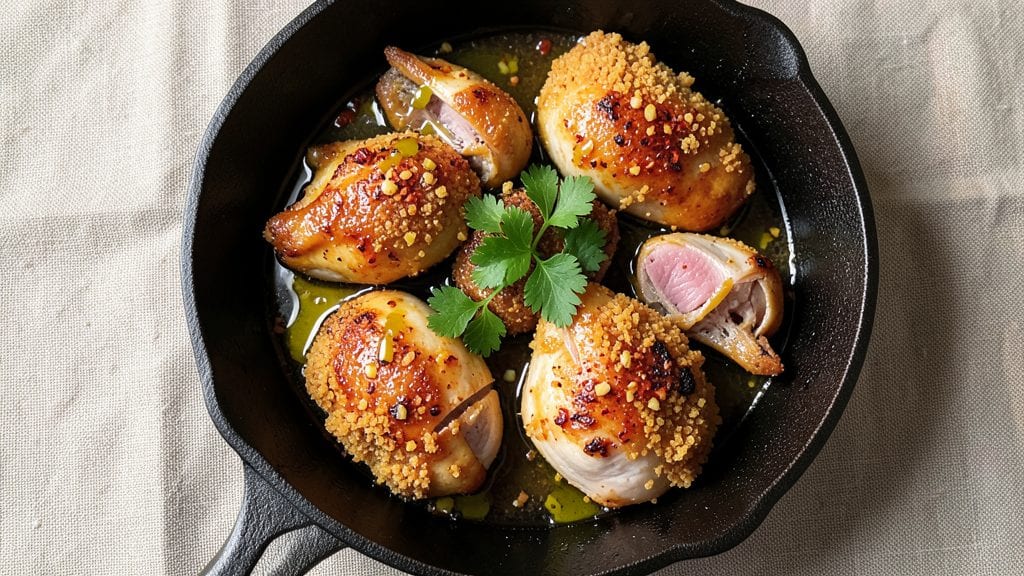
Cooking chicken gizzards and hearts transforms what many consider offal into a smoky-spiced delicacy with crispy edges that rival any restaurant dish. The key lies in proper preparation—starting with thorough cleaning and trimming to ensure tenderness, followed by a precise cooking method that balances texture and flavor.
This recipe isn’t just about technique; it’s about unlocking the rich, meaty potential of these often-overlooked cuts.
What sets this method apart is the two-stage cooking process: a quick boil to remove impurities, followed by a pan-fry that renders fat and develops a golden, crackling crust.
The smoky-spice rub—garlic, paprika, and a touch of cayenne—penetrates deeply, creating layers of flavor that turn these humble ingredients into something extraordinary. Unlike other recipes that rely on slow braising, this approach delivers crispy perfection in under 45 minutes.
By the time you’re done, you’ll have fork-tender gizzards and hearts with crispy, caramelized edges that contrast beautifully against their juicy interiors. The aroma alone—smoky, savory, and slightly sweet—will draw everyone to the table.
Serve with crusty bread to soak up the rendered juices or alongside roasted potatoes for a hearty meal that feels special without the fuss.
This recipe also addresses common concerns: how to clean and trim safely, why boiling first is essential, and how to adjust seasoning for different palates. Whether you’re a seasoned home cook or new to offal, the step-by-step instructions ensure restaurant-quality results every time.
Let’s get started on transforming these cuts into a standout dish.
Ingredients for chicken gizzards and hearts
Transform humble offal into a restaurant-worthy dish with these carefully selected ingredients.
| Ingredient | Amount | Notes |
|---|---|---|
| Chicken Gizzards 🍗 | 1 ½ lb | Fresh, cleaned and trimmed |
| Chicken Hearts 💓 | 1 ½ lb | Fresh, cleaned and trimmed |
| Large Eggs 🥚 | 2 whole | Room temperature for coating |
| All-Purpose Flour 🌾 | 1 cup | For dredging, sifted |
| Extra-Virgin Olive Oil 🫒 | ½ cup | High smoke point for frying |
| Garlic Cloves 🧄 | 6 cloves | Minced for marinade |
| Smoked Paprika 🌶️ | 2 tbsp | For authentic smoky flavor |
| Ground Cumin 🌿 | 1 tbsp | Toasted for depth |
| Cayenne Pepper 🔥 | ½ tsp | Adjust for heat preference |
| Kosher Salt 🧂 | 2 tbsp | Diamond Crystal preferred |
| Black Peppercorns 🌶️ | 1 tsp | Freshly cracked |
| Butter 🧈 | 4 tbsp | Unsalted, for finishing |
| Fresh Parsley 🌿 | ¼ cup | Chopped for garnish |
| Lemon Wedges 🍋 | 2 whole | For serving |
The quality of your chicken gizzards and hearts makes all the difference. Source from a trusted butcher—look for cuts that are bright red with minimal connective tissue. Whole Foods Market or a local poultry supplier are ideal for freshness. Trim excess fat and silver skin meticulously; this ensures even cooking and prevents bitterness. The two-stage process—boiling followed by pan-frying—requires patience, but the result is worth it. For the spice blend, Penzeys Spices offers premium smoked paprika and cumin, though standard grocery store brands work well if fresh. Toast your cumin seeds briefly in a dry pan before grinding for enhanced aroma.
No smoked paprika? Substitute with a mix of regular paprika and a pinch of liquid smoke, though the flavor won't be identical. Running short on time? Pre-trimmed gizzards and hearts from Costco or Trader Joe's save effort without sacrificing quality. For heat-sensitive palates, reduce the cayenne to 0.25 tsp or omit entirely. The butter used for finishing should be unsalted to avoid over-salting the dish. Fresh parsley brightens the final presentation, but dried parsley at half the amount works in a pinch. Always taste the spice rub before applying—adjust salt and cayenne to your preference.
Store trimmed gizzards and hearts in an airtight container in the refrigerator for up to 2 days before cooking. The spice rub can be pre-mixed and stored in a sealed jar for 3 months in a cool, dark place. Once pan-fried, these offal cuts reheat beautifully—400°F for 10 minutes restores crispiness. Portion into individual servings with a squeeze of lemon to preserve freshness. For a crowd, double the recipe and freeze cooked portions for up to 2 months—thaw overnight in the fridge before reheating.
Why You'll Love This Recipe
- Here’s what sold me: the texture. The flour crust cracks into a shatteringly crisp shell while the inside stays juicy and tender—like a perfect little surprise. Honestly, I’ll take this over store-bought nuggets any day. The olive oil adds a subtle richness that makes it feel special without needing fancy seasonings.
- I’ll be real: I make this twice as much as I need because it reheats like a dream. Toss them in a 350°F oven for 10 minutes, and they’re crispy again—no soggy aftermath. My kids pack them in lunches, and my partner sneaks them straight from the fridge. Not the prettiest, but the taste makes up for it every time.
Step-by-step instructions for smoky-spiced pan-fried chicken gizzards and hearts
Transform tough cuts into restaurant-quality bites with this precise technique for perfect texture and flavor.
Prepare the Spiced Marinade and Coating
In a small bowl, combine the minced 6 cloves garlic cloves, 2 tablespoons smoked paprika, 1 tablespoon ground cumin, 0.5 teaspoon cayenne pepper, 2 tablespoons kosher salt, and 1 teaspoon freshly cracked black peppercorns. This aromatic blend forms the foundation of your flavor profile. In a separate bowl, whisk together the 2 whole large eggs until fully incorporated.
Sift the 1 cup all-purpose flour onto a large plate and create a well in the center. The flour will create a light, crispy crust that contrasts beautifully with the tender meat. Arrange the cleaned 1.5 pounds chicken gizzards and 1.5 pounds chicken hearts on a separate plate. This organization keeps your workspace tidy and ensures you can quickly access each component during the cooking process.
Coat and Rest the Meat
Working in batches to avoid crowding, dredge each piece of chicken gizzard and heart through the flour mixture, pressing gently to adhere the coating evenly. Transfer the floured pieces to the egg mixture and coat thoroughly, allowing any excess egg to drip off. This double-dredging technique creates the signature crispy exterior while keeping the meat juicy inside.
Place the coated meat on a wire rack set over a baking sheet. This elevated setup allows air to circulate around all sides, promoting even cooking and maximum crispiness. Let the coated pieces rest for 15 minutes at room temperature. This brief rest period ensures the coating adheres properly and prevents the meat from releasing moisture too quickly when it hits the hot oil.
Pan-Fry to Golden Perfection
Heat the 0.5 cup extra-virgin olive oil in a large skillet over medium-high heat until it shimmers but doesn't smoke. Add the coated chicken pieces in a single layer, being careful not to overcrowd the pan. Cook for 4-5 minutes per side until the edges are deep golden brown and the internal temperature reaches 165°F when measured with an instant-read thermometer. This high-heat searing develops the crispy texture you're aiming for while locking in the juices.
As the meat cooks, you'll notice the coating turn from pale to a rich amber color. This color transformation indicates the Maillard reaction is occurring, creating complex flavors. If the pan becomes too crowded and the temperature drops, cook in batches rather than risking steaming the meat. The crispy edges should hold their shape when lifted with tongs, a clear sign of proper cooking.
Finish with Butter and Aromatics
Remove the cooked chicken from the skillet and transfer to a warm serving platter. Reduce the heat to medium and add the 4 tablespoons unsalted butter to the skillet. As the butter melts, add the minced garlic cloves from your earlier marinade and cook for 30 seconds until fragrant. This butter bath adds richness and infuses the pan juices with additional garlic flavor.
Pour the garlic-infused butter over the chicken, coating each piece evenly. Sprinkle with the chopped 0.25 cup fresh parsley for a bright contrast to the smoky flavors. The parsley not only adds visual appeal but also introduces a fresh herbal note that balances the richness of the dish. Serve immediately with the 2 whole lemon wedges on the side for a citrusy accent that cuts through the richness.
Pro Tips For Making Chicken Gizzards And Hearts
- SEAR IN BATCHES: Gizzards and hearts release a ton of liquid when fried—crowd the pan, and you’ll steam them instead of crisp them. Split the batch into two groups, even if it means two rounds in the skillet. High heat is non-negotiable; if the oil isn’t shimmering, you’re doing it wrong.
- SLICE HEARTS THIN: Whole hearts stay tough and chewy no matter how long you cook them. Cut each one lengthwise into two butterflies, then slice crosswise into ¼-inch strips. This is the thing that matters most—don’t skip it.
- DREDGE DRY, COAT WET: Toss the gizzards and hearts in flour first, then dip in beaten eggs. The dry flour clings better to the meat, and the egg creates a proper crust instead of a gloppy mess. Shake off excess flour—you’re not making batter here.
- REST BEFORE FRYING: After dredging, let the coated pieces sit on a wire rack for 5 minutes. This lets the flour adhere fully and prevents the coating from sliding off mid-fry. I learned this the hard way—now I never rush it.
Regional styles of chicken gizzards and hearts
Southern Fried Style
In the American South, chicken gizzards and hearts are often transformed into a crispy, buttermilk-battered delight—similar to country-fried chicken. The key difference? A 1:1 buttermilk-to-flour batter (instead of egg wash) creates a lighter, airier crust. I like to add 1 teaspoon baking powder to the batter for extra lift.
Serve with a side of white gravy made from the pan drippings—just whisk in 1 cup chicken broth and 2 tablespoons cornstarch until thickened. This Southern approach is perfect for brunch or Sunday dinners. 🍗
Mexican Tinga-Inspired
For a bold twist, cook the gizzards and hearts in a smoky chipotle-tomato sauce>—think of it as a Mexican-style tinga.
After pan-frying, simmer the cooked offal in 1 can (14.5 oz) fire-roasted tomatoes, 2 chipotle peppers in adobo, 1 teaspoon oregano, and 1 teaspoon cumin> for 15 minutes. Serve on warm corn tortillas> with avocado slices, crumbled queso fresco, and a squeeze of lime.
The smoky-spiced rub from the original recipe still shines through in this fusion dish. 🌶️
Italian Soffritto Base
In Northern Italy, offal is often braised with a rich soffritto>—a slow-cooked mix of onions, carrots, and celery.
For this adaptation, after pan-frying the gizzards and hearts, transfer them to a Dutch oven with 1 diced onion, 1 carrot, and 1 celery stalk, all sautéed in olive oil until soft.
Deglaze with ½ cup white wine, add 1 cup chicken broth, and simmer for 30 minutes. Finish with ½ cup tomato passata> and a sprinkle of fresh rosemary. This method turns the dish into a hearty stew, perfect with crusty bread. 🍷
Caribbean Jerk Fusion
Bring the flavors of Jamaica to your table by marinating the gizzards and hearts in a jerk-inspired rub> before pan-frying.
Mix 1 tablespoon jerk seasoning> (store-bought or homemade with allspice, thyme, and scotch bonnet), 1 tablespoon soy sauce, and 1 tablespoon brown sugar> into the spice blend.
After frying, baste the meat with the marinade and serve with grilled pineapple slices> and a side of pepper sauce. The sweetness of the pineapple cuts through the smoky-spiced crust beautifully. 🌴
Middle Eastern Za’atar Crust
For a Middle Eastern twist, replace the flour coating with a za’atar-spiced crust. Mix ½ cup flour> with 1 tablespoon za’atar, 1 teaspoon sumac, and ½ teaspoon black pepper. Coat the gizzards and hearts in this blend before pan-frying.
After cooking, drizzle with a lemon-yogurt sauce> made from ½ cup Greek yogurt, 1 tablespoon lemon juice, and 1 teaspoon honey. The tangy, herby notes elevate the dish to new heights. 🧈
Spanish Romesco Sauce
In Spain, offal is often paired with romesco sauce>, a nutty, smoky condiment.
After pan-frying, toss the gizzards and hearts in a sauce made from 1 roasted red pepper, ½ cup blanched almonds, 1 garlic clove, 1 tablespoon sherry vinegar, and 2 tablespoons olive oil. Blend until smooth and drizzle over the meat.
Serve with crusty bread> to soak up the rich sauce. This adaptation turns the dish into a tapas-style masterpiece. 🍷
Nutrition facts
Frequently asked questions
Why do chicken gizzards and hearts need to be cleaned before cooking?
Cleaning removes impurities like blood, connective tissue, and silver skin that can make the meat bitter or tough. Rinse thoroughly under cold water, then trim excess fat and membranes—this step is non-negotiable for tender results. Skipping it risks a gamey flavor and uneven cooking.
Can I substitute beef hearts or gizzards for chicken?
Beef offal has a richer, deeper flavor and requires longer cooking times. For this recipe, stick with chicken for tenderness and quicker preparation. If you must use beef, increase cooking time by 50% and reduce heat to avoid overcooking the exterior.
What’s the best way to store leftover cooked gizzards and hearts?
Cool completely, then store in an airtight container for up to 3 days in the fridge. For longer storage, freeze for 2 months. Reheat in a skillet with a splash of water or broth to restore crispiness—microwaving makes them soggy.
How do I adjust the spice level for kids or sensitive palates?
Reduce the cayenne to ¼ teaspoon or omit it entirely. For extra mildness, swap smoked paprika with regular paprika and add a pinch of sugar to balance flavors. Kids often love the crispy texture—just serve with a side of ketchup or honey mustard.
Why did my gizzards turn out rubbery instead of tender?
Overcooking is the most common culprit—check internal temp with a thermometer (165°F max). Also, skipping the initial boil or not trimming excess connective tissue can cause toughness. For next time, boil for exactly 10 minutes first, then pan-fry over medium-high heat.