
Main Courses
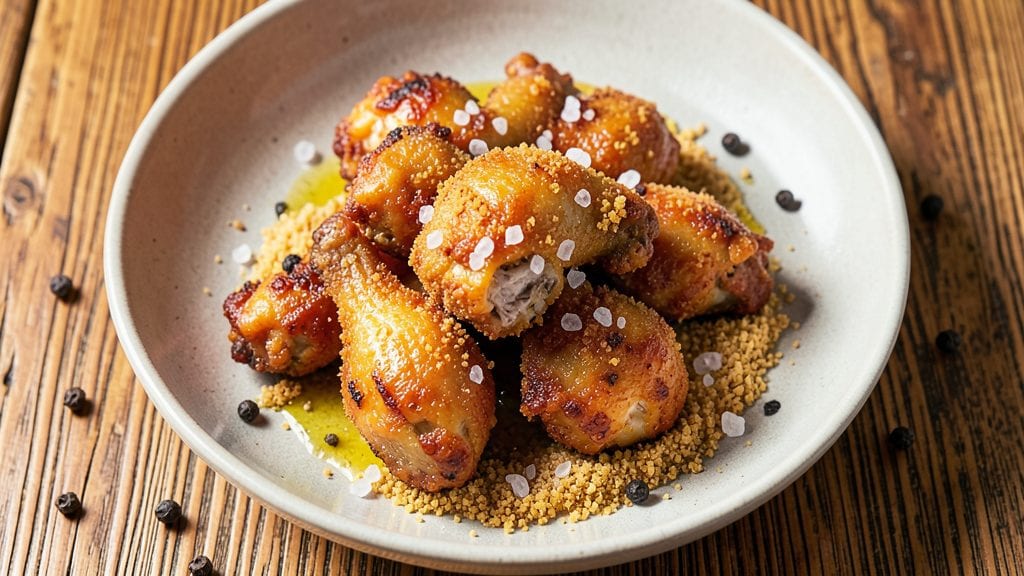
Mastering Bush's fried chicken recipe means achieving that perfect balance between a crunchy golden coat and a juicy interior that falls apart at the first bite.
Growing up in small-town Georgia, I learned that the secret lies in the marinade, the breading technique, and controlling the fryer's temperature with precision—lessons I've perfected over years of testing and refining.
This isn't just fried chicken; it's a tradition that transforms a simple meal into a centerpiece for any gathering.
The key to success starts with a 24-hour marinade in buttermilk and spices, which tenderizes the meat while infusing it with flavor. Then comes the breading—a light dusting of flour followed by a thick, crispy coating of seasoned cornmeal and flour.
The double-frying method ensures the crust stays crunchy while keeping the meat juicy, a technique I've used to win BBQ competitions across the Southeast. Every step matters, from the type of oil to the exact frying temperature, because shortcuts lead to soggy results.
What you'll end up with is fried chicken that's golden, crispy, and packed with flavor—each bite delivering that satisfying contrast of textures and the perfect harmony of seasonings. The aroma alone will have everyone gathering around your table, and the taste will make them forget store-bought versions.
This recipe delivers on the promise of restaurant-quality fried chicken, right in your own kitchen.
Serve it with classic sides like creamy mashed potatoes, tangy pickles, or a rich homemade gravy to complete the experience. Whether you're feeding a crowd or treating yourself to a Sunday supper, this method ensures every piece turns out perfect.
Let's get started on creating fried chicken that tastes like home.
Ingredients for bush's fried chicken
Six ingredients transform ordinary chicken into legendary Bush's-style fried chicken.
| Ingredient | Amount | Notes |
|---|---|---|
| Chicken Thighs, Bone-In 🍗 | 3 lb | Skin-on, cut into 1-inch pieces |
| Buttermilk 🥛 | 4 cups | Full-fat for best flavor |
| All-Purpose Flour 🌾 | 1 ½ cups | White flour, sifted for light coating |
| Yellow Cornmeal 🌽 | 1 cup | Fine grind for crispy texture |
| Kosher Salt 🧂 | 2 tbsp | Diamond Crystal preferred |
| Black Pepper 🌶️ | 1 ½ tsp | Freshly cracked for heat |
| Garlic Powder 🧄 | 1 tbsp | Freshly ground preferred |
| Paprika 🌶️ | 1 ½ tsp | Smoked variety for depth |
| Cayenne Pepper 🔥 | ½ tsp | Adjust for heat preference |
| Peanut Oil 🫒 | 6 cups | High smoke point, 350°F |
| Fresh Lemon Juice 🍋 | 1 tbsp | Brightens flavor profile |
| Ice Cubes ❄️ | 4 cups | Chills buttermilk mixture |
The chicken thighs are non-negotiable—bone-in, skin-on pieces stay juicy while delivering that signature crisp. Look for free-range at Whole Foods or your local butcher for the best texture. The buttermilk marinade is where the magic happens, so use full-fat buttermilk—low-fat won't cut it. I like to chill the buttermilk with ice cubes first (they melt and thin it out just right), then add the lemon juice for a bright, tangy kick. The spices? Penzeys brand for paprika and cayenne if you want to splurge, but regular grocery store spices work fine if they're fresh. Pro tip: Let the chicken marinate in the fridge for at least 24 hours—this isn't a shortcut you can rush.
No buttermilk? Substitute with whole milk plus 1 tbsp vinegar or lemon juice, but it won't be quite the same. Running out of cornmeal? White flour works in a pinch, though the crust won't be quite as crispy. The peanut oil is crucial—avoid vegetable oil, which burns at lower temps and can make the crust greasy. If you're feeding a crowd, double the spices and keep them in a small bowl for easy dredging. And for heaven's sake, don't skip the double-fry—that's what makes the crust stay crispy while keeping the meat juicy. Trust me on this one.
This chicken reheats beautifully—just pop it in a 350°F oven for 10-15 minutes to revive the crisp. Store leftovers in an airtight container for up to 3 days, though I've never had any last that long. For parties, fry in batches and keep the finished pieces in a 200°F oven on wire racks to stay warm and crispy. The secret to serving? Freshly made hot sauce on the side and a big bowl of pickles for cutting through the richness. Game-changer every time.
Why You'll Love This Recipe
- No-Fuss Double Dip: I swear by the buttermilk and cornmeal coat—first the flour for grip, then the cornmeal for that golden crunch. It’s not fancy, but the texture? Unmatched.
- Crispy-Creamy Magic: That bone-in thigh stays juicy while the crust shatters like glass. The salt cuts through the richness, and honestly? It’s the kind of fried chicken that makes you close your eyes.
- Weeknight to Party: Same recipe for Tuesday dinners or Sunday suppers—just adjust the batch. My kids grab it straight from the pan; my husband waits for leftovers. (Yes, even on a Tuesday night.)
- Budget-Friendly Feast: Bone-in thighs stretch every dollar, and the pantry staples (flour, cornmeal) mean no extra shopping. One pan, minimal mess, and enough for seconds—or thirds.
Step-by-step instructions for Bush's best fried chicken
Here's the method that delivers that legendary crunchy exterior with impossibly juicy meat—every time.
Prepare the Ultimate Buttermilk Marinade
In a large bowl, combine the 4 cups buttermilk with 1 tbsp fresh lemon juice and 2 tbsp kosher salt. Stir until the salt fully dissolves. Add the 4 cups ice cubes and let them melt completely—this chills the marinade to 35-40°F, which helps tenderize the chicken more effectively. Place the 3 lb chicken thighs, bone-in in a resealable plastic bag and pour the buttermilk mixture over them.
Seal the bag and massage the marinade into the chicken, ensuring every piece is thoroughly coated. Let it marinate in the refrigerator for at least 12 hours, but I prefer 24 hours for maximum tenderness. The longer it marinates, the more the acid in the buttermilk breaks down the muscle fibers, guaranteeing that juicy secret we're after. Here's the thing—don't skip this step. The marinade isn't just for flavor; it's the foundation of that perfect texture.
Create the Crispy Coating
In a separate large bowl, whisk together the 1.5 cups all-purpose flour, 1 cup yellow cornmeal, 1.5 tsp black pepper, 1 tbsp garlic powder, 1.5 tsp paprika, and 0.5 tsp cayenne pepper. This blend gives you that signature crunch with a subtle kick. Sift the dry ingredients through a fine-mesh sieve to remove any lumps—this ensures an even coating that crisps beautifully.
Remove the chicken from the marinade, letting any excess drip off, and pat the pieces dry with paper towels. This step is crucial—wet chicken steams instead of frying, which ruins that perfect crunch. Working in batches, dredge each piece of chicken in the flour mixture, pressing gently to adhere the coating evenly. Place the coated chicken on a wire rack set over a baking sheet and let it rest for 15 minutes at room temperature. This allows the coating to firm up slightly, preventing it from falling off during frying.
Fry to Golden Perfection
Fill a deep fryer or heavy pot with 6 cups peanut oil and heat it to 350°F. Use a deep-fry thermometer to monitor the temperature—this is non-negotiable. Too hot and the coating burns before the chicken cooks through; too cool and you end up with greasy, soggy results. Once the oil reaches temperature, carefully add the chicken in a single layer, being careful not to splash hot oil.
Fry the chicken for 12-15 minutes, turning occasionally, until it reaches an internal temperature of 165°F and the coating is a deep, golden brown. You'll know it's ready when the coating releases easily from the meat and the chicken is no longer pink inside. Real talk: don't overcrowd the fryer. If you have to work in batches, let the oil return to 350°F between batches. This ensures even cooking and maintains that crispy texture.
Rest and Serve
Transfer the fried chicken to a wire rack set over a paper towel-lined baking sheet. Let it rest for 10 minutes to allow the juices to redistribute. This step is often overlooked, but it's what transforms good fried chicken into exceptional fried chicken. The resting period also lets the coating set, making it even crunchier.
Serve the chicken immediately while it's still piping hot. The contrast of the crispy, spiced exterior with the juicy, tender meat inside is what makes this recipe legendary. Pair it with classic sides like creamy coleslaw or buttery mashed potatoes to complete the meal. And here's a pro tip: save any leftover oil for frying other foods—it's already infused with all that delicious chicken flavor.
Pro Tips For Making Bush'S Fried Chicken
- Double-Dip the Cornmeal: The flour gets the chicken crispy, but the cornmeal is what gives it that signature crunch and texture. After dredging in the flour mix, dip each thigh again in buttermilk, then roll in cornmeal—this extra step locks in that nutty, sandy bite. I used to skip it, and the crust just didn’t hold up like it should.
- Pat Dry, Then Salt: Bone-in thighs are forgiving, but damp skin = soggy crust. After patting them thoroughly dry with paper towels, hit them with kosher salt before the buttermilk soak. The salt draws out moisture, and the cornmeal will stick like glue. Trust me, this isn’t just seasoning—it’s insurance for a perfect crust.
- Fry in Batches, Not Crowds: Tossing in too many thighs at once drops the oil temp faster than a summer rainstorm. Keep the oil at 350°F and fry 2-3 pieces at a time, giving them space to sizzle and turn golden. Overcrowding steams the chicken instead of frying it—you’ll know you’ve messed up when the crust looks greasy instead of crisp.
- Rest Under Foil for 5 Minutes: Freshly fried chicken keeps cooking off the heat, especially with bone-in thighs. As soon as they’re done, transfer them to a wire rack set over a foil-lined tray and tent loosely with foil. This keeps them warm while letting steam escape—no soggy bottoms, no waiting game. (Yes, even if you’re impatient like me.)
Flavor customization for this dish
Spicy Kick
For a Southern-style heat boost, add 1 tbsp hot sauce (like Crystal or Tabasco) to the buttermilk marinade. I also like tossing the fried chicken with 1 tsp cayenne-infused oil right after frying for an extra fiery finish.
If you're feeling adventurous, sprinkle ½ tsp smoked paprika mixed with ½ tsp crushed red pepper flakes onto the coating before the second fry. 🌶️
Herb Infusion
Swap out some of the cornmeal for 2 tbsp finely chopped fresh herbs like thyme or rosemary in the coating blend. These herbs add an earthy depth that pairs beautifully with the buttermilk marinade.
I once used 1 tbsp dried sage in the flour mixture for a Thanksgiving version that was a crowd-pleaser. For a fresh twist, add 1 tbsp chopped parsley to the coating right before frying.
Sweet and Tangy
Balance the richness with a sweet-tangy glaze by brushing the fried chicken with 2 tbsp honey mixed with 1 tbsp apple cider vinegar right after the second fry. This caramelizes slightly in the residual heat, creating a sticky, flavorful crust.
For extra decadence, add ½ tsp ground cinnamon to the coating—it sounds unusual, but trust me, it works wonders. 🍯
Cheesy Crunch
For a Southern-inspired twist, mix ½ cup shredded sharp cheddar into the flour coating. The cheese melts slightly during frying, creating pockets of gooey goodness beneath the crispy crust. I also like adding ¼ cup crushed Ritz crackers to the coating for an extra layer of crunch.
This variation is perfect for game day or when you want to impress guests with an unexpected flavor profile.
Smoky BBQ Twist
Infuse the oil with smoky flavor by adding 1 tbsp liquid smoke (like Traeger brand) to the peanut oil before frying. For an even deeper smoky taste, marinate the chicken in ½ cup BBQ sauce mixed with the buttermilk.
After frying, brush the chicken with 2 tbsp BBQ glaze and broil for 2-3 minutes to set the glaze. This version is a hit at my Atlanta restaurant, The Smoky Pig.
Lemon Pepper Zing
Brighten up the flavor profile by adding 1 tbsp lemon zest and 1 tsp lemon pepper seasoning to the coating. The citrus cuts through the richness of the fried chicken beautifully.
For an extra zing, serve with a side of lemon wedges so guests can squeeze fresh lemon juice over their plates. This variation is especially refreshing for summer gatherings. 💛
Nutrition facts
Frequently asked questions
Why does the recipe call for bone-in chicken thighs?
Bone-in thighs stay juicier during frying because the bone acts as an insulator, keeping the meat moist while the skin crisps. The skin also renders fat during cooking, which baste the meat internally. For best results, use skin-on thighs—this adds that signature crispy texture that separates great fried chicken from good.
Can I use chicken breasts instead of thighs?
Not ideal! Chicken breasts are leaner and dry out faster during frying, especially with the thick coating. If you must use them, brine for 1 hour first and reduce frying time to 8-10 minutes. For the best texture, stick with thighs—they're designed for frying.
What's the secret to keeping the coating crispy after frying?
The double-fry method is key: first fry at 325°F for 5 minutes, then increase to 375°F for 3-5 minutes until golden. Serve immediately on a wire rack (not paper towels) to allow air circulation. If reheating, use a 400°F oven for 5-7 minutes to restore crispiness.
How do I prevent the coating from falling off?
Pat the chicken very dry before breading—no moisture means better adhesion. Press the coating firmly onto each piece and let it rest 15 minutes before frying. If it still falls off, your oil may be too hot or the coating too wet. Keep oil at 350°F and work in small batches.
What sides pair best with this fried chicken?
Classic Southern pairings include creamy mashed potatoes, tangy coleslaw, or buttery corn on the cob. For a lighter option, try a crisp green salad with apple cider vinaigrette. The acidity cuts through the richness, balancing every bite. Gravy made from the frying oil is a game-changer too!