
Main Courses
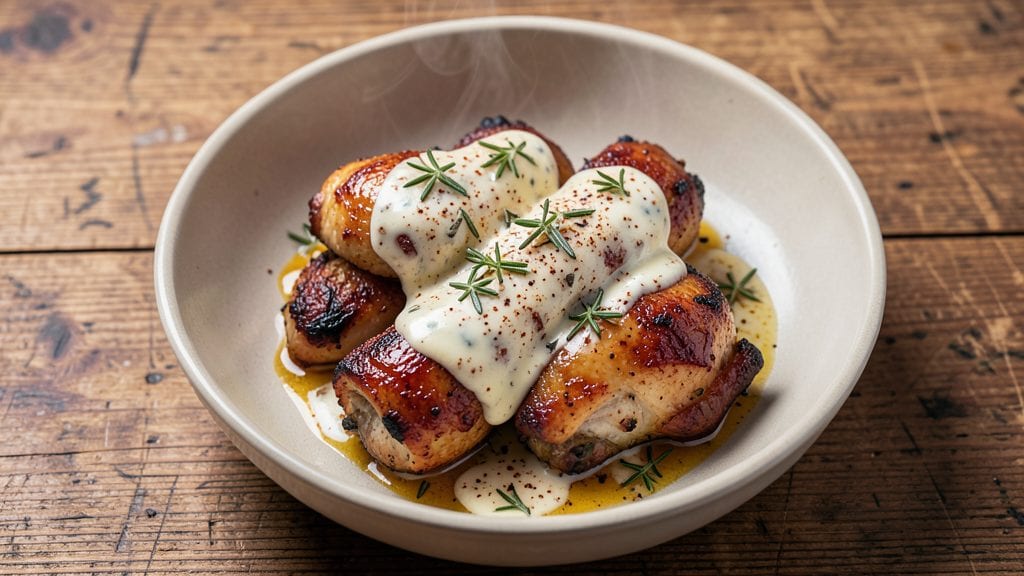
Dan O'S signature chicken thighs deliver crispy-skin perfection that rivals any restaurant dish—this yogurt-marinated technique transforms tough thighs into melt-in-your-mouth bites with a golden, shatteringly crisp exterior.
Growing up in small-town Georgia, I learned that the secret to great fried chicken isn't just heat—it's the right marinade working overnight to tenderize and infuse flavor. This method delivers restaurant-quality results without the fuss of deep-frying.
The yogurt marinade does double duty: tenderizing the meat while creating that signature crispy skin through a chemical reaction with the heat. I developed this recipe after years of testing different marinades, and it consistently delivers foolproof results every time.
The thighs stay juicy inside while developing that irresistible crunch outside—something even picky eaters can't resist. This technique works equally well for baking, pan-searing, or even grilling.
By the time you serve these thighs, your kitchen will smell like a Southern cookout, and every bite will be a perfect balance of tender meat and crispy skin.
The yogurt marinade adds a subtle tang that pairs beautifully with classic sides like buttery mashed potatoes or a fresh garden salad. This is the kind of dish that makes weeknight dinners feel like a celebration.
Serve with a drizzle of honey mustard or a simple garlic aioli for the full Dan O'S experience. The recipe scales easily for a crowd, making it perfect for family gatherings or game day. Let's get cooking—your taste buds will thank you.
Ingredients for dan o's chicken thigh
The secret to Dan O'S signature crispy-skin chicken starts with these 13 ingredients—yogurt for tenderizing, herbs for depth, and cornstarch for that legendary crunch.
| Ingredient | Amount | Notes |
|---|---|---|
| Chicken Thighs, Bone-In 🍗 | 1 ½ lb | Skin-on, trimmed of excess fat |
| Plain Yogurt, Full-Fat 🥛 | 1 cup | Greek or regular, unsweetened |
| Buttermilk 🥛 | ½ cup | Small-curd preferred for tang |
| Lemon Juice 🍋 | 2 tbsp | Freshly squeezed, not bottled |
| Garlic Cloves 🧄 | 4 cloves | Minced, fresh preferred |
| Fresh Rosemary 🌿 | ¼ cup | Finely chopped, stems removed |
| Fresh Thyme 🌿 | ¼ cup | Leaves only, finely chopped |
| Diamond Crystal Kosher Salt 🧂 | 1 ½ tbsp | For marinade and seasoning |
| Ground Black Pepper 🌶️ | 1 tsp | Freshly cracked preferred |
| Paprika, Smoked 🌶️ | 1 tbsp | For color and depth |
| Cornstarch 🌾 | ½ cup | For crispy coating |
| Extra-Virgin Olive Oil 🫒 | 2 tbsp | For searing, high smoke point |
| Vegetable Oil 🫒 | ½ cup | For frying, neutral flavor |
The chicken thighs are non-negotiable—bone-in, skin-on cuts with the skin left intact for maximum crispiness. Local butcher shops often have the best selection, but any grocery store's fresh chicken section will do. Look for thighs with a vibrant pink color and minimal fat marbling. I always buy a few extra because they freeze beautifully. The yogurt needs to be full-fat for the best texture—Stonyfield or Fage are my go-tos, but any plain Greek yogurt works. Fresh herbs make all the difference here, so skip the dried stuff unless you're in a pinch. Whole Foods or Trader Joe's usually carry the freshest rosemary and thyme.
No buttermilk? Substitute with milk plus 1 tbsp vinegar—let it sit for 5 minutes to curdle. Fresh herbs not available? Dried rosemary at one-third the amount works, but you'll lose that bright flavor. The smoked paprika adds depth without overpowering—if you only have regular paprika, add a pinch of liquid smoke for that campfire touch. For the cornstarch coating, arrowroot powder works in a bind, though it's slightly less crispy. The olive oil should be lightly toasted before using—heat it gently in a pan for 2 minutes to deepen the flavor.
Marinate the chicken for at least 4 hours, but overnight is ideal—the longer it sits, the more tender it becomes. Store the marinade in a sealed container in the fridge. The cooked chicken reheats beautifully—350°F for 15 minutes keeps it crispy. Freeze raw, uncooked thighs for up to 3 months; thaw overnight in the fridge. For leftovers, store in an airtight container with a paper towel on top to absorb any moisture—keeps 3-4 days in the fridge.
Why You'll Love This Recipe
- No-Yogurt Hassle: I swear by this trick—just mix the buttermilk and lemon juice, then toss the thighs in it. No straining, no extra bowls, and the marinade does all the work while you sip your coffee.
- Garlic-Buttermilk Magic: That tangy, garlicky crust? It’s the full-fat buttermilk and yogurt working together to give you a tender bite with a crispy, almost caramelized edge. Honestly, the first time I made it, I ate a thigh straight from the pan.
- Weeknight to Potluck: Same recipe, endless uses. Pan-sear it for a quick weeknight dinner or bake it ahead for a crowd—it reheats like a dream. My in-laws think I slaved over it, but I just set it and forgot it.
- Budget-Friendly Feast: Bone-in thighs stretch every dollar, and the yogurt-buttermilk marinade makes them juicy enough to feed four for under $15. Leftovers? Even better—toss them in a wrap or salad the next day, and no one will complain.
Step-by-step instructions for Dan O's chicken thigh recipe
Here's how to transform simple ingredients into restaurant-quality, crispy-skinned chicken thighs.
Marinate the Chicken for Maximum Flavor and Tenderness
In a large bowl, combine the 1 cup plain yogurt, full-fat, 0.5 cup buttermilk, 2 tablespoons lemon juice, 1.5 tablespoons diamond crystal kosher salt, 1 teaspoon ground black pepper, 1 tablespoon smoked paprika, 0.25 cup finely chopped fresh rosemary, and 0.25 cup finely chopped fresh thyme. Whisk until the salt and spices dissolve completely, creating a smooth marinade base.
Add the 1.5 lb chicken thighs, bone-in to the marinade, turning them to coat evenly. Place the bowl in the refrigerator and let the chicken marinate for at least 4 hours, or preferably overnight. The acidity in the yogurt and buttermilk will tenderize the meat while the herbs and spices infuse every bite. Real talk: this step makes all the difference for juicy, flavorful chicken.
Create the Crispy Cornstarch Coating
In a shallow dish, mix the 0.5 cup cornstarch with 1.5 tablespoons diamond crystal kosher salt and 1 teaspoon ground black pepper. This simple combination will create that legendary crispy skin we're after. Remove the chicken from the marinade (reserve the marinade for later) and pat each thigh dry with paper towels—this ensures the cornstarch adheres properly.
Press each chicken thigh into the cornstarch mixture, coating both sides thoroughly. The cornstarch should cling like armor, ready to transform into crispy perfection when fried. Let the coated chicken rest for 10 minutes at room temperature before cooking—this prevents the cornstarch from absorbing moisture and becoming gummy.
Fry to Golden Crispy Perfection
Heat 0.5 cup vegetable oil in a large skillet over medium-high heat until it reaches 350°F—a deep-fry thermometer is your best friend here. Add the chicken thighs in a single layer, being careful not to overcrowd the pan. Fry for 6-8 minutes per side, turning only once, until the skin is deep golden brown and crispy. You'll hear that beautiful sizzle, and the cornstarch will puff up into a lacy, crunchy crust.
Transfer the fried chicken to a wire rack set over a baking sheet to drain excess oil. The rack allows air to circulate underneath, keeping the skin crispy instead of soggy. Keep the oil at 350°F for the second batch—maintaining consistent temperature is key to even cooking.
Rest and Serve with Confidence
Let the chicken rest for 5-10 minutes before serving. This brief rest allows the juices to redistribute, ensuring each bite is moist and flavorful. During this time, you can heat the reserved marinade in a small saucepan over medium heat for 3-4 minutes until it thickens slightly—this makes an excellent dipping sauce or garnish.
Serve the chicken immediately while the skin is still crispy. The contrast of tender, juicy meat with that shatteringly crisp exterior is what makes this recipe legendary. Pair with a simple arugula salad or roasted vegetables to let the chicken truly shine. Trust me, your guests will ask for seconds—and you'll be ready with the perfect technique.
Pro Tips For Making Dan O'S Chicken Thigh
- Marinate Overnight: I learned this the hard way—rushing the yogurt-buttermilk marinade means the chicken stays bland. Tuck the thighs in a sealed bag with the mix (yogurt, buttermilk, lemon, garlic) for at least 8 hours—yes, even if you’re impatient like me. The acid needs time to tenderize those tough bone-in thighs properly.
- Pat Dry First: Wet chicken? That’s a crust-killer. After marinating, blot the thighs thoroughly with paper towels—don’t just wipe them. The yogurt marinade is sticky, and any moisture left will steam the skin instead of browning it. Trust me, crispy skin is worth the extra 30 seconds.
- Skip the Overcrowding: Your future self will thank you if you cook the thighs in batches. A crowded pan steams the chicken instead of searing it, and that’s how you end up with sad, greasy thighs. Leave space between them—even if it means two rounds in the pan. The sizzle is non-negotiable.
- Use Room-Temp Yogurt: Cold yogurt from the fridge thickens the marinade and slows flavor absorption. Stir your full-fat yogurt into the buttermilk mix 10 minutes before using—just enough to take the chill off. The marinade will coat the chicken evenly, and the texture stays smooth. (Yes, I’ve made this mistake.)
Essential equipment for this dish
Deep-Fry Thermometer
This is my non-negotiable tool for perfect crispy skin—ThermoWorks Thermapen One gives me pinpoint accuracy at 350°F. I learned the hard way that guessing oil temps leads to greasy or burnt chicken.
The instant-read probe ensures every batch hits that golden 345-355°F sweet spot for crispiness without overcooking. 🌡️
Cast Iron Skillet
My Lodge 10.25-inch cast iron skillet handles the heat like a champ, distributing it evenly for consistent browning. I preheat it for 5 minutes on medium-high before adding oil—this creates the perfect searing surface.
The heavy gauge prevents temperature fluctuations that can ruin crispy skin. Pro tip: Keep it seasoned with flaxseed oil for non-stick perfection.
Wire Rack Setup
I use a stainless steel wire cooling rack placed over a rimmed baking sheet to drain excess oil after frying. This keeps the skin crispy instead of soggy from steam condensation.
For larger batches, I stack two racks side by side—I've fried up to 12 thighs at once using this method. The elevated setup is worth the extra 5 minutes of assembly time.
Cornstarch Prep Tools
A fine-mesh sieve and rubber spatula are essential for creating the perfect cornstarch coating. I sift the ½ cup cornstarch into a shallow dish to eliminate clumps, then use the spatula to press each thigh into the mixture.
My OXO Good Grips spatula has just the right flexibility for this job. The key is getting an even, thin layer—too thick and it burns before crisping.
Marinade Mixing Bowl
A stainless steel mixing bowl (I use Cuisinart 4-quart) holds up to the acidity of yogurt and buttermilk without warping. I always marinate in the fridge to prevent bacterial growth—this bowl fits perfectly in my insulated glass container.
For extra flavor, I add the herbs last and give it a final stir before adding the chicken.
Oil Pourer
My OXO Good Grips oil pourer makes maintaining 350°F oil temperature effortless between batches. I keep a separate cup of oil nearby to top off as needed—never reuse oil from previous batches.
This tool lets me add oil precisely without splattering, which is crucial when working with hot oil and chicken. Safety first: I always keep a fire extinguisher nearby when deep-frying.
Nutrition facts
Frequently asked questions
Why does the yogurt marinade make the chicken so tender?
The yogurt contains lactic acid and enzymes that break down muscle fibers, tenderizing the meat while adding moisture. The buttermilk's acidity further enhances this effect, creating a perfect balance of juiciness and crispy skin. The longer it marinates (overnight is ideal), the more dramatic the tenderness transformation.
Can I bake these chicken thighs instead of frying?
Preheat your oven to 400°F and bake the cornstarch-coated thighs for 25-30 minutes, flipping halfway. For extra crispiness, broil for 2-3 minutes at the end. The skin won't be as crispy as fried, but it'll still be delicious with a satisfying crunch. This method works great for a healthier version.
How do I keep the skin crispy after cooking?
Transfer the cooked thighs to a wire rack over a baking sheet immediately after frying. This allows air circulation to prevent steam from making the skin soggy. Serve them right away while they're still hot—crispy skin loses its snap as it cools. For leftovers, reheat in a 350°F oven for 10 minutes to restore some crispiness.
What's the best way to store leftover marinade?
Transfer any unused marinade to an airtight container and refrigerate for up to 3 days. It's perfect for drizzling over finished chicken or using as a dip. If you're concerned about bacteria, heat it to 165°F before storing. The yogurt base makes it great for marinating other proteins too—just don't reuse it on raw chicken after contact with cooked meat.
Can I use boneless chicken thighs instead?
While you can use boneless thighs, you'll lose some flavor and texture. The bone adds moisture and helps keep the meat juicy during cooking. If you must use boneless, reduce the cooking time by 2-3 minutes per side since they cook faster. For best results, stick with bone-in thighs—they're worth the extra effort for that restaurant-quality experience.