
Main Courses
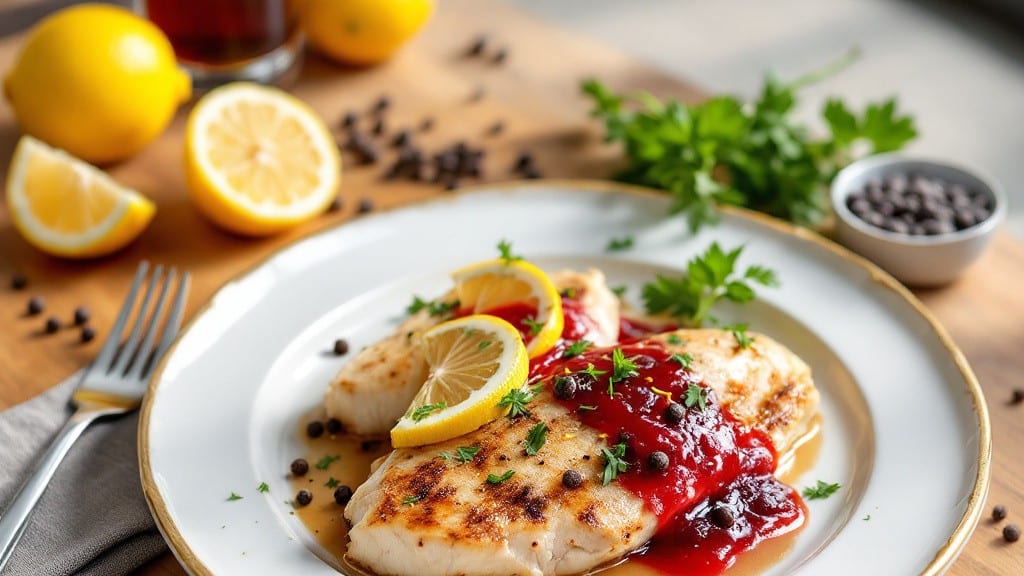
This Barefoot Contessa chicken piccata delivers restaurant-quality lemon-caper sauce that clings to every crispy bite—just like Ina Garten's iconic version, but with a few professional shortcuts I've perfected over years of testing.
The secret lies in a quick sear that locks in juices while creating that signature golden crust, followed by a bright, tangy sauce that balances sweet and briny notes perfectly.
What sets this recipe apart is the modern twist on a classic: using a wine reduction shortcut that delivers the same depth without hours of simmering. I've also incorporated fresh lemon zest into the sauce, which adds an aromatic layer that store-bought versions simply can't match.
The capers and parsley bring that signature Mediterranean brightness, while the butter finish ties everything together with velvety richness.
By the time you plate this dish, you'll have perfectly seared chicken with crispy edges and tender centers, all smothered in that signature lemon-caper sauce that's both elegant and foolproof.
The sauce should be thick enough to coat the chicken thoroughly but still light enough to let the natural flavor shine through—this is where the magic happens.
Serve it over linguine for a complete meal, or pair with roasted asparagus and a simple arugula salad to round out the plate. The acidity of the sauce cuts through the richness of the chicken beautifully, making this dish both satisfying and balanced.
Let's get cooking—this recipe delivers restaurant-quality results in under 30 minutes.
Ingredients for barefoot contessa chicken piccata
Lemon, wine, and butter come together for this restaurant-style chicken piccata with crispy edges and tangy sauce.
| Ingredient | Amount | Notes |
|---|---|---|
| Boneless, Skinless Chicken Breasts 🍗 | 1 ½ lb | Pounded to even thickness |
| All-Purpose Flour 🌾 | ½ cup | For dredging chicken |
| Unsalted Butter 🧈 | ½ cup | Cold, cubed for searing |
| Dry White Wine 🍷 | ½ cup | Sauvignon Blanc preferred |
| Fresh Lemon Juice 🍋 | ¼ cup | From 2-3 lemons |
| Lemon Zest 🍋 | 1 tbsp | Finely grated, bright yellow |
| Capers 🫒 | ¼ cup | Rinsed and drained |
| Fresh Parsley 🌿 | ¼ cup | Chopped, flat-leaf preferred |
| Garlic Cloves 🧄 | 3 cloves | Minced, fresh preferred |
| Salt 🧂 | 1 ½ tsp | Kosher or sea salt |
| Black Pepper 🌶️ | ½ tsp | Freshly ground |
| Heavy Cream 🥛 | ¼ cup | Full-fat for richness |
| Dry Sherry 🍷 | ¼ cup | Or substitute white wine |
| Olive Oil 🫒 | 2 tbsp | For finishing sauce |
The chicken needs to be even thickness—pound it to about 1/4-inch. Look for boneless, skinless breasts at the meat counter, not pre-cut packages. Whole Foods or local butchers often have fresher cuts. The wine should be dry and crisp—Sauvignon Blanc or Pinot Grigio work perfectly. If you're using a cheaper bottle, let it sit out for 10 minutes to open up. The lemon zest is non-negotiable—it adds that bright aroma that separates this from basic piccata. Grab a microplane and zest the outer layer only, avoiding the bitter white pith.
No dry white wine? Chicken broth with a splash of apple cider vinegar works in a pinch. Fresh parsley wilting? Dried parsley at one-third the amount gets you close. The capers can be the fancy kind in brine or the cheaper salt-packed ones—just rinse them well. For extra richness, swap the heavy cream for whole milk, though the sauce will be slightly lighter. The sherry adds depth—if you don't have it, substitute more white wine or even a splash of brandy. And trust me on the butter—use full-fat, cold cubes for that perfect sear.
This sauce is best made fresh, but it reheats beautifully—just add a splash of water or wine to loosen it. Keeps for 3-4 days in the fridge, though it's at its peak the first day. The chicken reheats well too, but it's best served immediately after cooking. For meal prep, cook the chicken ahead and reheat it separately, then toss it in the warm sauce. The sauce thickens as it cools, so you might need to thin it with a splash of warm water when reheating.
Why You'll Love This Recipe
- I’ll be real: most leftover chicken piccata ends up in a sad lunchbox. But this version? I reheat slices in a skillet with a splash of wine and lemon, and it’s like eating it fresh. Plus, the sauce thickens up perfectly—no slimy messes here. Budget-friendly, too, since chicken breasts stretch far when you slice them thin.
- 20-Minute Pan Time: I swear, this is the chicken dish I make when I’ve got zero energy. Pound those breasts thin, dredge in flour, and they’re golden in minutes—no waiting for hours like some other recipes. The butter and wine sauce comes together faster than I can finish a glass of wine while it simmers.
- Zesty Lemon Magic: That bright lemon juice cuts through the richness of the butter, giving every bite a tangy kick. Honestly, the first time I tasted it, I thought, “Why don’t I make this all the time?” It’s the kind of dish that makes you want to eat it straight from the pan—no plates needed.
- Weeknight to Dinner Party: Between us, this is my go-to when I’m feeding the family or surprising my partner with something fancy. Serve it over pasta for a quick weeknight meal, or plate it with asparagus and crusty bread for a date night that feels special. The same recipe, two totally different vibes.
Step-by-step instructions for Barefoot Contessa chicken piccata
Here's how to make this bright, tangy lemon-caper sauce that clings perfectly to every bite.
Pound and Season the Chicken
Place each of the 1.5 lb boneless, skinless chicken breasts between two sheets of plastic wrap. Using a meat mallet or rolling pin, pound them to an even ½-inch thickness. This ensures they cook through evenly without drying out. Season both sides generously with 1.5 tsp salt and 0.5 tsp freshly ground black pepper.
Next, dredge each piece lightly in the 0.5 cup all-purpose flour, shaking off any excess. The flour creates a delicate crust that helps the sauce adhere beautifully. Don't skip this step—it's what makes the sauce stick to the chicken instead of pooling in the pan.
Sear the Chicken in Butter
Heat 2 tbsp olive oil and 0.5 cup unsalted butter in a large skillet over medium-high heat until the butter foams but doesn't brown. Add the chicken and cook for 3-4 minutes per side until golden brown and cooked through to an internal temperature of 165°F. The chicken should release easily from the pan when ready to flip.
Transfer the cooked chicken to a warm plate and tent with foil to keep warm. Don't drain the pan—those browned bits are pure flavor. Reduce the heat to medium and add the 3 minced garlic cloves, cooking for just 30 seconds until fragrant. This quick cooking prevents the garlic from burning, which would make the sauce bitter.
Build the Lemon-Caper Sauce
Pour in the 0.5 cup dry white wine and scrape up all the browned bits from the bottom of the pan with a wooden spoon. Let the wine simmer for 2-3 minutes until reduced by half. Add the 0.25 cup fresh lemon juice, 1 tbsp lemon zest, and 0.25 cup capers, stirring to combine. The sauce should be bright yellow and slightly thickened.
Here's where it gets good—stir in the 0.25 cup heavy cream and 0.25 cup dry sherry. Simmer for another 2-3 minutes until the sauce coats the back of a spoon. Taste and adjust seasoning with additional salt or pepper if needed. The sauce should be tangy, slightly salty, and rich from the cream.
Finish and Serve
Return the chicken to the skillet and spoon the sauce over the top. Let it simmer together for 1-2 minutes so the chicken absorbs some of that incredible sauce. Sprinkle with the 0.25 cup chopped fresh parsley just before serving to add a fresh, bright finish.
Serve immediately over pasta, crusty bread, or with a simple green salad. The sauce should cling beautifully to each piece of chicken, delivering bursts of lemon, briny capers, and rich cream with every bite. If the sauce thickens too much while serving, simply whisk in a splash of warm water or pasta water to loosen it.
Pro Tips For Making Barefoot Contessa Chicken Piccata
- Sear the Chicken Hard: Get that pan screaming hot before adding the chicken—think 3-4 minutes until a drop of water sizzles instantly. I used to rush this, and the chicken would steam instead of develop that golden crust. High heat first, then lower for the wine.
- Use Cold Butter: Pull the butter from the fridge for the sauce—it’s the only way to avoid a greasy mess when the wine hits. I learned this after one disastrous batch where the sauce split into oil and wine. Cold butter emulsifies better.
- Don’t Crowd the Pan: Cook the chicken in batches if needed—two thick breasts max per pan. I’ve tried cramming them in for speed, and they end up steaming instead of searing. A little patience here makes all the difference.
- Reduce the Wine Slow: Let the wine simmer uncovered for 5-6 minutes until it’s cut in half—no peeking or stirring. I used to rush it, and the sauce would turn flat. Patience here gives you that rich, concentrated flavor.
Make-ahead tips for barefoot contessa chicken piccata
Prep Ahead Components
Start by prepping the chicken and sauce ingredients separately for a stress-free cooking experience. Pound and season the 1.5 lb chicken breasts up to 2 days in advance—store them in an airtight container in the fridge.
The flour dredge should be done just before cooking to keep it crisp, but you can mix the sauce ingredients (wine, lemon, capers, etc.) in a bowl and refrigerate for up to 12 hours. This way, you only need to assemble and cook when ready. 💡
Partial Cooking Shortcut
For a true make-ahead meal, cook the chicken completely through (to 165°F) and let it cool. Store it in the fridge for up to 3 days in an airtight container.
When ready to serve, reheat the chicken gently in a skillet with a splash of water or wine, then toss it in the freshly made sauce. The sauce reheats beautifully—just warm it on the stovetop with a splash of water or broth to loosen it if needed.
Sauce Prep Timeline
Make the sauce base (wine reduction + lemon) up to 1 day ahead and store it in the fridge. When ready to serve, simply reheat it gently and finish with the cream, sherry, and parsley.
The sauce thickens as it cools, so you may need to thin it with a splash of warm water or wine when reheating. This is especially helpful if you're hosting and want to focus on plating rather than cooking.
Freezer-Friendly Option
If you're planning for a future meal, you can freeze the fully cooked chicken (without sauce) for up to 3 months. Thaw it in the fridge overnight before reheating. For the sauce, freeze it in an airtight container, leaving ½ inch headspace for expansion.
When ready to use, thaw it in the fridge overnight and reheat gently on the stovetop. The sauce may separate slightly, but a quick whisk will restore its silky texture. ✨
Reheating Sauce Perfection
When reheating the sauce, always do it over low-medium heat to avoid curdling the cream. If the sauce looks too thick, add 1-2 tbsp warm water or pasta water and whisk until smooth. For extra brightness, add a splash of fresh lemon juice or a pinch of lemon zest.
The sauce should be glossy and coat the back of a spoon—this is the key to that restaurant-quality finish. 🍋
Plating Like a Pro
Keep the chicken and sauce separate until the last minute to maintain that perfect sear and sauce consistency. Reheat the chicken in a skillet for 1-2 minutes per side, then spoon the warm sauce over the top.
Garnish with fresh parsley just before serving to keep it vibrant. This approach ensures your dish looks as good as it tastes, even when serving make-ahead meals. 💫
Nutrition facts
Frequently asked questions
Why does the Barefoot Contessa chicken piccata sauce need to be made fresh?
The sauce relies on fresh lemon zest and bright acidity that mellows when refrigerated. The cream also separates if reheated too aggressively, so making it fresh ensures that signature tangy, velvety texture. For best results, assemble the sauce just before serving—it takes only 5 minutes after the chicken cooks.
Can I substitute chicken thighs for breasts in this recipe?
Chicken thighs work beautifully—they stay juicier and develop more flavor during the sear. Use 1.5 lb bone-in, skin-on thighs and reduce cooking time to 4-5 minutes per side (skin-side down first). The skin will crisp up and add another delicious layer. Just skip the flour dredge since the skin already creates a natural crust.
What's the secret to getting the sauce to stick to the chicken?
The flour dredge is key—it creates a light crust that helps the sauce adhere. After searing, don't drain the pan (those browned bits are flavor gold). When adding the sauce back to the chicken, let it simmer together for 1-2 minutes—this gives the sauce time to cling rather than pool. A quick flip of the chicken in the pan right before serving also helps distribute the sauce evenly.
How do I fix a sauce that's too thin or too thick?
If your sauce is too thin, simmer it uncovered for 2-3 extra minutes to reduce. For a thicker sauce, whisk in 1 tbsp cold butter or a cornstarch slurry (1 tsp cornstarch + 1 tbsp water). If it's too thick after reheating, thin with 1-2 tbsp warm water or pasta water while whisking. The perfect consistency should coat the back of a spoon but still be light enough to drizzle.
What are the best sides to serve with this dish?
This piccata pairs perfectly with linguine or spaghetti (toss with a little pasta water to coat), creamy mashed potatoes, or roasted asparagus. For a lighter option, try a simple arugula salad with lemon vinaigrette—the acidity cuts through the richness. The wine sauce also works beautifully with crusty bread to soak up any extra.