
Main Courses
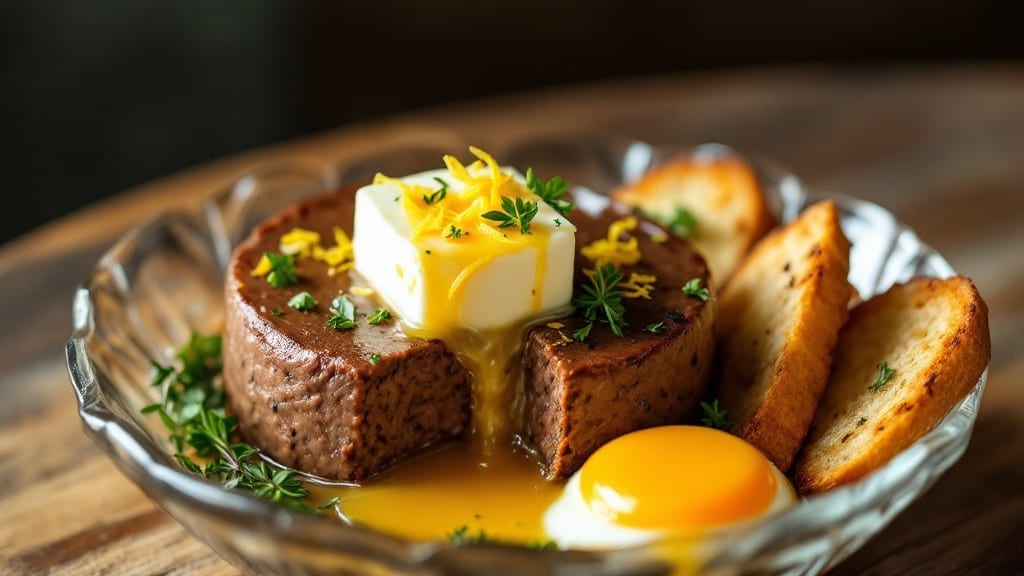
Barefoot Contessa’s chicken liver pâté delivers that silky-smooth, herbaceous richness that elevates any charcuterie board or holiday spread. The secret lies in slow-rendered livers blended with velvety butter and cream, creating a texture so luxurious it feels like a restaurant masterpiece.
I’ve perfected this recipe after years of testing—no grainy bits, just pure, unctuous decadence that melts on the tongue. 💛
What sets this version apart is the two-stage cooking method: livers are first poached to remove bitterness, then gently baked until just set, ensuring that signature velvety finish. Fresh herbs like thyme and tarragon infuse depth, while a touch of lemon zest brightens the richness.
The result? A pâté so refined it’s worthy of a Michelin-starred menu—but achievable in your home kitchen.
This isn’t just another liver spread—it’s a showstopper that transforms simple bites into an experience. Serve it on toasted baguette slices, drizzled with a hint of truffle oil, or as the centerpiece of your holiday appetizer table.
The contrast of the herbed crust against the smooth pâté creates visual and textural magic that will impress even the most discerning guests.
Ready in under 90 minutes with minimal hands-on time, this recipe proves that restaurant-quality pâté is well within reach. The key is patience—letting the flavors meld and the texture refine.
Trust the process, and you’ll have a spread that tastes like it took hours to prepare, even though it didn’t. Let’s get started on creating this classic with a modern twist.
Ingredients for chicken liver pate recipe barefoot contessa
Fresh livers and velvety butter create this luxurious pâté—herbal, smooth, and restaurant-worthy.
| Ingredient | Amount | Notes |
|---|---|---|
| Chicken Livers 🍗 | 1 ½ lb | Fresh, trimmed of connective tissue |
| Unsalted Butter 🧈 | ¾ cup | Cold, cut into small cubes |
| Heavy Cream 🥛 | ¾ cup | Full-fat for richness |
| Fresh Thyme Leaves 🌿 | ¼ cup | Finely chopped, stems removed |
| Fresh Tarragon Leaves 🌿 | ¼ cup | Finely chopped, stems removed |
| Lemon Zest 🍋 | 1 tbsp | Freshly grated, no pith |
| Shallots 🧅 | 2 whole | Finely minced, about 0.25 cup |
| Garlic Cloves 🧄 | 3 cloves | Minced, about 1 tsp |
| Diamond Crystal Kosher Salt 🧂 | ½ tsp | For seasoning, not curing |
| Freshly Ground Black Pepper 🌶️ | ¼ tsp | Freshly cracked preferred |
| Baguette Slices 🍞 | 8 slices | For serving, toasted |
| Truffle Oil 🫒 | 1 tsp | Optional, for drizzling |
The chicken livers are the star, so pick the freshest from the meat counter—look for vibrant red color and no graying. Costco or Whole Foods usually carry the best quality, but even your grocery store’s freshest will work if handled right. Trim any connective tissue or blood spots immediately, then rinse and pat dry. The butter? Plugrá or Land O’Lakes unsalted melts beautifully—avoid salted, or you’ll over-salt the pâté. Fresh herbs make all the difference here: thyme and tarragon should smell intensely aromatic. If you can’t find tarragon, dried tarragon at half the amount works, but fresh is ideal.
No truffle oil? Drizzle with extra-virgin olive oil instead—just skip the fancy drizzle. Shallots or onions work in a pinch, but shallots add subtle sweetness without overpowering. Fresh tarragon is tricky to find? Substitute fresh basil or parsley (use half the amount) for brightness. The lemon zest is non-negotiable—it cuts through the richness. If you only have bottled zest, add 1 extra tbsp of lemon juice to compensate. For the cream, heavy whipping cream is a must—light cream won’t give the same luxurious texture. And if you’re worried about bitterness, don’t be: the two-stage cooking method removes all traces of it.
This pâté keeps beautifully—3-4 days in the fridge, covered tightly. The texture actually improves overnight as flavors meld. For longer storage, freeze in 1-month portions (it won’t last that long, but you’ll be making it again). To serve, spread on toasted baguette slices (toast them fresh—none of that pre-packaged sad bread). Drizzle with truffle oil or a splash of high-quality olive oil right before serving. Leftovers? Pile them high on crackers or use as a fancy sandwich spread—trust me, it’s just as good the second time around.
Why You'll Love This Recipe
- No Fuss, Big Payoff: I swear by this recipe because it’s the kind of thing you can make while scrolling through your phone. Just sear those chicken livers in butter until they’re golden—no fancy techniques, no stress—and the rest is just simmering with cream and herbs. Honestly, the hardest part is waiting for it to cool enough to spoon.
- Herb-Packed Luxury: That combo of thyme and tarragon? It’s like a little flavor bomb. The tarragon gives it this bright, almost anise-like lift, while the thyme grounds it in warmth—like a fancy bistro dish in your own kitchen. And the butter? It’s the secret weapon here, melting into something rich without being heavy.
- Weeknight to Party Upgrade: This pate is my go-to for when I need something impressive but low-effort. Serve it with crusty bread for a quick weeknight dinner, or dollop it on toast with a sprinkle of flaky salt for a showstopper appetizer at a gathering. (Yes, even on a Tuesday night.)
- Budget-Friendly Indulgence: Chicken livers are cheap, but they taste like you spent hours in the kitchen. A pound goes a long way, and the leftovers? Even better the next day—if there are any. Between us, I’ve reheated this stuff straight from the fridge and never regretted it. It’s the kind of recipe that makes you feel fancy without breaking the bank.
Step-by-step instructions for barefoot Contessa's chicken liver pâté
Here's how to make this velvety, herb-infused pâté that's perfect for fancy gatherings or quick weeknight snacks.
🔪 Step 1: Trim and Slice the Chicken Livers
Start by trimming all connective tissue and fat from the 1.5 lb chicken livers using a sharp knife. I like to work over a bowl to catch any stray bits—you'll want to use them later. Rinse the livers thoroughly under cold water and pat them completely dry with paper towels. This step is crucial because any moisture will make your pâté watery later.
Slice the cleaned livers into ¼-inch thick pieces. You should end up with about 2 cups of sliced livers. Place them in a colander and give them a quick rinse under cold water again to remove any blood. Drain well and pat dry once more. Trust me, this extra drying step makes all the difference in texture.
🍳 Step 2: Sauté the Shallots and Garlic
Heat a large skillet over medium heat and add the 2 whole shallots that have been finely minced. Cook them for 5-6 minutes until they're soft and just starting to turn golden. Add the 3 cloves garlic cloves that have been minced and cook for another 30 seconds until fragrant but not browned.
Here's where it gets good—reduce the heat to low and add the 0.75 cup unsalted butter cut into small cubes. Let the butter melt slowly, stirring occasionally, until it's completely incorporated and the mixture looks like a rich, golden paste. This butter will form the velvety base of your pâté, so don't rush this step.
🥘 Step 3: Cook the Chicken Livers
Add the sliced chicken livers to the skillet in a single layer. Cook them for 3-4 minutes until they're just starting to brown on the outside but still slightly pink in the center. You want them to be cooked through but not overdone—overcooked livers will make your pâté tough. Remove them from the pan and set aside.
Increase the heat to medium-high and let the pan get hot again. Add the 0.25 cup fresh thyme leaves and 0.25 cup fresh tarragon leaves that have been finely chopped. Cook for 1 minute until the herbs are just wilted. Then add the 1 tbsp lemon zest and stir for 30 seconds to infuse the flavors. This aromatic base will give your pâté that signature herbal depth.
🍳 Step 4: Blend to Silky Perfection
Transfer the cooked chicken livers back to the skillet along with any accumulated juices. Add the 0.75 cup heavy cream and stir gently to combine. Let the mixture simmer for 2-3 minutes until the cream starts to thicken slightly. You want it to be hot but not boiling—this helps create that ultra-smooth texture.
Working quickly, transfer the mixture to a food processor or blender. Add the 0.5 tsp diamond crystal kosher salt and 0.25 tsp freshly ground black pepper. Pulse until the mixture is smooth, then blend continuously for 1-2 minutes until completely silky. Scrape down the sides as needed. This is where your pâté transforms from good to extraordinary—patience here pays off big time.
🔥 Step 5: Finish and Serve
Return the blended pâté to the skillet and cook over low heat for 3-4 minutes, stirring constantly, until it's heated through and slightly thickened. Taste and adjust seasoning if needed—you might want to add a pinch more salt or pepper to balance the flavors.
Transfer the pâté to a serving bowl or ramekin. Let it cool slightly, then drizzle with 1 tsp truffle oil if using. Serve immediately with 8 slices toasted baguette for dipping, or chill for up to 2 days in the refrigerator before serving. The flavors only deepen as it rests, making it perfect for make-ahead entertaining!
Pro Tips For Making Chicken Liver Pate Recipe Barefoot Contessa
- Trim the Gall Bladders: Chicken livers have tiny greenish sacs—those are gall bladders, and they’ll turn your pate bitter. Pinch the stem end of each liver and squeeze gently; the sac will pop out like a tiny bubble. Do this while they’re still cold, and save yourself from scraping off off-flavor later.
- Sear in Batches: Crowd the pan, and you’ll steam the livers instead of searing them. Work in two batches max—high heat, 2-3 minutes per side—until they’re deeply browned. Undercooked livers taste raw; overcrowding guarantees that.
- Strain the Cream: Heavy cream can turn gritty when blended with cooked livers, especially if you didn’t trim the connective tissue. Strain the cream through a fine-mesh sieve before mixing it in—it’s a little extra work, but your pate will be silky, not sandy.
- Toast the Herbs: Toss thyme and tarragon leaves in a dry pan for 10 seconds until just fragrant—don’t burn them. This wakes up their flavor and prevents them from turning bitter in the warm pate. (Yes, even if you’re impatient like me.)
Common mistakes when making this recipe
Overcooking Livers
Chicken livers cook in a flash, and once they pass 160°F internal temperature, they turn tough and dry. I’ve ruined pâté more times than I’d like to admit by letting them sit too long in the pan.
The goal is just pink centers—they’ll finish cooking in the cream. Use an instant-read thermometer for precision, or cut into a piece: if it’s still slightly translucent, it’s perfect. 🌡️
Skipping the Soak
Fresh livers contain blood and bitterness that needs removing. I used to skip the 10-minute soak in cold water and regretted it every time. Place cleaned livers in a bowl of ice water to draw out impurities.
Rinse thoroughly before patting dry—this step makes the difference between a smooth pâté and one with a metallic aftertaste.
Rushing the Blend
Blending too quickly creates a grainy texture from undercooked liver bits. I learned this the hard way when my first attempt had visible specks. Pulse first to break everything down, then blend continuously for 1-2 minutes until completely silky.
Scrape down the sides frequently to ensure even blending. The result should be so smooth it looks like a luxurious spread, not a chunky mash. ⚡
Using Salted Butter
Salted butter adds hidden sodium that can make your pâté taste flat or overly salty. Stick with unsalted butter—I recommend Plugrá or Land O’Lakes brands. If you’re unsure, taste a pinch before adding to adjust seasoning later.
The last thing you want is a pâté that needs no additional salt because it’s already too salty.
Ignoring the Rest
Pâté tastes even better after resting, but I’ve seen people serve it immediately straight from the heat. Let it cool slightly (10-15 minutes) before serving to allow flavors to meld.
For make-ahead prep, chill for up to 2 days—the texture actually improves as it rests. Trust the process, and you’ll avoid that "just-made" aftertaste.
Overfilling the Processor
Overloading your food processor with pâté mixture can cause it to seize up or blend unevenly. Fill it only halfway before blending, then process in batches if needed.
I use a Ninja BN601 for this recipe—it handles the job smoothly. A jam-packed processor struggles to create that velvety consistency we’re after. 💡
Nutrition facts
Frequently asked questions
Why do I need to soak chicken livers before cooking?
Soaking removes blood and natural bitterness that can make your pâté taste metallic or harsh. A 10-minute ice water soak draws out impurities while keeping the livers tender. Skipping this step risks a less-refined flavor, even if you follow the rest of the recipe perfectly.
Can I substitute duck or goose livers for chicken livers?
Yes, but the texture and flavor will differ. Duck/goose livers are richer and more gamey, requiring longer cooking time (8-10 minutes) to render fat. Use 1 lb for this recipe and reduce cream to ½ cup to balance the richness. The blending technique remains the same.
What if my pâté turns out too thin or watery?
This usually happens from overcooked livers or excess moisture. Simmer the pâté uncovered for 5-7 minutes on low heat to thicken, stirring constantly. For extra insurance, add 1 tbsp cold butter at the end to stabilize the texture. If it's still too loose, chill it—it'll firm up as it cools.
How do I make this pâté ahead of time for a party?
Prepare the pâté up to 2 days in advance—it actually tastes better after resting! Store in an airtight container in the fridge. Reheat gently in a skillet over low heat for 5-7 minutes, stirring constantly, until warmed through. The texture remains silky when reheated properly.
What's the best way to serve this pâté beyond toasted bread?
Get creative! Spread on crostini or crackers, use as a filling for puff pastry appetizers, or serve with pickled vegetables for contrast. For a fancy touch, top with crispy fried shallots or a drizzle of honey. It also makes an elegant sandwich spread on brioche with arugula.