
Main Courses
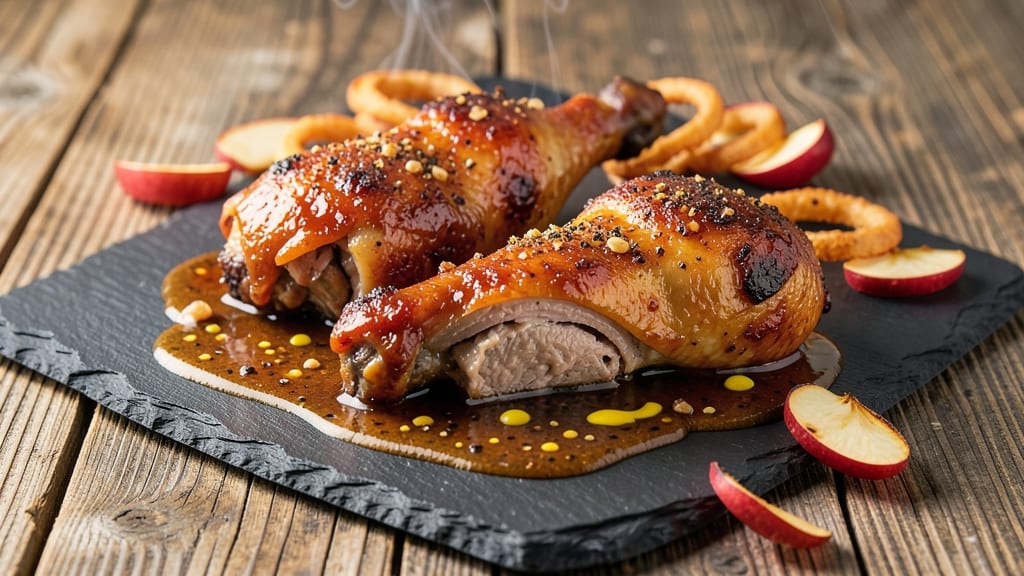
The Traeger chicken legs recipe transforms simple ingredients into restaurant-quality, fall-apart tenderness with a smoky char that lingers long after the last bite. This method combines low-and-slow cooking with precise temperature control to deliver juicy meat that practically melts in your mouth while developing that coveted smoky bark.
I've perfected this technique over countless weekends, and the secret lies in the 250°F setting—hot enough to develop flavor without drying out the meat.
What sets this recipe apart is the hands-off approach that lets the Traeger do the work while you handle other preparations. A simple brine enhances moisture retention, and the right wood choice—whether hickory for bold smokiness or apple for subtle sweetness—elevates the flavor profile.
The key is patience: letting the chicken cook until it reaches 165°F internally ensures perfect doneness every time, with skin that's crispy enough to hold up to foil wrapping if needed.
By the time you're done, you'll have chicken legs that are juicy, tender, and infused with smoky depth—ideal for serving as a main course or meal-prepping for the week. The method scales easily, making it perfect for feeding a crowd or enjoying a satisfying solo meal.
This is the kind of dish that turns weeknight dinners into memorable experiences without requiring hours in the kitchen.
The beauty of this recipe lies in its versatility. Serve the chicken legs with classic sides like coleslaw, cornbread, or roasted vegetables to complete the meal. The leftovers reheat beautifully, making it a practical choice for busy schedules.
Whether you're a Traeger veteran or new to smoking, this method delivers professional-quality results with minimal effort.
Ingredients for traeger chicken legs
Six essential ingredients transform ordinary chicken legs into Traeger masterpieces with smoky depth and melt-in-your-mouth tenderness.
| Ingredient | Amount | Notes |
|---|---|---|
| Chicken Legs (Thigh-Drumstick) 🍗 | 4 lb | Bone-in, skin-on for best flavor |
| Kosher Salt 🧂 | ½ cup | Diamond Crystal preferred for clarity |
| Granulated Sugar 🍚 | 2 tbsp | For balanced brine solution |
| Water 💧 | 4 cups | Filtered preferred for purity |
| Hickory Wood Chips 🌳 | 1 package | Or apple wood for milder smoke |
| Yellow Mustard 🍯 | 1 tbsp | Dijon works too for tang |
| Smoked Paprika 🌶️ | 1 tbsp | For dry rub depth |
| Garlic Powder 🧄 | 1 tbsp | Freshly ground preferred |
| Onion Powder 🧅 | 1 tbsp | For aromatic base |
| Ground Black Pepper 🌶️ | 1 tsp | Freshly cracked for heat |
| Extra-Virgin Olive Oil 🫒 | 2 tbsp | For skin crisping |
| Fresh Rosemary 🌿 | ¼ cup | Chopped, for aromatic touch |
| Fresh Thyme 🌿 | ¼ cup | Leaves only, for herbal notes |
| Apple Cider Vinegar 🍎 | 1 tbsp | For brine acidity |
The chicken legs are the foundation—bone-in, skin-on thighs and drumsticks yield the richest flavor and juiciest texture. Source from a trusted butcher or grocery store's fresh meat counter, where the selection is typically more carefully handled. Look for pieces with vibrant pink meat and minimal bruising. For a crowd, Costco's family-sized packs offer the best value without sacrificing quality. The skin should be plump and unbroken, indicating freshness. If you're prepping ahead, store these in the coldest part of your fridge and use within 48 hours for optimal texture.
The brine components—Diamond Crystal kosher salt, granulated sugar, and apple cider vinegar—work together to enhance moisture retention and develop flavor. If you can't find Diamond Crystal, Morton kosher salt works as a substitute, though you may need to adjust slightly due to its finer grain. For the wood chips, hickory delivers bold smokiness while apple wood offers subtle sweetness—choose based on your preference. The dry rub ingredients should be freshly ground or toasted for maximum impact; pre-ground spices often lose potency. Substitute smoked paprika with 1/2 tsp liquid smoke if absolutely necessary, though the flavor won't be identical.
This recipe's magic lies in its hands-off approach—once brined and seasoned, the chicken legs can sit on the Traeger for hours without drying out. The wood chips should be soaked for 30 minutes before use to prevent burning. Store any unused wood chips in an airtight container in a cool, dark place for up to 6 months. Leftovers reheat beautifully—wrap in foil and warm in the oven at 350°F for 15 minutes to restore crispiness. For meal prep, portion into single-serving containers with a drizzle of extra olive oil to maintain moisture for up to 4 days in the fridge or 3 months in the freezer.
Why You'll Love This Recipe
- Smoky-Sweet Magic: Honestly, the combo of kosher salt and sugar on those thighs? It’s the secret weapon. The salt crisps the skin to perfection, while the sugar caramelizes just enough to balance the deep, woodsy hickory smoke. It’s not sweet—it’s savory-smoky with a hint of sweetness that makes every bite irresistible.
- Tailgate or Tuesday: Between us, these legs are my go-to for anything. Game day? Check. Lazy Sunday lunch? Done. Even my picky teenage nephew devours them straight off the bone. The versatility is unreal—I’ll serve them with mashed potatoes one night, tacos the next, or just as-is with a cold beer.
- Leftovers? More Like Left-Behind: I make a double batch because the leftovers are that good. The meat stays juicy for days, and the smoky crust gets even better reheated (yes, really). Plus, chicken thighs are the budget-friendly hero—you get more meat for less cash, and it’s hard to beat that value when you’re feeding a crowd.
Step-by-step instructions for smoky char and juicy pull-apart chicken
Master this low-and-slow technique for restaurant-quality results every time.
Prepare the Brine Solution
In a large non-reactive container, combine the 4 cups water, 0.5 cup kosher salt, 2 tbsp granulated sugar, 1 tbsp apple cider vinegar, 1 tbsp yellow mustard, 1 tbsp smoked paprika, 1 tbsp garlic powder, 1 tbsp onion powder, and 1 tsp ground black pepper. Stir until all ingredients dissolve completely, creating a clear, aromatic brine solution. The salt and sugar should fully integrate without any graininess.
This brine serves three critical purposes: tenderizing the meat through osmosis, enhancing flavor penetration, and creating a balanced seasoning profile that prevents dryness during the long cook. The apple cider vinegar adds subtle acidity that helps break down connective tissues, while the mustard introduces a mild tang that complements the smoky profile. Let the brine cool to room temperature before using—this ensures even distribution of flavors throughout the chicken.
Brine the Chicken Legs
Submerge the 4 lb chicken legs (thigh-drumstick) completely in the prepared brine, ensuring they're fully covered. Use a clean weight or plate to keep them submerged if needed. Refrigerate for 12-24 hours, turning the chicken once halfway through the brining period. The ideal brining time balances flavor infusion with texture preservation—any longer risks over-tenderizing the meat.
After brining, remove the chicken and pat it dry thoroughly with paper towels, removing all surface moisture. This critical step prevents steam from forming in the smoker, which can dilute flavor and prevent proper bark formation. The skin should feel completely dry to the touch, with no visible dampness. Let the chicken rest at room temperature for 30 minutes before smoking to ensure even cooking.
Set Up the Traeger for Low-and-Slow Cooking
Fill the smoker box with the 1 package hickory wood chips and soak them in water for 30 minutes before use. This prevents them from burning too quickly and creating bitter smoke. Set your Traeger to 225°F and allow it to preheat for 15 minutes until you see steady, thin blue smoke with no white vapor. The smoke should be clean and aromatic, not acrid or overly thick.
Once the smoker reaches temperature, place the chicken legs skin-side up on the grill grates. The skin-side-up position allows the fat to render slowly, basting the meat as it cooks and creating that coveted crispy bark. Avoid overcrowding the grill—leave at least 1 inch between each piece to ensure proper air circulation. Close the lid and resist the urge to open it during the initial 90 minutes of cooking, as each peek can cause temperature fluctuations.
Smoke Until Probe-Tender
Smoke the chicken legs for 3-4 hours, maintaining a consistent temperature of 225°F. The internal temperature should reach 165°F at the thickest part of the thigh, measured with a meat thermometer inserted into the meat without touching bone. You'll notice the skin develop a deep mahogany color with a crispy, charred exterior—this is your visual cue that the bark is forming properly.
During the final 30 minutes of cooking, increase the temperature to 250°F to accelerate the bark formation. This final boost creates that smoky char while keeping the meat juicy inside. The chicken is done when it reaches 165°F internally and the skin is deeply crisped. Remove the chicken from the smoker and let it rest for 15 minutes before serving—this allows the juices to redistribute, ensuring each bite is moist and flavorful.
Finish with Fresh Herbs and Serve
While the chicken rests, combine the 0.25 cup fresh rosemary and 0.25 cup fresh thyme with the 2 tbsp extra-virgin olive oil in a small bowl. Chop the herbs finely and mix well to create a fragrant herb oil. Drizzle this mixture over the rested chicken just before serving, allowing the aromatic oils to penetrate the crispy skin and infuse the meat with fresh herbal notes.
Serve the chicken immediately, cutting between the thigh and drumstick to create individual pieces that are easy to pull apart. The result should be succulent, juicy meat with a crispy, smoky exterior that gives way to tender, flavorful flesh. Each bite should deliver a perfect balance of smoky char, herbal brightness, and savory depth—exactly what makes this technique worth mastering.
Pro Tips For Making Traeger Chicken Legs
- Soak Wood Chips First: DESCRIPTION: I learned this the hard way—dry hickory chips smolder instead of smoke. Soak them in water for 30 minutes before loading them into the Traeger. This keeps the smoke steady and prevents that acrid, burnt-chip taste that ruins everything.
- Salt the Skin Early: DESCRIPTION: Don’t wait until the last minute. Pat the chicken legs dry, then season the skin generously with kosher salt and sugar right after they come out of the fridge. This gives the salt time to penetrate and creates that perfect sticky crust when they hit the heat.
- Watch the 325°F Rule: DESCRIPTION: Start the legs at 325°F, not your gut instinct for "high heat." Too hot too soon = dry meat. After the first hour, you can bump it to 350°F for the crust, but that initial low-and-slow phase is non-negotiable for juicy results.
- Skip the Crowding: DESCRIPTION: Resist the urge to pile all the legs on the grill at once. Leave at least an inch of space between them—this ensures even cooking and prevents steam from turning your crispy skin into sad, soggy skin. (Yes, even if you’re impatient like me.)
Common mistakes when making this recipe
Overlooked Brine Time
Skipping the 12-24 hour brine is the fastest way to dry, flavorless chicken. The magic happens as the salt and sugar penetrate the meat, breaking down proteins and locking in moisture. I once rushed a batch and ended up with legs that were tough and bland—never again!
Use a quart-sized zip-top bag for easy brining, and always turn the chicken halfway through to ensure even seasoning. 💧
Temperature Swings
Opening the Traeger lid too often causes dramatic temperature drops that stall cooking. Each peek can set you back 10-15 minutes of cook time. I recommend using a Traeger app to monitor temps remotely, or setting a timer to check only every 60 minutes.
The smoke will find its way out without you having to intervene. 🌡️
Wood Chip Mistakes
Using dry wood chips creates bitter, acrid smoke that overpowers the chicken. Always soak them for 30 minutes before loading them into the smoker box. I keep a glass jar with a lid in my pantry specifically for this purpose—just add water and wood chips, then let them sit.
For extra flavor, try cherry wood chips for a sweeter profile or pecan for a nutty depth. 🌳
Skipping the Rest
Cutting into chicken immediately after smoking causes juices to spill out, leaving you with dry meat. That 15-minute rest is non-negotiable—it lets the muscle fibers relax and redistribute those precious juices.
I cover the chicken loosely with foil during this time to keep it warm while it rests. Patience here makes all the difference in texture. ⏳
Uneven Cooking
Placing chicken legs too close together creates steam pockets that prevent proper bark formation. Leave at least 1 inch of space between each piece for optimal air circulation.
I arrange them in a single layer, skin-side up, and avoid stacking. For large batches, consider cooking in two sessions rather than crowding the grill. 🍗
Ignoring the Bark
The crispy, smoky bark is what makes these chicken legs special—don't rush it! If your skin isn't developing properly, try increasing the temperature to 250°F for the final 30 minutes of cooking.
I've found that Traeger's "Super Smoke" setting works wonders for creating that perfect crust. Just be patient—great bark takes time. 🔥
Nutrition facts
Frequently asked questions
Can I use chicken thighs instead of drumsticks for this recipe?
This recipe works beautifully with just thighs, drumsticks, or a combination of both. Thighs tend to have more fat, which keeps them juicier during the long cook. If using only thighs, reduce cook time slightly to 2.5-3 hours since they're thinner than drumsticks. The same brine and smoking technique applies for perfect results.
What's the best wood choice for chicken legs on the Traeger?
Hickory is the classic choice for bold smokiness, but apple or cherry woods add subtle sweetness that pairs wonderfully. For a balanced flavor, try a 50/50 mix of hickory and apple. Avoid mesquite—it's too strong and can overpower the delicate chicken flavor. Soak all wood chips for 30 minutes before using for clean, flavorful smoke.
How do I reheat leftover Traeger chicken legs?
Wrap the chicken tightly in foil and reheat in a 350°F oven for 15 minutes to restore crispiness. For microwave reheating, cover with a damp paper towel and heat in 30-second bursts until warmed through. Never reheat uncovered—this causes the skin to dry out. The oven method preserves the smoky bark best.
Can I make this recipe without brining?
While possible, brining is crucial for juicy, flavorful results. Without it, the chicken will be drier and less flavorful. As a quick alternative, marinate the chicken in 2 tbsp olive oil, 1 tbsp apple cider vinegar, 1 tbsp smoked paprika, and 1 tsp garlic powder for at least 4 hours before cooking. This won't match the moisture retention of brining but still adds flavor.
What sides pair best with Traeger chicken legs?
Classic pairings include creamy coleslaw, cornbread, or roasted sweet potatoes. For a lighter option, serve with a fresh garden salad and crusty bread. The smoky flavor also complements tangy barbecue sauces or honey mustard dips. For a full meal, add grilled vegetables or a side of mac and cheese.