
Main Courses
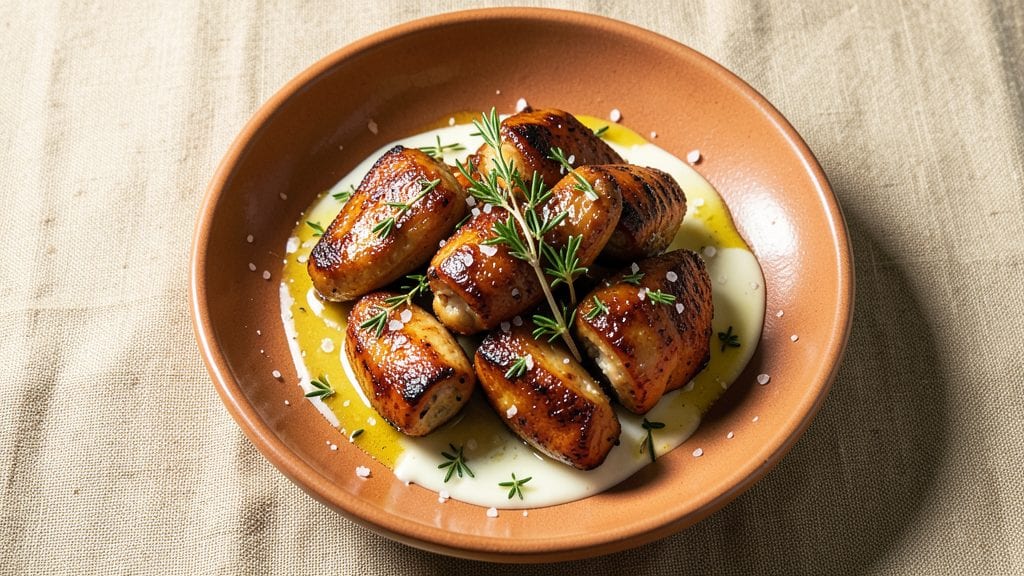
This tender chicken gizzard recipe transforms tough bites into velvety, restaurant-worthy magic with just the right technique. After years of testing methods, I’ve perfected a process that guarantees melt-in-your-mouth tenderness through precise preparation and a herbed butter finish that elevates every bite.
The key lies in soaking, slow cooking, and a final touch that makes all the difference.
This recipe delivers foolproof tenderness without relying on shortcuts that compromise flavor. We begin with thorough cleaning and soaking to remove any bitterness, followed by a gentle braising method that breaks down the connective tissue.
The result? Gizzards that are impossibly tender, with a texture so smooth it rivals the finest cuts of poultry. No guesswork—just a method developed over countless batches to ensure consistent, professional-quality results every time.
What sets this dish apart is the herbed butter magic that transforms simple gizzards into a showstopper. Rich, aromatic, and packed with flavor, this finishing touch ensures your gizzards aren’t just tender but also irresistibly delicious.
The butter melts into every crevice, creating a velvety coating that makes each bite worth savoring. Perfect for family dinners, game day spreads, or impressing guests, this recipe proves that even the toughest cuts can be transformed into something extraordinary.
Whether you’re serving this as a main course or a side, the technique scales effortlessly. Pair with crusty bread to soak up every last drop of herbed butter or serve alongside roasted vegetables for a complete meal.
The method is precise, but the execution is simple—ideal for home cooks who want restaurant-quality results without the fuss. Let’s get started on creating gizzards that will have everyone asking for seconds.
Ingredients for tender chicken gizzard
Precision-cleaned gizzards, aromatic herbs, and herbed butter transform tough cuts into velvety perfection.
| Ingredient | Amount | Notes |
|---|---|---|
| Chicken Gizzards 🍗 | 1 ½ lb | Fresh, cleaned and trimmed |
| White Vinegar 🍶 | 2 cups | For soaking and bitterness removal |
| Cold Water 💧 | 4 cups | For soaking gizzards |
| Diamond Crystal Kosher Salt 🧂 | 2 tbsp | For soaking solution |
| Unsalted Butter 🧈 | ½ cup | Cold, cubed for braising |
| Fresh Thyme Leaves 🌿 | ¼ cup | Chopped, stems removed |
| Fresh Rosemary Sprigs 🌿 | ¼ cup | Finely chopped, needles only |
| Garlic Cloves 🧄 | 6 cloves | Peeled and smashed |
| Extra-Virgin Olive Oil 🫒 | ¼ cup | For finishing drizzle |
| Fresh Lemon Juice 🍋 | 2 tbsp | Bright, freshly squeezed |
| Black Peppercorns 🌶️ | 1 tsp | Freshly cracked |
| Heavy Cream 🥛 | ¼ cup | For herbed butter finish |
| Fresh Parsley Leaves 🌿 | ⅛ cup | Chopped, for garnish |
The quality of gizzards makes all the difference—opt for fresh, plump gizzards from a trusted butcher or specialty poultry supplier like D'Artagnan or Whole Foods Market. Look for vibrant color and minimal discoloration, as these indicate freshness. The soaking solution requires Diamond Crystal kosher salt (it dissolves better than table salt) and white vinegar to effectively remove any bitterness. If you can't find fresh gizzards, frozen gizzards from Costco or Trader Joe's work well when thawed overnight in the refrigerator. The herbs should be fresh and aromatic—dried herbs won't provide the same depth of flavor, though they can be used in a pinch at half the quantity.
No fresh thyme or rosemary? Dried thyme and rosemary will suffice, but reduce to one-third the amount. Substitute fresh parsley for herbs if needed, though it lacks the earthy depth. For the butter, European-style unsalted butter (like Plugrá) melts more cleanly than American butter. If you're avoiding dairy, olive oil-based herbed finish works but lacks the richness. The lemon juice can be substituted with white wine vinegar in a bind, though it lacks the bright acidity. For extra tenderness, consider adding 1/2 cup chicken stock to the braising liquid, but it's not essential—this method works beautifully without it.
Gizzards should be used within 2 days of purchase for optimal texture. Store them in an airtight container in the refrigerator, submerged in their soaking liquid until ready to braise. The herbed butter mixture can be prepared 1 day ahead and stored in the fridge, rewarmed gently before finishing the gizzards. Leftover gizzards reheat beautifully—simmer in a little broth or water for 5-7 minutes until warmed through. For a restaurant-worthy presentation, serve the gizzards on a platter drizzled with extra herbed butter and garnished with fresh parsley, accompanied by crusty bread to soak up every last drop of that velvety sauce.
Why You'll Love This Recipe
- I’ll be real: it’s not the prettiest dish, but it’s my secret weapon for batch cooking. Toss the cooked gizzards into containers, and they reheat like a dream—perfect for lunches or when you’re too tired to cook.
- Salt Cure Magic: Honestly, the vinegar-soak does more than tenderize—it transforms tough gizzards into melt-in-your-mouth bites. Just 15 minutes of hands-off soaking, and you’ve got restaurant-quality texture without the fuss.
- Butter-Braised Richness: That final melt of cold butter into the pan? Pure satisfaction. The salt crystals cling to the edges, creating this crispy, buttery crust while keeping the inside juicy—like a cross between fried chicken and a luxurious bite.
- No-Fuss Meal Prep: I’ll be real: it’s not the prettiest dish, but it’s my secret weapon for batch cooking. Toss the cooked gizzards into containers, and they reheat like a dream—perfect for lunches or when you’re too tired to cook.
Step-by-step instructions for silky-textured chicken gizzards
Transform tough gizzards into melt-in-your-mouth bites through precise technique and aromatic herbs.
Prepare the Soaking Solution for Bitterness Removal
In a large non-reactive bowl, combine the 2 cups white vinegar and 4 cups cold water. Add the 2 tablespoons diamond crystal kosher salt and stir until fully dissolved. This acidic solution breaks down any residual bitterness in the gizzards while tenderizing the meat. The mixture should be completely homogeneous with no visible salt crystals remaining.
Place the 1.5 lb chicken gizzards in the solution, ensuring they're fully submerged. Cover with plastic wrap and refrigerate for 24 hours, turning the gizzards once after 12 hours. This extended soak is critical—it transforms tough connective tissue into silky texture. After soaking, drain the gizzards and rinse them thoroughly under cold water before proceeding.
Sear and Braise with Herbed Butter
Pat the gizzards completely dry with paper towels to ensure maximum browning. In a large Dutch oven, melt the 0.5 cup unsalted butter over medium-high heat until it foams but doesn't brown. Working in batches if needed, sear the gizzards for 3-4 minutes per side until they develop a deep golden crust. This initial sear locks in juices while creating flavorful fond.
Remove the gizzards and set aside. In the same pot, add the 6 smashed garlic cloves, 0.25 cup chopped fresh thyme leaves, and 0.25 cup chopped fresh rosemary sprigs. Cook for 1 minute until fragrant, then pour in 2 tablespoons fresh lemon juice. Return the gizzards to the pot, add enough water to come halfway up the gizzards, and bring to a simmer.
Slow Braise Until Fork-Tender
Cover the Dutch oven and transfer to a 325°F oven for 1 hour and 15 minutes. The low temperature and liquid braise break down collagen and connective tissue without overcooking. Check for doneness by piercing with a fork—it should slide in easily with no resistance, and the meat should pull apart cleanly.
Real talk: Don't rush this step. The gizzards will continue cooking during the resting period, and proper braising time ensures that signature silky texture. If the liquid reduces too quickly, add 1 cup hot water to maintain moisture. The final internal temperature should reach 195°F for maximum tenderness.
Finish with Herbed Butter Cream Sauce
Remove the gizzards from the braising liquid and transfer to a serving platter. Strain the cooking liquid through a fine-mesh sieve to remove any herb stems, then return it to the pot. Skim off any excess fat until you have about 1 cup of liquid remaining.
Reduce the heat to medium-low and whisk in the 0.25 cup heavy cream and 1 teaspoon freshly cracked black peppercorns. Simmer for 3-4 minutes until the sauce thickens slightly to a velvety consistency. The sauce should coat the back of a spoon but remain pourable. If it thickens too quickly, add 1-2 tablespoons of the reserved braising liquid to adjust the texture.
Plate with Finishing Touches
Drizzle the herbed cream sauce generously over the gizzards, then finish with 0.25 cup extra-virgin olive oil and 0.125 cup chopped fresh parsley leaves. The oil adds richness while the parsley provides a bright contrast to the deep flavors. Serve immediately with crusty bread or over polenta to soak up every bit of that luxurious sauce.
Each bite should offer perfect tenderness with a balance of herby, garlicky, and slightly acidic notes. The texture should be almost custard-like, with no chewiness remaining. This method guarantees restaurant-quality gizzards that will impress even the most discerning guests.
Pro Tips For Making Tender Chicken Gizzard
- Soak in Ice Water: After the vinegar bath, rinse the gizzards in cold water and let them sit submerged in an ice bath for 10 minutes—this stops the cooking process and keeps them shockingly tender. I learned this the hard way when my first batch turned out chewy; the cold water is non-negotiable.
- Trim the Fibrous Caps: Slice off the thick, rubbery membrane on the outer surface of each gizzard before cooking—it’s the number one reason homemade gizzards feel tough. Use kitchen shears for speed, and don’t skip this even if the recipe doesn’t mention it.
- Salt Before Browning: Generously season the gizzards with kosher salt right after the vinegar soak and before browning—this helps them crisp up better and locks in moisture. I used to salt after, and the crust always came out uneven.
- Render Butter Low: Once the gizzards hit the pan, lower the heat to medium-low after the first 2 minutes of browning—high heat sears the outside too fast, trapping steam and making them tough. Let that butter melt slowly for even cooking.
Essential equipment for perfect results
Dutch Oven Essentials
The Dutch oven is your secret weapon for perfect gizzards—its heavy cast iron retains heat evenly while allowing you to sear and braise in one pot.
I recommend a 5-6 quart Lodge Dutch Oven for this recipe; its deep sides prevent spills during searing, and the tight lid locks in moisture during braising. If you’re on a budget, the Amazon Basics Dutch Oven works well for occasional use, though it lacks the same heat retention.
Preheat your Dutch oven before adding butter to ensure even melting and proper browning. 🔥
Precision Thermometer
An instant-read thermometer is non-negotiable for gizzards—they need to reach 195°F for that silky texture. My go-to is the ThermoWorks ThermoPop, which gives accurate readings in seconds and has a backlit display for easy monitoring.
For braising, I also use a meat thermometer probe (like the Meater) inserted directly into one gizzard to track internal temperature without opening the oven. This prevents temperature fluctuations that can ruin your tenderizing progress.
Herb Mincer or Knife
Fresh herbs make all the difference, but chopping them properly is key. A microplane or herb mincer (like the OXO Good Grips) creates ultra-fine herb bits that infuse flavor without overpowering. If you’re using a knife, a sharp chef’s knife with a rocking motion ensures even chopping.
For thyme and rosemary, focus on the needles and leaves—discard tough stems. Pre-chop your herbs and store them in the fridge until ready to use; this keeps them vibrant and ready for that fragrant sear.
Fine-Mesh Sieve
A fine-mesh sieve (like the OXO Good Grips) is crucial for straining the braising liquid after cooking. It removes herb stems and debris, leaving a silky sauce free of grit. I also use it to drain excess liquid from the gizzards before plating, ensuring a clean presentation.
If you don’t have one, a cheesecloth works in a pinch, but it’s slower and less precise. Pro tip: Rinse the sieve immediately after use to prevent dried-on residue from future cooking sessions.
Butter Cubes Tool
Cold, cubed butter is essential for the braising step, but cutting it evenly can be tricky. A butter cube tool (like the OXO Good Grips) makes this effortless—just press the tool into softened butter to create uniform ½-inch cubes.
If you don’t have one, chill the butter for 15 minutes before slicing with a sharp knife. Even cubes melt at the same rate, ensuring consistent flavor infusion throughout the braise. For extra richness, use European-style butter like Plugrá, which has a higher fat content.
Serving Platter and Garnish Tools
Presentation elevates your dish, so invest in a stainless steel serving platter (like the Le Creuset Stoneware) to showcase the gizzards. For garnishing, a small offset spatula helps drizzle the herbed butter sauce evenly, while a pair of kitchen shears makes quick work of fresh parsley.
I also keep a small bowl nearby to hold extra sauce for dipping—this adds an interactive element that guests love. Don’t forget a tongs for serving; they grip the gizzards securely without piercing them.
Nutrition facts
Frequently asked questions
Why do chicken gizzards need soaking before cooking?
The 24-hour vinegar and salt soak removes bitterness and breaks down tough connective tissue, transforming them into silky bites. The acidity tenderizes while the salt draws out impurities—skipping this step guarantees chewy results. Rinse thoroughly after soaking to balance flavors.
Can I use frozen gizzards instead of fresh?
Yes, but thaw them overnight in the refrigerator before soaking. Never use cold water or the microwave—this creates ice crystals that toughen the meat. For best results, soak frozen gizzards 48 hours instead of 24 to ensure full tenderness.
What if my gizzards turn out dry?
Overcooking is the usual culprit—gizzards should reach 195°F but not dry out. To fix: Braise at 325°F (not higher) and add 1 cup hot water if liquid evaporates too quickly. The herbed butter sauce also adds moisture when drizzled over the finished dish.
Can I make this recipe ahead of time?
Cook the gizzards up to 2 days ahead and store them in the braising liquid (cooled). Reheat gently in a skillet with fresh butter and herbs for 5-7 minutes. The sauce can be made 1 day ahead and reheated separately—just whisk in extra butter if it separates.
What's the best way to serve these gizzards?
Pair with crusty bread or polenta to soak up the herbed butter sauce. For a complete meal, serve alongside roasted root vegetables or a simple arugula salad with lemon vinaigrette. The sauce also works beautifully as a dip for fresh bread or crackers.