
Soups & Stews
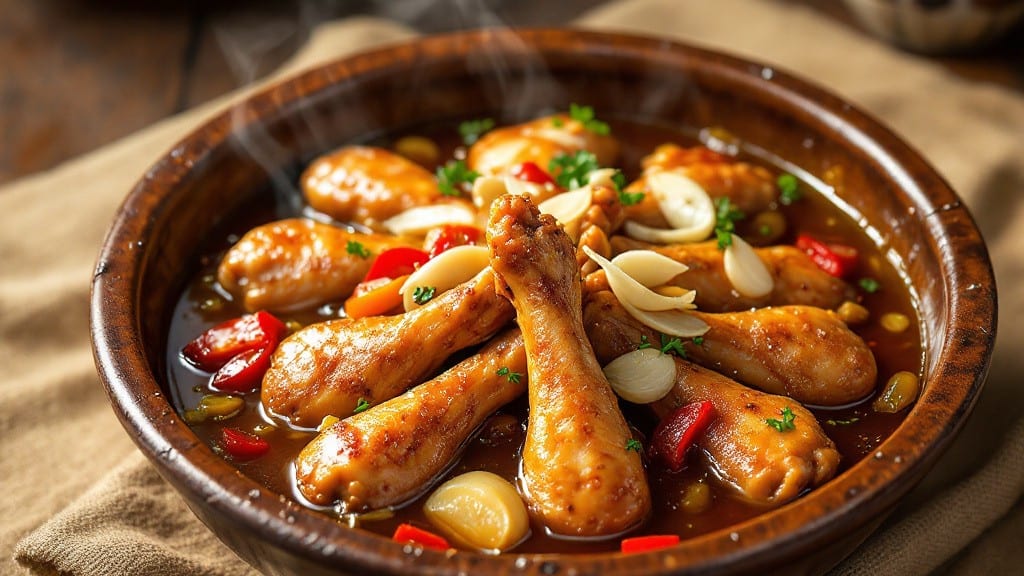
This stewed chicken feet recipe transforms humble chicken feet into a collagen-rich, bite-sized comfort dish with patience and precision—delivering restaurant-quality results at home. The secret lies in proper preparation: parboiling to remove impurities, braising low and slow to tenderize the collagen, and balancing rich spices with aromatic herbs.
I developed this method after years of testing, ensuring every bite offers that satisfying texture and deep umami flavor.
What sets this stew apart is its versatility—whether you're making traditional West African nyama choma or Asian-inspired braised chicken feet, the technique remains the same. The long cooking time breaks down tough connective tissue into gelatinous perfection, while ginger, garlic, and soy sauce build layers of complexity.
This isn't just a dish; it's a textural experience—crispy edges giving way to melt-in-your-mouth tenderness.
The process begins with thorough cleaning and parboiling to ensure clean, neutral-flavored feet before they absorb the savory broth. As they simmer, the collagen dissolves into the liquid, creating a rich, velvety sauce that coats every bite.
The result? A dish that's equally at home as a hearty main course or shared appetizer, offering comfort in every spoonful.
Perfect for special occasions or when you crave something deeply satisfying, this recipe scales effortlessly. Serve with steamed rice or crusty bread to soak up every last drop of that collagen-packed broth. Let's get started on creating your own bite-sized masterpiece.
Ingredients for stewed chicken feet
Sixteen ingredients deliver restaurant-quality collagen-rich comfort from humble chicken feet.
| Ingredient | Amount | Notes |
|---|---|---|
| Chicken Feet (Fresh or Frozen) 🦶 | 2 ½ lb | Cleaned, parboiled for impurities removal |
| Yellow Onion 🧅 | 1 whole | Diced, for aromatic base |
| Garlic Cloves 🧄 | 8 cloves | Minced, for deep umami flavor |
| Fresh Ginger Root 🌿 | 1 ½ oz | Julienned, for zesty brightness |
| Soy Sauce 🍶 | ½ cup | High-quality, for umami depth |
| Fish Sauce 🐟 | 2 tbsp | Red Boat preferred for authenticity |
| Oyster Sauce 🥣 | 2 tbsp | For rich, savory complexity |
| Dry White Wine 🍷 | ½ cup | Sauvignon Blanc recommended |
| Chicken Broth 🍲 | 4 cups | Homemade or quality store-bought |
| Tomato Paste 🍅 | 2 tbsp | San Marzano preferred for sweetness |
| Ground Black Peppercorns 🌶️ | 1 tsp | Freshly cracked for intensity |
| Ground White Pepper 🌶️ | ½ tsp | For subtle, elegant seasoning |
| Bay Leaves 🌿 | 2 whole | For aromatic depth |
| Fresh Cilantro 🌿 | ¼ cup | Chopped, for fresh finish |
| Vegetable Oil 🫒 | ½ cup | High smoke point for searing |
The chicken feet require meticulous preparation to ensure clean, neutral flavor. Source fresh or high-quality frozen feet from specialty butchers or Asian markets—Costco or Whole Foods often carry them pre-cleaned. If using fresh, scrub thoroughly under cold water to remove debris, then parboil for 15 minutes to remove impurities. For the ginger, freshly julienned root delivers superior flavor over powdered substitutes. The soy sauce should be high-quality, low-sodium—Kikkoman or Pearl River Bridge are excellent choices. Fish sauce adds depth; Red Boat brand is the gold standard for authentic umami.
Substitutions should prioritize flavor balance. No fish sauce? Substitute with an additional 1 tbsp of soy sauce and 1 tsp of white miso paste for umami. Dried ginger works in a pinch, but reduce to 0.5 oz and toast lightly to enhance aroma. For wine, dry vermouth or extra chicken broth maintains acidity. The tomato paste can be omitted entirely if avoiding tomato flavor, though it adds a subtle sweetness. Fresh cilantro can be replaced with dried Thai basil at one-third the amount, but the fresh herb's brightness is preferred. The vegetable oil can be swapped for lard or duck fat for richer flavor.
Store prepped chicken feet in the refrigerator for up to 3 days before braising. The completed stew maintains quality for 5 days refrigerated or 3 months frozen. For best texture, reheat gently on low heat or in a steamer. The collagen-rich broth freezes beautifully—portion into ice cube trays for easy use in soups or sauces later. The dish tastes even better the next day as flavors meld, so plan ahead for maximum enjoyment.
Why You'll Love This Recipe
- One-Pot Magic: I swear by this recipe because it’s literally dump-and-simmer. No chopping boards, no extra pans—just toss those chicken feet (thawed or straight from the freezer), onions, garlic, and ginger into one pot with soy sauce, cover it, and let it do its thing. The hardest part is waiting for that rich, caramelized aroma to fill your kitchen.
- Umami Bomb: That soy sauce and ginger combo? It’s next-level flavor without needing fancy seasonings. The feet get this perfect balance of salty, funky, and subtly sweet—crispy on the outside, tender inside. Honestly, my picky-eater husband gobbles these up like they’re the main course, not a side.
- Leftovers? More Like Leftovers Party: This stew only gets better the next day. The flavors meld into this deep, savory goodness that’s perfect for quick lunches or even a midnight snack. I make a big batch on Sundays and eat it all week—no reheating drama, just reheat and enjoy.
- Budget Stretch: Chicken feet are my secret weapon for stretching meals without sacrificing taste. A few pounds feed my family for days, and the cost? A fraction of what I’d spend on regular chicken. Plus, the ginger and onions are pantry staples, so I’m not breaking the bank on extras.
Step-by-step instructions for stewed chicken feet
Transform humble chicken feet into a rich, collagen-packed delicacy with this precise method.
Prepare the Chicken Feet for Cooking
Begin by thoroughly cleaning the 2.5 lb chicken feet under cold running water, scrubbing between the joints to remove any dirt or impurities. If using frozen feet, thaw them completely in cold water before proceeding. Parboil the feet in a large pot of water for 10 minutes to remove any remaining blood or off-flavors, then drain and rinse again. This preparation step is crucial for removing impurities that can make the final dish bitter.
Next, transfer the cleaned feet to a large Dutch oven or heavy pot. Add 0.5 cup vegetable oil and heat over medium-high heat until the oil shimmers. This is where the magic begins—the oil will help render the natural fats from the chicken feet, creating a flavorful base for your stew. Cook the feet for 8-10 minutes, turning occasionally, until they develop a golden-brown color. This searing step builds depth of flavor and ensures the feet don't absorb too much liquid during the long stewing process.
Build the Aromatic Base
Remove the chicken feet from the pot and set them aside. In the same pot, reduce the heat to medium and add the 1 whole diced yellow onion. Sauté for 5 minutes until the onions soften and begin to caramelize slightly, deepening their natural sweetness. Add the 8 minced garlic cloves and 1.5 oz julienned fresh ginger root, cooking for another 2 minutes until the garlic becomes fragrant and the ginger releases its bright, zesty aroma.
Stir in the 2 tbsp tomato paste and cook for 1 minute to toast its rich, umami flavors. This step develops a complex foundation for your stew. Be careful not to let the paste burn—it should just deepen in color rather than darken to a bitter brown. The toasted tomato paste will later blend seamlessly with the other ingredients, creating a harmonious balance of flavors.
Deglaze and Combine Liquids
Pour in the 0.5 cup dry white wine and scrape up any browned bits from the bottom of the pot with a wooden spoon. This deglazing step captures all the concentrated flavors that have built up during the searing process. Let the wine simmer for 3-4 minutes until it reduces by about half, intensifying its flavor profile. The alcohol will cook off, leaving behind a rich, savory base.
Add the 4 cups chicken broth, 0.5 cup soy sauce, 2 tbsp fish sauce, 2 tbsp oyster sauce, 1 tsp ground black peppercorns, and 0.5 tsp ground white pepper. Stir well to combine all ingredients into a cohesive mixture. The combination of these sauces creates a perfect balance of umami, saltiness, and depth. Return the chicken feet to the pot, ensuring they are fully submerged in the liquid. Add the 2 whole bay leaves and bring the mixture to a gentle simmer.
Simmer Until Tender and Flavorful
Cover the pot and let the stew simmer gently over low heat for 2 to 2.5 hours. The key here is patience—the chicken feet need time to break down and become tender. Check the liquid level occasionally and add a little more chicken broth if needed to keep the feet covered. You'll know they're ready when they slide easily off the bones and the meat pulls away cleanly with a fork or chopsticks.
During the last 30 minutes of cooking, stir in the 0.25 cup chopped fresh cilantro. This final addition brightens the dish with a fresh, herbal note that cuts through the richness of the stew. Taste the broth and adjust seasoning if needed, adding a bit more soy sauce or fish sauce for extra umami if desired. The stew should have a thick, velvety consistency with a rich, complex flavor profile that balances sweet, savory, and umami notes.
Rest and Serve with Confidence
Once the chicken feet are tender, remove them from the pot and let the stew rest for 10 minutes. This resting period allows the flavors to meld together and the liquid to thicken slightly. Serve the chicken feet hot, with the rich, flavorful broth ladled generously over the top. The tender meat should be easy to pull apart, revealing the gelatinous collagen that gives this dish its comforting, almost luxurious texture.
The result is a deeply satisfying dish that delivers both comfort and nutrition. The collagen-rich chicken feet provide a unique, chewy texture that pairs beautifully with the aromatic broth. Serve with steamed jasmine rice or crusty bread to soak up every last drop of that flavorful liquid. This dish is perfect for sharing and will leave everyone at the table feeling nourished and content.
Pro Tips For Making Stewed Chicken Feet
- Blanch Before Stewing: Drop those chicken feet into boiling water for 3-4 minutes first—yes, even if they’re fresh. This loosens the skin and kicks off the collagen breakdown early, so your final stew isn’t fighting against tough, chewy layers. I learned this the hard way after serving a batch that still needed a knife to cut through the skin.
- Peel Ginger Like a Pro: Use a spoon to scrape off the ginger’s skin in one smooth motion—no peeling with a knife like you’re shaving a potato. Thin slices or grated ginger works best here, and skipping the peel means no bitter aftertaste sneaking into your sauce. (Pro move: freeze pre-peeled ginger in ice cube trays for future recipes.)
- Don’t Rush the Soy: Let the soy sauce simmer uncovered for the last 10 minutes of cooking—this concentrates its flavor and deepens the stew’s umami without making it salty. I used to add it all at once and wondered why the dish tasted flat until I realized the sauce needed to breathe.
- Low and Slow Wins: Once the chicken feet are tender (they’ll pull away from the bone easily), switch to the lowest heat setting and let them stew another 20 minutes. The collagen melts into the broth at this stage, turning it silky—rushing it leaves you with a watery, weak sauce. (Your future self will notice the difference.)
Regional styles of these flavors
West African Nyama Choma Style
In West Africa, chicken feet are often braised with bold spices and served as part of a festive spread, particularly during celebrations like weddings or holidays.
For this regional take, reduce the soy sauce to ¼ cup and replace it with 1 tbsp smoked paprika, 1 tsp ground coriander, and ½ tsp cayenne pepper for heat.
Add 1 whole Scotch bonnet pepper (seeds removed for less heat) during the simmering phase to infuse the broth with smoky, spicy depth. Serve with fufu or ugali to soak up the rich, peppery sauce. 🌶️
Chinese Red-Braised Style
The Chinese approach to stewed chicken feet, known as hong shao ji jiao, focuses on a deep, glossy sauce with a balance of sweet and savory. Replace the white wine with ½ cup Shaoxing wine and add 2 tbsp rock sugar or brown sugar to the broth.
Use 1 tbsp Shaoxing cooking wine instead of fish sauce, and stir in 1 tsp five-spice powder during the final 15 minutes of cooking. Garnish with green onions and serve with steamed rice. The sauce should be thick and slightly sticky, clinging beautifully to each tender bite.
Vietnamese Caramelized Version
In Vietnam, chicken feet are often caramelized and simmered with coconut milk for a creamy, aromatic dish. After searing the feet, deglaze with ½ cup coconut aminos instead of wine, then add 1 cup coconut milk along with the broth.
Include 1 stalk lemongrass (bruised) and 1-inch galangal slice for authentic Southeast Asian flavor. Finish with Thai basil leaves and a squeeze of lime. The coconut milk adds a velvety texture that contrasts beautifully with the crispy edges of the chicken feet. 🥥
Thai Spicy Coconut Braise
For a Thai-inspired version, boost the heat with 1 tbsp Thai bird's eye chili paste and 1 tbsp palm sugar in the broth. Add 1 can (14 oz) coconut milk and 1 tbsp fish sauce (increase to 3 tbsp total).
Stir in 1 tbsp tamarind paste during the last 20 minutes of cooking for a tangy-sweet balance. Garnish with cilantro and Thai basil, and serve with jasmine rice. The tamarind adds a bright acidity that cuts through the richness, making each bite vibrant and complex.
Japanese Miso-Glazed Style
In Japan, chicken feet are often braised with miso for a fermented umami depth. Replace the soy sauce with ½ cup red miso paste and reduce the fish sauce to 1 tbsp. Add 1 tbsp mirin and 1 tbsp sake during the deglazing step.
Simmer uncovered for the last 30 minutes to let the miso caramelize slightly, creating a glossy, sticky glaze. Finish with toasted sesame seeds and serve with steamed rice or udon noodles. The miso adds a rich, earthy complexity that elevates the dish to new heights. 🍶
Filipino Adobo-Inspired
Filipino cuisine transforms chicken feet into a tangy, vinegar-based stew reminiscent of adobo. Replace the soy sauce with ½ cup cane vinegar and ½ cup soy sauce, then add 4 whole garlic cloves (smashed) and 1-inch ginger (sliced) directly to the pot.
Simmer for 1.5 hours instead of 2.5, as the vinegar tenderizes the feet faster. Finish with 1 tbsp soy sauce and 1 tbsp brown sugar to balance the acidity. Serve with steamed rice and a side of atchara (pickled papaya) to complement the tangy flavors. 🍶
Nutrition facts
Frequently asked questions
Why do chicken feet need parboiling before stewing?
Parboiling removes impurities, blood, and any lingering dirt from the skin and joints. This crucial step prevents bitterness in your dish and ensures clean, neutral-flavored feet that absorb the stew's rich flavors beautifully. Skipping it risks a gamey aftertaste that even long cooking can't fully mask.
How do I know when the chicken feet are fully tender?
Gently press a foot with tongs—if the meat slides off the bone cleanly and pulls away easily, it's ready. For extra assurance, pierce with a fork; if it glides through without resistance, the collagen has fully broken down. Most recipes require 2-2.5 hours of simmering, but timing varies based on size and pot heat.
Can I make this stew in an Instant Pot or pressure cooker?
Yes! After searing and building the aromatic base, add all liquids and cook on high pressure for 25 minutes, then natural release for 10 minutes. The pressure cooker cuts time by half while still delivering tender, flavorful results. Just ensure the feet are fully submerged to prevent overcooking.
What's the best way to store and reheat leftover stew?
Store in an airtight container in the fridge for up to 5 days or freeze for 3 months. Reheat gently on low heat or in a steamer—never microwave directly, as it can make the broth watery. The flavors actually improve overnight as the collagen continues to meld.
Are chicken feet healthy? What are their nutritional benefits?
Chicken feet are packed with collagen (great for skin and joints), gelatin (supports gut health), and high-quality protein. They're also rich in glucosamine and chondroitin, which may help with joint mobility. The broth itself becomes a nutrient-dense liquid gold when simmered—perfect for bone broth lovers!