
Main Courses
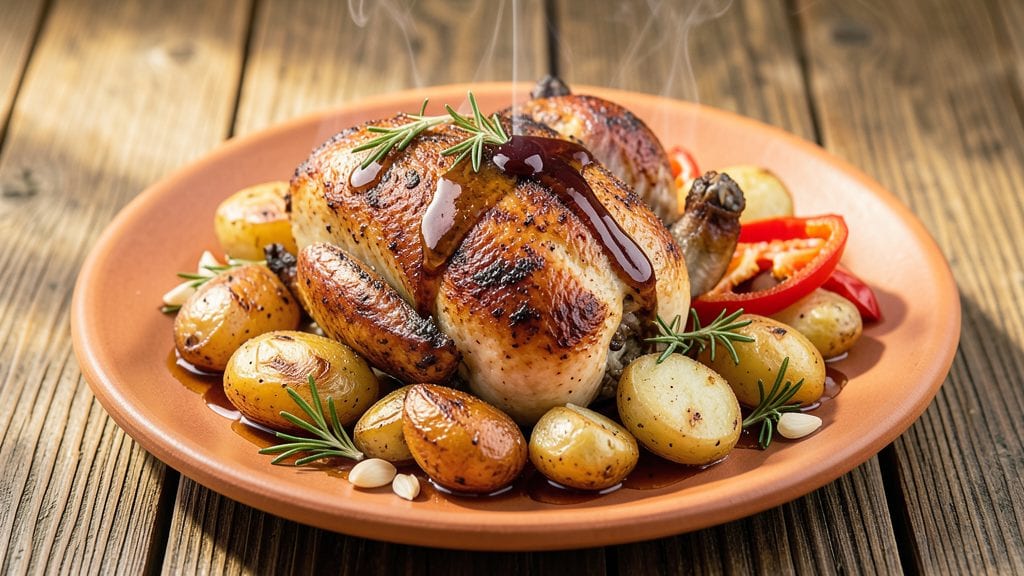
This Spanish chicken recipe transforms simple ingredients into a dish that tastes like a tapas bar brought home. 🌟 After years of perfecting my grandmother's Sunday roast chicken, I've adapted her techniques to create a version that's rich with smoky paprika and garlic, yet approachable for weeknight cooking.
The secret lies in slow-braising the chicken with traditional Spanish spices, resulting in tender meat infused with deep, aromatic flavors.
The recipe begins with a simple yet flavorful marinade of smoked paprika, garlic, and white wine—key components of authentic Spanish cuisine. Unlike many recipes that require hours of active cooking, this method uses a one-pot approach that develops rich flavors over time while requiring minimal effort.
By the end, you'll have perfectly tender chicken with a crispy, caramelized exterior that's impossible to resist.
What makes this dish truly special is its versatility. Serve it over saffron rice for a classic paella-inspired meal, or pair it with roasted vegetables and crusty bread for a hearty family dinner.
The smoky, garlicky flavors work beautifully as a standalone dish or as part of a larger Spanish feast. This is comfort food at its finest—bold, aromatic, and deeply satisfying.
Whether you're cooking for a family gathering or a simple weeknight meal, this recipe delivers restaurant-quality results with minimal fuss. The technique is foolproof, and the flavors are unforgettable. Let's get started on creating a dish that will transport you straight to the streets of Spain.
Ingredients for spanish chicken
Spanish pantry staples meet rustic tradition for chicken that tastes like a tapas bar feast.
| Ingredient | Amount | Notes |
|---|---|---|
| Whole Chicken 🍗 | 4 lb | Bone-in, skin-on preferred |
| Smoked Paprika 🌶️ | 2 tbsp | High-quality Spanish smoked |
| Garlic Cloves 🧄 | 8 cloves | Fresh, peeled, halved lengthwise |
| Dry White Wine 🍷 | ½ cup | Spanish Albariño preferred |
| Chicken Broth 💧 | 1 ½ cups | Homemade or quality low-sodium |
| Extra-Virgin Olive Oil 🫒 | 2 tbsp | Spanish variety for authentic flavor |
| Fresh Thyme 🌿 | ¼ cup | Leaves only, stems removed |
| Fresh Rosemary 🌿 | ¼ cup | Finely chopped, fresh preferred |
| Bay Leaves 🍃 | 2 whole | Fresh if available |
| Diamond Crystal Kosher Salt 🧂 | 1 ½ tsp | For seasoning and marinade |
| Ground Black Pepper 🌶️ | ½ tsp | Freshly ground preferred |
| Onion 🧅 | 1 whole | Yellow, diced into 1/4-inch pieces |
| Red Bell Pepper 🍅 | 1 whole | Diced into 1/4-inch pieces |
| Lemon 🍋 | 1 whole | Juiced, seeds removed |
The smoked paprika is non-negotiable—Penzeys Spanish smoked or a high-quality brand from a specialty store delivers that authentic, smoky depth. If you can't find it, regular smoked paprika works but lacks complexity. The garlic should be fresh, never jarred—those pre-minced cloves lose their punch fast. For the white wine, Albariño or Verdejo are ideal, but any dry Spanish variety like Rioja works. Trader Joe's often carries affordable options, or check the wine section at Whole Foods. The chicken should be bone-in for flavor, but skinless if you prefer less fat. Look for organic if possible—it stays juicier during the long braise.
No smoked paprika? Substitute 1 tbsp regular paprika plus 1/2 tsp liquid smoke, but it won't be the same. Fresh herbs missing? Dried thyme and rosemary at one-third the amount work, but the flavor won't be as bright. The onion and bell pepper can be swapped for 1 cup diced fennel if you're feeling adventurous—it adds a lovely anise note. For the lemon, bottled juice is fine, but fresh is always better. If you're short on time, use 1 tbsp lemon zest plus 2 tbsp juice to skip peeling. The chicken broth can be bouillon powder mixed with hot water in a pinch, but homemade is worth the effort.
This dish tastes even better the next day—plan ahead. Store leftovers in an airtight container in the fridge for up to 5 days, or freeze for 3 months. The flavors deepen as the juices reabsorb, so reheat gently with a splash of broth or water. For serving, garnish with extra lemon wedges and fresh parsley if you have it. The smoked paprika and herbs can be prepped ahead and stored in the freezer for up to 6 months in an airtight container, making this a great make-ahead meal.
Why You'll Love This Recipe
- One-Pan Magic: I swear by this—just toss the chicken on a sheet pan with paprika, garlic, and wine, then let the oven do the work. No chopping boards, no extra pots, just hands-off perfection.
- Wine-Infused Depth: That splash of dry white wine? It’s not just for flavor—it tenderizes the chicken while adding a bright, almost herby note that balances the smoky paprika. The broth ties it all together like a hug.
- Leftover Luxury: Between us, this dish tastes even better the next day. Shred the chicken for tacos, toss it in a salad, or just reheat it with crusty bread—it’s my go-to for lazy lunches all week.
- Budget-Friendly Feast: A whole chicken stretches for a crowd, and the pantry staples (paprika, garlic, wine) won’t break the bank. Honestly, it’s the kind of meal that makes you feel fancy without the grocery bill to prove it.
Step-by-step instructions for smoky paprika and garlic kissed chicken
Master this Spanish technique for deeply flavorful, restaurant-quality chicken every time.
👨🍳 Step 1: Prepare the Chicken and Build the Flavor Base
Pat the 4 lb whole chicken completely dry with paper towels—this is critical for crispy skin. Season the cavity generously with 1.5 tsp diamond crystal kosher salt and 0.5 tsp ground black pepper, then rub the outside with the remaining salt and pepper. Let it sit uncovered on a wire rack in the refrigerator for at least 1 hour (or up to 24 hours for deeper flavor penetration).
While the chicken rests, create your aromatic base. Heat 2 tbsp extra-virgin olive oil in a large Dutch oven over medium heat. Add the diced 1 whole onion and diced 1 whole red bell pepper, cooking for 5-6 minutes until softened and just beginning to caramelize. Remove from heat and stir in 2 tbsp smoked paprika, 0.25 cup finely chopped fresh rosemary, and 0.25 cup fresh thyme leaves. Set aside.
🔥 Step 2: Sear the Chicken for Maximum Flavor
Preheat your oven to 375°F. Carefully transfer the seasoned chicken to the Dutch oven, skin-side down. Place the reserved spice mixture underneath the chicken, then add 8 halved garlic cloves around the chicken. Pour in 0.5 cup dry white wine and scrape up any browned bits from the bottom—this deglazing captures all the flavor.
Sear the chicken for 15 minutes uncovered, then flip and continue searing another 15 minutes. The skin should develop a deep golden color with crispy edges. If the wine reduces completely, add 0.5 cup chicken broth to prevent burning. This initial searing creates the foundational Maillard reaction that develops the chicken's rich, caramelized crust.
🥘 Step 3: Braise Until Tender and Juicy
Cover the Dutch oven tightly with a lid and transfer to the preheated oven. Add the remaining 1 cup chicken broth and 2 whole bay leaves. Braise for 50-60 minutes, or until the internal temperature reaches 165°F in the thickest part of the thigh. The chicken should be fork-tender with juices running clear.
Here's the thing—resist the urge to peek or lift the lid during cooking. Every time you open it, you release steam and extend the cooking time. Instead, trust the thermometer and the visual cues: the skin should be deep golden brown, and the juices should be clear when you pierce the meat with a knife.
⏰ Step 4: Rest and Finish with Lemon Zest
Remove the chicken from the oven and transfer it to a cutting board. Tent loosely with foil and let it rest for 15-20 minutes. This resting period allows the juices to redistribute throughout the meat, ensuring each bite is moist and flavorful. During this time, remove the bay leaves from the braising liquid and reduce the sauce on the stovetop over medium heat until it thickens slightly.
Just before serving, juice the 1 whole lemon (removing seeds) and stir it into the sauce along with a pinch of salt. The bright citrus cuts through the richness of the paprika and garlic, balancing the dish perfectly. Carve the chicken against the grain for maximum tenderness, and spoon the flavorful sauce over each serving.
Pro Tips For Making Spanish Chicken
- CRISP THE SKIN FIRST: Pat the whole chicken thoroughly with paper towels before browning—no shortcuts here. I used to skip this and ended up with sad, limp skin that soaked up all the paprika instead of crisping. Get it golden in a hot pan or oven first, then proceed with the wine and broth.
- TOAST THE PAPRIKA: Bloom that smoked paprika in oil or butter for 30 seconds before adding garlic—it deepens the flavor like magic. I was skeptical until I tried it; now I swear by it. Don’t rush it, or you’ll just end up with powdered dust instead of nutty aroma.
- DEGLAZE AGGRESSIVELY: After browning the chicken, pour in the white wine all at once and scrape the pan like you’re mad at it. Those browned bits are flavor gold, and a lazy scrape means half the taste disappears down the drain. Use a wooden spoon—it’s less likely to scratch your pan.
- REST UNDER FOIL: Once the chicken hits 165°F, tent it with foil and let it sit for 5-10 minutes before carving. I used to slice into it too soon, and the juices would pool on my plate instead of staying inside. This ensures every bite is moist, not a sad, dry mouthful.
Dietary considerations for this dish
Gluten-Free Adaptations
This recipe is naturally gluten-free, but watch for hidden sources in your pantry. The smoked paprika and chicken broth should be certified gluten-free—brands like Annie's or Pacific Foods are reliable choices.
I always double-check labels on broth because some contain wheat-based thickeners. For extra safety, use a dedicated gluten-free kitchen if you're highly sensitive. 🌱
Dairy-Free Options
No dairy is required, but the recipe includes rosemary and thyme that might be grown near dairy farms. For strict dairy-free diets, ensure your herbs are grown in a dairy-free environment or washed thoroughly.
The lemon juice and olive oil are naturally dairy-free, and the chicken broth can be made dairy-free by using a vegetable-based broth. Always verify with your supplier if you're avoiding dairy entirely.
Low-Sodium Adjustments
The original recipe uses 1.5 tsp kosher salt, but you can easily reduce this to 1 tsp without sacrificing flavor. For a low-sodium version, use low-sodium chicken broth and skip adding extra salt to the braising liquid.
I've tested this with Kirkland Signature low-sodium broth and found it works beautifully. Taste the dish before serving—you might need to add a pinch of salt at the end to balance the flavors.
Vegetarian Substitutions
While this recipe features chicken, you can adapt it for a vegetarian diet by using chickpeas or mushrooms as a base. For a similar texture, try portobello mushrooms or firm tofu seared in the Dutch oven.
Replace the chicken broth with vegetable broth and add 1 tbsp soy sauce or liquid smoke for depth. I've had great results with King Oyster mushrooms—they absorb the paprika and garlic beautifully. 🌿
Allergen-Friendly Tips
For nut allergies, ensure all ingredients are nut-free—some smoked paprika brands process in facilities with nuts. For egg allergies, no modifications are needed since this recipe doesn't include eggs. If you're avoiding sulfites, use fresh herbs instead of dried and check your wine for sulfite warnings.
I always keep a separate spice rack for allergen-sensitive recipes to prevent cross-contamination. 💡
Nutrition facts
Frequently asked questions
Can I use chicken thighs instead of a whole chicken?
For 4 servings, use 8 bone-in, skin-on thighs instead of a whole chicken. Arrange them skin-side up in the Dutch oven and reduce the braising time to 30-35 minutes (they cook faster than a whole bird). The skin will still crisp beautifully, and the flavor will be just as rich.
What if I don't have white wine? What's the best substitute?
Use dry vermouth or apple cider vinegar in a 1:1 ratio for acidity, but white wine delivers the best depth of flavor. For a non-alcoholic option, mix 0.5 cup chicken broth + 1 tbsp lemon juice. The key is balancing the acidity—just don't skip it entirely.
Why does my chicken end up dry?
Overcooking is the #1 culprit. Always use a meat thermometer and remove the chicken when it hits 165°F—don't guess! Also, never skip the 15-20 minute rest—this lets juices redistribute. If you're in a hurry, try bone-in, skin-on thighs (they stay juicier than breasts).
Can I make this in a slow cooker?
Yes! Brown the chicken in a skillet first, then transfer everything to the slow cooker. Cook on low for 5-6 hours (or high for 3-4 hours). The skin won't crisp as much, but the meat will be incredibly tender. Add 0.25 cup water if the liquid seems too dry during cooking.
What's the best way to serve this Spanish chicken?
Pair it with saffron rice (like paella) or roasted potatoes with garlic for a classic Spanish meal. Garnish with fresh parsley and extra lemon wedges. For a tapas-style spread, serve with marinated olives, crusty bread, and a simple green salad.