
Main Courses
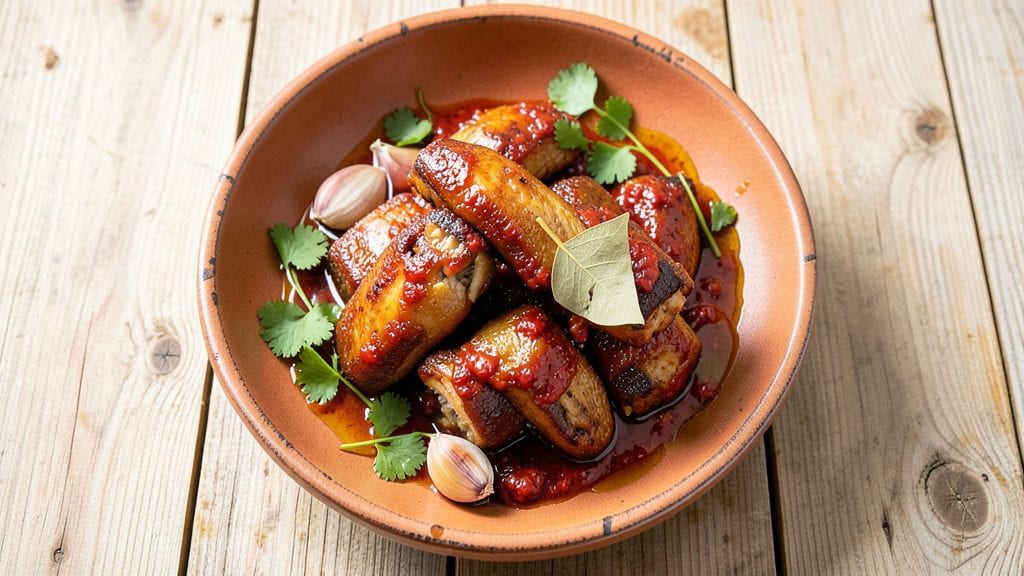
This Puerto Rican chicken gizzard recipe transforms humble offal into crispy, golden bites with a tangy adobo marinade that’s been perfected over generations. The secret lies in the overnight soak—vinegar and garlic work their magic, tenderizing the gizzards while infusing them with bold, island-inspired flavor.
Growing up in small-town Georgia, I learned how offal dishes elevate simple meals into family gatherings, and this method delivers that same warmth with every crispy bite.
The process is straightforward but requires patience: marinate the gizzards overnight, then pan-fry until they develop that signature crispy crust and tender interior. Achiote paste lends its signature reddish hue and earthy depth, while a splash of white vinegar keeps the flavor profile bright and balanced.
This technique ensures the gizzards stay juicy despite their crispy exterior—a hallmark of authentic Puerto Rican cooking.
Serve these gizzards with arroz con gandules and tostones for a complete Puerto Rican feast, or pair them with a simple sofrito-based sauce for extra richness. The contrast of crispy gizzards against soft rice and fried plantains makes this dish unforgettable.
Ready in about 45 minutes after marinating, it’s perfect for weekend dinners or special occasions when you want to impress.
What sets this recipe apart is the marriage of tradition and technique—achieving that crispy texture while maintaining tenderness requires precise timing and heat control. Trust me, once you master this method, you’ll never buy store-bought gizzards again. Let’s get cooking!
Ingredients for puerto rican chicken gizzard
Transform humble gizzards into crispy, golden bites with this Puerto Rican adobo marinade—where vinegar and garlic work overnight magic.
| Ingredient | Amount | Notes |
|---|---|---|
| Chicken Gizzards 🍗 | 1 ½ lb | Fresh, cleaned, trimmed of excess fat |
| White Vinegar 💧 | 1 cup | Distilled, for bright flavor |
| Garlic Cloves 🧄 | 8 cloves | Peeled, smashed for infusion |
| Achiote Paste 🌶️ | 2 tbsp | Authentic, for signature color |
| Olive Oil 🫒 | ½ cup | Extra-virgin, for frying |
| Bay Leaves 🍃 | 2 whole | Dried, for aromatic depth |
| Ground Black Pepper 🌶️ | 1 tsp | Freshly cracked for heat |
| Salt 🧂 | 1 ½ tsp | Kosher, for seasoning balance |
| Orange Juice 🍊 | ¼ cup | Fresh, for brightness |
| Ground Cumin 🌿 | ½ tsp | Toasted, for earthy warmth |
| Fresh Cilantro 🌿 | ¼ cup | Chopped, for garnish |
| Vegetable Oil 🫒 | 2 cups | High smoke point for frying |
The gizzards are the foundation—look for bright red, firm pieces at your local butcher or well-stocked supermarket like Whole Foods. If they feel rubbery or smell off, skip them. Achiote paste is non-negotiable for that signature color and earthy depth; find it in Latin markets or online retailers like Penzeys. Fresh garlic and bay leaves elevate the marinade, so don’t substitute dried herbs—they lack the complexity. For the vinegar, distilled white ensures clarity without overpowering the dish. Toast the cumin seeds in a dry pan for 30 seconds before grinding to deepen their aroma.
No achiote paste? A blend of 1 tbsp smoked paprika, 1 tsp turmeric, and 1 tsp annatto seeds mimics the hue and flavor. Substitute orange juice with lime juice for a sharper tang, but reduce to 2 tbsp to avoid over-acidity. If you’re short on time, marinate for at least 4 hours instead of overnight—though the texture won’t be as tender. For the oil, avocado oil works better than olive for frying due to its higher smoke point. Pre-grate the cilantro only when ready to serve; it loses vibrancy when soaked in marinade.
Marinated gizzards keep 3 days in the fridge, sealed in their marinade. For longer storage, freeze them uncooked for up to 3 months—thaw overnight in the marinade before frying. The fried gizzards reheat poorly, so plan to serve them fresh. Garnish with cilantro just before serving to preserve its freshness. Leftovers? Toss them into arroz con gandules or a sofrito-based stew to stretch the meal further.
Why You'll Love This Recipe
- No-Fuss Prep: I’ll be real—this recipe is that easy. Soak the gizzards in vinegar for 30 minutes (seriously, set a timer and forget about it), then toss them in a pan with garlic and achiote. That’s it. No brining, no marinating overnight, just hands-off simplicity.
- Taste Like Abuela’s: Between us, the achiote paste gives these gizzards that unmistakable Puerto Rican soul—deep, earthy, with a hint of smokiness. The vinegar tenderizes them perfectly, so you get that crispy skin with a melt-in-your-mouth center. Honestly, it’s the kind of flavor that makes you want to call your family over.
- Weeknight Crowd-Pleaser: This dish is my go-to when friends drop by unannounced. It’s hearty enough for a big group (I’ve fed six people with one batch), but still feels special. Serve it with rice and tostones, and suddenly you’re hosting a fiesta without the stress.
- Budget Magic: Achiote paste and gizzards are ridiculously affordable, but they taste like a splurge. I buy gizzards in bulk, freeze them, and pull them out whenever I need a cheap, protein-packed meal. Leftovers? Even better reheated the next day—crispy edges intact, flavor only stronger.
Step-by-step instructions for adobo-soaked crispy chicken gizzards
Transform tough gizzards into irresistibly crispy, flavor-packed bites with this Puerto Rican technique.
Prepare the Adobo Marinade for Maximum Flavor Infusion
In a medium bowl, combine the 1 cup white vinegar, 2 tablespoons achiote paste, 8 smashed garlic cloves, 2 whole bay leaves, 1.5 teaspoons salt, 1 teaspoon ground black pepper, 0.5 teaspoon ground cumin, and 0.25 cup orange juice. Whisk vigorously until the achiote paste dissolves completely and the mixture achieves a deep reddish-orange hue. This marinade should be vibrant and aromatic—if it appears dull, whisk in an additional 1 teaspoon of the olive oil to help emulsify the achiote.
Place the 1.5 pounds chicken gizzards in a large resealable plastic bag and pour the marinade over them, ensuring each piece is fully coated. Seal the bag and massage the gizzards gently to distribute the marinade evenly. Let them marinate in the refrigerator for at least 4 hours, or preferably overnight. This prolonged soak tenderizes the connective tissue while allowing the adobo to penetrate deeply, creating that signature tangy, slightly sweet flavor profile that defines Puerto Rican cuisine.
Parboil the Gizzards for Perfect Texture
Bring a large pot of water to a rolling boil and add the marinated gizzards along with the marinade. Reduce heat to maintain a gentle simmer and cook for 20-25 minutes, until the gizzards are just tender but not falling apart. You'll know they're ready when they float to the surface and a sharp knife slides in with slight resistance. This step is crucial—overcooking here will result in mushy gizzards, while undercooking means they won't crisp properly later.
Drain the gizzards in a colander and rinse them briefly under cold water to remove any excess marinade. Pat them dry thoroughly with paper towels, pressing firmly to eliminate all moisture. This drying step is non-negotiable—it ensures maximum crispiness when frying. Arrange the gizzards on a wire rack set over a baking sheet and let them air-dry for 30 minutes at room temperature while you prepare the frying oil.
Fry to Golden Perfection for Crispy Results
Heat 2 cups vegetable oil in a heavy-bottomed skillet over medium-high heat until it reaches 350°F on a deep-fry thermometer. The oil should shimmer gently but not smoke excessively. Working in batches to avoid overcrowding, carefully add the gizzards to the hot oil, ensuring they're submerged. Fry for 4-5 minutes per batch, turning occasionally, until they achieve a deep golden brown color and develop a crispy exterior. The key here is patience—rushing will result in uneven cooking or oil splatter.
Use a slotted spoon to transfer the fried gizzards to a paper towel-lined plate to drain excess oil. They should maintain their shape while being firm to the touch. If any gizzards appear undercooked, return them to the oil for an additional 1-2 minutes until properly browned. The internal temperature should reach 165°F when checked with a meat thermometer. This frying step transforms the gizzards from tender to crispy, creating that satisfying contrast between the crunchy exterior and tender interior.
Rest and Garnish for Optimal Presentation
Let the fried gizzards rest for 5 minutes before serving. This brief rest allows the internal juices to redistribute, preventing them from escaping when you cut in. While they rest, prepare the garnish by finely chopping the 0.25 cup fresh cilantro and setting it aside. The gizzards should maintain their golden-brown color and crisp texture during this time—if they begin to soften, cover them loosely with aluminum foil to preserve their crunch.
Arrange the gizzards on a serving platter and sprinkle them generously with the chopped cilantro. The vibrant green color will contrast beautifully with the golden-brown gizzards, making your dish visually appealing. Serve immediately with warm corn bread or white rice to soak up the delicious adobo flavors. These crispy gizzards are best enjoyed fresh out of the fryer, when every bite delivers that perfect balance of texture and flavor.
Pro Tips For Making Puerto Rican Chicken Gizzard
- Soak Gizzards Overnight: I learned this the hard way—skipping the soak makes gizzards tough as leather. Toss them in a bowl with white vinegar (enough to cover) and a pinch of salt, then let them sit in the fridge for at least 12 hours. The acid breaks down the connective tissue, and your gizzards will be fork-tender instead of rubbery.
- Sear in Batches: High heat. Seriously, crank it up to medium-high and sear the gizzards in olive oil until they brown deeply on all sides. But here’s the catch: don’t overcrowd the pan. Work in batches if needed—this guarantees a crispy crust instead of steaming them into mush.
- Bloom the Achiote: Sounds weird, but it works: heat your olive oil until shimmering, then toss in the achiote paste and minced garlic. Let it sizzle for 30 seconds—this wakes up the flavor. Skip this, and your gizzards taste like they’re missing something, even if the recipe says to add it raw.
- Check Internal Temp: Gizzards hide their doneness behind that crispy skin. Use a meat thermometer—they’re done at 165°F, but pull them out when they hit 160°F. If you wait for 165°, they’ll dry out faster than a bad joke at a family reunion. Rest them 5 minutes under foil before serving.
Best sauces and condiments for this dish
Classic Adobo Sauce
The marinade you already used becomes the star sauce! Simmer 1 cup of the reserved marinade (from Step 1) with 2 tablespoons tomato paste and 1 tablespoon soy sauce for 5 minutes until slightly reduced.
The tangy, garlicky depth of the adobo sauce pairs perfectly with the crispy gizzards. I like to drizzle it over the finished dish or serve it on the side for dipping. 💛
Cilantro-Lime Crema
Blend ½ cup sour cream, ¼ cup fresh lime juice, ¼ cup chopped cilantro, 1 teaspoon honey, and ½ teaspoon salt until smooth. This creamy, zesty topping cuts through the richness of the fried gizzards while adding a refreshing contrast.
For extra heat, add ½ teaspoon of finely chopped jalapeño. This sauce is a crowd-pleaser, especially with kids who might be hesitant about offal dishes.
Mojo Criollo Drizzle
Whisk together ¼ cup olive oil, 3 tablespoons mojo sauce (store-bought or homemade), 1 tablespoon lime juice, and ½ teaspoon smoked paprika. Drizzle this vibrant, slightly smoky sauce over the gizzards just before serving.
The mojo adds a bright, citrusy note that complements the deep flavors of the adobo. I keep a bottle of La Preferida Mojo Criollo on hand for convenience, but making your own is easy with orange juice, garlic, and cumin.
Spicy Sofrito Base
For a heartier option, blend 1 cup sofrito (store-bought or homemade), 2 tablespoons tomato sauce, 1 teaspoon ground annatto, and ½ teaspoon black pepper into a thick paste. Simmer this mixture with ½ cup chicken broth> for 10 minutes to create a rich, aromatic sauce.
This sofrito base works wonders as a dip or a base for rice dishes, adding layers of flavor that tie the entire meal together. 🌶️
Sweet Onion Jam
Caramelize 1 large sweet onion (like Vidalia) in 2 tablespoons olive oil> over low heat> for 20 minutes> until golden. Add 2 tablespoons apple cider vinegar> and 1 teaspoon brown sugar>, then simmer until thickened into a jam-like consistency.
This sweet-tangy topping balances the savory gizzards beautifully, adding a touch of sweetness that rounds out the meal. It’s a simple yet elegant way to elevate the dish without overpowering the natural flavors.
Nutrition facts
Frequently asked questions
Why do Puerto Rican chicken gizzard recipes use vinegar?
The vinegar in this marinade serves two key purposes: it tenderizes the tough connective tissue in gizzards through a process called denaturation, and it creates that signature tangy brightness that balances the richness. The acidity also helps preserve the meat during the overnight soak, preventing bacterial growth while infusing deep flavor. Many traditional Puerto Rican dishes use vinegar for this exact reason—it’s a flavor multiplier!
Can I substitute chicken gizzards with another type of offal?
While chicken gizzards are traditional, you can adapt this recipe for other offal like chicken livers or beef hearts. For livers, reduce the marinating time to 2-3 hours (they cook faster) and avoid overcooking during frying. Beef hearts require a longer parboil (30-40 minutes) and higher frying temperature (375°F). Just adjust cooking times to maintain tenderness—never rush the process!
What’s the best way to reheat leftover fried gizzards?
Unfortunately, fried gizzards don’t reheat well—they lose their crispy texture. For best results, store leftovers in an airtight container in the fridge for up to 3 days and reheat in a skillet with 1 teaspoon oil over medium heat for 2-3 minutes until warmed through. If they seem dry, add 1 tablespoon chicken broth to the pan to restore moisture.
Is achiote paste essential, or can I use something else?
Achiote paste gives the dish its signature color and earthy depth, but you can substitute with a blend of 1 tbsp smoked paprika, 1 tsp turmeric, and 1 tsp annatto seeds for similar results. If you omit it entirely, the flavor won’t be as complex, but the dish will still be delicious. For a quick fix, use ½ tsp paprika + ½ tsp turmeric—just know the color will be more muted.
How do I know when the gizzards are fully cooked?
Perfectly cooked gizzards should reach an internal temperature of 165°F and have a firm, golden-brown exterior. They’ll float when parboiled and slice easily with slight resistance. Overcooked gizzards turn mushy, while undercooked ones stay rubbery. Always use a meat thermometer for accuracy—it’s the only foolproof way to guarantee doneness!