
Main Courses
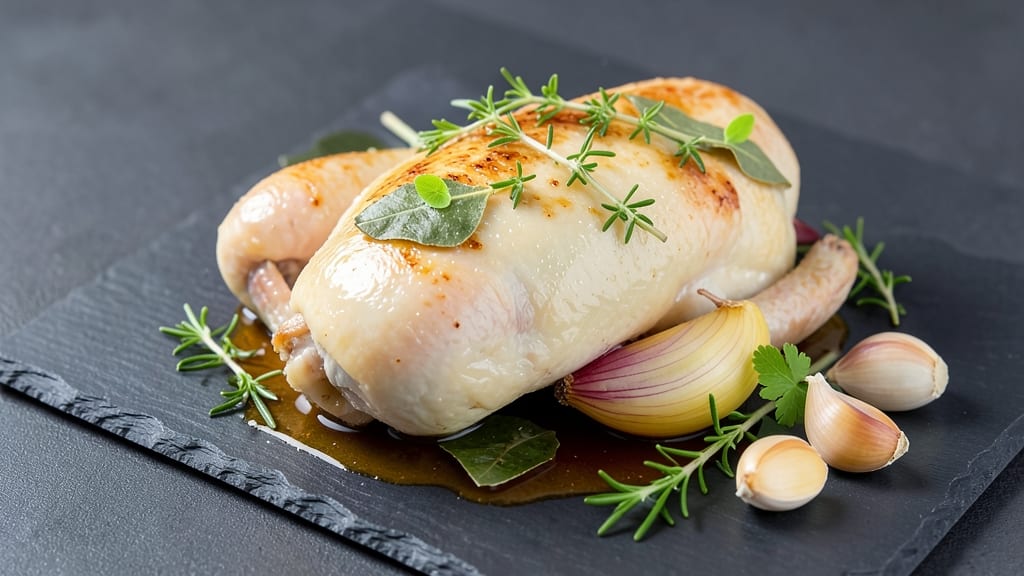
This poached chicken recipe transforms simple ingredients into silky-smooth skin and impossibly juicy breasts—something I perfected after years of struggling with dry, rubbery results. 💛 The secret lies in precise temperature control and herb-infused broth that keeps the meat tender while developing deep flavor.
I spent weeks testing this method, inspired by my grandmother's Sunday roast chicken, until I cracked the code for foolproof poaching every time.
The process is simpler than it sounds: simmering chicken gently in seasoned broth until the meat reaches perfect doneness. You'll need just a few key ingredients—whole chicken pieces, aromatic herbs, and a well-balanced broth—but the technique ensures restaurant-quality results at home.
Brining the chicken first elevates the texture, while proper timing guarantees juicy centers and delicate skin that practically melts in your mouth.
What you'll end up with is a dish that's elegant enough for Sunday dinners but simple enough for weeknight meals. The chicken emerges from the broth with a velvety sheen, infused with subtle herb notes, and ready to be paired with roasted vegetables, fresh salads, or buttery mashed potatoes.
This method preserves all the natural moisture while building layers of flavor that transform ordinary chicken into something extraordinary.
Serve with a squeeze of lemon and fresh herbs for brightness, or drizzle with pan sauce for added richness. The possibilities are endless, but the technique remains the same—precise, reliable, and always delicious. Let's get started on creating your perfect poached chicken.
Ingredients for poached chicken
Juicy, silky-skin perfection starts with these 15 ingredients—herbs, broth, and a few clever tricks.
| Ingredient | Amount | Notes |
|---|---|---|
| Whole Chicken 🍗 | 4 lb | Bone-in, skin-on preferred |
| Fresh Rosemary 🌿 | ¼ cup | Finely chopped sprigs |
| Fresh Thyme 🌿 | ¼ cup | Stems removed, finely chopped |
| Fresh Bay Leaves 🌿 | 2 whole | Lightly crushed |
| Garlic Cloves 🧄 | 6 cloves | Smashed, not minced |
| Yellow Onion 🧅 | 1 whole | Quartered, peeled |
| Carrots 🥕 | 3 whole | Scrubbed, whole |
| Celery Stalks 🥬 | 3 whole | Trimmed, cut into 2-inch pieces |
| Chicken Broth 💧 | 6 cups | Low-sodium preferred |
| White Wine 🍷 | 1 cup | Dry, like Sauvignon Blanc |
| Apple Cider Vinegar 🍎 | ½ cup | For brining |
| Kosher Salt 🧂 | ½ cup | For brining |
| Black Peppercorns 🌶️ | 1 tbsp | Crushed, not ground |
| Lemon Juice 🍋 | ¼ cup | Freshly squeezed |
| Unsalted Butter 🧈 | ½ cup | Cold, cubed |
The chicken is everything here. Bone-in, skin-on pieces (thighs and drumsticks work best) give you that irresistible texture. Costco or Whole Foods often have pre-cut chicken parts that save time. Look for pieces with a good fat cap—it keeps the meat juicy during poaching. Fresh herbs are non-negotiable: Trader Joe's has great bundles of rosemary and thyme, or grab them from the farmers market for maximum flavor. The bay leaves add depth, but don't overlook them—just crush them lightly before adding to release their oils.
No white wine? Substitute extra chicken broth with a splash of apple cider vinegar—it keeps the acidity balanced. Short on fresh herbs? Dried thyme at one-third the amount works, but fresh is worth the trip to the store. The broth should be low-sodium—Pacific Foods or Swanson brands are reliable. For the brining step, use Diamond Crystal kosher salt if you've got it—it dissolves better than table salt. The butter at the end? European-style unsalted (like Plugrá) melts beautifully for that silky finish.
Brined chicken stays fresh for 3 days in the fridge—use it within that time for best texture. The poached chicken reheats beautifully: 350°F for 20 minutes with a splash of broth keeps it moist. Portion leftovers into airtight containers with a layer of butter on top to preserve that velvety sheen. Freezes for 3 months, but I recommend eating it fresh—it's that good.
Why You'll Love This Recipe
- Zero Stress Prep: I swear by this method—just plop the whole chicken in a pot with water, herbs, and garlic, then walk away. No flipping, no basting, no stress. The herbs infuse effortlessly while you handle the rest of dinner.
- Herb-Infused Magic: That rosemary-thyme-bay leaf combo? It turns plain chicken into something ridiculously fragrant—like a bouquet of flavors in every bite. The garlic cloves add a slow-simmered punch that lingers perfectly.
- Leftovers That Shine: Poached chicken stays juicy for days, so I always make extra. Shred it for sandwiches, toss it in salads, or serve it cold with pickles—it’s my go-to for lazy lunches without sacrificing taste.
- Budget-Friendly Feast: A whole chicken costs pennies per serving, and the herbs (even fresh) stretch across multiple meals. Honestly, this is how I feed my family well without breaking the bank—minimal ingredients, maximum satisfaction.
Step-by-step instructions for poached chicken recipe
Perfectly moist chicken with silky skin—this gentle poaching method delivers restaurant-quality results.
🍳 Step 1: Prepare the Poaching Liquor
In a large Dutch oven or deep pot, combine the 6 cups chicken broth, 1 cup white wine, 0.5 cup apple cider vinegar, 0.25 cup lemon juice, 0.5 cup kosher salt, and 1 tbsp crushed black peppercorns. Bring to a simmer over medium-high heat, stirring occasionally to dissolve the salt completely.
While the liquid heats, add the 1 whole yellow onion (quartered), 3 whole carrots (scrubbed), 3 whole celery stalks (cut into 2-inch pieces), 6 smashed garlic cloves, 2 lightly crushed bay leaves, 0.25 cup chopped fresh rosemary, and 0.25 cup chopped fresh thyme. Let the aromatics infuse for 5 minutes—you'll notice the liquid becomes fragrant and slightly cloudy from the herbs.
👨🍳 Step 2: Prep and Poach the Chicken
Pat the 4 lb whole chicken dry with paper towels, then place it breast-side up in the simmering liquid. The water should come about halfway up the chicken's sides—if it's too shallow, add a little hot water. Bring back to a gentle simmer, then immediately reduce heat to low so the liquid barely bubbles.
Here's the thing—poaching requires patience. Cover the pot and maintain this gentle simmer for 35-40 minutes per pound, which works out to about 2 hours 40 minutes to 3 hours total. You'll know it's ready when the internal temperature reaches 165°F at the thickest part of the thigh (not touching bone). The skin should be silky and translucent, not crispy.
⏰ Step 3: Rest and Finish with Butter
Once done, remove the chicken and transfer it to a cutting board. Let it rest for 15 minutes before carving—this crucial step prevents juices from running out when you slice. While it rests, strain the poaching liquid and return it to the pot. Stir in the 0.5 cup cold unsalted butter and simmer for 2 minutes until the butter melts and creates a glossy, flavorful sauce.
For extra richness, you can whisk in 1-2 tablespoons of the reserved poaching liquid to loosen the sauce. This butter-basted broth makes an excellent drizzle over the chicken or as a sauce for vegetables. The result? Juicy, tender meat with a velvety texture and fragrant aromatics throughout.
Pro Tips For Making Poached Chicken
- Start with Cold Water: I learned this the hard way—dumping a raw chicken into boiling water turns the outside rubbery. Instead, fill the pot with cold water, bring it to a gentle simmer (tiny bubbles, not a rolling boil), then add the chicken. This keeps the meat tender and lets the herbs infuse evenly.
- Tie the Herbs: Skip the loose rosemary and thyme? They’ll float like confetti and burn. Bundle them with kitchen twine into a little herb bouquet, then tuck it inside the chicken cavity. Bay leaves and garlic cloves can go loose—they’re too heavy to float away.
- Don’t Crowd the Pot: A 4-pound chicken needs space to poach properly. If your pot’s too small, the water won’t circulate, and the chicken steams instead of simmers. Use a deep pot or poach in batches—crowding guarantees a bland, soggy result.
- Test with a Thermometer: The water’s simmering, but is the chicken done? A meat thermometer at 165°F (74°C) in the thickest part of the thigh is the only way to guarantee it. No guessing, no cutting into it—just a quick check, and you’re golden.
Storing and reheating your poached chicken
Refrigerator Storage
Poached chicken stays fresh in the refrigerator for up to 4 days when stored properly. I transfer the cooked chicken to an airtight container with a layer of butter on top—this preserves that silky texture and prevents drying.
The butter also creates a protective seal that locks in moisture. Store the poaching sauce separately in a sealed jar or container. 🧊
Freezer Preservation
For longer storage, freeze poached chicken for up to 3 months without significant quality loss. I recommend portioning it into quart-sized freezer bags with a splash of the poaching liquid to keep it moist.
Remove as much air as possible before sealing to prevent freezer burn. When ready to use, thaw overnight in the refrigerator for best results.
Reheating Perfection
To reheat, place the chicken in an oven-safe dish with a splash of broth or water, then cover with foil. Bake at 350°F for 20-25 minutes until reaching 165°F internal temperature.
This gentle method prevents drying out. For quick reheating, use the microwave on 50% power for 1-2 minute intervals, adding a little broth between each interval to maintain moisture.
Sauce Revival
The poaching sauce reheats beautifully—simmer it on the stovetop over medium-low heat until warmed through. If it thickens too much, whisk in a splash of water or broth. I like to finish it with a pat of cold butter and a squeeze of lemon juice for brightness.
This sauce is perfect for drizzling over vegetables, grains, or even using as a dip for crusty bread. 💡
Portioning Tips
Divide leftovers into individual portions before storing to make reheating easier. I use small glass containers with tight-sealing lids—I find they maintain texture better than plastic. For meal prep, store the chicken and sauce separately so you can customize how much sauce you add when reheating.
This also helps prevent soggy skin from excess moisture.
Texture Preservation
If you notice the skin losing its sheen after storage, don't worry—it's still delicious. Before serving, brush the chicken with a little melted butter and reheat briefly under a broiler for 1-2 minutes to restore that silky finish.
The butter adds flavor and helps maintain that restaurant-quality texture. This trick works wonders for serving at family gatherings or potlucks. ✨
Nutrition facts
Frequently asked questions
Can I poach chicken without white wine?
Replace the 1 cup white wine with an extra 1 cup chicken broth plus 1 tablespoon apple cider vinegar to maintain acidity. The dish will still develop rich flavors from the herbs and aromatics. The vinegar helps tenderize the meat while keeping the broth balanced.
How do I know when the chicken is fully cooked?
Use a meat thermometer to check the internal temperature at the thickest part of the thigh (avoiding bone). It should read 165°F. The skin will also become silky and translucent, not crispy. If unsure, cut into the thickest part—juices should run clear, not pink.
What's the best way to serve poached chicken?
Pair it with bright sides like lemon-herb roasted vegetables, buttery mashed potatoes, or a crisp green salad. The butter-basted poaching sauce works perfectly drizzled over everything. For a complete meal, add crusty bread to soak up the sauce.
Why did my chicken turn out dry?
Overcooking or skipping the 15-minute rest before carving are common culprits. Keep the broth at a gentle simmer (tiny bubbles) and never boil. Also, ensure you're checking the thickest part of the thigh—not the breast—for doneness. The skin should remain silky, not crispy.
Can I poach chicken breasts instead of whole pieces?
Yes, but they cook much faster—about 12-15 minutes total. Use the same broth ratio but reduce poaching time to 8-10 minutes after bringing to a simmer. For even cooking, place breasts skin-side down in a single layer.