
Main Courses
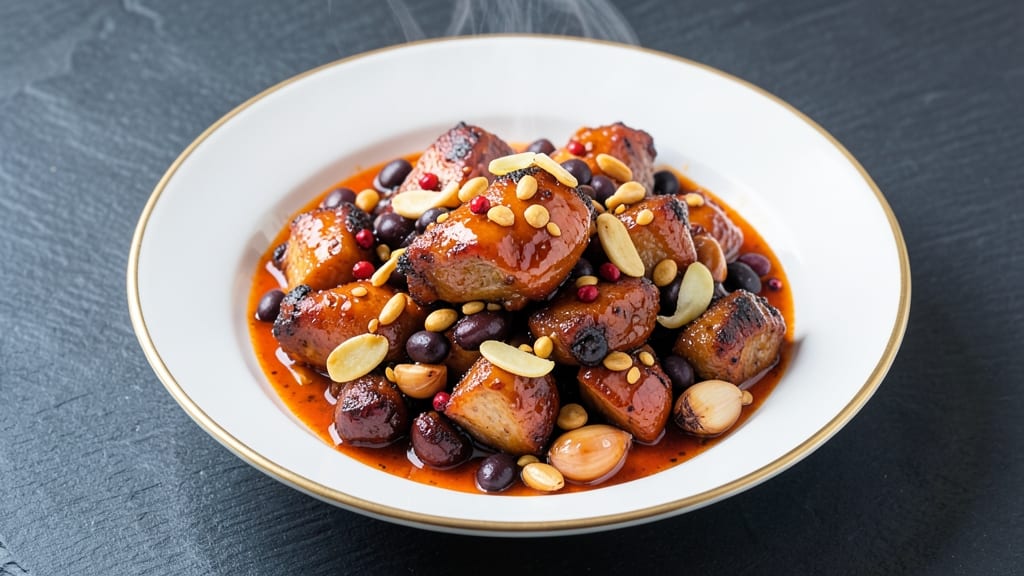
Recreating P.F. Chang’s Kung Pao Chicken at home delivers that signature spicy-sweet balance with crispy chicken and crunchy peanuts. I’ve perfected this stir-fry by mastering the sauce—where Sichuan peppercorns and fermented black beans create that signature tingling heat.
The key lies in high-heat stir-frying and precise sauce reduction for authentic restaurant flavor.
This recipe captures P.F. Chang’s signature elements: tender chicken pieces coated in a glossy, slightly sticky sauce with just the right chili heat. The sauce balances sweetness from brown sugar with umami depth from soy sauce and fermented black beans, while Sichuan peppercorns add that signature numbing spice.
Crispy roasted peanuts provide the perfect textural contrast.
By following this method, you’ll achieve perfectly seared chicken with a sauce that clings beautifully, creating that iconic Kung Pao presentation. The dish maintains its vibrant colors and complex flavors—sweet, spicy, tangy, and nutty all at once. This is the version that’ll have your guests asking for seconds.
Whether you’re serving it over steamed rice or as a standalone stir-fry, this recipe delivers restaurant-quality results at home. The technique is straightforward once you understand the key steps, and the flavors are worth every minute of preparation. Let’s get cooking!
Ingredients for pf chang's kung pao chicken
The authentic P.F. Chang’s Kung Pao Chicken relies on these carefully balanced ingredients: tender chicken, aromatic Sichuan peppercorns, and fermented black beans for that signature numbing-spicy depth.
| Ingredient | Amount | Notes |
|---|---|---|
| Boneless, Skinless Chicken Thighs 🍗 | 1 ½ lb | Cut into 1-inch pieces, pounded even thickness |
| Dry Roasted Peanuts 🥜 | ½ cup | Crushed, unsalted preferred |
| Sichuan Peppercorns 🌶️ | 1 tbsp | Whole, lightly toasted |
| Fermented Black Beans 🫘 | ¼ cup | Rinsed, drained, chopped |
| Garlic Cloves 🧄 | 6 cloves | Minced, fresh preferred |
| Fresh Ginger 🌿 | 1 tbsp | Grated, peeled |
| Light Soy Sauce 🍶 | ¼ cup | Kikkoman preferred |
| Dark Soy Sauce 🍶 | 1 tbsp | For deeper color |
| Brown Sugar 🍯 | ¼ cup | Packed, light variety |
| Rice Vinegar 🍶 | 1 tbsp | White vinegar substitute |
| Sesame Oil 🫒 | 1 tbsp | Toasted, for aroma |
| Red Chili Peppers 🌶️ | 2 whole | Dried, chopped (like Thai bird's eye) |
| Vegetable Oil 🫒 | ½ cup | High smoke point |
| Green Onions 🧅 | ¼ cup | Sliced, white and green parts |
| Steamed Jasmine Rice 🍚 | 2 cups | Cooked, for serving |
Sichuan peppercorns are the heart of this dish—toast them lightly in a dry pan for 30 seconds to release their aromatic oils. Look for whole peppercorns at Asian markets or specialty spice shops like Burlap & Barrel, as they hold their flavor better than pre-ground versions. Fermented black beans add umami depth; Asian grocery stores carry them in jars or cans, and they’re essential for that restaurant-quality tang. Fresh ginger and garlic should be vibrant, not shriveled—Whole Foods or Trader Joe's carry high-quality options. For the peanuts, dry-roasted, unsalted is key; Planters or 365 brand work well when crushed.
No Sichuan peppercorns? Substitute 1/2 teaspoon ground Sichuan pepper (if available) plus a pinch of black pepper for the numbing effect. Fermented black beans unavailable? Use 1/4 cup chopped salted black beans (drained and rinsed), though the flavor will be slightly less complex. Light soy sauce can be swapped for tamari for gluten-free, but dark soy sauce is harder to replace—try 1 tbsp molasses plus 1 tsp liquid smoke for color. For heat, Thai bird's eye chilies can be swapped for dried red peppers, but adjust to taste. The brown sugar should be light variety—dark molasses would overpower the delicate balance of flavors.
Store Sichuan peppercorns in an airtight container for up to 6 months to preserve their potency. Fermented black beans keep in the fridge for 3 weeks after opening. Prep the sauce components separately—mix dry ingredients first, then combine with wet elements—this keeps everything fresh. The dish reheats beautifully, though the peanuts may lose some crunch; toast fresh peanuts before serving if reheating. The sauce can be made 1 day ahead and stored in the fridge, allowing flavors to meld even further.
Why You'll Love This Recipe
- One-Pan Magic: I swear by this recipe because it’s actually one-pan—no fussing with multiple bowls or pans. Toss the chicken, peanuts, and fermented black beans right into the same wok or skillet where you’ll stir-fry everything. (Yes, even the Sichuan peppercorns toast in seconds.)
- Crunchy-Spicy Balance: That perfect mix of crispy peanuts, finger-licking garlic, and the just-right heat from Sichuan peppercorns? It’s what makes this dish addictive. The fermented black beans add this deep, salty umami—trust me, you’ll want to lick the plate clean.
- Weeknight to Party: Make it for Tuesday dinner or double the batch for your next dinner party. The leftovers reheat like a dream (just add a splash of water to keep it saucy), and it’s the kind of dish that feels fancy without trying too hard.
- Budget-Friendly Protein: Chicken thighs are cheaper than breasts, and you’re using all of them—no wasted scraps. The peanuts and black beans stretch the flavor without breaking the bank, and honestly? This feeds four for under $15. (My wallet thanks me.)
Step-by-step instructions for pf chang's kung pao chicken recipe
Master this iconic stir-fry with bold flavors and perfect texture through precise technique.
Prepare the Chicken and Marinate
Cut the 1.5 lb boneless, skinless chicken thighs into 1-inch pieces and place them in a bowl. Using a meat mallet, pound each piece to an even ¼-inch thickness—this ensures even cooking and prevents toughness. In a small bowl, combine 1 tbsp light soy sauce, 1 tbsp dark soy sauce, 1 tbsp rice vinegar, and 1 tbsp sesame oil. Pour this marinade over the chicken and toss gently to coat. Let it sit for 15-20 minutes while you prepare the remaining ingredients.
The marinade not only seasons the chicken but also begins breaking down the proteins, ensuring tender results. If you're short on time, even 10 minutes of marinating will improve flavor, though the full time yields the best texture.
Toast the Aromatics and Chili Peppers
Heat 0.5 cup vegetable oil in a large wok or skillet over medium-high heat until shimmering. Add the 1 tbsp whole Sichuan peppercorns and toast for 30 seconds until fragrant—you’ll smell their distinct citrusy aroma. Immediately remove the peppercorns with a slotted spoon and set aside. In the same oil, add the 2 whole red chili peppers (chopped) and stir-fry for 1 minute until slightly charred but not burned.
Remove the chili peppers and set aside with the Sichuan peppercorns. This step is critical for building depth of flavor—charred chilies add smokiness, while toasted Sichuan peppercorns bring their signature numbing heat. Don’t skip this; it’s the foundation of the dish’s complexity.
Stir-Fry the Chicken to Golden Perfection
Working in batches if needed, add the marinated chicken to the wok in a single layer. Cook undisturbed for 2-3 minutes until the pieces develop a deep golden-brown crust. Stir and cook for another 1-2 minutes until the chicken is 85% cooked through—it will finish in the sauce. Remove the chicken and set it aside on a plate.
Overcrowding the pan will steam the chicken instead of searing it, leading to soggy results. A well-seared crust is essential for both texture and flavor. If the oil smokes excessively, reduce the heat slightly—you want a controlled sizzle, not a fire.
Build the Kung Pao Sauce
In the same wok, add 6 cloves minced garlic and 1 tbsp grated fresh ginger. Stir-fry for 30 seconds until fragrant but not browned. Add the 0.25 cup chopped fermented black beans and cook for 1 minute until heated through. Stir in 0.25 cup packed brown sugar, 0.25 cup light soy sauce, and 1 tbsp dark soy sauce, mixing well to combine.
The sauce should begin to bubble and thicken slightly. If it looks too thick, add 1 tablespoon of water to loosen it. This step balances the sweet, salty, and umami flavors that define kung pao chicken. Taste and adjust seasoning—you may need a pinch more salt or sugar depending on your preference.
Combine and Finish with Peanuts and Green Onions
Return the chicken to the wok and toss to coat evenly in the sauce. Cook for 1-2 minutes until the chicken is fully cooked through and the sauce has thickened slightly. Stir in the 0.5 cup crushed dry roasted peanuts and 0.25 cup sliced green onions, tossing gently to distribute. Remove from heat immediately—overcooking will dry out the chicken and burn the peanuts.
Serve the kung pao chicken immediately over 2 cups steamed jasmine rice, garnished with additional green onions if desired. The dish should be vibrant, with a perfect balance of spicy, sweet, and nutty flavors. Each bite should deliver tender chicken, crunchy peanuts, and a glossy, well-seasoned sauce.
Pro Tips For Making Pf Chang'S Kung Pao Chicken
- CHAR THE GARLIC: I learned this the hard way—don’t just mince the garlic, char it first. Toss whole cloves in the hot wok with the Sichuan peppercorns until they’re blackened and fragrant (about 30 seconds). Smash them in the mortar later—this adds a smoky depth that raw garlic can’t match.
- SALT THE CHICKEN: Season the chicken thighs before cutting them into strips, and let them sit for 10 minutes. This keeps them juicy when they hit the wok, and the salted surface crisps better than dry meat. (Yes, even if you’re impatient like me.)
- TOAST THE PEANUTS: Skip the dry-roasted store-bought peanuts—they’re bland. Instead, toast your own in a dry pan over medium heat for 3–4 minutes until they smell nutty and start to brown. Toss them with a pinch of salt right away; this makes all the difference in the final crunch.
- STIR-FRY IN BATCHES: Crowding the wok steams the chicken instead of searing it. Cook the chicken in two batches over high heat—it’ll turn golden and crispy, not soggy. (Your future self will thank you when the sauce clings properly.)
Serving suggestions for pf chang's kung pao chicken
Rice Pairings
Serve this kung pao chicken over steamed jasmine rice for that classic P.F. Chang’s presentation. I recommend 2 cups cooked rice per serving—it soaks up the bold sauce beautifully while providing a neutral base.
For extra fluffiness, use a rice cooker and let it sit covered for 10 minutes after cooking. 🍚
Garnish Like a Pro
Top your dish with extra green onions for freshness and crushed peanuts for crunch. I also like adding a drizzle of chili oil (just ½ teaspoon) for an extra layer of heat.
For a restaurant-worthy finish, sprinkle toasted sesame seeds—about 1 teaspoon—over the top right before serving. This adds visual appeal and nutty depth.
Side Dish Harmony
A cucumber salad with sesame dressing cuts through the richness perfectly. Toss 1 cup thinly sliced cucumber with 1 tablespoon rice vinegar, 1 teaspoon sesame oil, and a pinch of salt.
For a heartier option, serve with steamed bok choy or egg rolls—both complement the spicy-sweet flavors without overpowering them. ✨
Beverage Pairings
For drinks, I reach for jasmine tea—its floral notes balance the dish’s bold flavors. A light lager like Asahi Super Dry also works well, as its crispness refreshes your palate.
If you prefer something stronger, a dry Riesling with its citrusy acidity pairs beautifully with the dish’s sweet-spicy profile. 🍺
Make-Ahead Serving
If prepping ahead, store the cooked chicken and sauce separately in airtight containers for up to 2 days. Reheat the sauce on its own over medium-low heat for 3-4 minutes, then toss in the chicken just before serving.
Keep the peanuts and green onions separate until the last minute to maintain their texture and freshness. 💡
Presentation Tips
For a restaurant-style look, mound the rice in the center of your plate, then spoon the chicken and sauce over the top. Scatter the peanuts and green onions artistically around the edges.
I like using a large spoon to create a dramatic sauce drizzle effect—it makes the dish look as good as it tastes. 🔥
Nutrition facts
Frequently asked questions
Can I substitute chicken breast for thighs in this recipe?
Chicken breast works, but thighs are ideal because they stay juicier during stir-frying. If using breast, cut into ½-inch pieces and pound thinner (⅛-inch) to ensure even cooking. Marinate for 20-30 minutes to prevent dryness, and cook at slightly lower heat (medium) to avoid overcooking.
How do I adjust the spice level for kids or sensitive eaters?
Remove the whole dried chili peppers entirely and reduce Sichuan peppercorns to ½ teaspoon (lightly toasted). For extra mildness, skip fermented black beans and use 1 tbsp extra brown sugar to balance flavors. Always taste the sauce before adding chicken.
What’s the secret to getting crispy peanuts in the dish?
Use dry-roasted, unsalted peanuts and crush them coarsely (not powdered). Toast them in a dry pan for 3-4 minutes over medium heat until fragrant and golden before adding to the dish. Stirring constantly prevents burning. For extra crunch, add them just before serving instead of during cooking.
Can I make this vegetarian?
Swap chicken for extra-firm tofu (pressed, cubed) or mushrooms (shiitake or oyster). Marinate tofu in the same sauce for 20 minutes, then pan-fry until golden. Use 1 cup firm tofu per 1.5 lb chicken equivalent. For umami depth, add 1 tbsp soy sauce to the tofu marinade.
Why did my sauce turn too thick or too thin?
Too thick? Add 1-2 tablespoons water or chicken broth while simmering. Too thin? Cook uncovered for 1-2 minutes to reduce, or mix ½ teaspoon cornstarch with 1 tbsp water and stir in. The sauce should coat the back of a spoon but remain pourable. Taste and adjust sweetness/saltiness last.