
Main Courses
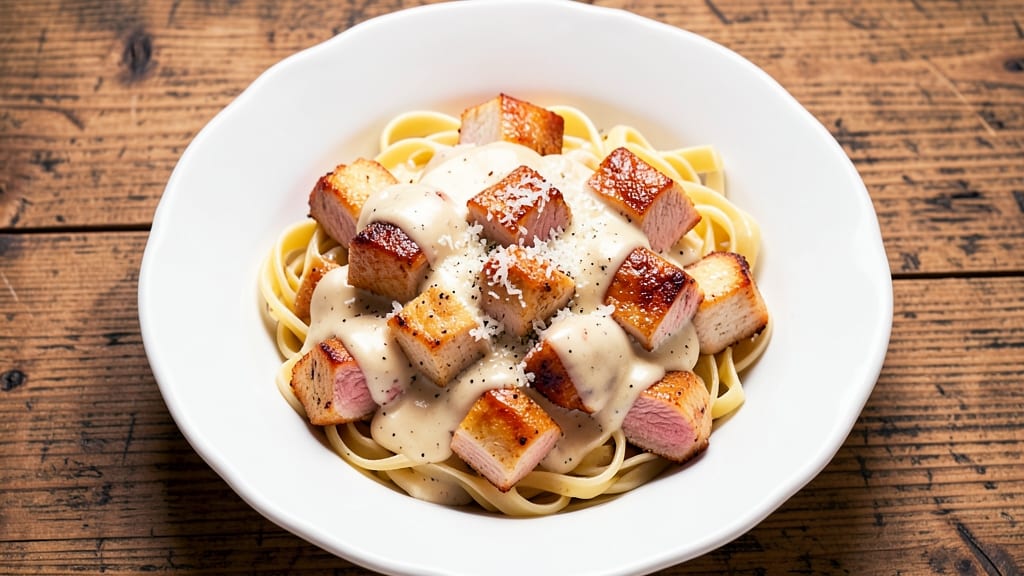
This Olive Garden copycat chicken fettuccine alfredo delivers the same creamy, parmesan-rich sauce and tender chicken you crave—without the restaurant price tag. After years of perfecting restaurant-quality dishes in my kitchen, I’ve cracked the code for that signature Alfredo texture and flavor balance.
The secret lies in a precise blend of cheeses and a slow-reduction technique that creates a sauce so velvety it clings to every strand of fettuccine.
What makes this recipe work is the combination of heavy cream, butter, and a precise ratio of parmesan and Romano cheeses—no powdered mixes here.
The chicken is cooked just until juicy, then tossed into the sauce at the perfect moment so it stays tender while absorbing all that rich, cheesy goodness. With just 15 minutes of active prep and 20 minutes of simmering, you’ll have a restaurant-quality meal on your table.
The result is a dish that’s creamy yet not overly heavy, with perfectly cooked fettuccine and chicken that’s juicy in every bite. The sauce coats the pasta like a silky blanket, and the flavor is so authentic you’ll swear you’re back in the Olive Garden dining room.
This is the kind of comfort food that feels like a hug—warm, indulgent, and impossible to resist.
Serve it with garlic bread and a side salad for the full experience, or keep it simple with a sprinkle of fresh parsley. The leftovers reheat beautifully, making this the ultimate weeknight solution for when you want restaurant-quality Italian without the hassle. Let’s get cooking—your taste buds will thank you.
Ingredients for olive garden chicken fettuccine alfredo copycat
Pantry staples meet restaurant-quality Italian—just 14 ingredients for creamy perfection.
| Ingredient | Amount | Notes |
|---|---|---|
| Fettuccine Pasta 🍝 | 12 oz | High-quality dried fettuccine |
| Boneless, Skinless Chicken Breast 🍗 | 1 ½ lb | Cut into 1-inch pieces |
| Unsalted Butter 🧈 | ½ cup | Cold, cubed for sauce |
| Heavy Cream 🥛 | 1 ½ cups | Full-fat for richness |
| Parmesan Cheese 🧀 | 1 cup | Freshly grated from block |
| Pecorino Romano Cheese 🧀 | ½ cup | Freshly grated for depth |
| All-Purpose Flour 🌾 | ¼ cup | For sauce thickening |
| Garlic Cloves 🧄 | 4 cloves | Minced for sauce base |
| Extra-Virgin Olive Oil 🫒 | 2 tbsp | For chicken cooking |
| Salt 🧂 | 1 ½ tsp | Kosher or sea salt |
| Black Pepper 🌶️ | ½ tsp | Freshly ground preferred |
| Fresh Parsley 🌿 | ¼ cup | Chopped for garnish |
| Garlic Powder 🧄 | ¼ tsp | For seasoning chicken |
| Dried Parsley 🌿 | ½ tsp | Optional for extra flavor |
The cheeses are non-negotiable here. Parmesan and Pecorino Romano from the deli counter (not pre-grated) make all the difference—they melt like silk and add that signature depth. Whole Foods or Trader Joe's have great options, but any specialty store will do. For the chicken, boneless, skinless breasts are easiest, but thighs work too if you prefer. Cut them into even 1-inch pieces so they cook perfectly. The butter should be cold and cubed when you add it to the sauce—this prevents it from melting too fast and keeps the sauce velvety.
No heavy cream? Half-and-half with an extra splash of milk gets you close, though the sauce won’t be quite as rich. Pre-grated cheese? Freshly grate your own—it’s worth the 30 seconds. Short on garlic? Garlic powder at double the amount works in a pinch, but fresh is better. The flour is just for thickening—don’t skip it, but don’t overdo it either. If you’re watching calories, you can reduce the butter by a tablespoon and add a splash more heavy cream, but trust me on the full-fat version for that true Olive Garden taste. The dried parsley is optional but adds a nice herbal note if you’ve got it.
This sauce is a dream to reheat—just add a splash of milk or cream to loosen it up. Keeps in the fridge for 4-5 days (though it’s rarely around that long) and freezes beautifully for up to 3 months. I like to portion it into containers with some pasta and chicken so I can grab a quick lunch. The pasta cooks in about 12 minutes, but start it while the sauce simmers—that way, everything’s ready at the same time. Garnish with fresh parsley right before serving, or save it for later if you’re prepping ahead.
Why You'll Love This Recipe
- One-Pot Magic: I swear by this trick—just toss the chicken, butter, and cream in one pot, let it simmer, then dump in the pasta. No messy saucepans, no extra bowls. That rich, velvety sauce clings to everything like it’s glued on, and honestly? I’ve never had a single noodle left behind.
- Creamy Without the Guilt: Here’s what sold me—the sauce is ridiculously good, but it’s not drowning in cream. You’re using heavy cream, sure, but the butter and parmesan balance it out so it’s rich but not heavy. My picky-eater husband actually finishes his portion now. (Yes, even on a Tuesday night.)
- Leftover Goldmine: This dish tastes even better the next day. Between us, it’s my go-to for lunch or a quick dinner when I’m too tired to cook. Just reheat with a splash of milk to loosen the sauce, and boom—creamy perfection. My kids ask for it weekly, and I’ve never once heard them complain.
- Budget-Friendly Luxury: You’re using simple ingredients—chicken breast, pasta, a block of butter—but the result feels fancy. I’ll be real: it costs half of what Olive Garden charges, and I get leftovers for days. That parmesan rind? Toss it in the sauce for extra depth—no waste, all flavor.
Step-by-step instructions for Olive Garden copycat chicken fettuccine Alfredo
Here's how to nail that iconic creamy sauce and tender chicken every time.
Season and Cook the Chicken
Pat the 1.5 lb boneless, skinless chicken breast dry with paper towels and cut it into 1-inch pieces. In a bowl, toss the chicken with 2 tbsp extra-virgin olive oil, 1.5 tsp salt, 0.5 tsp black pepper, and 0.25 tsp garlic powder. Let it sit for 5 minutes while you preheat a large skillet over medium-high heat.
Add the chicken in a single layer and cook undisturbed for 4-5 minutes until the pieces are golden brown on the bottom. Flip carefully and cook another 3-4 minutes until the internal temperature reaches 165°F and the chicken is no longer pink in the center. Remove from the pan and set aside on a plate.
Make the Creamy Alfredo Sauce
Reduce the heat to medium and add 0.5 cup unsalted butter to the same skillet. Let it melt completely, then add the 4 cloves minced garlic and cook for 30 seconds until fragrant—don't let it brown or it'll turn bitter. Immediately whisk in the 0.25 cup all-purpose flour and cook for 1-2 minutes until the mixture turns a light golden color.
Slowly pour in the 1.5 cups heavy cream while whisking constantly to prevent lumps. Bring the mixture to a gentle simmer and let it cook for 3-4 minutes until it thickens slightly. Remove from heat and stir in the 1 cup freshly grated parmesan cheese and 0.5 cup freshly grated pecorino romano cheese until fully melted and smooth.
Cook the Fettuccine
While the sauce simmers, bring a large pot of water to a rolling boil and add 12 oz fettuccine pasta. Cook according to package instructions until al dente—about 1 minute less than suggested. Reserve 1 cup of pasta water before draining, then return the drained pasta to the pot.
Add the cooked chicken pieces to the pot with the pasta. Pour the cheese sauce over the top and toss gently to combine. If the sauce is too thick, add 2-3 tablespoons of the reserved pasta water at a time until it reaches your desired consistency—a silky, creamy coating that clings perfectly to the pasta.
Finish and Serve
Return the entire pot to low heat and let it warm through for 1-2 minutes, stirring occasionally. This step ensures the chicken is heated through and the sauce is perfectly emulsified. Taste and adjust seasoning with additional salt or black pepper if needed.
Divide the chicken fettuccine among four plates, garnishing each serving with 0.25 cup chopped fresh parsley and a sprinkle of 0.5 tsp dried parsley. Serve immediately while the sauce is still creamy and the chicken is juicy. The secret to this copycat version is keeping everything hot and serving it right away—just like at Olive Garden!
Pro Tips For Making Olive Garden Chicken Fettuccine Alfredo Copycat
- Sear Chicken High: Get that pan nice and hot—we’re talking smoke-just-starting-to-rise heat—before adding the chicken breasts. I used to rush this, and the sauce would never stick to the chicken like it does at Olive Garden. A quick 2-3 minute sear on each side builds flavor and keeps the meat from drying out when it hits the creamy sauce later.
- Whisk the Cream Cold: Heavy cream straight from the fridge tempers the butter better and prevents curdling when you combine them. I learned this the hard way after watching my sauce separate like a bad smoothie. Start with the butter melted, then slowly whisk in the cold cream while stirring constantly—no rushing, or you’ll regret it.
- Grate Parmesan Fresh: Pre-shredded cheese has anti-caking agents that make the sauce grainy and watery. Grab a box of real Parmesan and grate it yourself—just a handful at first, since you’ll add more later. It’s worth the extra 30 seconds to get that authentic, creamy texture.
- Reserve That Starch: Save ½ cup of pasta water before draining the fettuccine. The starch in it thickens the Alfredo like magic—no need to overcook the sauce or add flour. Just toss in a splash at the end, and the sauce will cling to the noodles like it’s supposed to.
Common mistakes when making this recipe
Overcooking Chicken
This is the #1 mistake I see—chicken that’s dry as a bone because it’s cooked too long. The key is hitting 165°F internal temperature while keeping it juicy.
I cut the chicken into 1-inch pieces and cook them in a single layer over medium-high heat for just 4-5 minutes per side. Any longer, and you’ll end up with rubbery, flavorless bites. Use a meat thermometer to check—don’t guess! 🌡️
Skipping the Rest
After cooking the chicken, let it rest for 3-5 minutes before tossing it with the sauce. This lets the juices redistribute, so every bite stays moist. I’ve seen people skip this step and end up with dry chicken that soaks up all the sauce without adding any flavor.
Trust me, that 5-minute wait makes a world of difference.
Using Pre-Grated Cheese
The difference between restaurant-quality sauce and homemade disaster often comes down to the cheese. Pre-grated cheese contains anti-caking agents that prevent it from melting smoothly, leaving you with a grainy, clumpy mess.
Always use freshly grated parmesan and pecorino romano—it’s worth the extra 30 seconds of grating. I buy blocks from Whole Foods or my local Italian market for the best results.
Not Tempering the Sauce
Adding cold cheese directly to hot cream can cause the sauce to curdle or separate. To avoid this, remove the sauce from heat before stirring in the cheese, then return it to low heat just to melt.
I also like to whisk the cheese into the warm sauce off the heat—this keeps everything smooth and velvety. A quick fix if it does separate is to whisk in 1 tablespoon cold butter to re-emulsify.
Overthickening the Sauce
Too much flour or too little liquid leads to a sauce that’s gluey rather than creamy. The sauce should coat the back of a spoon but still flow easily. If it’s too thick, add reserved pasta water 1 tablespoon at a time until it reaches that perfect silky consistency.
I’ve seen people dump in too much water and dilute the flavor—start slow and adjust gradually.
Underseasoning the Pasta
The pasta water is your secret weapon for flavor. When you drain the fettuccine, save 1 cup of starchy pasta water—it’s packed with salt and starch that helps emulsify the sauce.
Toss the cooked pasta with the sauce and a splash of this water to create a cohesive, flavorful dish. Skipping this step means missing out on that restaurant-quality mouthfeel and taste. 💡
Nutrition facts
Frequently asked questions
Can I use chicken thighs instead of breasts?
Chicken thighs add even more richness and stay juicier than breasts. Use 1.5 lb boneless, skinless thighs cut into 1-inch pieces, and reduce cooking time to 3-4 minutes per side since they cook faster. The skin adds flavor if left on, but remove it before serving.
How do I make this sauce without heavy cream?
For a lighter version, replace the heavy cream with 1.5 cups half-and-half plus 2 tbsp milk. The sauce will be slightly less rich but still creamy. Alternatively, use 1.5 cups whole milk and add 1 tbsp cornstarch to the flour mixture for extra thickening.
Can I make this ahead of time?
Yes, but assemble it last-minute for best results. Cook the pasta and chicken separately, then refrigerate in airtight containers for up to 2 days. Reheat the sauce with a splash of milk/cream, then toss with the pasta and chicken over low heat for 2-3 minutes to restore creaminess.
Why did my sauce turn grainy?
Grainy sauce usually means pre-grated cheese or overcooking. Always use freshly grated parmesan and pecorino romano—the anti-caking agents in pre-grated versions cause clumping. If it happens, whisk in 1 tbsp cold butter to re-emulsify while the sauce is warm.
What's the best way to reheat leftovers?
Reheat in a skillet over low heat with 1-2 tbsp milk or cream to restore creaminess. Microwave reheating works but can make the sauce watery—always stir well and add liquid gradually. For crispy chicken, broil for 1-2 minutes after reheating.