
Main Courses
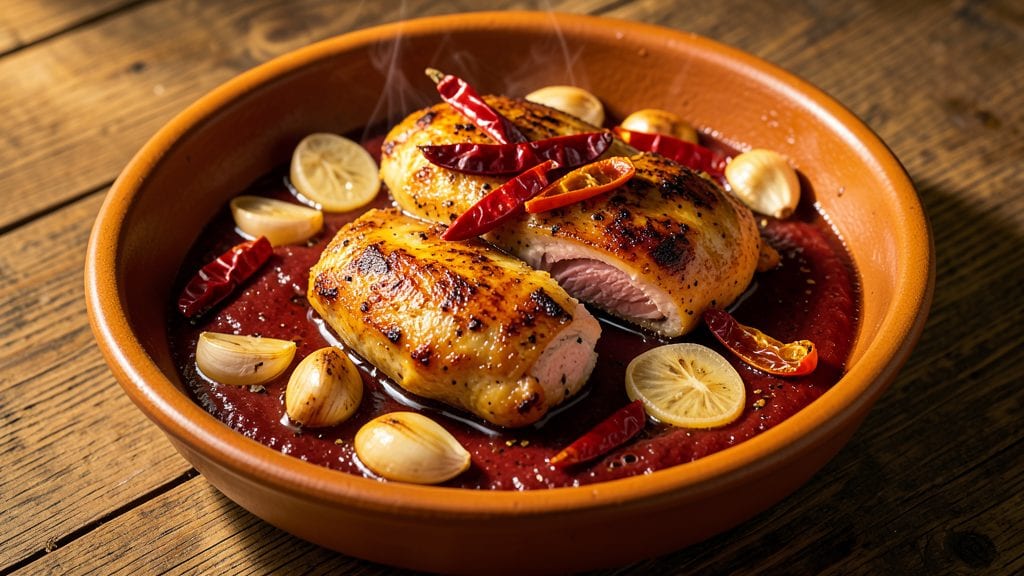
This Nigerian chicken pepper soup recipe delivers the bold, aromatic harmony that makes it a centerpiece of West African dining—where every spoonful carries layers of spice, umami, and tender meat.
After years of perfecting the balance between fiery peppers and earthy spices, I’ve developed a method that transforms simple chicken into a restaurant-worthy dish with just one pot and 45 minutes of active time.
The secret lies in the slow simmer, where the broth develops depth while the chicken stays juicy and infused with smoky heat.
What sets this recipe apart is the authentic spice blend—a mix of dried peppers, ginger, and garlic that builds flavor gradually rather than overwhelming.
Unlike many adaptations, this version stays true to the tradition of one-pot cooking, where the broth reduces to a rich, velvety consistency that clings to every bite of chicken.
The dish is complete with fluffy jollof rice on the side, though it works equally well as a standalone soup for those who prefer simplicity.
By the time you’re done, you’ll have a deeply flavorful pepper soup with tender chicken pieces swimming in a glossy, aromatic broth—bold enough to satisfy cravings but balanced enough for everyday meals.
The scent alone will transport you to a Nigerian dining table, where this dish is served with pride. Ready to master the technique?
This recipe works equally well for weeknight dinners or special occasions, scaling effortlessly for crowds. The leftovers reheat beautifully, making it perfect for meal prep. Let’s get cooking—your taste buds will thank you.
Ingredients for nigerian chicken
Bold spices and tender chicken transform into this aromatic West African masterpiece.
| Ingredient | Amount | Notes |
|---|---|---|
| Chicken Thighs, Bone-In 🍗 | 1 ½ lb | Skin-on for flavor, cut into pieces |
| Dried Red Bell Peppers 🌶️ | 2 whole | Arbol or cayenne for heat |
| Fresh Ginger 🌿 | 2 tbsp | Grated, aromatic variety preferred |
| Garlic Cloves 🧄 | 6 cloves | Peeled, lightly crushed |
| Scotch Bonnet Peppers 🌶️ | 2 whole | Seeds removed for less heat |
| Fresh Tomato Paste 🍅 | ½ cup | Squeeze tube or canned |
| Chicken Bouillon Cubes 💧 | 2 whole | Knorr or Maggi brand |
| Dried Shrimp 🦐 | ¼ cup | For umami depth |
| Fresh Cilantro 🌿 | ¼ cup | Chopped, for garnish |
| Vegetable Oil 🫒 | ¼ cup | For high-heat searing |
| Salt 🧂 | 1 ½ tsp | Kosher or sea salt |
| Black Pepper 🌶️ | ½ tsp | Freshly ground |
| Groundnut Oil 🫒 | ¼ cup | Or substitute vegetable oil |
| Lemon Juice 🍋 | 2 tbsp | Freshly squeezed |
The chicken thighs are key—skin-on, bone-in pieces stay juicy and packed with flavor. Local butchers or Costco often have the best cuts for this. Look for thighs with good marbling but not too much fat. Dried red bell peppers? Penzeys or Latin markets carry the best varieties like arbol or cayenne. Fresh ginger should smell bright and zesty—no moldy stems! For scotch bonnet peppers, Caribbean markets usually have them fresh, but dried work too if you can't find them fresh. The tomato paste can be the squeeze tube kind from Trader Joe's—it's perfect for this recipe and lasts forever.
No scotch bonnet? Habanero or cayenne at half the amount works, but taste first—these peppers pack serious heat. Fresh ginger too strong? Powdered ginger at one-third the amount is a decent swap, though it lacks complexity. Out of bouillon cubes? Homemade chicken stock plus a pinch of MSG gets you close. Dried shrimp hard to find? Anchovies or shrimp paste both work, but start with less—umami builds fast. The cilantro is just for garnish, so fresh or dried works (use dried at one-fifth the amount).
This soup tastes even better the next day as flavors meld. Keeps 4-5 days in the fridge, freezes for 3 months. I double the recipe and freeze half—perfect for lazy weeknights. Store the broth separately if you want to reheat just the liquid. The chicken reheats beautifully, but add a splash of water if it gets too thick. Always taste before serving—adjust salt and pepper as needed.
Why You'll Love This Recipe
- I swear by this rule: less clutter, more flavor. You’re basically blending dried peppers, ginger, garlic, and Scotch bonnet—no fancy pantry items, just bold spices that turn bone-in thighs into melt-in-your-mouth magic. Honestly, my spice rack looks the same before and after.
- Fewer Ingredients, Bigger Bang: I swear by this rule: less clutter, more flavor. You’re basically blending dried peppers, ginger, garlic, and Scotch bonnet—no fancy pantry items, just bold spices that turn bone-in thighs into melt-in-your-mouth magic. Honestly, my spice rack looks the same before and after.
- That Crispy-Ginger Heat: The secret’s in the ginger and Scotch bonnet—charred just enough to add a smoky kick without overpowering. One bite and you’ll get why I keep the thighs bone-in: the marrow melts into the sauce, making every spoonful richer than the last. (Yes, even on a Tuesday night.)
- Weeknight to Party Ready: This dish starts simple but ends flexible. Serve it with rice for a quick weeknight meal or pile it high on a platter for guests—no one will guess it’s the same recipe. Between us, the leftovers reheat better than takeout, and my kids actually ask for seconds.
Step-by-step instructions for Nigerian chicken pepper soup
This recipe brings authentic West African flavors to life with deep, spicy broth and tender chicken.
Prepare the Chicken and Aromatics
Cut the 1.5 lb chicken thighs, bone-in into bite-sized pieces, leaving the skin on for maximum flavor. In a large pot, heat 0.25 cup vegetable oil over medium-high heat until shimmering. Add the chicken pieces in batches, letting them sear for 3-4 minutes per side until golden brown. This step develops deep flavor through the Maillard reaction.
Remove the chicken and set aside. In the same pot, add 0.25 cup groundnut oil and heat until hot. Add the 6 cloves garlic cloves and 2 tbsp fresh ginger (pre-grated), cooking for 30 seconds until fragrant. Immediately add the 2 whole dried red bell peppers and 2 whole Scotch bonnet peppers (seeds removed), stirring for 1 minute to toast the spices and release their aromas. 2
Build the Rich Broth Base
Return the seared chicken to the pot. Add 0.5 cup fresh tomato paste, stirring to coat the chicken and spices evenly. Pour in 8 cups water (enough to cover the chicken) and add the 2 whole chicken bouillon cubes. Bring to a boil, then reduce heat to medium-low and simmer uncovered for 45 minutes, stirring occasionally. The broth should reduce slightly and develop a deep red color.
After 45 minutes, add 0.25 cup dried shrimp and 1.5 tsp salt, stirring well. The shrimp will rehydrate and infuse the broth with umami. Taste the broth and adjust seasoning with 0.5 tsp black pepper if needed. The soup should be rich, slightly spicy, and well-seasoned. If the chicken isn't fully tender, continue simmering for another 15-20 minutes.
Finish with Fresh Herbs and Brightness
Once the chicken is fork-tender (about 1 hour total cooking time), stir in the 2 tbsp lemon juice and 0.25 cup fresh cilantro. The lemon juice brightens the deep flavors, while the cilantro adds freshness. Let the soup simmer for another 5 minutes to meld all the flavors together.
Taste and adjust seasoning one final time. The soup should balance heat, richness, and acidity. Serve immediately with fufu, pounded yam, or rice to soak up the flavorful broth. The chicken should be tender with crispy edges, and the broth should coat the back of a spoon with a velvety texture.
Step 4: Rest and Serve for Maximum FlavorLet the soup rest for 10 minutes before serving. This allows the flavors to fully develop and the chicken to reabsorb some of the cooking juices, ensuring each bite is packed with flavor. The soup should be aromatic, with layers of spice, umami, and citrus brightness.
Garnish each serving with an extra sprinkle of fresh cilantro and serve with your choice of sides. The broth should be rich and slightly thickened from the tomato paste and bouillon, while the chicken remains juicy and infused with all the spices. Enjoy immediately for the best experience!
Pro Tips For Making Nigerian Chicken
- Blister the Peppers First: Toss those dried red bell peppers into a dry, screaming-hot pan for 30 seconds before adding anything else. I used to soak them first, thinking it would soften them faster—wrong move. The quick sear deepens their smoky flavor and prevents them from turning into sad, mushy bits later. (Yes, even if you’re impatient like me.)
- Grind Ginger Coarse: Skip the fine paste—grate that ginger with a box grater or pulse it in the food processor until it’s still slightly chunky. Finer ginger dissolves into the stew too fast, leaving you with a bland aftertaste. You want those little bursts of heat and freshness cutting through the richness.
- Don’t Crowd the Chicken: If you’re frying the thighs in batches, give them space—they’ll steam instead of brown. I learned this the hard way when my first batch came out pale and greasy. A single layer in the pan with just enough oil to coat guarantees that crispy, caramelized crust you’re after.
- Simmer Low and Slow: Once the chicken is cooked and the sauce is thick, drop the heat to a bare simmer. I used to keep it at a rolling boil, thinking more heat meant faster flavor, but it just made the sauce break and the peppers turn bitter. Low and slow lets the flavors meld without turning the chicken rubbery. (Your future self will thank you.)
Regional styles of this dish
Lagos Street Food Style
In Lagos, this dish is often simplified for street vendors and home cooks working with limited time. The key is using bone-in, skin-on chicken thighs for maximum flavor without fancy prep.
Vendors typically sear the chicken in groundnut oil until crispy, then simmer with dried scotch bonnet peppers and ginger-garlic paste made from scratch. The broth is kept lighter—just enough to coat the chicken—rather than thickened with tomato paste. Serve with garri or plantain chips for dipping. 🌶️
Eastern Nigerian Twist
In the East, particularly in cities like Onitsha, the pepper soup takes on a deeper, earthier profile. The secret ingredient here is ogiri—a fermented locust bean paste that adds a funky, nutty depth.
I've adapted this by adding 1 tbsp ogiri (or 1 tsp ground locust beans if unavailable) during the final 10 minutes of simmering. The dish also incorporates leafy greens like bitterleaf or spinach wilted into the broth. Serve with pounded yam or fufu to balance the intensity. 🌿
Yoruba Royal Tradition
The Yoruba people elevate this dish for special occasions by incorporating palm oil into the broth. After searing the chicken, they add ½ cup palm oil to the pot and cook until it turns a deep red color before adding the spices.
This creates a rich, velvety texture that's almost like a stew. Traditionalists also include locust beans and utazi leaves (dried and ground) for authentic flavor. The dish is often served at celebrations with amala and ewedu soup on the side. 👑
Northern Nigerian Adaptation
Up north, particularly in Kano and Kaduna, the pepper soup becomes a heartier dish with peanut butter as a key ingredient. After the initial sear, they stir in 2 tbsp smooth peanut butter to create a creamy base before adding the spices.
The heat level is often milder, using habanero peppers instead of scotch bonnet, and the dish is frequently served with tuwo shinkafa (pearl millet porridge) or miyan kuka (millet couscous). The peanut butter adds a satisfying richness that balances the spice beautifully. 🥜
Modern Fusion Version
For those who want to bridge traditional flavors with contemporary tastes, try adding 1 tbsp smoked paprika during the searing stage and finishing with 1 tsp fish sauce (like Red Boat) instead of bouillon cubes.
This fusion version keeps the authentic spice profile but adds a smoky depth that appeals to modern palates. I've also seen successful adaptations using coconut milk in the final stages for a creamy texture—just add ½ cup coconut milk with the lemon juice.
Serve with jasmine rice or quinoa for a fusion-friendly base. 🌟
Marketplace Shortcut
When time is tight, Nigerian markets sell pre-made spice blends called "pepper soup mix" that simplify the process. Look for blends containing dried peppers, ginger, garlic, and locust beans**. Use 2 tbsp of this blend instead of toasting individual spices.
For extra convenience, many vendors sell pre-cooked chicken pieces already marinated in spices—just simmer these in the broth for 20 minutes to heat through. This version still delivers authentic flavor with minimal effort. ⏰
Nutrition facts
Frequently asked questions
Why does Nigerian chicken pepper soup need bone-in chicken?
The bones infuse the broth with rich, gelatinous depth that makes the soup velvety and deeply flavorful. Bone-in pieces also stay juicier during long simmering. For quicker cooking, use drumsticks—just add 10 extra minutes to the simmering time.
Can I make this soup less spicy for kids?
Remove the seeds from the scotch bonnet peppers and use just 1 pepper instead of 2. For milder heat, substitute with 1 habanero pepper (seeds removed) or ½ tsp cayenne powder. Always taste the broth before serving.
What's the best way to store leftovers?
Let the soup cool completely, then store in an airtight container in the fridge for up to 5 days. For freezing, portion into meal-sized containers with broth and chicken—reheat gently on low heat, adding a splash of water if too thick. The flavors actually improve overnight!
How do I adjust this recipe for a crowd?
Double all ingredients, including chicken (use 3 lb bone-in thighs) and broth (add 16 cups water). Use a 6-8 quart pot and increase simmering time by 15-20 minutes. For serving, prepare extra sides like jollof rice or fufu—this dish feeds 8-10 people generously.
What if my broth turns out too thin?
Simmer uncovered for 10-15 extra minutes to reduce. For quicker thickening, mix 1 tbsp cornstarch with 2 tbsp cold water, stir into the broth, and simmer 2 minutes** until desired consistency. Never use flour—it can make the soup cloudy.