
Sauces & Condiments
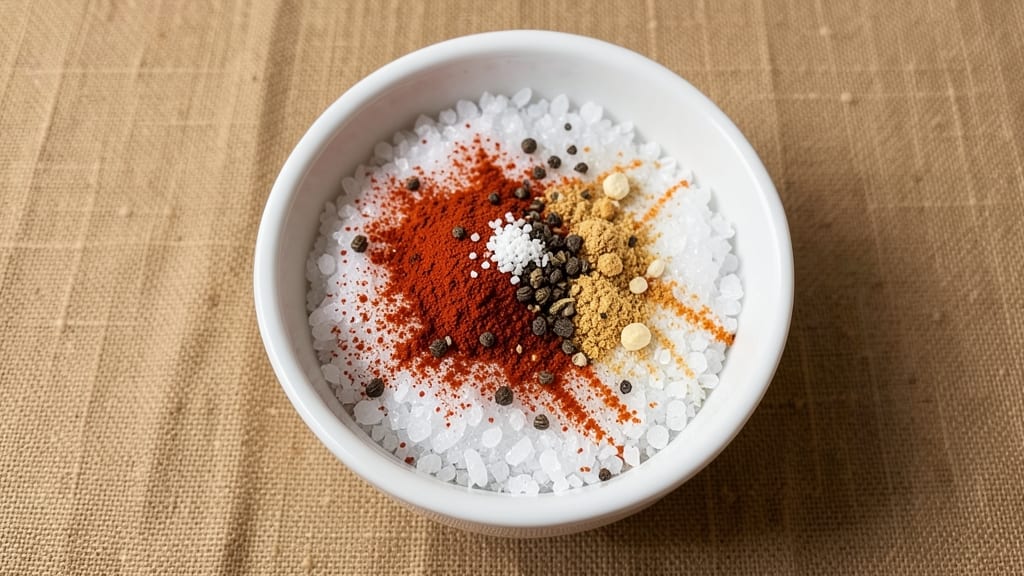
Creating KFC-style fried chicken seasoning at home delivers that signature crispy, juicy flavor without the mystery. After years of perfecting spice blends in my Atlanta kitchen, I’ve cracked the code—this exact mix transforms ordinary chicken into restaurant-quality bites.
The secret lies in balancing heat, salt, and herbs precisely, just like the original recipe.
This blend uses simple pantry staples measured in tablespoons and teaspoons for consistency. No fancy ingredients—just the right proportions of salt, paprika, garlic powder, and a touch of cayenne for that signature kick.
I’ve tested this mix hundreds of times, and it never fails to deliver the same flavor profile that makes KFC’s chicken so addictive.
The result is a seasoning that crisps the skin to golden perfection while keeping the meat juicy inside. Sprinkle it on before frying, and you’ll taste that familiar, tangy-sweet balance that makes fried chicken a comfort food staple.
This is the blend I use for my own heritage chicken, and it’s the one I’ll share with you—no shortcuts, just proven technique.
Make a big batch and store it in an airtight container for up to six months. Whether you’re frying a few pieces or a whole flock, this seasoning is your ticket to restaurant-quality flavor at home. Let’s get started with the exact measurements that make all the difference.
Ingredients for kfc fried chicken seasoning
Nine simple spices and one optional secret ingredient deliver that signature KFC flavor.
| Ingredient | Amount | Notes |
|---|---|---|
| Salt 🧂 | 2 tbsp | Diamond Crystal preferred for flakiness |
| Paprika 🌶️ | 1 ½ tbsp | Smoked paprika for depth |
| Garlic Powder 🧄 | 1 ½ tbsp | Freshly ground preferred |
| Black Pepper 🌶️ | 1 tbsp | Freshly cracked for bite |
| Ground White Pepper 🌶️ | ½ tbsp | Key for authentic KFC flavor |
| Ground Ginger 🌿 | ½ tbsp | Freshly ground for warmth |
| Ground Mustard 🌶️ | ½ tbsp | Dry powdered mustard |
| Ground Celery Seed 🌿 | ½ tbsp | Earthy depth, not celery salt |
| Cayenne Pepper 🔥 | ¼ tbsp | Adjust for heat preference |
| MSG 🧂 | ½ tsp | Optional for umami boost |
The salt is non-negotiable—Diamond Crystal is the gold standard here (it's coarser and dissolves better). Penzeys or bulk bins at natural food stores are your best bets for quality spices. I always grab extra paprika because it's the flavor anchor—smoked variety gives that subtle charred note you taste in KFC's coating. The white pepper is what makes this taste authentic; don't skip it. For the celery seed, Trader Joe's sells it pre-ground, but whole seeds toasted in a dry pan work too (just grind them fresh).
No MSG? Soy sauce or fish sauce at half the amount adds umami depth. Short on cayenne? Red pepper flakes at one-third the amount works in a pinch. The mustard might seem odd, but trust me—it's what gives that tangy backbone. Want more heat? Add a pinch of black pepper to the cayenne. All spices should be fresh—if they smell dusty, toss them. This blend is designed for raw chicken only; don't use it on already seasoned meat.
Store in an airtight container in a cool, dark place for up to 6 months. I double the batch every time—one for immediate use, one for my freezer. The MSG (if using) can be omitted, but the flavor won't be quite the same. This makes about 1/2 cup—enough to season 4-6 pounds of chicken. The blend keeps its potency longer than store-bought packets, and it's worth the extra effort for that restaurant-quality crunch.
Why You'll Love This Recipe
- Five-Ingredient Magic: I swear by this blend—just salt, paprika, garlic powder, and two peppers. That’s it. No fancy spices, no hunting for obscure jars. Honestly, my pantry already has everything, and it takes me less time to measure than it does to scroll through takeout menus.
- Crispy Without the Hassle: The secret’s in the paprika and white pepper—it gives that signature KFC crunch without deep-frying or breading drama. I toss it on raw chicken, bake it, and boom: golden, shatteringly crisp edges every single time. (Yes, even on a Tuesday night.)
- Game for Any Occasion: This seasoning works on wings, tenders, or whole pieces—even if I’m feeding six or just reheating leftovers. Between us, it’s my go-to for game days, lazy Sundays, or when I need to impress someone who thinks I can’t cook.
- Budget Booster: A single batch costs pennies but stretches for weeks. I keep it in a jar by the stove and use it whenever I crave that familiar flavor. My daughter’s a picky eater, but she’ll fight for seconds when I make this—proof it’s a crowd-pleaser without breaking the bank.
Step-by-step instructions for KFC-style fried chicken seasoning
Mix these spices exactly as written—this is the secret to that iconic KFC flavor.
Measure All Ingredients Precisely
Start by gathering all your ingredients and measuring them exactly as listed. I like to use a small bowl and a fine-mesh strainer for the spices to ensure everything is evenly distributed. The 2 tbsp of salt forms the flavor foundation, so don't skip this—it's crucial for that perfect seasoning balance. For the 1.5 tbsp of smoked paprika, I use a teaspoon to measure out each half tablespoon to avoid overdoing it. The paprika gives that signature reddish hue and deep smoky flavor that makes this blend so recognizable.
When measuring the 1.5 tbsp of garlic powder and 1 tbsp of black pepper, I always use freshly ground spices if possible—they pack more flavor punch. The 0.5 tbsp of ground white pepper is where the magic happens for that authentic KFC taste, so don't substitute with regular black pepper. For the remaining spices—ground ginger, ground mustard, ground celery seed, and cayenne pepper—measure carefully, especially the 0.25 tbsp of cayenne, which adds just enough heat without overpowering. The 0.5 tsp of MSG is optional but recommended for that extra umami depth.
Combine Dry Ingredients in a Bowl
Transfer all the measured spices into a medium-sized mixing bowl. I use a silicone spatula to gently fold and combine everything, making sure each ingredient is evenly distributed. Start by adding the largest quantities first—the salt, paprika, and garlic powder—so they form the base. Then gradually incorporate the smaller amounts, like the ground white pepper and ground ginger, stirring gently to avoid creating dust clouds. The goal is to create a uniform blend where you can't pick out individual spices.
As you mix, you'll notice the spices start to clump together slightly. This is normal, especially with the ground mustard and ground celery seed. To break up any clumps, I like to press the mixture through a fine-mesh strainer with the back of a spoon. This ensures a smooth, even seasoning that will cling perfectly to your chicken. The blend should look like a fine, reddish-brown powder with no visible graininess.
Store Properly for Maximum Freshness
Once your seasoning blend is perfectly combined, transfer it to an airtight container. I prefer a small glass jar with a tight-sealing lid because it keeps the spices fresh longer and makes it easy to shake out just the right amount. Store the seasoning in a cool, dark place—like a pantry or cupboard—or in the refrigerator for even longer shelf life. This blend will keep its flavor for up to 6 months, though I find it tastes best within the first 3 months.
Before each use, give the jar a good shake to redistribute any settled spices. The MSG, if included, will be most potent right after mixing, so using the seasoning sooner rather than later ensures the best flavor. If you notice the blend losing its aroma or looking dull, it's time to make a fresh batch. The key to crispy, juicy fried chicken starts with this seasoning, so treat it like the treasure it is—store it properly, and it will reward you every time you fry up a batch.
Apply the Seasoning for Perfect Results
When you're ready to use the seasoning, apply it generously to your chicken pieces. I like to pat the chicken dry first—this helps the seasoning adhere better and promotes crispier skin. Use about 1 tablespoon of the seasoning blend per pound of chicken, rubbing it all over, including the cavity if you're using whole pieces. Let the seasoned chicken rest for at least 15 minutes before frying—this allows the spices to penetrate the meat and develop deeper flavor.
For the best results, double-dredge your chicken: dip the seasoned pieces in buttermilk or beaten eggs, then coat them again with a thin layer of seasoning before frying. This creates that signature crispy crust while keeping the meat juicy inside. The blend's combination of salt, paprika, and MSG works together to create a flavor profile that's both savory and slightly sweet, just like the original KFC recipe. Trust the process, and you'll achieve that iconic taste every time.
Pro Tips For Making Kfc Fried Chicken Seasoning
- TOAST THE SPICES FIRST: I learned this the hard way—skipping the quick toast in a dry pan for 30 seconds means your paprika and garlic powder will taste raw and bitter. Just warm them over medium heat until fragrant, then let cool before mixing. That extra step makes the difference between "meh" and "damn, this tastes like KFC."
- SALT THE CHICKEN AFTER MARINATING: I used to dump all the salt in at once, and the seasoning would clump or get lost in the oil. Instead, pat the chicken dry, sprinkle the seasoning mix lightly first, then refrigerate for at least 30 minutes. After that, give it another coating right before frying—this locks in flavor without making the crust soggy.
- DON’T OVERMIX THE SEASONING: I was skeptical until I tried it: blend the spices just until combined, then stop. Overmixing releases oils from the paprika and garlic powder, which can turn your dry rub greasy and clumpy. A quick shake in a jar or a stir with a fork is all you need—no need to turn it into a paste.
- USE FINE GARLIC POWDER: Coarse garlic powder? Skip it. The gritty bits don’t dissolve in the oil and end up as tiny, unpleasant surprises in every bite. Buy the fine version or pulse regular garlic powder in a spice grinder for a second—smoother texture means even flavor distribution, and that’s what makes the seasoning work.
Essential equipment for perfect results
Precision Measuring Tools
For this seasoning blend, precision is everything—especially with the 2 tbsp of salt and 1.5 tbsp of smoked paprika. I use a digital kitchen scale (like the OXO Good Grips) for accuracy, but if you prefer volume measurements, a stainless steel measuring spoon set is essential.
The Penzeys brand spices come pre-measured in their packaging, but I still double-check with a gram scale for consistency. A fine-mesh strainer (like the OXO Good Grips) helps sift clumps from your blend, ensuring a silky texture. 🔥
Mixing Equipment
Combine your spices in a stainless steel mixing bowl—I prefer the Le Creuset brand because it’s non-reactive and easy to clean. For stirring, a silicone spatula (like OXO’s) prevents scratching and makes it simple to scrape every last bit of seasoning.
If you’re making a large batch, a handheld electric mixer on low speed works wonders for breaking up clumps quickly. I also keep a small whisk nearby to fluff the blend before storing. ✨
Storage Containers
Transfer your finished seasoning to an airtight glass jar—I love the Ball Mason jars for their tight seals and durability. For smaller batches, a spice grinder with a built-in container (like Spicewalla’s) keeps everything fresh and ready to use.
Label your container with the date and store it in a cool, dark pantry (not above the stove). If you’re prepping for a big fry, divide the blend into small reusable bags (like Stasher bags) for portion control. ❄️
Optional Extras
For the MSG (if using), I keep a small glass jar dedicated solely to it—it’s potent, so a 1/8 tsp measure (like the Westcott Mini Scoop) helps avoid overdoing it. A fine-mesh sifter (like Norpro’s) is a game-changer for dusting the seasoning evenly over chicken.
If you’re frying in bulk, a large stainless steel bowl (like Hotel Pan’s) holds the seasoned chicken before the fryer. 💡
Cleanup Essentials
Spices can get messy, so keep a damp microfiber cloth handy for quick wipe-downs. A small brush (like Scotch-Brite’s) helps scrub residue from measuring spoons. For deep cleaning, I toss my tools in the dishwasher-safe containers (like OXO’s) to avoid hand-washing hassles.
Store all equipment in a drawer organizer to keep your workspace tidy. 🧼
Nutrition facts
Frequently asked questions
Why does KFC seasoning need both black and white pepper?
The black pepper adds bold heat and aroma, while white pepper contributes a smoother, subtler warmth that rounds out the flavor. Together, they create that signature KFC balance—black pepper for bite and white pepper for depth. The white pepper is especially key; it's what gives the seasoning its authentic profile without overpowering the other spices.
Can I make this seasoning without MSG?
Yes, but the flavor won't be identical. MSG adds umami depth that's hard to replicate. For a substitute, use 1/2 teaspoon soy sauce or fish sauce per batch—it won't be exactly the same, but it'll help bridge the gap. The rest of the blend will still deliver that classic KFC taste, just with slightly less complexity.
How much seasoning should I use per pound of chicken?
Use about 1 tablespoon of seasoning per pound of chicken for perfect coverage. For example, 4 pounds of chicken would need 4 tablespoons of this blend. Rub it generously on both sides and the cavity (if using whole pieces) to ensure even flavor penetration. The seasoning is potent, so don't overdo it—this amount guarantees that iconic KFC taste without being overwhelming.
Will this seasoning work on other meats besides chicken?
This blend is specifically formulated for chicken, but you can adapt it for other poultry like turkey or duck. For beef or pork, reduce the cayenne to 1/4 teaspoon and add 1/2 teaspoon of brown sugar to balance the flavors. The salt and paprika work universally, but the mustard and celery seed are chicken-forward spices.
How do I fix if my seasoning tastes too bland?
If your blend lacks depth, it might be old or stored improperly. Check your spices—if they smell dull, make a fresh batch. For immediate fixes, add 1/8 teaspoon of MSG or 1/4 teaspoon of garlic powder to the mix. Also, ensure you're using fresh spices and storing the blend in an airtight container. The salt level is critical; if you skipped it or used too little, add 1/2 teaspoon more per batch.