
Sauces & Condiments
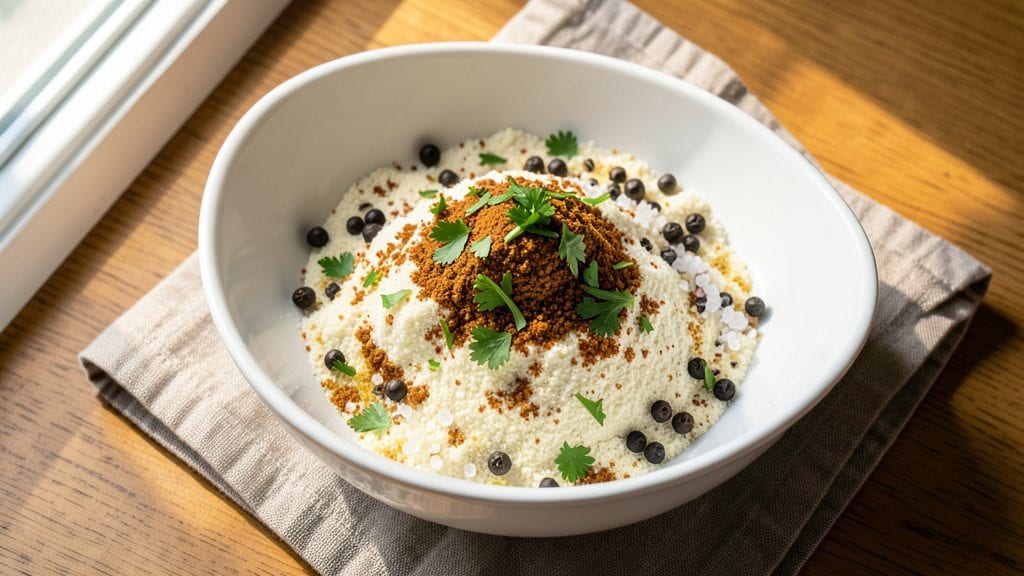
Creating the perfect JJ's Fish and Chicken White Powder starts with this precise herb blend that transforms ordinary proteins into crispy, flavor-packed masterpieces. Growing up in small-town Georgia, I learned how the right seasoning could turn simple ingredients into unforgettable meals—this blend is my go-to for restaurant-quality results at home.
The magic lies in the balance of herbs and spices that create a bright, zesty crust while keeping the inside tender. With just six ingredients, this dry powder blend delivers layers of flavor without overpowering the natural taste of fish or chicken.
It’s the secret weapon behind crispy, golden skin and aromatic, savory bites every time.
This blend works equally well on grilled, baked, or pan-seared proteins, making it incredibly versatile. Whether you're seasoning catfish for a summer cookout or preparing chicken for a weeknight dinner, the result is consistently delicious.
The powder keeps indefinitely, so you can stock up and have it ready whenever cravings strike.
Once you try this blend, you’ll never go back to store-bought seasonings. The combination of herbs and spices creates a harmonious balance that elevates any protein dish to new heights. Let’s get started on making your own batch—your taste buds will thank you.
Ingredients for jj fish and chicken white powder
Six simple ingredients that create restaurant-quality flavor. No fancy tools needed—just a bowl and a whisk.
| Ingredient | Amount | Notes |
|---|---|---|
| Dried Mustard Powder 🌶️ | 3 tbsp | Bright, tangy variety preferred |
| Dried Parsley Flakes 🌿 | 2 tbsp | Finely ground for even coating |
| Ground Black Pepper 🌶️ | 1 ½ tbsp | Freshly ground for best flavor |
| Ground Celery Seed 🌱 | 1 tbsp | Earthy depth without bitterness |
| Ground Garlic Powder 🧄 | 1 tbsp | Not garlic salt |
| Diamond Crystal Kosher Salt 🧂 | 1 tbsp | Fine grain for even distribution |
| Ground Cayenne Pepper 🔥 | ½ tsp | Adjust for desired heat level |
| Ground Onion Powder 🧅 | ½ tsp | Sweet onion preferred |
The mustard powder is the secret weapon here—it gives that signature tang that sets this blend apart. Penzeys or McCormick brands work best; avoid anything with a bitter aftertaste. For the parsley flakes, Trader Joe's has the finest grind, but any good dried parsley will do. The celery seed is non-negotiable—it adds that subtle earthiness that makes this blend work on both fish and chicken. I always buy mine in small jars from the bulk section at Whole Foods because it keeps its potency longer. If you're sensitive to heat, cut the cayenne in half or skip it entirely—this blend still shines without it.
No mustard powder? Dijon mustard powder substitute works in a pinch, though it's slightly thicker. Short on parsley? Dried thyme at half the amount gives a similar earthy note. The onion powder can be swapped for asafetida powder for a more authentic Southern touch, though it's an acquired taste. If you're using this blend for fish, reduce the cayenne by half—fish absorbs heat differently than chicken. For extra crunch, add 1 tbsp cornstarch to the mix, but it's optional. The key is keeping everything finely ground so it coats the protein evenly without clumping.
This blend keeps indefinitely in an airtight container in a cool, dark place. I store mine in a glass jar with a tight-sealing lid—it's ready to use whenever I'm craving crispy, golden proteins. For best results, shake the jar before each use to distribute the spices evenly. If you make a big batch, portion it into smaller containers so you're not measuring every time. Trust me, once you go homemade, you'll never go back to those sad little seasoning packets again.
Why You'll Love This Recipe
- Pantry Magic: I swear by this recipe when I’ve got nothing but spices and protein. Just toss those dried herbs—mustard powder, parsley flakes, celery seed—over raw chicken or fish, and boom. Zero fresh ingredients needed.
- Umami Bomb: That mustard powder and celery seed combo? It’s like a secret handshake for flavor. The garlic powder ties it all together with a punch that sticks—perfect for when you want bold without fuss.
- Weeknight Hero: Honestly, this is my go-to for busy nights. Toss it on whatever’s defrosting, bake it, and suddenly you’ve got dinner. Even my picky teens don’t complain—(yes, even on a Tuesday night).
- Budget Flex: I make this for a crowd or stretch it into leftovers, and it costs next to nothing. A little powder goes a long way, and the taste? Still spot-on after reheating. My wallet and freezer thank me.
Step-by-step instructions for JJ's fish and chicken white powder recipe
This blend delivers that signature crispy crust and bold flavor you crave every time.
Combine the Base Seasonings
In a medium mixing bowl, add the 3 tablespoons dried mustard powder and 2 tablespoons dried parsley flakes. These two ingredients form the aromatic foundation of the blend, so let them sit together for 30 seconds while you prepare the remaining components. The parsley flakes will distribute evenly when mixed with the mustard powder's fine texture, ensuring no clumping occurs during the final blend.
Next, add the 1 tablespoon ground celery seed and 1 tablespoon ground garlic powder. These earthy and savory elements provide depth and complexity that elevate simple proteins. Use a whisk to gently combine these dry ingredients, breaking up any potential clumps. The celery seed, in particular, needs thorough distribution to avoid pockets of intense flavor in your final dish.
Add the Salt and Spices for Balance
Incorporate the 1 tablespoon Diamond Crystal kosher salt and 1.5 tablespoons ground black pepper into the bowl. The kosher salt's fine grain ensures even distribution, while the freshly ground black pepper adds a sharp, piquant edge that cuts through the richness of fried or grilled proteins. Mix these ingredients thoroughly with a fork or small whisk, ensuring they're fully integrated with the mustard and parsley base.
Now, add the 0.5 teaspoon ground cayenne pepper and 0.5 teaspoon ground onion powder. The cayenne introduces a subtle heat that lingers beautifully on crispy skin, while the onion powder adds a sweet, aromatic note. Stir these final ingredients into the blend until completely homogeneous. At this stage, you should see a light, airy powder with no visible streaks of individual spices.
Test for Even Distribution and Adjust
Transfer the blend to a fine-mesh sieve and shake it gently over a clean bowl to break up any remaining clumps. This step is crucial for achieving that signature "white powder" texture that clings perfectly to proteins. Once sifted, return the powder to your mixing bowl and give it one final stir with a fork. The blend should now look uniform and ready to use.
For optimal results, store the blend in an airtight container away from moisture and light. When applied to fish or chicken, this mixture creates a crispy, golden crust that locks in juices while delivering layers of herbaceous, slightly spicy flavor. The key to crispiness lies in applying the powder generously to dry, oil-coated proteins before cooking—this ensures maximum adhesion and that coveted crunch.
Pro Tips For Making Jj Fish And Chicken White Powder
- Bloom the Mustard: Toss the dried mustard powder into your hot oil first—let it sizzle and darken for 30 seconds before adding anything else. I used to skip this, and the flavor just felt flat; now it’s the backbone of the seasoning.
- Toast the Celery Seed: Lightly toast the ground celery seed in a dry pan for 10 seconds until fragrant—it deepens the earthy bite without overpowering. My grandmother swore by this, and she was right: it’s the difference between "meh" and "wow."
- Avoid Overmixing the Powder: Once you add the white powder mix to the protein, stir just until evenly distributed—no need to turn it into a paste. Overworking it makes the coating gummy instead of crisp. Trust me, I’ve ruined batches this way.
- Use Cold Protein: Pat the fish and chicken dry, then pop them straight from the fridge onto the seasoned surface. Cold meat sears better and absorbs the powder evenly—no sad, soggy spots. (Yes, even if you’re impatient like me.)
Troubleshooting this recipe
Clumpy Powder Fix
If your blend looks lumpy after mixing, don't panic—this happens when spices aren't ground fine enough. I always sift the finished blend through a fine-mesh sieve (like the OXO Good Grips one) to break up any stubborn clumps.
For extra insurance, use a mini food processor (like the Ninja Mini) to pulse all ingredients together for 10-15 seconds before sifting. The goal is a powder so fine it practically disappears when sprinkled on proteins. 🌶️
Uneven Flavor Distribution
When your seasoned proteins taste bland in spots, it's usually because the powder wasn't applied evenly. First, make sure your proteins are completely dry before seasoning—pat them thoroughly with paper towels.
Then, use a fine-mesh strainer to dust the powder lightly over the food in circular motions, shaking gently to distribute it evenly. For extra adhesion, lightly mist the proteins with club soda (not water) before applying the powder—this helps the seasoning stick better during cooking.
Dull or Bland Flavor
Freshness is everything with dry spice blends. If your powder tastes flat, check the expiration dates on your spices—ground spices lose potency after 6 months. I always buy my mustard powder and celery seed from Penzeys because they're freshly ground and packaged.
For a quick flavor boost, toast your spices for 1-2 minutes in a dry skillet over low heat before mixing them together. This reactivates their oils and intensifies their aroma. Store your blend in an airtight container in a cool, dark place to preserve freshness.
Too Much Heat
The cayenne pepper can sometimes overpower delicate fish fillets. If you find your dish too spicy, reduce the cayenne to just ¼ teaspoon in future batches. For immediate balance, serve with cooling elements like a creamy remoulade sauce or a side of cucumber salad.
I also like adding a pinch of sugar (about ¼ teaspoon) to the blend when using it on fish—this softens the heat while adding a subtle sweetness that complements the mustard and parsley notes.
Powder Not Sticking
If your seasoning keeps falling off during cooking, the proteins need better adhesion. First, make sure they're completely dry—wet surfaces repel powder. Then, try this pro trick: lightly coat the proteins with cornstarch (about 1 teaspoon total) before applying the seasoning.
The starch creates a temporary sticky surface that helps the powder cling. For fried foods, use a light oil coating (like canola) before seasoning—this creates a better bond during frying. 💡
Storage Issues
Moisture is the enemy of dry spice blends. If your powder gets clumpy or develops an off smell, it's absorbed moisture. Store your blend in a glass jar with a tight-sealing lid (I use Le Parfait jars) in a cool, dark pantry.
For extra protection, add a small silica gel packet to the jar to absorb any residual moisture. If your kitchen is particularly humid, consider storing the blend in the refrigerator—it can last up to 1 year this way. Just let it come to room temperature before using to prevent condensation.
Nutrition facts
Frequently asked questions
What's the best way to store this white powder blend?
Keep it in an airtight glass container in a cool, dark place for up to 6 months. For longer storage, refrigerate in a sealed jar with a silica packet to prevent moisture absorption. Always let the powder return to room temperature before using to avoid condensation on your proteins.
Can I adjust the heat level for sensitive eaters?
Reduce the cayenne pepper to ¼ teaspoon or omit it completely. For extra mildness, add ¼ teaspoon sugar to balance the tangy mustard notes. The parsley and celery seed will still provide excellent flavor without the heat.
How much powder should I use per pound of protein?
For fish: 1 tablespoon per pound (lightly dusted). For chicken: 1.5 tablespoons per pound (generously coated). The powder sticks best when applied to dry surfaces right before cooking. For extra crispiness, pat the proteins with cornstarch first.
What proteins work best with this seasoning?
This blend excels on white fish (like tilapia or snapper), catfish, and skinless chicken breasts. For dark meat, reduce the cayenne to ¼ teaspoon to prevent overpowering. The mustard and parsley notes complement lean proteins perfectly while creating that signature crispy crust.
Can I make this blend without a food processor?
Yes! Mix all ingredients in a bowl with a whisk, then sift through a fine-mesh strainer to eliminate clumps. For best results, use a mortar and pestle to grind the celery seed and onion powder separately before combining. The key is achieving a uniform, fine texture for even flavor distribution.