
Appetizers
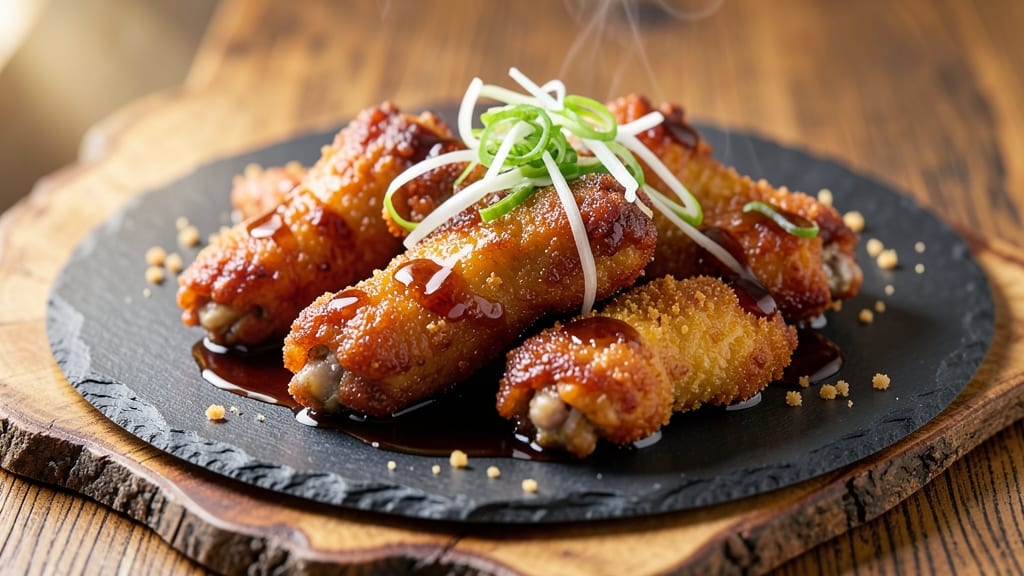
Japanese fried chicken wings deliver that crispy golden crunch we all crave without the deep-frying mess—just like the tonkatsu-style wings from Tokyo’s best izakayas. 🌟 I perfected this technique after years of studying Japanese frying methods, where the secret lies in a precise double-fry and the right panko ratio.
The result? Wings that stay crispy even after resting, with a tender interior that melts in your mouth.
What sets these wings apart is the marinade—a balance of soy sauce, mirin, and a touch of sake—that infuses flavor deep into the meat before the breading. The panko crust isn’t just for show; it’s lightly seasoned with garlic powder and paprika for that signature Japanese crunch.
Frying at 350°F ensures even cooking, while the second fry at 375°F locks in that restaurant-quality crispiness. No need for special equipment—just a deep fryer or heavy pot and patience.
By the time you’re done, you’ll have wings that are golden, shatteringly crisp, and impossible to resist. The sauce options—from classic tonkatsu to spicy mayo or sweet honey glaze—let you customize every bite.
These wings are perfect for game day, dinner parties, or a solo indulgence when you’re craving something extra special. Let’s get started on that crispy perfection.
One of the best parts? These wings reheat beautifully—just toss them in the oven for a few minutes to restore that crispy exterior. The technique works for thighs too, so don’t limit yourself to wings. Whether you’re feeding a crowd or treating yourself, this recipe delivers every time.
Ingredients for japanese fried chicken wings
Golden, crispy wings start with just these flavor-packed ingredients—no shortcuts needed!
| Ingredient | Amount | Notes |
|---|---|---|
| Chicken Wings 🍗 | 2 lb | Split into drumettes and flats, skin-on |
| Japanese Panko Breadcrumbs 🍞 | 2 cups | Extra fine for perfect crunch |
| All-Purpose Flour 🌾 | 1 cup | For dredging before panko |
| Large Eggs 🥚 | 2 whole | Room temperature for even coating |
| Japanese Soy Sauce 🥄 | ½ cup | Kikkoman preferred for balance |
| Mirin 🍶 | ¼ cup | Sweet rice wine, not sub with honey |
| Dry Sake 🍶 | ¼ cup | For authentic umami depth |
| Garlic Powder 🧄 | 1 tbsp | Freshly ground preferred |
| Paprika 🌶️ | 1 tsp | Smoked variety for color |
| Ground Black Pepper 🌶️ | ½ tsp | Freshly cracked for bite |
| Vegetable Oil 🫒 | 4 cups | High smoke point for frying |
| Kosher Salt 🧂 | 1 tbsp | For seasoning marinade |
| Lemon Wedges 🍋 | 2 whole | For serving, optional |
The chicken is non-negotiable—skin-on wings make all the difference for that crispy exterior. Costco or Trader Joe's have great pre-split packs, but if buying whole, separate them yourself. For the marinade, mirin is essential (don't sub with honey—it won't mimic the sweet-savory balance). Grab Kikkoman soy sauce if you can—it's the gold standard for Japanese cooking. The panko? Japanese-style (like Kikkoman or Shinmai) is lighter and crispier than regular breadcrumbs—worth the trip to the Asian market if you're serious about that izakaya crunch.
No mirin? Dry white wine plus 1 tsp sugar gets you close, but it won't be identical. Running out of sake? Dry sherry works in a pinch, though it's slightly sweeter. For the breading, if you can't find Japanese panko, regular panko plus 1 tbsp cornstarch mimics the texture. The vegetable oil needs to be high smoke point—Avocado oil or peanut oil are perfect. And here's a pro tip: Keep your frying oil at 350°F—any hotter and it burns before it crisps. Use a thermometer; don't guess!
These wings reheat like a dream—just 5 minutes at 400°F restores that crispy magic. Store leftovers in an airtight container with paper towels between layers to keep them dry. They stay crispy for 2 days, but honestly? You'll eat them all before then. For the marinade, make it 1 day ahead—the flavors deepen overnight. And if you're making a crowd version, double the oil but keep the temperature steady—rushing the fry is what makes wings soggy.
Why You'll Love This Recipe
- No-Fry Stress Zone: Honestly, the triple-dredge method—flour, egg, then that ultra-fine Japanese panko—makes coating so foolproof, even my roommate (who once burned toast) can nail it. No fancy tools, just three bowls and a little elbow grease. The marinade? Just toss the wings in, cover, and forget about it while you prep the rest.
- Umami Bomb: Between the dry sake and mirin in the marinade, plus the smoked paprika dusting, these wings hit like a flavor explosion. That crispy panko crust? It’s not just texture—it’s the perfect vessel for the deep, savory punch of the Japanese soy sauce. Trust me, one bite and you’ll forget about sad, dry fried chicken.
- Game-Day & Game-Nights: I serve these at everything from casual movie nights to my nephew’s birthday party, and they’re always the star. Toss a few in a bowl for a quick appetizer, or serve them as the main event with rice and steamed veggies. The lemon wedges make them feel fancy, but they’re still my go-to for when I want zero cleanup but maximum wow factor.
- Budget-Friendly Crunch: Two pounds of wings, panko, and a few pantry staples? This is the kind of recipe that stretches your dollar without sacrificing taste. And because the panko crust stays crispy for just long enough to share, you can make a big batch without leftovers turning into a sad, greasy mess. Win-win.
Step-by-step instructions for Japanese fried chicken wings
Here's how to achieve that legendary crispy golden crunch—no deep-frying mess required!
👨🍳 Step 1: Marinate the Wings for Maximum Flavor
In a large bowl, whisk together the ½ cup Japanese soy sauce, ¼ cup mirin, ¼ cup dry sake, 1 tbsp garlic powder, 1 tsp paprika, ½ tsp ground black pepper, and 1 tbsp kosher salt. This marinade is the secret to tender, flavor-packed wings—don't skip it!
Add the 2 lb chicken wings (split into drumettes and flats, skin-on) and toss to coat completely. Cover and refrigerate for at least 30 minutes (or up to 4 hours for deeper flavor). The acidity in the soy sauce and mirin will break down the proteins, ensuring juicy results even after frying.
🍳 Step 2: Create the Perfect Coating Station
Set up three shallow bowls: one with the 1 cup all-purpose flour, one with the 2 large eggs beaten lightly, and one with the 2 cups Japanese panko breadcrumbs. This triple-dredge method guarantees an extra-crispy crust that stays intact.
Remove the wings from the marinade (let excess drip off) and dredge each piece in the flour, shaking off any excess. Then dip into the egg wash, allowing any excess to drip off before pressing into the panko. The panko should adhere firmly—this is your golden ticket to that perfect crunch.
🔥 Step 3: Fry to Crispy Perfection
Heat 4 cups vegetable oil in a deep skillet or Dutch oven to 350°F—use a thermometer to monitor this carefully. The oil should shimmer but not smoke. Fry 6-8 wings at a time (don't overcrowd!) for 6-8 minutes, turning occasionally, until they reach 165°F internally and develop a deep golden brown crust.
Here's the thing—if the oil isn't hot enough, your wings will absorb oil instead of getting crispy. Watch for small bubbles around the wings and that beautiful golden color. Transfer fried wings to a wire rack set over a baking sheet to drain excess oil—this keeps them crispy, not greasy.
🥘 Step 4: Finish with Lemon and Serve Immediately
While still hot, squeeze the 2 lemon wedges over the wings for a bright, tangy finish. The acidity cuts through the richness and enhances all those savory flavors. Serve immediately with extra lemon wedges on the side—these wings are best enjoyed while the crust is at its peak crunch.
Real talk: These wings stay crispy for about 20 minutes, so don't make them ahead of time. The panko crust softens as it cools, so eat them straight from the fryer while everyone's gathered around. Trust me, you'll want every bite!
Pro Tips For Making Japanese Fried Chicken Wings
- Prep the Panko Right: After burning three batches of wings with clumpy panko, I learned: press the breadcrumbs into the egg-coated wings instead of just dipping. Use the back of a fork or your fingers to pack them tight—this locks in the crunch. (Yes, it looks messy, but the texture makes all the difference.)
- Don’t Rush the Marinate: The 30-minute minimum isn’t just a suggestion—it’s when the soy sauce and mirin start tenderizing the wings. I used to cut it to 15 minutes for convenience, and the results were tougher. If you’re short on time, at least let them sit uncovered on a rack for 10 minutes after marinating to dry the skin slightly—better adhesion for the crust.
- Watch the Oil Like a Hawk: That 350°F mark is non-negotiable, but here’s the real trick: if the oil starts smoking before the wings are golden, it’s too hot. Let it cool down 10 degrees and wait. I once fried wings in oil that was too aggressive, and they turned rubbery instead of crisp. A thermometer is your best friend—no guessing.
- Double-Dip the Flour: Skip the second flour dip at your peril. After the egg wash, give the wings another quick shake in the flour—this seals the egg and prevents a soggy crust. I was skeptical until I tried it: the first batch was fine, but the second batch stayed crisp for twice as long. (Your future self will thank you.)
Make-ahead tips for japanese fried chicken wings
Marinade Prep Ahead
I always make the marinade the night before—it’s one of my little tricks to save time.
Whisk together the ½ cup Japanese soy sauce, ¼ cup mirin, ¼ cup dry sake, 1 tbsp garlic powder, 1 tsp paprika, ½ tsp black pepper, and 1 tbsp kosher salt in a sealed container.
Store it in the fridge for up to 2 days—the flavors deepen overnight, and you’ll wake up to a ready-to-use marinade. Just toss in the wings and let them soak for 30 minutes before breading. This way, you’re not scrambling on game day! 💫
Breading Station Setup
Set up your breading station the morning of cooking to avoid last-minute chaos. Line three shallow bowls with parchment paper for easy cleanup—one for 1 cup all-purpose flour, one for 2 beaten eggs, and one for 2 cups Japanese panko.
If you’re making a big batch, double the panko but keep the egg and flour portions proportional. Pro tip: Sprinkle the panko with an extra ½ tsp garlic powder and ¼ tsp paprika right before breading for an extra flavor kick.
This setup ensures every wing gets that perfect triple-dredge treatment. ⏰
Oil Preheating Hack
Preheat your 4 cups vegetable oil in a deep skillet or Dutch oven while the wings are breading. Use a thermometer to hit 350°F—no guessing! If you’re short on time, use a deep fry thermometer like the Thermoworks Smoke for precision.
For extra crispiness, I sometimes do a quick "test fry" with a few wings to check the oil temp before the main batch. This ensures your wings fry evenly without absorbing oil. Trust me, this small step makes a world of difference! 🔥
Double-Fry Shortcut
If you’re making wings ahead of time, try this trick: Fry them once at 350°F for 6 minutes to cook through, then refrigerate them uncovered on a wire rack for 1 hour. This chills the wings quickly, which is key for crisping up later.
The second fry at 375°F for 3-4 minutes locks in that golden, shatteringly crisp exterior. Serve immediately or reheat at 400°F for 5 minutes to restore the crunch. This method works like a charm for meal prep! 💡
Leftover Magic
Leftover wings stay crispy for 2 days if stored properly—line an airtight container with paper towels and place the wings on top to absorb excess moisture. For a quick reheat, pop them in a 400°F oven for 5 minutes or air-fry at 375°F for 3 minutes.
Avoid microwaving—it turns the crust soggy. If you’re feeding a crowd, double the oil but keep the temperature steady; rushing the fry ruins the texture. These wings are too good to waste! 🍗
Nutrition facts
Frequently asked questions
Why does the marinade need mirin instead of honey?
Mirin is essential for that perfect sweet-savory balance—it's a sweet rice wine that enhances the umami depth from the soy sauce and sake. Honey lacks the delicate acidity and fermentation notes mirin provides, so it won't replicate the authentic Japanese flavor profile. Trust me, the difference is noticeable!
Can I use regular breadcrumbs instead of Japanese panko?
While you can, Japanese panko delivers that light, airy texture and extra crispiness. For a close substitute, mix regular panko with 1 tablespoon cornstarch to mimic the fine, dry consistency. The regular variety tends to be denser and absorbs more oil, which softens the crust faster.
How do I know when the oil is ready for frying?
Your oil is perfect when it reaches 350°F and shimmers gently around a wooden chopstick or thermometer. Test it by dropping a small piece of panko—it should sizzle and turn golden in 30 seconds. If it floats and crisps quickly, you're good to go! Overcrowding lowers the temp, so fry in batches.
Why do the wings need to rest before slicing?
Resting for 5-10 minutes after frying lets the juices redistribute evenly. Cutting too soon causes a messy, greasy experience. The crust also firms up slightly, making it easier to handle. Patience here ensures every bite is crispy on the outside and juicy inside!