
Main Courses
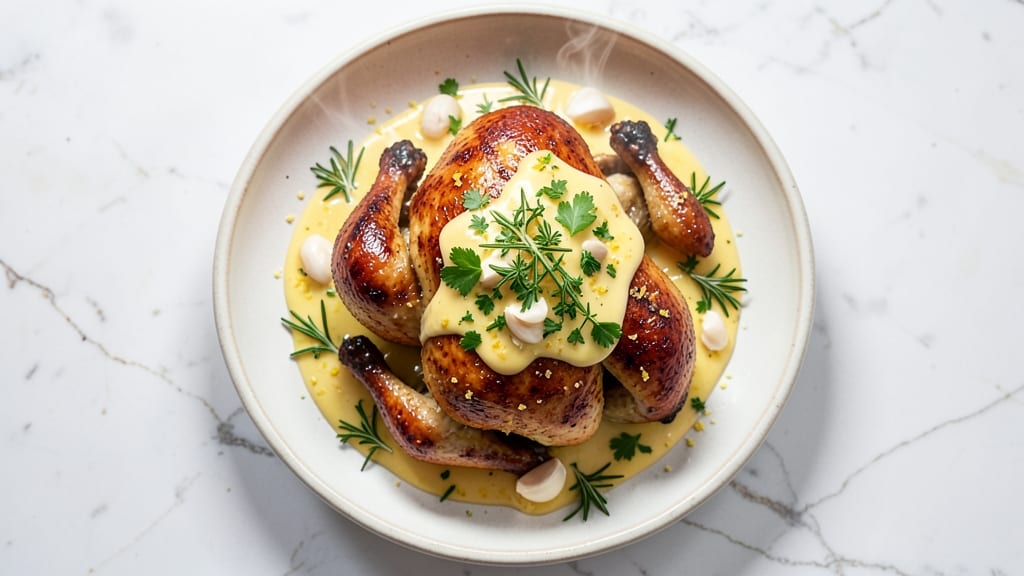
Ina Garten's herb-butter roast chicken delivers that perfect balance of crisp golden skin and juicy, flavorful meat that makes every dinner feel special.
After years of perfecting my grandmother's Sunday roast chicken, I've adapted Ina's signature herb-butter technique to create a dish that's both restaurant-worthy and completely foolproof for home cooks. The secret lies in the crispy skin achieved through precise oven temperature control and the aromatic herb butter that infuses every bite.
This recipe transforms a simple whole chicken into a showstopper with minimal effort. You'll start with a dry-brined chicken, which ensures maximum moisture retention, then coat it in a blend of fresh herbs and garlic butter that creates a fragrant crust.
The high-heat roasting method guarantees that crispy skin we all love, while the internal temperature gauge ensures perfect doneness every time. It's the kind of dish that makes weeknight cooking feel like an event.
By the time your chicken emerges from the oven, you'll have golden, crackling skin that gives way to tender, juicy meat infused with herbaceous flavors. The aroma alone will have everyone gathered around the table, and the presentation—with its crispy skin and golden-brown butter—is as impressive as it is delicious.
This is the kind of chicken that makes you feel like you've created something truly special without needing fancy techniques.
Serve with roasted vegetables or a simple salad to complete the meal. The herb butter can even be saved for future use on toast or pasta. Let's get started on creating this perfect herb-butter roast chicken that will become a new family favorite.
Ingredients for ina garten chicken
Golden crisp skin, juicy meat, and aromatic herb butter make this chicken unforgettable.
| Ingredient | Amount | Notes |
|---|---|---|
| Whole Chicken 🍗 | 4 lb | Fresh, preferably free-range |
| Unsalted Butter 🧈 | ½ cup | Cold, cut into pieces |
| Fresh Thyme Leaves 🌿 | ¼ cup | Finely chopped, stems removed |
| Fresh Rosemary 🌿 | ¼ cup | Finely chopped, fresh preferred |
| Fresh Parsley Leaves 🌿 | ¼ cup | Finely chopped, flat-leaf preferred |
| Garlic Cloves 🧄 | 6 cloves | Minced, fresh preferred |
| Lemon Zest 🍋 | 1 tbsp | Fresh, from organic lemon |
| Kosher Salt 🧂 | 1 ½ tbsp | For dry brine, coarse preferred |
| Black Peppercorns 🌶️ | 1 tsp | Freshly cracked, coarse grind |
| Olive Oil 🫒 | 2 tbsp | Extra-virgin, for basting |
| Fresh Lemon Juice 🍋 | 2 tbsp | Freshly squeezed, for basting |
The chicken is the star, so pick a 4-pound bird—smaller ones dry out, and bigger ones take forever. Whole Foods Market or your local butcher shop are great for quality birds. Look for bright red skin and firm flesh—no gray or slimy spots. Fresh is key here; frozen works in a pinch but thaw it overnight in the fridge. For the herbs, fresh is non-negotiable—dried just won’t give that same vibrant flavor. I grab mine from the grocery store’s produce section, but if you’re feeling fancy, Trader Joe’s has the best organic selection. The butter? Plugrá or Land O’Lakes unsalted are my go-tos—cold and cut into pieces for that perfect crust.
No fresh herbs? Dried thyme and rosemary at half the amount will work, but it’s not the same. Short on time? Pre-minced garlic from the jar is fine, but fresh is always better. The lemon zest can be swapped for 1 tbsp of lemon juice if you’re in a rush, but the zest adds that extra brightness. For the olive oil, any extra-virgin brand works—just avoid the super cheap stuff. The kosher salt is crucial for the dry brine; Diamond Crystal
This chicken is best made a day ahead—the dry brine is a game-changer. Store the chicken uncovered on a wire rack in the fridge for 12-24 hoursup to 3 days, or frozen for 3 months. Leftovers? Reheat gently in the oven at 325°F until warm—microwaving ruins that crispy skin. The herb butter leftovers? Slather it on toast or pasta—absolutely delicious.
Why You'll Love This Recipe
- Butter-Basted Simplicity: I swear by this method—just a whole chicken, butter, and herbs. No brining, no basting panics, just tossing everything in one pot and letting the butter melt into golden perfection. My lazy Sundays thank me.
- Herb-Infused Magic: That rosemary and thyme? They don’t just happen—they seep into the meat until every bite tastes like a hug from Ina’s kitchen. The parsley at the end? The cherry on top of a dish that’s already dangerously addictive.
- Leftovers That Shine: This chicken stays juicy for days, and honestly? That’s a win. Shred it for sandwiches, dice it into salads, or just reheat slices straight from the fridge—it’s still the star, no complaints.
- Budget-Friendly Feast: A whole chicken is cheaper than takeout, and the butter and herbs cost next to nothing. Here’s what sold me—you get a full meal for less than half the price of restaurant chicken, and it’s way better. (Yes, even on a Tuesday night.)
Step-by-step instructions for Ina Garten's herb-butter roast chicken
This is the method that delivers Ina Garten's legendary golden, crispy-skinned chicken with herb butter so rich it melts at the first bite.
Prepare the Herb Butter and Season the Chicken
In a small bowl, combine the 0.5 cup unsalted butter, 0.25 cup fresh thyme leaves, 0.25 cup fresh rosemary, 0.25 cup fresh parsley leaves, 6 cloves minced garlic, 1 tbsp lemon zest, 1.5 tbsp kosher salt, and 1 tsp black peppercorns. Mix well until the herbs are evenly distributed throughout the butter. This herb butter is what makes this chicken truly special—it infuses every bite with bright, aromatic flavor.
Pat the 4 lb whole chicken completely dry with paper towels, both inside and out. This step is crucial—moisture on the skin prevents that perfect crispy crust. Season the cavity generously with about half of the herb butter mixture, then rub the remaining butter all over the outside of the chicken, pressing it into the skin. Let the chicken sit at room temperature for 30 minutes while you preheat the oven. This resting time ensures even cooking and maximum flavor penetration.
Roast the Chicken at High Heat for Crispy Skin
Preheat your oven to 425°F with a rack positioned in the lower third of the oven. Place the chicken breast-side up on a wire rack set inside a rimmed baking sheet. The rack allows hot air to circulate underneath, ensuring crispy skin all around. Pour 2 tbsp olive oil into the bottom of the baking sheet—this creates steam that helps the skin crisp beautifully.
Roast the chicken for 1 hour, then carefully flip it over so the breast side is down. This technique helps render fat away from the breast meat, keeping it juicy. Continue roasting for another 30-45 minutes, until the skin is deep golden brown and crispy, and the internal temperature reaches 165°F when measured in the thickest part of the thigh. Don't open the oven door during cooking—every time you do, you lose heat and steam, which can make the skin soggy instead of crisp.
Baste and Finish for Maximum Flavor
About 20 minutes before the chicken is done, remove it from the oven and increase the temperature to 450°F. In a small saucepan, melt the remaining herb butter over low heat, then stir in 2 tbsp fresh lemon juice. Using a pastry brush, generously baste the chicken with this mixture, focusing on the crispy skin. Return the chicken to the oven and roast for another 10-15 minutes until the skin is deeply golden and the juices run clear when you pierce the thickest part of the thigh.
This basting step is what elevates this chicken from good to extraordinary—it locks in moisture while adding a bright, herby finish. The high heat at the end ensures that crispy skin you've worked so hard for. As the chicken roasts, the aromas will fill your kitchen with an irresistible scent that signals it's time to serve.
Rest and Serve for Juicy Perfection
Transfer the chicken to a cutting board and tent it loosely with foil. Let it rest for 15-20 minutes before carving. This resting time is essential—it allows the juices to redistribute throughout the meat, ensuring every bite is moist and flavorful. If you skip this step, the juices will pool in the bottom of your platter instead of staying in the chicken.
Carve the chicken into serving pieces, being careful to let the juices flow back into the meat. Serve immediately with the pan juices strained and reduced slightly if desired. The herb butter will have melted into a rich, golden sauce that pairs perfectly with roasted vegetables or buttery mashed potatoes. This is the kind of chicken that tastes even better the second day, but trust me—you won't want to wait that long!
Pro Tips For Making Ina Garten Chicken
- Start with Cold Butter: I learned this the hard way—adding cold butter cubes straight to the pan at the start of roasting creates a crisp, flavorful crust that melts into the chicken as it cooks. Skip the pre-melted shortcut; the temperature shock makes all the difference.
- Stuff the Cavity Right: Pack the chicken’s cavity with half the herbs (thyme, rosemary, and parsley) and a whole garlic clove if you’re using it—this guarantees the meat stays juicy and fragrant. (Yes, even if you’re impatient like me, don’t skip this step—it’s where the magic happens.)
- Don’t Crowd the Pan: If your chicken is big, use a larger roasting pan—crowding steams the skin instead of browning it. A snug fit means soggy butter and pale skin. Give it room to breathe, even if it means using a sheet pan instead.
- Baste Like You Mean It: Every 20 minutes, spoon that golden butter bath directly onto the skin—no lazy drizzling. The high heat of the butter is what caramelizes into that signature Ina Garten crust. (Your future self will thank you.)
Wine and beer pairings for ina garten chicken
White Wine Elegance
Ina Garten's herb-butter chicken pairs beautifully with crisp, aromatic white wines that complement the bright lemon and fresh herbs. I reach for a Chardonnay from Burgundy—specifically a Meursault—for its buttery texture and citrus notes that mirror the lemon zest in the herb butter.
The slight oakiness in a well-aged Chardonnay adds depth without overpowering the delicate chicken flavors. 🍷
For something lighter, a Sauvignon Blanc from New Zealand—like a Marlborough—brings vibrant acidity that cuts through the richness. The zesty grapefruit and herbal undertones enhance the thyme and rosemary in the chicken.
If you prefer something even more refreshing, a Pinot Grigio from Alto Adige offers crispness with a touch of almond, balancing the dish perfectly.
Crisp Lager Pairings
Beer lovers will adore this chicken with a German Pilsner like Warsteiner or Bitburger. The clean, crisp malt profile and subtle hop bitterness provide a refreshing contrast to the rich herb butter. The carbonation also helps cleanse the palate between bites, making it ideal for a hearty meal. 🍺
For a craft beer option, try a Belgian Witbier like Hoegaarden. The coriander and orange peel notes complement the lemon and herbs beautifully, while the slight effervescence keeps the meal feeling light. Avoid heavy stouts or dark ales—they'll overpower the delicate flavors of the chicken.
Red Wine Options
If you prefer red wine, opt for a light-bodied Pinot Noir from Oregon's Willamette Valley. The bright acidity and red fruit notes won't compete with the chicken's herbaceous flavors.
Look for a Pinot Noir with 12-13% ABV—something like Domaine Serene—to ensure it's smooth enough to pair without dominating.
Avoid heavy reds like Cabernet Sauvignon or Syrah—they'll clash with the chicken's delicate herb butter. Instead, stick to lighter, fruit-forward reds that enhance rather than overpower the dish. The key is balance, and these wines achieve it perfectly.
Non-Alcoholic Pairings
For a non-alcoholic option, a sparkling apple cider like Martinelli's adds a festive touch while complementing the chicken's flavors. The crisp acidity and slight sweetness mirror the lemon in the herb butter.
I also love serving it with a sparkling water infused with cucumber and mint—it's refreshing and keeps the meal light. 💧
For something more substantial, try a cucumber-mint infused iced tea. The cooling effect balances the richness of the chicken, while the mint echoes the fresh herbs in the recipe. These options are perfect for guests who prefer not to drink alcohol but still want to enjoy the meal's flavors.
Nutrition facts
Frequently asked questions
Can I use bone-in or boneless chicken thighs for this recipe?
This recipe is designed for a whole chicken to achieve that signature crispy skin and juicy meat. However, if you prefer thighs, use bone-in, skin-on thighs (about 6-8 pieces) for the best texture. Roast them at 425°F for 35-40 minutes, flipping halfway, until golden and reaching 175°F internally. Boneless thighs work but won’t have the same crispy skin.
Why does the chicken need to sit uncovered in the fridge overnight?
The 12-24 hour dry brine is Ina Garten’s secret for ultra-juicy meat. The salt draws moisture to the surface, which then evaporates, creating a concentrated flavor and crispy skin. Skipping this step can result in dry chicken. If short on time, dry brine for at least 4 hours—just don’t skip it entirely!
What if my oven doesn’t go up to 450°F for the final crisp?
No problem! If your oven maxes out at 425°F, just increase the cooking time by 5-10 minutes during the final basting step. Use a broiler for 2-3 minutes at the very end (watch closely!) to get that golden finish. The key is high heat—just adapt the method to your tools.
Can I make this recipe ahead of time?
Roast the chicken 1 day ahead and store it uncovered at room temperature (covered loosely with foil) to keep the skin crispy. Reheat in a 325°F oven for 20-25 minutes until warmed through. The herb butter leftovers? Store them in the fridge for 3 days or freeze for 3 months—perfect for toast or pasta!
What’s the best way to reheat leftover herb butter?
Gently warm the herb butter in a small saucepan over low heat for 1-2 minutes—just until melted. Avoid high heat to prevent burning the herbs. For extra flavor, stir in a splash of lemon juice before serving. It’s even better the second day, especially on crusty bread or roasted potatoes!