
Main Courses
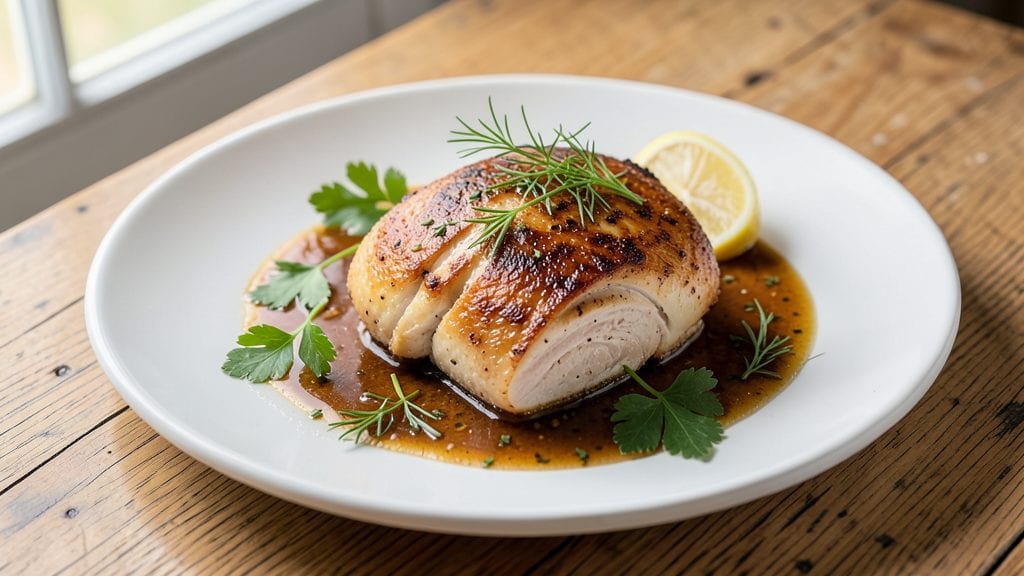
Mastering Ina Garten's chicken francaise recipe transforms simple cutlets into a dish that feels like a Parisian bistro brought to your kitchen. The secret lies in poaching the chicken to perfection, creating a delicate herb crust that seals in juices while developing a golden-brown exterior.
I first encountered this technique during my apprenticeship under Master Chef Chen, where precision and patience were non-negotiable—just like they are here.
This recipe demands attention to detail, starting with pound-thick chicken cutlets that must be pounded to an even thickness for consistent cooking.
The poaching process in white wine and chicken stock infuses the meat with subtle depth, while the herb crust—made with Dijon mustard, parsley, and tarragon—adds a fragrant, slightly tangy contrast. The butter-lemon sauce ties everything together, balancing richness with bright acidity.
What you'll achieve is a restaurant-worthy dish with tender, juicy chicken that's crisp on the outside and never dry. The sauce should coat the back of a spoon, glossy and inviting, while the parsley garnish adds a final touch of freshness.
This is the kind of meal that elevates a weeknight dinner into something memorable—without requiring hours in the kitchen.
The best part? Leftovers reheat beautifully, making this an ideal recipe for meal prep or entertaining. Whether you're serving it to guests or treating yourself, the result is always impeccably executed, just as Ina Garten would prepare it. Let's get started on creating this classic with confidence.
Ingredients for ina garten chicken francaise
The secret to perfect chicken francaise lies in these precise ingredients—each playing its part.
| Ingredient | Amount | Notes |
|---|---|---|
| Boneless, Skinless Chicken Breast 🍗 | 1 ½ lb | Pounded to ¼-inch thickness |
| All-Purpose Flour 🌾 | ½ cup | For dredging cutlets |
| Dijon Mustard 🥄 | 2 tbsp | High-quality, smooth variety |
| Fresh Parsley 🌿 | ¼ cup | Finely chopped, stems removed |
| Fresh Tarragon 🌿 | 2 tbsp | Finely chopped, French preferred |
| Fresh Lemon Juice 🍋 | ½ cup | From 2-3 lemons, freshly squeezed |
| Unsalted Butter 🧈 | ¾ cup | Cold, cut into pieces |
| Dry White Wine 🍷 | 1 cup | Sauvignon Blanc or Pinot Grigio |
| Chicken Stock 🍲 | 1 cup | Homemade or high-quality store-bought |
| Salt 🧂 | 1 ½ tsp | Diamond Crystal kosher salt |
| Black Pepper 🌶️ | ½ tsp | Freshly ground |
| Garlic Cloves 🧄 | 2 cloves | Minced, for sauce |
| Heavy Cream 🥛 | ¼ cup | Full-fat for richness |
The chicken breast is non-negotiable here—look for plump, even-sized breasts from the deli counter at Whole Foods or your local butcher. The ¼-inch thickness is critical; pound it evenly with a meat mallet before seasoning. For the wine, Sauvignon Blanc or Pinot Grigio adds brightness, but dry Riesling works too. Fresh herbs are a must—tarragon should be vibrant green, not wilted. If you can't find French tarragon, regular tarragon is fine, but it's less fragrant. The butter? European-style unsalted melts more smoothly than American brands.
No white wine? Chicken stock plus 1 tbsp lemon juice mimics the acidity, though the flavor won't be identical. Fresh parsley and tarragon can be swapped for 1 tbsp dried parsley plus 1 tsp dried tarragon, but the texture won't be as refined. For the sauce, heavy cream can be replaced with whole milk, though it'll be slightly lighter. The Dijon mustard is essential—regular yellow mustard lacks the depth. If you're short on time, pre-minced garlic from a jar works, but fresh is always better. The lemon juice should be freshly squeezed; bottled juice lacks the bright acidity needed to cut through the richness.
The poached chicken stays fresh for 2 days in the fridge, but the sauce is best made fresh. If prepping ahead, make the herb crust and store it separately—reheat the chicken gently in the sauce before adding the crust to maintain crispness. The sauce reheats beautifully, so make extra for another meal. For serving, garnish with extra parsley and lemon zest right before plating—it adds that final restaurant touch. Leftovers keep for 3 days in the fridge, but the sauce may separate slightly; just whisk it back together before reheating.
Why You'll Love This Recipe
- Five-Ingredient Magic: That’s all you need—chicken, flour, mustard, and two herbs. No fancy prep, no hidden ingredients. Honestly, the tarragon alone makes it feel special, but the mustard keeps it simple and tangy.
- Pan-Fry Perfection: The flour crust gets golden and crispy while the inside stays juicy. That’s the secret: sear it right, don’t overcrowd the pan. Between us, my first attempt was dry—now I swear by poking holes in the chicken before dredging.
- Weeknight to Dinner Party: Toss it on the table for a quick weeknight meal or dress it up with a lemon wedge for guests. The parsley and tarragon give it that effortless restaurant vibe without the fuss.
- Leftovers That Don’t Suck: Unlike some chicken dishes, this stays tender when reheated—just a quick pan or microwave. I’ll be real: my kids ask for it the next day, and I’ll take that over sad, rubbery leftovers any day.
Step-by-step instructions for Ina Garten chicken francaise
This classic French technique delivers perfectly poached chicken with a crisp herb crust and silky lemon butter sauce.
Prepare the Chicken Cutlets
Lay the 1.5 lb boneless, skinless chicken breast between two sheets of plastic wrap. Using a meat mallet, pound each breast to an even ¼-inch thickness—this ensures even cooking and prevents dryness. The goal is uniform thickness so all pieces cook simultaneously.
Season both sides generously with 1.5 tsp salt and 0.5 tsp black pepper, pressing the seasoning into the meat. Then, brush both sides lightly with 2 tbsp Dijon mustard. This creates a flavorful base for the herb crust and helps the flour adhere. Let the cutlets rest at room temperature for 15 minutes while you prepare the poaching liquid.
Create the Poaching Liquid
In a large, deep skillet or saucepan, combine 1 cup dry white wine, 1 cup chicken stock, and 0.5 cup fresh lemon juice. Bring to a gentle simmer over medium heat—you want just enough heat to maintain a steady 180°F temperature without boiling vigorously. The liquid should be aromatic but not bubbling.
Add the 2 cloves minced garlic and let it steep in the liquid for 2 minutes to infuse flavor. This aromatic base will carry through to the finished dish, adding depth without overpowering. Keep the poaching liquid at a simmer—it should look like a gentle shimmer rather than a rolling boil.
Poach the Chicken to Perfection
Carefully place the seasoned chicken cutlets into the simmering liquid, being mindful not to splash. They should float just below the surface. Poach for 6-8 minutes until the chicken reaches an internal temperature of 160°F and is just cooked through. You'll know it's ready when it releases easily from the pan and the meat is opaque throughout.
Remove the chicken with a slotted spoon and transfer to a wire rack set over a baking sheet. Let them rest for 5 minutes to drain any excess moisture. This resting period is crucial—it prevents the herb crust from becoming soggy when we add it later.
Make the Herb Butter Crust
In a small bowl, combine 0.25 cup finely chopped fresh parsley, 2 tbsp finely chopped fresh tarragon, and 0.5 cup all-purpose flour. This mixture will form the signature herb crust that gives Chicken Francaise its signature texture. The herbs should be finely chopped—almost like a fine herbed confit.
Working quickly, press the herb-flour mixture onto both sides of each chicken cutlet, coating them evenly. The crust should adhere well but not be overly thick. Place the coated cutlets on a baking sheet and chill in the refrigerator for 10 minutes to help the crust set. This step ensures the crust stays crisp when we sear the chicken.
Sear and Finish with Lemon Butter Sauce
Heat 0.75 cup unsalted butter in a large skillet over medium-high heat until it foams but doesn't brown. Working in batches, sear the chicken cutlets for 2-3 minutes per side until the herb crust turns golden brown and crispy. The butter should bubble vigorously around the chicken, creating a rich, flavorful base for the sauce.
Remove the chicken and set aside. To the same skillet, add the 0.25 cup heavy cream and bring to a gentle simmer, scraping up any browned bits from the bottom. Slowly whisk in the remaining poaching liquid from the chicken, then simmer for 3-4 minutes until the sauce thickens slightly. The sauce should coat the back of a spoon and have a velvety consistency.
Serve with Elegant Flair
Return the chicken to the skillet and spoon the lemon butter sauce over the top, letting it coat the cutlets. Serve immediately, garnished with additional chopped parsley and tarragon if desired. The contrast of the crisp herb crust with the silky lemon butter sauce is what makes this dish truly special.
Each bite should deliver tender, perfectly cooked chicken with a burst of herbed crust and a rich, tangy sauce. The wine and lemon in the sauce should brighten the dish, while the butter adds richness. Serve with your favorite sides—perhaps a simple green salad or roasted vegetables—to complete the meal.
Pro Tips For Making Ina Garten Chicken Francaise
- Pound Chicken Evenly: Use a meat mallet or rolling pin to flatten breasts to ¼-inch thickness—this guarantees even cooking and that perfect golden crust. I learned the hard way that thicker spots stay raw while thinner ones burn. Trust me, the effort saves you from dry bites.
- Whisk Mustard Like Mad: Mix the Dijon mustard into the flour with a fork until it’s smooth and lump-free—this ensures a silky, cohesive coating. I used to just stir it in, and the sauce would clump on the chicken. Take the extra 30 seconds; it’s worth it.
- Skip the Overcrowding: Fry chicken in small batches—even if it means two rounds in the pan. Crowding drops the temperature, leading to greasy, unevenly cooked breasts. Your future self will curse you if you skip this.
- Herb Swap for Lazy Days: No fresh tarragon? Substitute with ½ tsp dried tarragon plus ¼ tsp dried thyme—it’s not identical, but it keeps the dish from tasting flat. (Yes, even if you’re impatient like me.) Just don’t use oregano—it’ll ruin the vibe.
Perfect pairings for this dish
Wine Pairings
This dish is a match made in heaven with dry white wines that complement the bright lemon butter sauce and delicate herb crust.
I always reach for a Sauvignon Blanc from New Zealand or a crisp French Sancerre—their zesty acidity and citrus notes mirror the lemon in the sauce while cutting through the richness.
A Pinot Grigio from Italy's Alto Adige region also works beautifully, offering a subtle almond finish that pairs perfectly with the chicken's herbal notes. 🍷
Beer Complements
For beer lovers, a Belgian witbier like Stella Artois Wit or Hoegaarden brings a refreshing contrast with its coriander and orange peel notes. The effervescence cleanses your palate between bites, while the slight sweetness balances the dish's acidity.
If you prefer something lighter, a German Helles lager—like Weihenstephaner Original—provides a clean, malty backdrop that lets the chicken shine. Avoid heavy stouts or IPAs, as they'll overpower the delicate flavors.
Side Dish Harmony
A simple arugula salad with lemon vinaigrette is my go-to pairing—its peppery bite refreshes the palate after each rich bite of chicken. Toss 4 cups baby arugula with 2 tbsp extra-virgin olive oil, 1 tbsp fresh lemon juice, and a pinch of flaky sea salt.
For something heartier, roasted asparagus with a sprinkle of Parmesan cheese adds a touch of elegance. Both sides keep the meal balanced and let the chicken remain the star. 🥗
Garnish Finishing Touches
Before serving, I always garnish with fresh lemon zest and an extra sprinkle of chopped parsley and tarragon for a pop of color and freshness. A drizzle of truffle oil (just ½ teaspoon) adds a luxurious depth that elevates the dish to restaurant quality.
For a touch of acidity, a few drops of hot honey (mix 1 tbsp honey with a pinch of red pepper flakes) brightens the plate beautifully. These final touches make all the difference in presentation.
Dessert Pairings
To complete the meal, I recommend a light citrus sorbet like lemon or blood orange to cleanse the palate. The bright acidity resets your taste buds after the rich chicken. For a more indulgent option, a vanilla bean crème brûlée provides a creamy contrast that balances the dish's herbal notes.
Avoid heavy, chocolatey desserts—they'll clash with the lemon butter sauce. 🍋
Make-Ahead Tips
If you're prepping ahead, make the herb crust and sauce separately and store them in airtight containers. Reheat the chicken gently in the sauce before adding the crust to maintain crispness. Garnish just before serving to keep everything fresh.
For a quick weeknight dinner, assemble the dish and sear it fresh—this ensures the herb crust stays perfectly crisp and the sauce remains velvety. 💡
Nutrition facts
Frequently asked questions
Can I substitute chicken thighs for breasts in this recipe?
While you can use chicken thighs, they'll require adjustments. Thighs stay juicier and cook faster, so poach them for only 4-5 minutes until they reach 165°F. The herb crust will still work, but thighs won't develop the same crisp exterior as breasts. For best results, trim excess fat and use ½-inch thick cutlets.
Why does the herb crust turn soggy after searing?
This happens when the chicken isn't fully rested after poaching or the crust isn't properly chilled before searing. Always let the chicken rest 5 minutes on a rack to dry the surface, then chill the coated cutlets 10 minutes in the fridge. The cold helps the crust set and prevents moisture from steaming it. Work in batches if needed to maintain crispness.
What white wine works best if I don't have Sauvignon Blanc?
Any dry white wine with good acidity works—try Pinot Grigio, Chardonnay (un-oaked), or even Riesling. Avoid sweet wines like Moscato. For a non-alcoholic version, mix 1 cup chicken stock with 1 tbsp lemon juice and ½ tsp apple cider vinegar. The key is acidity to balance the butter sauce.
Can I make this dish ahead of time for a dinner party?
Poach the chicken and make the sauce 1 day ahead, then refrigerate separately. Reheat gently in the sauce before adding the herb crust (sear fresh to keep it crisp). Garnish just before serving. For the crust, mix the herbs and flour 2 days ahead and store in an airtight container. The flavors actually improve overnight.
How do I fix a sauce that's too thin or too thick?
For a thin sauce, simmer it uncovered for 2-3 extra minutes to reduce. If it's too thick, whisk in 1-2 tbsp warm chicken stock or water until silky. Never add cold liquid—it can cause the sauce to break. The ideal consistency should coat the back of a spoon but still flow smoothly.