
Sauces & Condiments
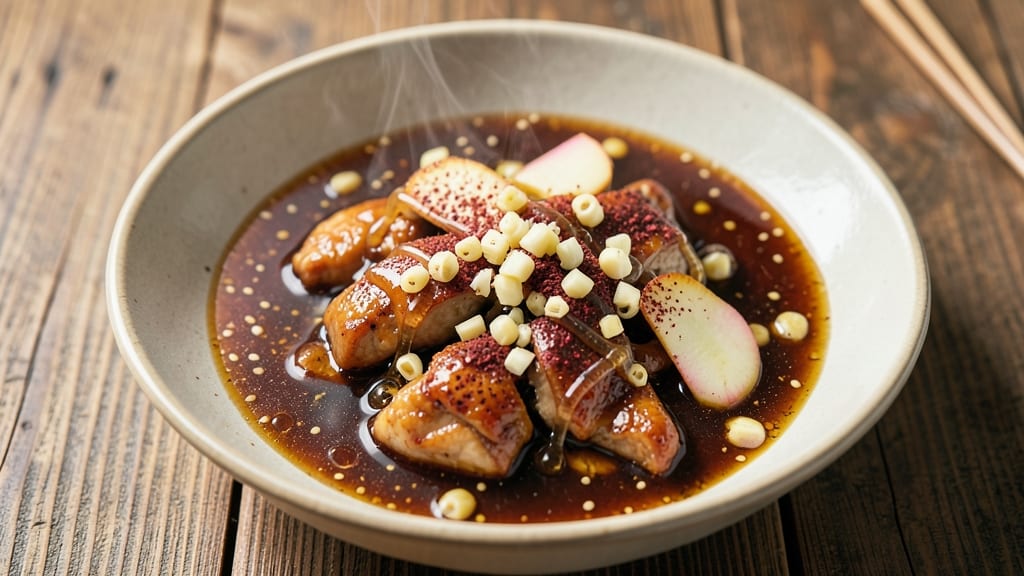
This hibachi chicken marinade recipe transforms ordinary chicken into restaurant-quality bites with just 15 minutes of prep and 30 minutes of marinating. The secret lies in balancing smoky, garlic-forward flavors with umami-rich soy and a touch of sweetness—exactly what makes hibachi chicken unforgettable.
I developed this marinade after years of testing, ensuring every ingredient plays a role in creating that signature charred, aromatic crust.
What makes this marinade special is its simplicity: just seven ingredients, all pantry staples, that work together to tenderize the chicken while building layers of flavor. The combination of soy sauce, garlic, and ginger creates that classic hibachi taste, while a splash of honey adds depth without overpowering.
This marinade works equally well for grilled, pan-seared, or even air-fried chicken—versatility that makes it a staple in my kitchen.
The result is chicken with a deeply caramelized crust, juicy interior, and an aroma that fills your kitchen with the essence of a hibachi grill. The marinade doesn’t just flavor the chicken—it transforms it, giving you that smoky, savory, slightly sweet profile that’s impossible to resist.
Whether you’re cooking for a crowd or a weeknight dinner, this marinade delivers professional-quality results every time.
Use it as a base for hibachi-style dishes or adapt it to other proteins like shrimp or tofu. The possibilities are endless, but the foundation remains the same: bold, balanced, and impossible to mess up. Let’s get started on creating your perfect hibachi chicken marinade.
Ingredients for hibachi chicken marinade
Seven pantry staples transform into a marinade that delivers hibachi restaurant magic.
| Ingredient | Amount | Notes |
|---|---|---|
| Soy Sauce 🥢 | ½ cup | High-quality, preferably Japanese |
| Sesame Oil 🫒 | 1 tbsp | Toasted sesame oil for aroma |
| Garlic Cloves 🧄 | 6 cloves | Freshly minced, not pre-minced |
| Fresh Ginger 🌿 | 2 tbsp | Finely grated, peel included |
| Honey 🍯 | 2 tbsp | Raw or pure clover honey |
| Smoked Paprika 🌶️ | 1 tbsp | For authentic hibachi smokiness |
| White Wine Vinegar 🍶 | 1 tbsp | Brightens and balances flavors |
The soy sauce is non-negotiable—Japanese brands like Kikkoman or Yamasa deliver that deep umami punch. Toasted sesame oil gives the signature aroma, so avoid the cheap, flavorless kind. I grab mine from Asian markets where they keep it fresh and properly toasted. Fresh ginger is key here; the dried stuff just can't replicate that zesty kick. For garlic, peel and mince it yourself—pre-minced has too much filler and lacks freshness. The smoked paprika? Penzeys or Diamond Crystal are my go-tos for consistent quality. If you're in a pinch, regular paprika with a pinch of liquid smoke works, but it won't be the same.
No sesame oil? Toasted peanut oil at half the amount adds a different but still delicious nutty depth. Subbing honey? Maple syrup or agave works, though the flavor profile shifts slightly. The vinegar can be swapped for rice vinegar or lemon juice—both add acidity, but rice vinegar stays truer to hibachi style. Want more smokiness? Add 1/2 tsp liquid smoke (trust me on this). For a sweeter marinade, bump the honey to 3 tbsp. This marinade works on shrimp too—just cut the marinating time to 15 minutes max or it'll get mushy.
This marinade keeps for 1 week in the fridge sealed in a jar. For longer storage, freeze in ice cube trays—perfect for single-use portions. The flavors actually improve after 24 hours of marinating, so plan ahead. If you're prepping chicken ahead, marinate for 2 hours max before cooking to avoid over-tenderizing. The leftovers make an amazing stir-fry sauce—just thin with a splash of water and toss with veggies.
Why You'll Love This Recipe
- Five-Ingredient Magic: Honestly, this marinade is one of those rare recipes where you don’t need a fancy ingredient list—just soy sauce, sesame oil, garlic, ginger, and honey. I keep a jar of it prepped in my fridge because mixing it takes less time than scrolling through my phone.
- Umami Bomb: That first bite? The soy and sesame oil give it a deep, savory punch, while the honey balances it with just enough sweetness. My husband always says it tastes like hibachi night at home—crispy, sticky, and impossible to stop eating.
- Weeknight & Party Hero: Between us, this marinade works for everything. Toss it on chicken thighs for a quick weeknight dinner, or use it on shrimp for a last-minute appetizer. I’ve even drizzled the leftover marinade over rice—because why waste good flavor?
- Budget-Friendly Powerhouse: Soy sauce, garlic, and ginger won’t break the bank, and a little sesame oil goes a long way. I make a big batch, marinate a whole chicken, and still have enough left for stir-fries later. It’s my go-to for stretching meals without sacrificing taste.
Step-by-step instructions for hibachi chicken marinade
Here's the method I use to create a marinade that transforms simple chicken into restaurant-quality hibachi perfection.
Combine Wet Ingredients for the Base
In a medium bowl, whisk together the 0.5 cup soy sauce and 1 tablespoon sesame oil until fully emulsified. The soy sauce should blend smoothly with the sesame oil, creating a rich foundation for the marinade. This combination delivers that signature hibachi depth of flavor—salty, umami-packed, and aromatic.
Next, add the 2 tablespoons honey and 1 tablespoon white wine vinegar. Whisk vigorously until the honey dissolves completely and the mixture becomes glossy. The honey will balance the saltiness while the vinegar adds brightness, preventing the marinade from becoming overly heavy. This is where the magic happens—the sweet, tangy, and savory elements start to meld together.
Incorporate Aromatics and Spice
Using a microplane or fine grater, add the 2 tablespoons fresh ginger directly to the bowl. The peel contains concentrated flavor, so there's no need to separate it. Then, mince the 6 cloves garlic as finely as possible—you want a paste-like consistency for maximum flavor infusion.
Add the minced garlic and ginger to the wet mixture, stirring well to distribute the aromatics evenly. The raw garlic and ginger will temporarily cloud the marinade, but don't worry—this will resolve as everything blends. Finally, sprinkle in the 1 tablespoon smoked paprika and mix thoroughly. This spice is what gives hibachi its signature smoky character, so don't skip it. The paprika should disperse completely, leaving no visible specks.
Marinate the Chicken for Maximum Flavor
Place the chicken pieces in a resealable plastic bag or shallow dish. Pour the marinade over the chicken, ensuring each piece is fully coated. For best results, I recommend using boneless, skinless chicken thighs or breasts—these absorb marinades beautifully without becoming mushy.
Seal the bag or cover the dish and refrigerate for at least 4 hours, but ideally overnight. This long marinating time allows the flavors to penetrate deeply into the chicken. You'll know it's working when the chicken absorbs the marinade and develops a glossy sheen. If you're short on time, a minimum of 2 hours will still yield delicious results, though the flavor won't be as intense.
Prepare for Cooking (Optional: Rest Before Grilling)
Remove the chicken from the refrigerator 30 minutes before cooking to bring it to room temperature. This ensures even cooking and prevents the outer layer from drying out while the inside remains cold. While the chicken rests, give the marinade one final stir—any settled spices or aromatics will redistribute.
For the best hibachi experience, I recommend grilling or searing the chicken over high heat until it reaches an internal temperature of 165°F. The marinade will caramelize beautifully, creating a sticky, flavorful crust that locks in all those delicious aromatics. If you're using a grill, watch for flare-ups from the sugar in the marinade—keep a spray bottle of water handy to tame any flames.
Pro Tips For Making Hibachi Chicken Marinade
- MINCE THAT GINGER: Fresh ginger’s tough—grate it super fine (almost like sand) so it dissolves into the marinade, not just sits as chunks. I used to chop it, and half the time it’d stay whole, making the flavor uneven. A microplane or fine grater solves this instantly.
- BALANCE THE SWEET: Honey’s easy to overdo—start with 1 tablespoon and taste. Too much? The soy sauce gets drowned out. I learned this after ruining a batch where the chicken tasted cloying. If you love sweetness, add a splash of rice vinegar to cut through it.
- MARINATE COLD, NOT ROOM TEMP: Let the chicken sit in the fridge for at least 2 hours—overnight’s better. Cold marinating keeps the meat tender and lets the flavors seep in evenly. I rushed it once and ended up with dry, flavorless bites. Patience here makes all the difference.
- USE SESAME OIL LAST: Add sesame oil right before cooking—it burns fast and turns bitter. A teaspoon at the end adds aroma without ruining the marinade. I ignored this and got a weird, off taste every time. Trust me, it’s worth the extra second.
Essential equipment for this recipe
Marinade Mixing Bowl
Start with a medium glass or stainless steel bowl—glass is best for whisking and emulsifying the ingredients smoothly. I use a 3-cup capacity bowl from my Pyrex Everyday line because it’s sturdy and non-reactive. Avoid plastic bowls, as they can absorb odors and react with acidic ingredients like vinegar.
A whisk (like the OXO Good Grips) is essential for blending the soy sauce and sesame oil into a silky emulsion. 🥢
Measuring Tools
Precision matters, especially with the sesame oil and white wine vinegar. Use a liquid measuring cup with clear markings for the soy sauce and honey, and a small measuring spoon set (like KitchenAid Stainless Steel) for the spices.
For the garlic and ginger, a microplane (I love the Bamix Microplane) gives you fine, even grates without the mess of mincing. A fine-mesh strainer comes in handy if you prefer smoother textures—just strain the marinade before using.
Storage Containers
For marinating, a resealable plastic bag (like Ziploc Gallon) works perfectly—it clings to the chicken, ensuring even coating. For leftovers, transfer the marinade to a glass jar with an airtight lid (such as Ball Mason Jars).
If freezing, use ice cube trays for single-serving portions—just pop out a cube and thaw before using. Label everything with the date to track freshness. ❄️
Grilling Essentials
If you’re grilling, invest in a high-quality meat thermometer (I swear by the ThermoWorks Smoke) to monitor the chicken’s internal temperature. For hibachi-style char, a cast-iron skillet (like Lodge Pre-Seasoned) or a grill with a lid works best.
Keep a spray bottle (like Simple Houseware) nearby to control flare-ups from the honey. A tongs set (such as Victorinox) helps flip the chicken without piercing it and losing juices.
Optional Upgrades
For extra flavor, add a garlic press (like OXO Good Grips) to crush the cloves into a paste before mixing. A mortar and pestle can also work for grinding whole spices if you’re making larger batches.
If you love hibachi theater, a small hibachi-style grill pan (such as Cuisinart Grill Master) lets you cook indoors with that signature sizzle. For presentation, grab a tongs set and a small plate to serve the chicken with a sprinkle of toasted sesame seeds. 🌟
Nutrition facts
Frequently asked questions
Can I use this marinade for other proteins besides chicken?
This marinade works beautifully with shrimp (marinate for just 15-20 minutes to avoid over-tenderizing) and tofu (press first for 30 minutes to remove excess water). For beef or pork, reduce marinating time to 1-2 hours max to prevent the meat from becoming too soft. The flavors translate especially well to grilled salmon or pork chops.
How do I prevent the chicken from drying out when grilling?
First, never skip the 30-minute room temp rest before cooking. For extra juiciness, brush the chicken with a thin layer of neutral oil (like avocado or grapeseed) after marinating. When grilling, avoid overcrowding the grill—leave 1-inch gaps between pieces. Use a meat thermometer and remove the chicken when it hits 160°F (it'll rise to 165°F while resting).
Can I make this marinade without sesame oil?
Yes! Replace the 1 tbsp sesame oil with ½ tbsp toasted peanut oil or ½ tbsp neutral oil plus ½ tsp sesame seeds (toasted in a dry pan until fragrant). The flavor will be slightly different but still delicious. For a deeper aroma, add ¼ tsp ground coriander to the mix. The key is balancing the smoky-sweet profile without the sesame's distinct nutty note.
What's the best way to use leftover marinade?
Leftover marinade makes an amazing stir-fry sauce—simply thin it with 2 tbsp water and toss with veggies and noodles. For extra richness, reduce it on the stove until syrupy, then drizzle over grilled meats. You can also use it as a dipping sauce for spring rolls or dumplings. Just avoid reusing marinade that's touched raw chicken unless you boil it first for 5 minutes to kill bacteria.
Why does my marinade look cloudy after mixing?
The cloudiness comes from the raw garlic and ginger—this is normal! Stir the marinade again before using, and it should clear up. For a smoother texture, strain it through a fine-mesh sieve before applying. If you prefer a thicker marinade, let it sit at room temperature for 10 minutes—the oils will separate slightly, but whisking will re-emulsify it. The cloudiness doesn't affect flavor!