
Sauces & Condiments
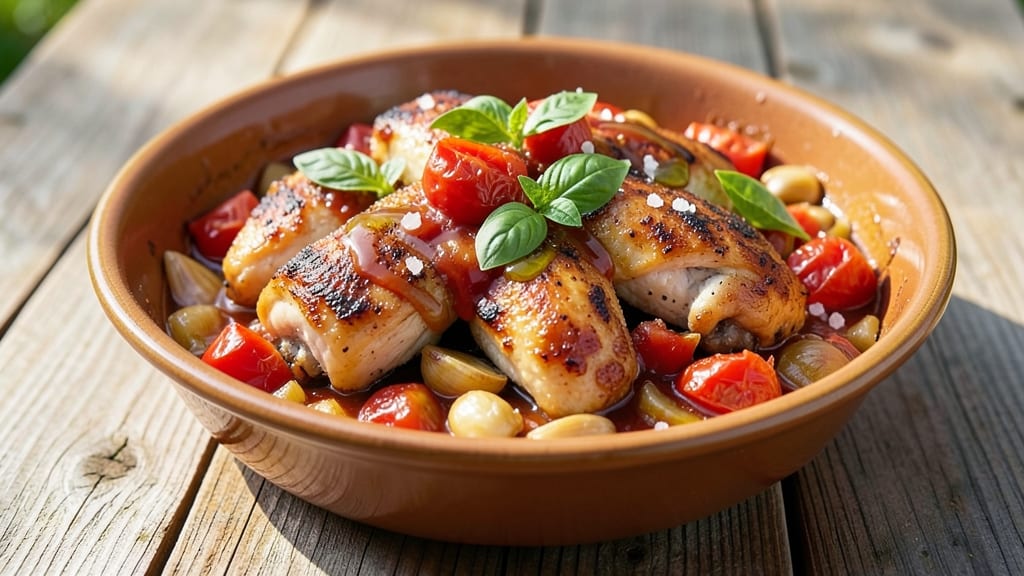
Grandma’s chicken cacciatore recipe with tomato sauce is the kind of dish that transforms a simple weeknight dinner into something truly special. The secret lies in slow simmering chicken with herbs, wine, and a rich tomato sauce until every bite is infused with deep, layered flavors.
I've spent years perfecting this recipe from her handwritten notes, ensuring it delivers restaurant-quality results without requiring hours in the kitchen.
What makes this dish truly remarkable is the balance of techniques that build complexity over time. First, we brown the chicken thoroughly to develop a deep, caramelized crust, then deglaze the pan to capture all those flavorful browned bits.
The sauce simmers for at least 45 minutes, allowing the tomatoes to break down into a velvety consistency while absorbing the aromatics from garlic, onions, and fresh herbs. This isn't just a tomato sauce—it's the heart of the dish.
By the time you're serving this cacciatore, you'll have tender chicken pieces swimming in a sauce that's rich, slightly tangy, and packed with herbal notes from thyme, rosemary, and bay leaves.
The wine adds just the right amount of acidity to cut through the richness, while the tomatoes provide natural sweetness. This is comfort food at its finest—warm, inviting, and full of the kind of flavors that make you want to linger at the table.
The beauty of this recipe is its versatility. Serve it over crusty bread to soak up every last bit of sauce, or pair it with al dente pasta for a heartier meal.
Either way, you'll have a dish that tastes like it's been simmering all day, even if you started with just a few simple ingredients. Let's recreate this classic family recipe together.
Ingredients for grandma's chicken cacciatore recipe with tomato sauce
Herbs, wine, and tomatoes—just a handful of ingredients for this deeply comforting family classic.
| Ingredient | Amount | Notes |
|---|---|---|
| Boneless Chicken Thighs 🍗 | 1 ½ lb | Cut into 1-inch pieces |
| Extra-Virgin Olive Oil 🫒 | ½ cup | For browning chicken |
| Yellow Onion 🧅 | 1 whole | Thinly sliced, about 1.5 cups |
| Garlic Cloves 🧄 | 4 cloves | Minced, not pre-minced jar |
| Dry Red Wine 🍷 | 1 cup | Bold like Cabernet Sauvignon |
| Canned San Marzano Tomatoes 🍅 | 2 cans | 28 oz each, crushed by hand |
| Fresh Thyme 🌿 | ¼ cup | Leaves only, stems removed |
| Fresh Rosemary 🌿 | ¼ cup | Chopped, not dried |
| Bay Leaves 🌿 | 2 whole | Fresh preferred, or dried |
| Tomato Paste 🍅 | 2 tbsp | Squeeze tube or canned |
| Salt 🧂 | 1 ½ tsp | Kosher or sea salt |
| Ground Black Pepper 🌶️ | ½ tsp | Freshly ground preferred |
| Fresh Basil 🌿 | ¼ cup | Chopped, for finishing |
| Crusty Bread 🍞 | 1 loaf | For serving, optional |
The chicken thighs are key—bone-in stays juicier, but boneless works too. Look for well-marbled thighs at the meat counter, not the pre-cut packages. I grab mine from Whole Foods or my local butcher when possible, but the regular grocery store stuff works fine. The San Marzano tomatoes? Worth the splurge for that sweet, meaty flavor. Trader Joe's carries them cheaply, or grab a case from Costco if you're making this often. The fresh herbs? Buy them in small bunches—they'll wilt fast, but you only need a little.
No red wine? Dry vermouth or even beef broth with a splash of balsamic works in a pinch. Fresh herbs wilted? Dried thyme and rosemary at half the amount get you close. The tomato paste can be the squeeze tube kind—Trader Joe's has the best, no mess, lasts forever. For the onions, yellow or red both work, but yellow has that classic cacciatore sweetness. The garlic? Freshly minced makes all the difference—skip the pre-minced jar stuff, it's sad.
This sauce tastes even better the next day—make extra and freeze portions. Keeps 5 days in the fridge or 3 months frozen. The bread? Warm it up in the oven for 5 minutes before serving—soaks up that sauce like a dream. I always make a double batch because it disappears fast. Leftovers reheat beautifully—just add a splash of water or wine to loosen the sauce.
Why You'll Love This Recipe
- One-Pan Magic: I swear by this recipe because it’s all about minimal cleanup—just one skillet, a splash of wine, and the chicken cooks right in the sauce. No fancy gadgets, no extra pots, just you, the stove, and that glorious smell filling your kitchen.
- Wine-Infused Richness: That dry red wine? It’s not just for show—it deepens the sauce into something ridiculously good, with layers of savory and a touch of brightness. The garlic and onions caramelize while the chicken gets tender, and honestly? It tastes like a hug in a bowl.
- Weeknight to Sunday: Between us, this recipe works for everything—a rushed Tuesday dinner, a potluck, or even a fancy-ish family gathering. Serve it over pasta, with crusty bread, or just as-is. My kids ask for it even when I’m not trying to impress.
- Leftovers That Don’t Suck: The sauce thickens beautifully when reheated, and the chicken stays juicy—no sad, dry bites here. I make a big batch, freeze half, and boom: dinner’s sorted for another night. Budget-friendly? Absolutely. Stress-free? Even better.
Step-by-step instructions for grandma's chicken cacciatore recipe
Here's how to create that rich, wine-infused tomato sauce with tender chicken—just like Nonna used to make.
Brown the Chicken for Maximum Flavor
Heat the 0.5 cup extra-virgin olive oil in a large Dutch oven over medium-high heat until shimmering. Add the 1.5 lb boneless chicken thighs cut into 1-inch pieces, working in batches if needed to avoid crowding. Let them sear undisturbed for 4-5 minutes until golden brown on one side—this creates that beautiful crust that holds all the flavors.
Flip the chicken and cook another 4-5 minutes until golden on the second side. Remove the chicken from the pot and set it aside on a plate. You'll notice the oil will look darker now—that's where all the flavor is building. Don't wipe out the pot; those browned bits are the foundation of your sauce.
Sauté the Aromatics and Deglaze
In the same Dutch oven, reduce heat to medium and add the 1 whole yellow onion sliced thinly. Cook for 5-6 minutes until softened and translucent. Add the 4 cloves garlic cloves that you've minced and cook for another 30 seconds until fragrant—you'll smell that wonderful garlic aroma filling your kitchen.
Pour in the 1 cup dry red wine and scrape up all those browned bits from the bottom with a wooden spoon. This deglazing step captures all that concentrated flavor that would otherwise stick to the pot. Let the wine simmer for 3-4 minutes until reduced by half—you're looking for about ½ cup of liquid remaining.
Build the Herb and Tomato Base
Stir in the 2 tbsp tomato paste and cook for 1 minute until it darkens slightly. Add the 2 cans crushed san marzano tomatoes (about 56 oz total), the 0.25 cup fresh thyme leaves, 0.25 cup fresh rosemary, 2 whole bay leaves, 1.5 tsp salt, and 0.5 tsp ground black pepper. Bring everything to a gentle simmer.
Return the browned chicken to the pot, nestling it into the sauce. The chicken will continue cooking as it simmers, absorbing all those wonderful flavors. Cover the pot and let it cook on low heat for 25-30 minutes, stirring occasionally, until the chicken is tender and the sauce has thickened slightly.
Finish with Fresh Herbs and Rest
Remove the 2 bay leaves and stir in the 0.25 cup fresh basil. Taste the sauce and adjust seasoning if needed—you might want to add a pinch more salt or a crack of black pepper. Let the cacciatore simmer uncovered for another 5-10 minutes to allow the flavors to meld and the sauce to thicken slightly.
Once the chicken is fork-tender and the sauce has reached your desired consistency, turn off the heat. Let the whole thing rest for 10 minutes—this allows the chicken to absorb any remaining sauce and become even more flavorful. Serve with warm 1 loaf crusty bread to soak up every last bit of that delicious tomato-herb sauce.
Pro Tips For Making Grandma'S Chicken Cacciatore Recipe With Tomato Sauce
- Salt the Chicken First: Toss those thighs with a teaspoon of kosher salt and let them sit uncovered on a plate for 15 minutes before cooking. I learned this the hard way—skipping it means the skin stays limp, and the meat never gets that tender, juicy finish you want in cacciatore. (Yes, even if you're impatient like me.)
- Sweat the Onions Low: Don’t rush the onion step—cook them over medium-low heat with a splash of water until they’re soft and translucent, not browned. After burning three batches, I finally figured out that patience here keeps the sauce from tasting bitter later. (And no, you can’t just crank the heat.)
- Deglaze with Wine Immediately: As soon as you remove the chicken, pour in that red wine and scrape every last bit of browned goodness from the pan. I skip this when I’m lazy, but the dish is noticeably better when I don’t—it’s what builds the rich, deep flavor in the sauce.
- Add Tomatoes Gradually: Don’t dump all the crushed tomatoes in at once. Start with half, simmer for 10 minutes, then add the rest. This keeps the sauce from turning watery and lets the flavors meld properly. (Your future self will thank you.)
Storing and reheating this dish
Refrigerator Storage
Let your cacciatore cool completely before transferring to an airtight container—I use glass Pyrex with snap-on lids. Store in the fridge for up to 5 days, but honestly? It tastes even better the second day as the flavors meld.
The sauce thickens slightly overnight, so you might want to add 1-2 tablespoons of water or wine when reheating to loosen it up. 💡
Freezer Prep
For long-term storage, freeze in quart-sized freezer bags or glass containers, leaving 1-inch headspace for expansion. Label with the date—this sauce keeps for 3 months without losing quality.
When you're ready to eat, thaw overnight in the fridge. I like to freeze the sauce and chicken separately so I can reheat just what I need. ❄️
Stovetop Reheating
My go-to method is stovetop because it brings back that restaurant-quality texture. Pour the cacciatore into a heavy pot, add ¼ cup water or wine, and simmer over medium-low heat for 10-15 minutes.
Stir occasionally and taste—you might need to adjust salt or pepper after reheating. The chicken should be piping hot, and the sauce should coat the back of a spoon. 🔥
Microwave Shortcut
For a quick fix, transfer to a microwave-safe dish and cover loosely with a damp paper towel. Heat on medium power for 3-4 minutes, stirring halfway. If it looks dry, add 2-3 tablespoons of water or broth and let it simmer for another minute.
The texture won't be as perfect as stovetop, but it's still delicious in a pinch. ⚡
Reviving Day-Old Sauce
If your sauce has thickened too much after refrigeration, stir in 1-2 tablespoons of water or wine and simmer for 2-3 minutes until it reaches your desired consistency. The chicken will soak up any extra liquid, so don't worry about over-diluting.
A splash of fresh lemon juice can also brighten up flavors if the sauce tastes flat. 💫
Serving Leftovers
Warm crusty bread in the oven for 5 minutes before serving—it soaks up the sauce like a dream. For extra flavor, sprinkle with fresh basil or a pinch of red pepper flakes right before eating.
Leftovers make great sandwiches the next day, too—just pile high on toasted bread with a side of greens. 🍞
Nutrition facts
Frequently asked questions
Can I use chicken breasts instead of thighs?
Chicken thighs are ideal because they stay juicy during the long simmering process. If you must use breasts, cut them into ½-inch pieces and cook them for 15-20 minutes less to prevent drying out. They'll still be tender but may absorb less sauce.
What if I don't have red wine?
No problem! Use 1 cup dry vermouth or substitute with ½ cup beef broth + ½ cup apple cider vinegar for acidity. A splash of balsamic vinegar also works well. The key is maintaining the same liquid volume and acidity balance.
How do I fix a sauce that's too thick?
Simply stir in 2-3 tablespoons of water, wine, or broth while reheating. The sauce should coat the back of a spoon but still be pourable. If it's too thin, simmer uncovered for 5-10 minutes to reduce it naturally.
Can I make this dish ahead of time?
This tastes even better the next day. Assemble and refrigerate for up to 5 days, or freeze for 3 months. Reheat gently on the stove with a splash of liquid to restore texture.
What's the best way to serve leftovers?
Pile over warm crusty bread or al dente pasta for a hearty meal. For sandwiches, use toasted ciabatta or a baguette. Add fresh basil or a sprinkle of red pepper flakes right before eating to brighten flavors.