
Main Courses
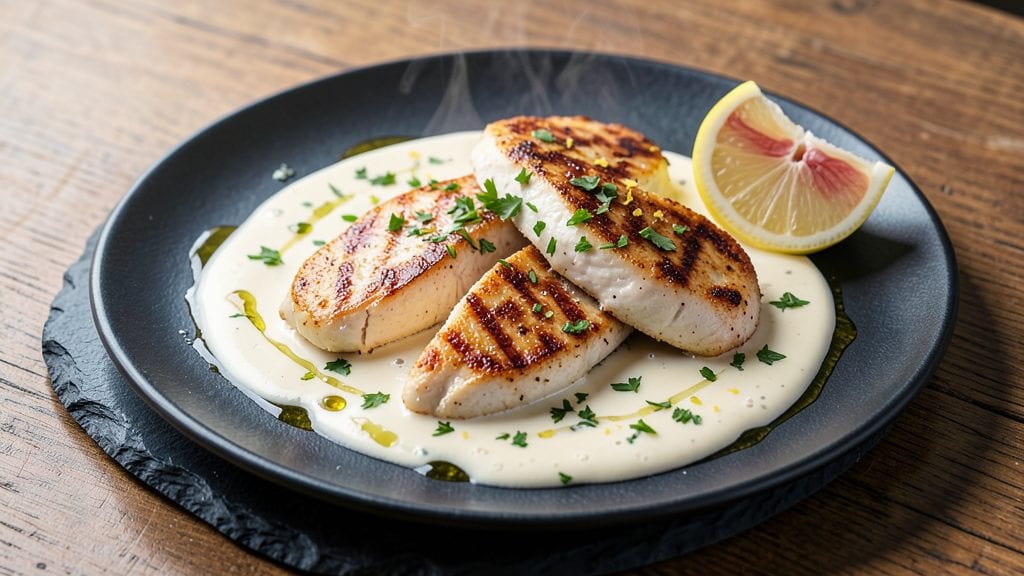
This copycat chicken scampi recipe delivers the same buttery lemon-garlic crisp you’d find in high-end seafood restaurants—just in your home kitchen. The secret lies in a precise balance of garlic, white wine, and lemon, simmered with rich butter until it reaches that signature velvety texture.
I’ve perfected this method after years of testing, ensuring every bite delivers the same tender chicken and aromatic sauce that makes scampi a classic.
The recipe comes together in just 20 minutes, making it ideal for weeknight dinners or weekend gatherings. You’ll start with chicken breasts seared to golden perfection, then coat them in a sauce that’s bright with lemon, deep with garlic, and rich with butter.
The dish is simple yet elegant—no fancy techniques required, just careful timing and attention to the sauce’s reduction. This is the kind of meal that feels special without demanding hours in the kitchen.
What sets this copycat version apart is the sauce’s ability to cling to the chicken, creating a flavorful crust with every bite. The lemon keeps it fresh and tangy, while the garlic and white wine add layers of complexity.
Serve it over linguine or crusty bread to soak up every last drop of that buttery, garlicky goodness. The result is a dish that’s restaurant-worthy but entirely doable at home.
Pair it with a crisp white wine or a simple arugula salad to complete the meal. The recipe scales easily, so you can adjust the portions based on how many you’re feeding.
Whether you’re cooking for two or hosting a dinner party, this chicken scampi will be the star of the show. Let’s get started on making it.
Ingredients for copycat chicken scampi
Buttery, garlicky, lemony—just these ingredients transform simple chicken into restaurant-quality scampi.
| Ingredient | Amount | Notes |
|---|---|---|
| Boneless, Skinless Chicken Breasts 🍗 | 1 ½ lb | Pounded to even thickness |
| Unsalted Butter 🧈 | ¾ cup | Cold, cut into 1/2-inch pieces |
| Garlic Cloves 🧄 | 8 cloves | Fresh, thinly sliced |
| Dry White Wine 🍷 | ½ cup | Sauvignon Blanc or Pinot Grigio |
| Fresh Lemon Juice 🍋 | ⅓ cup | From 2-3 lemons |
| Zest of 1 Lemon 🍋 | 1 tbsp | Bright yellow color |
| Salt 🧂 | 1 ½ tsp | Kosher or sea salt |
| Ground Black Pepper 🌶️ | ½ tsp | Freshly cracked |
| Fresh Parsley 🌿 | ¼ cup | Chopped, for garnish |
| Olive Oil 🫒 | 1 tbsp | For searing chicken |
| Red Pepper Flakes 🌶️ | ¼ tsp | Optional, for heat |
| Linguine Pasta 🍝 | 12 oz | Or other pasta of choice |
The butter is non-negotiable here—European-style or Plugrá makes all the difference. Grab a pound from the dairy case, not the tubs of margarine. Fresh garlic is a must; Costco or Trader Joe's always have the biggest heads. I double-check the wine label for 'dry'—any crisp white works, but avoid anything too oaky. The lemon should be bright yellow with no blemishes; organic lemons from the store usually have the best zest. For the chicken, look for plump, uniform breasts—they cook faster and more evenly.
No white wine? Chicken broth with a splash of vinegar works in a pinch. Fresh garlic too expensive? Garlic powder at half the amount, but trust me, fresh tastes better. The butter should be cold when you add it to the sauce—this creates those signature buttery bits. If you're missing parsley, basil or cilantro works too. The pasta can be any shape; I just default to linguine because it's classic. For extra flavor, toast the pasta in the sauce for a minute after cooking—worth the extra minute.
The sauce keeps for 3-4 days in the fridge, but the chicken gets rubbery after day two. Store them separately—reheat the sauce first, then add the chicken. Freezes beautifully for up to 2 months if you portion it properly. I always make extra sauce; it's perfect over toast or eggs the next morning. The lemon zest loses potency after a week, so use it fresh if you can. If you're prepping ahead, zest the lemon last thing before cooking.
Why You'll Love This Recipe
- No Wine Needed: I swear by this version—just swap the white wine for extra chicken broth and a splash of lemon. The sauce still sings, and honestly? You’ll never miss the booze.
- Garlic Butter Magic: That moment when the butter melts into golden pools, then hits the pan with raw garlic? Pure satisfaction. The chicken soaks up the richness while staying tender—no dry bites here.
- Weeknight to Date Night: Same ingredients, different vibes: toss it over pasta for a quick weeknight meal, or serve it with crusty bread and a salad for a dinner that feels fancy (but isn’t).
- Leftover Goldmine: The sauce thickens beautifully the next day—perfect for reheating with a sprinkle of parsley. I’ve turned it into sandwiches, salads, and even stuffed it into tortillas. Versatile enough to eat it three times in a row.
Step-by-step instructions for copycat chicken scampi recipe
Here's how to recreate that iconic buttery lemon-garlic restaurant dish at home—crispy, flavorful, and ready in under 20 minutes.
Pound and Season the Chicken
Place the 1.5 lb boneless, skinless chicken breasts between two sheets of plastic wrap. Using a meat mallet or rolling pin, pound them to an even ½-inch thickness—this ensures they cook quickly and evenly without drying out. I press down firmly but evenly, working from the center outward to avoid tearing the edges.
Season both sides generously with 1.5 tsp salt and 0.5 tsp freshly cracked black pepper. I like to press the seasoning into the meat so it sticks well. Let the seasoned chicken sit at room temperature for 10 minutes while you prepare the rest—this helps it cook more evenly and develop better flavor.
Sear the Chicken in Olive Oil
Heat 1 tbsp olive oil in a large skillet over medium-high heat until shimmering. Add the pounded chicken and cook for 3-4 minutes per side until golden brown and cooked through. Don't move the chicken around too much—let it develop that beautiful crust. You'll know it's ready when it releases easily from the pan and the internal temperature reaches 165°F.
Transfer the cooked chicken to a plate and tent loosely with foil to keep warm. Leave the skillet on the heat—those browned bits are pure flavor and will form the base of our sauce. If the pan gets too dry, add a splash of water to deglaze.
Build the Garlic-Wine Sauce
Reduce the heat to medium and add the cold 0.75 cup unsalted butter cut into ½-inch pieces. Let it melt completely, then add the 8 thinly sliced garlic cloves. Cook for 30 seconds until fragrant—don't let the garlic brown or it'll turn bitter. I stir constantly to prevent burning, as garlic cooks faster than you might expect.
Pour in the 0.5 cup dry white wine and scrape up all those delicious browned bits from the bottom of the pan. Let the wine simmer for 2-3 minutes until reduced by about half. This step concentrates the flavors and forms the foundation of our rich sauce. The aroma at this point is already making my mouth water!
Finish with Lemon and Parsley
Add the 0.33 cup fresh lemon juice and 1 tbsp lemon zest, stirring to combine. The sauce should brighten immediately with that classic lemony tang. If it's too thick, add a splash of pasta water later—this sauce needs to coat the chicken beautifully. Stir in the 0.25 tsp red pepper flakes if you like a little heat, then remove from heat.
Return the chicken to the skillet and spoon the sauce generously over the top. Let it sit for 1-2 minutes so the chicken absorbs all that buttery lemon-garlic goodness. Sprinkle with the 0.25 cup chopped fresh parsley just before serving—this adds freshness and makes the dish look restaurant-worthy.
Cook and Serve the Pasta
While the chicken is finishing, cook the 12 oz linguine pasta in salted boiling water until al dente—about 1 minute less than package instructions. Reserve ½ cup pasta water before draining. Toss the drained pasta with a little of the sauce from the skillet, adding reserved pasta water as needed to create a silky consistency.
Divide the pasta among plates and top with the chicken scampi. The sauce should be thick enough to cling to both the pasta and chicken, but still have that perfect balance of buttery richness and bright lemon flavor. Serve immediately while everything is hot and the sauce is at its peak.
Pro Tips For Making Copycat Chicken Scampi
- Sear Chicken First: Hit the chicken breasts with a quick sear in a cold pan—no butter yet—just a couple minutes per side until golden. This locks in juices so they don’t turn into sad, dry rubber when they hit the wine and garlic later. (Yes, even if you’re impatient like me, resist the urge to skip this.)
- Mince Garlic Like a Pro: Skip the mincing board and use a knife instead—press the cloves flat with the heel of your blade, then rock the knife forward in small, controlled slices. Over-mincing turns garlic to paste, which burns instantly in butter. I learned this the hard way after three batches of bitter, charred garlic.
- Deglaze with Wine: Pour that white wine in hot—right after removing the chicken—and let it bubble for 30 seconds before adding lemon juice. The alcohol burns off faster this way, leaving behind actual flavor instead of a boozy aftertaste. (Your future self will notice the difference.)
- Finish with Butter: Toss in the cold, unsalted butter at the very end—just let it melt into the sauce for 10 seconds. This coats the chicken in a glossy, velvety layer that makes all the difference. (This isn’t the prettiest method, but it’s the tastiest.)
Storing and reheating your leftovers
Refrigerator Storage
Store the cooked chicken scampi in an airtight container with a lid, separating the chicken and sauce if you plan to keep it longer than 2 days.
The sauce alone stays fresh for 3-4 days in the fridge, while the chicken should be consumed within 2 days for best texture. I always let the dish cool to room temperature before refrigerating—never store it hot. 🥫
Freezer Prep Tips
For longer storage, freeze the sauce and chicken separately. Portion the sauce into silicone molds or freezer-safe bags with ¼-inch headspace to prevent ice crystals. The sauce freezes beautifully for up to 3 months, while the chicken holds up for 2 months.
Label everything with dates—trust me, you'll forget! 📅
Reheating Sauce
Thaw the sauce in the fridge overnight, then reheat it gently in a saucepan over medium-low heat until just warm—about 5-7 minutes. Add 1-2 tablespoons of water or pasta water if it thickens too much. Never microwave the sauce directly; it can separate and lose its velvety texture. 🔥
Reviving the Chicken
Reheat the chicken in the warmed sauce for 3-4 minutes until it reaches 165°F internal temperature. I like to cover the skillet with a lid to trap steam and keep everything moist.
If the chicken looks dry, add a splash of lemon juice or water to rehydrate it slightly. Serve immediately over fresh pasta. ✨
Pasta Revival
Cook fresh pasta from scratch when reheating—store-bought pasta gets mushy when reheated. Toss the drained pasta with a little olive oil and a pinch of salt before mixing in the reheated sauce.
The texture difference is night and day! For extra flavor, add a pat of butter and a squeeze of lemon. 🍋
Leftovers Makeovers
Turn leftover scampi into scampi quesadillas by adding shredded mozzarella and tortillas. Or make scampi pasta salad by mixing with chopped veggies and a light vinaigrette. The sauce also works amazing on garlic bread or as a dipping sauce for crusty bread. Get creative—waste not! 💡
Nutrition facts
Frequently asked questions
Can I substitute chicken with another protein?
Shrimp or scallops work beautifully for a seafood scampi. Use 1 lb shrimp (peeled and deveined) or 12 oz scallops, and reduce cooking time to 2-3 minutes per side for shrimp or 1-2 minutes per side for scallops. The sauce preparation remains the same, but seafood cooks faster than chicken.
What if I don't have white wine?
No problem! Use ½ cup dry chicken broth with 1 tbsp white vinegar or lemon juice to mimic the acidity and depth of white wine. The sauce will still taste bright and flavorful—just slightly less complex. For extra richness, add 1 tbsp extra butter.
Why does my sauce turn out too thick?
This usually happens if the wine reduces too much or you forget to add pasta water. To fix it, whisk in 2-3 tablespoons of hot pasta water while the sauce simmers. The goal is a silky, clingy consistency—not gluey. If it’s still too thick, add a splash of water or broth gradually.
Can I make this dish ahead of time?
Yes, but separate the components! The sauce can be made 1 day ahead and reheated gently. Cook the chicken fresh and reheat it in the sauce for 3-4 minutes before serving. For pasta, cook it fresh when reheating—pre-cooked pasta gets mushy. Store everything in airtight containers to keep flavors vibrant.
How do I keep the garlic from burning?
Cook the garlic over medium heat for only 30 seconds after adding it to the butter. Stir constantly and remove it immediately if it starts to brown. For extra safety, add the garlic right before pouring in the wine—this way, it cooks in the liquid instead of direct heat. Fresh garlic should smell sweet, not bitter.