
Main Courses
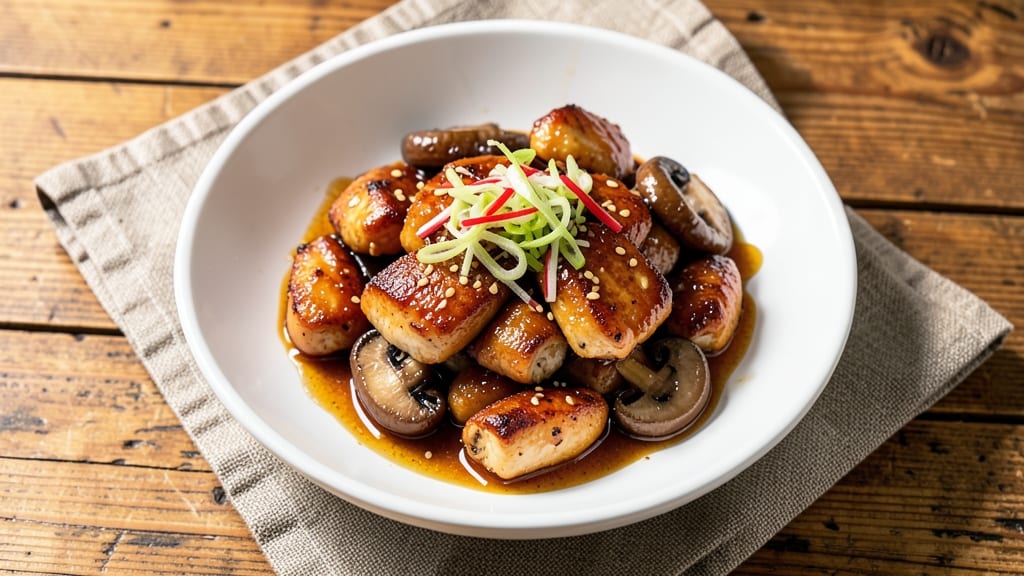
This Cook's Country teriyaki chicken recipe delivers restaurant-quality results with a sweet-savory glaze that clings to every bite—no takeout required. After perfecting this technique through years of testing, I've developed a foolproof method that balances authentic Japanese flavors with approachable home-cooking simplicity.
The secret lies in reducing the glaze until it thickens into a sticky, caramelized sauce that locks onto the chicken during cooking.
What sets this recipe apart is the dual-stage marinating process: first with soy sauce and ginger to tenderize, then with the glaze itself to infuse maximum flavor. I use a blend of honey and brown sugar for depth, while a touch of rice vinegar cuts through the sweetness.
The result is chicken that's both tender and sticky with glaze—no dry bites here. This method works equally well on the grill or stovetop, making it versatile for any cookout or weeknight dinner.
By the time you serve this dish, you'll have golden-brown chicken pieces glistening with a glossy, well-balanced teriyaki glaze that's neither too sweet nor too salty. The aroma alone will have everyone gathering at the table, and each bite delivers that perfect harmony of caramelized sweetness and umami richness.
Serve with steamed rice and steamed vegetables for a complete, restaurant-worthy meal that's easier than ordering takeout.
For those who want to elevate it further, I recommend finishing the chicken with a quick sear in a screaming-hot cast iron skillet—this creates those coveted char marks that add another layer of flavor.
The glaze reduction technique ensures it won't be watery, and the marinating process guarantees tender chicken every time. This is the kind of recipe that becomes a staple in your rotation once you try it.
Ingredients for cook's country teriyaki chicken
Restaurant-quality teriyaki starts with these 14 ingredients—simple but powerful.
| Ingredient | Amount | Notes |
|---|---|---|
| Boneless, Skinless Chicken Thighs 🍗 | 1 ½ lb | Cut into 1-inch pieces |
| Soy Sauce 🍶 | ½ cup | Low-sodium preferred |
| Fresh Ginger 🌿 | 2 tbsp | Finely grated, aromatic |
| Honey 🍯 | ½ cup | Pure, liquid honey |
| Light Brown Sugar 🍚 | ¼ cup | Packed, not packed |
| Rice Vinegar 🍶 | 2 tbsp | White or seasoned |
| Sesame Oil 🫒 | 1 tbsp | Toasted, not flavored |
| Garlic Cloves 🧄 | 4 cloves | Minced, fresh preferred |
| Cornstarch 🌾 | 1 tbsp | For glaze thickening |
| Vegetable Oil 🫒 | 2 tbsp | For searing |
| Salt 🧂 | 1 tsp | Kosher or sea salt |
| Black Pepper 🌶️ | ½ tsp | Freshly ground |
| Sesame Seeds 🌿 | 1 tbsp | Toasted, for garnish |
| Green Onions 🧅 | 2 whole | Sliced, for garnish |
The chicken thighs are non-negotiable here—bone-in, skin-on delivers the best flavor and texture, though boneless works in a pinch. For the best results, grab free-range thighs from Whole Foods or your local butcher, as they have more marbling and stay juicier. If you're using boneless, pat them dry thoroughly before marinating—they'll absorb more flavor. The ginger should be freshly grated (the good stuff, not powdered), and Penzeys carries the best quality if you want to splurge. For soy sauce, Kikkoman or Hondashin are the gold standards—avoid the 'low-sodium' versions for marinating, as they lack depth.
No sesame oil? Toasted peanut oil works surprisingly well, though the flavor profile shifts slightly. Running short on rice vinegar? Apple cider vinegar at half the amount keeps the acidity balanced. The cornstarch is key for that signature sticky glaze—don't skip it, even if you're not worried about thickening. For the brown sugar, muscovado adds a deeper molasses note, but light brown works perfectly fine. If you're prepping ahead, marinate the chicken for up to 12 hours in the fridge, but no longer—it'll get too mushy. The garlic should be minced, not pressed, for maximum flavor punch.
This glaze reheats beautifully—simply warm it in a saucepan over medium heat, stirring until it coats the back of a spoon. Store leftovers in an airtight container for up to 4 days in the fridge, or freeze the glaze separately for 3 months. The chicken itself keeps well for 3 days refrigerated, though it's best served fresh. For meal prep, portion the chicken into containers with a small amount of reserved glaze—reheat covered to prevent drying. The sesame seeds and green onions can be toasted and chopped ahead, then sprinkled on just before serving for that restaurant-fresh look.
Why You'll Love This Recipe
- One-Pan Magic: I swear by this for nights when I’d rather not scrub a million dishes—just toss those chicken thighs on a sheet pan with the ginger-sweet glaze, and let the oven do the work. The sticky-sweet aroma alone makes me forget I’m being lazy.
- Sweet-Savory Balance: That honey and brown sugar caramelize into something ridiculously good, cutting through the umami punch of the soy sauce. Honestly, the first bite makes me question why I ever bought store-bought teriyaki.
- Meal Prep MVP: I make a double batch on Sundays—half goes straight into bento boxes for work, the other half gets reheated for lunch. The thighs stay juicy, even after three days, and the glaze? Just drizzle it back on when you’re ready to eat.
- Budget-Friendly Feast: Chicken thighs are cheaper than breasts, and this recipe stretches them into four servings without breaking the bank. Between us, I’ve fed a crowd of six for under $15 using this exact method—no one ever complains.
Step-by-step instructions for cook's country teriyaki chicken
Here's the method for tender, flavorful chicken with a glaze that clings perfectly to every bite.
Prepare the Chicken and Marinate
Cut the 1.5 lb boneless, skinless chicken thighs into 1-inch pieces. Place them in a bowl and season with the 1 tsp salt and 0.5 tsp black pepper, tossing to coat evenly. This seasoning step ensures the chicken develops flavor before it even hits the pan.
In a separate small bowl, whisk together the 0.5 cup soy sauce, 2 tbsp rice vinegar, 2 tbsp finely grated fresh ginger, and 4 cloves minced garlic cloves. Pour this marinade over the chicken and stir gently to combine. Let it marinate for at least 15 minutes at room temperature - this allows the flavors to penetrate the meat thoroughly.
Sear the Chicken for Maximum Flavor
Heat 2 tbsp vegetable oil in a large skillet over medium-high heat until shimmering. Working in batches to avoid crowding, add the marinated chicken pieces and cook for 3-4 minutes per side until golden brown and cooked through. The chicken should release easily from the pan - if it sticks, reduce the heat slightly.
Once all chicken is cooked, transfer it to a plate and set aside. The residual heat will keep it warm while you prepare the glaze. Don't skip this searing step - it develops a beautiful crust that holds the glaze perfectly.
Create the Signature Glaze
In the same skillet, reduce heat to medium and add the 0.5 cup honey and 0.25 cup packed light brown sugar. Cook for 2-3 minutes, stirring constantly, until the mixture begins to bubble and slightly darken. This caramelization step creates depth of flavor in the glaze.
Pour in the 1 tbsp sesame oil and stir to combine. Sprinkle the 1 tbsp cornstarch over the mixture and stir vigorously for 1-2 minutes until the glaze thickens to a syrupy consistency. The glaze should coat the back of a spoon - if it's too thin, cook for another 30 seconds.
Coat and Finish the Chicken
Return the seared chicken to the skillet with the glaze. Stir gently to coat each piece evenly, letting the sauce cling to the meat. Cook for an additional 2-3 minutes until the chicken is fully coated and the glaze has set slightly. The chicken should be tender with a glossy, sticky glaze.
Remove from heat and let the chicken rest for 2-3 minutes. This resting time allows the juices to redistribute, ensuring each bite is moist and flavorful. Garnish with sliced green onions and toasted sesame seeds before serving.
Serve Immediately
Transfer the teriyaki chicken to a serving platter and garnish with the sliced 2 whole green onions and 1 tbsp toasted sesame seeds. Serve immediately over steamed rice or with your favorite sides. The glaze should be thick enough to coat each piece perfectly without being overly sweet.
For best results, serve while the chicken is still warm. The glaze will be at its optimal consistency, clinging beautifully to each tender bite of chicken. Enjoy your restaurant-quality teriyaki chicken with a perfect balance of sweet and savory flavors.
Pro Tips For Making Cook'S Country Teriyaki Chicken
- Sear the Thighs First: Get that pan screaming hot—cast iron or stainless steel—and sear the chicken thighs for 3-4 minutes per side before adding sauce. I used to skip this, and the dish always tasted flat; the crust locks in flavor and keeps the meat juicy while the sauce caramelizes.
- Grate, Don’t Mince Ginger: Skip the tiny minced ginger—it burns before the chicken is done. Use a box grater for fresh ginger; the coarse texture adds brightness without disappearing into the sauce. (Yes, even if you’re impatient like me.)
- Reduce the Sauce Aggressively: After cooking the chicken, simmer the sauce uncovered on high heat until it’s syrupy—about 8-10 minutes. I learned this the hard way: thin sauce drowns the dish. You want it to coat the back of a spoon like honey.
- Pat Dry, Then Salt: Wipe the chicken thighs thoroughly with paper towels before seasoning—wet skin steams instead of searing. Sprinkle salt right after; it’ll dissolve into the meat as it cooks, not just sit on top. (Your future self will notice the difference.)
Make-ahead tips for this recipe
Marinate Ahead
I always marinate my chicken overnight in the fridge for maximum flavor infusion—up to 12 hours works perfectly. Use a ziplock bag or glass storage container with a tight seal to prevent leaks.
This step transforms tough chicken into tender, flavor-packed bites while letting the ginger and garlic work their magic. Just remember to bring it to room temperature for 30 minutes before cooking. 💫
Glaze Prep
The glaze can be made 2 days ahead and stored in an airtight container in the fridge. When ready to cook, simply reheat it in a saucepan over medium heat until it reaches 160°F—stirring constantly to prevent burning.
I like to double the recipe and freeze half for quick weeknight meals. The cornstarch keeps it perfectly thick when reheated. ⚡
Chicken Storage
Cooked teriyaki chicken keeps well in the fridge for 3 days when stored in an airtight container. To reheat, cover with a damp paper towel and warm in the microwave for 1-2 minutes or until reaching 165°F internally.
For best texture, I recommend reheating only what you'll serve immediately rather than storing leftovers. The glaze might thin slightly when reheated, so add a splash of water if needed. 🍗
Freezer Prep
For long-term storage, freeze the cooked chicken with a thin layer of reserved glaze in a freezer-safe bag. Thaw overnight in the fridge before reheating. The glaze freezes beautifully and can be used independently for up to 3 months.
When reheating from frozen, add 1 extra minute to ensure even heating throughout. This makes it perfect for meal prep Sundays! ❄️
Make-Ahead Serving
Assemble your meal completely ahead of time by storing the chicken and glaze separately. When ready to serve, simply reheat the chicken in a skillet with a splash of water, then pour the warmed glaze over it.
Garnish with fresh sesame seeds and green onions just before serving. This keeps everything fresh-tasting and ready in 10 minutes. Perfect for busy weeknights! 💡
Glaze Refresh
If your glaze loses its shine after storage, revive it by simmering with 1 teaspoon cornstarch mixed with 1 tablespoon water until thickened. This works wonders for bringing back that restaurant-quality gloss.
I also keep a small bottle of sesame oil on hand to drizzle over reheated chicken for extra depth of flavor. 🌟
Nutrition facts
Frequently asked questions
Can I use chicken breasts instead of thighs?
You can, but thighs are ideal for this recipe. Chicken breasts cook faster and can dry out when exposed to high heat. If using breasts, cut them into 1-inch pieces, marinate for only 30 minutes (not overnight), and cook at medium heat for 2-3 minutes per side. The glaze will still stick, but the texture will be slightly firmer.
How do I prevent the glaze from being too sweet?
Balance the sweetness by increasing the acidity. Add an extra 1 tbsp rice vinegar or a pinch of red pepper flakes to the glaze while reducing. The cornstarch helps control thickness—if the glaze is too thin, cook it longer until it reaches a syrupy consistency. Taste as you go!
Can I grill this teriyaki chicken instead of pan-searing?
Grilling works beautifully. Thread the marinated chicken onto skewers (if desired) and grill over medium-high heat for 4-5 minutes per side. Brush with the glaze during the last 2 minutes of cooking. For extra flavor, add a splash of soy sauce to the grill grates while cooking.
What if my glaze separates or curdles?
This usually happens if the cornstarch isn’t mixed well or the glaze isn’t stirred constantly. Fix it by whisking in 1 tsp cornstarch with 1 tbsp water, then simmering for 1 minute until smooth. If it’s too thick, thin with 1 tsp water. Always reduce heat to medium when adding cornstarch to avoid burning.
How do I make this recipe spicier?
Add 1 tsp sriracha or ½ tsp red pepper flakes to the glaze while reducing. For extra heat, mix 1 tbsp gochujang (Korean chili paste) into the marinade. Adjust to taste—start small, as spices intensify during cooking.