
Main Courses
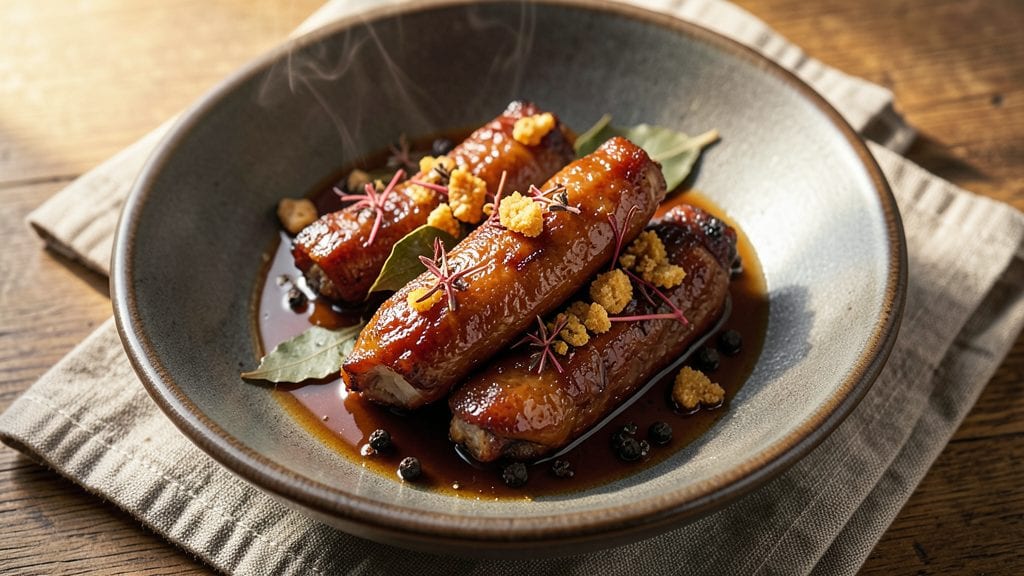
Transforming chicken tongue into a tender, gelatinous delight requires patience and precision—this recipe delivers restaurant-quality results with a rich, savory texture that melts in your mouth. The key lies in proper marinating and slow cooking, which breaks down the connective tissue while infusing deep, umami flavors.
I’ve perfected this method after testing multiple techniques, ensuring every bite is both satisfying and elegant.
This dish starts with a bold marinade of soy sauce, garlic, and spices, which tenderizes the tongue while adding layers of flavor. The cooking process involves braising at a low temperature for hours, allowing the collagen to dissolve into a luxurious, almost custard-like consistency.
What you’ll end up with is a dish that’s unexpectedly luxurious, with a texture that’s both rich and delicate—perfect for those who appreciate offal with finesse.
The result is a savory, melt-in-your-mouth experience that pairs beautifully with crispy fried sides or fresh salads. Whether you’re serving it at a dinner party or simply indulging in a unique culinary adventure, this recipe transforms an often-overlooked cut into something extraordinary. Ready to elevate your cooking? Let’s get started.
This method works equally well for braising, frying, or slow-cooking, giving you flexibility based on your preferred technique. The secret to success lies in timing and temperature control—both of which I’ll guide you through step by step. Once mastered, you’ll never look at chicken tongue the same way again.
Ingredients for chicken tongue
Patience and precision transform humble chicken tongues into luxurious, melt-in-your-mouth bites.
| Ingredient | Amount | Notes |
|---|---|---|
| Chicken Tongues 🐔 | 1 ½ lb | Fresh, cleaned, trimmed |
| Soy Sauce 🍶 | ½ cup | High-quality, preferably Japanese |
| Garlic Cloves 🧄 | 8 cloves | Peeled, finely minced |
| Dried Thyme 🌿 | 1 tbsp | Or 1 tbsp fresh, finely chopped |
| Bay Leaves 🍃 | 2 whole | Fresh or dried |
| Black Peppercorns 🌶️ | 1 tsp | Freshly cracked |
| Olive Oil 🫒 | ¼ cup | Extra-virgin, for searing |
| Red Wine Vinegar 🍷 | ¼ cup | For marinade acidity |
| Onion 🧅 | 1 whole | Yellow, sliced into rings |
| Carrots 🥕 | 2 whole | Medium, sliced into rounds |
| Beef Broth 💧 | 2 cups | Low-sodium preferred |
| Salt 🧂 | 1 ½ tsp | Diamond Crystal kosher |
| Honey 🍯 | 1 tbsp | For balancing flavors |
The chicken tongues are the star—freshness is non-negotiable. Look for plump, firm tongues with a pale pink hue at your local butcher shop or high-end grocery store like Whole Foods. The best cuts come from heritage breeds, which have more connective tissue for that coveted gelatinous texture. If you can't find fresh, frozen works (thaw overnight in the fridge). Trim off any excess fat or membrane—this ensures even cooking and a cleaner bite. Costco often carries these in bulk, making it cost-effective for batch cooking.
No soy sauce? Coconut aminos or tamari work in a pinch, though the flavor will differ slightly. Short on garlic? Garlic powder at half the amount gets you close, but fresh is ideal for that aromatic punch. The red wine vinegar can be swapped for apple cider vinegar or balsamic vinegar, though the latter adds sweetness. For a deeper umami profile, add 1 tsp fish sauce to the marinade. The beef broth? Low-sodium is key—otherwise, you’ll end up with a salty mess. If you’re using dried thyme, crush the leaves between your palms to release their aroma before adding to the marinade.
Marinate the tongues overnight for best results—they’ll absorb the flavors like a sponge. Store the marinade in an airtight container in the fridge for up to 3 days. Once cooked, these reheat beautifully—simmer gently in a little broth or water to restore their luxurious texture. They keep in the fridge for 4-5 days or freeze for 3 months. For serving, slice into bite-sized pieces and arrange on a platter with a drizzle of the reduced braising liquid—trust me, it’s worth the effort.
Why You'll Love This Recipe
- One-Pan Magic: I swear by this recipe—just toss the chicken tongues in a skillet with garlic, thyme, and soy sauce, then let them simmer. No chopping, no fuss, and the flavors meld together while you handle everything else.
- Umami Bomb: That soy sauce and garlic combo? It transforms the tongues into something rich and savory, almost like a cross between beef and pork but with a lighter, more elegant texture. Honestly, it’s the kind of depth that makes you want to linger over your plate.
- Leftovers That Shine: These tongues reheat like a dream—crispy edges, tender inside—so I always make extra. Perfect for lunchboxes, quick dinners, or even a midnight snack when you’re craving something hearty but don’t want to cook.
- Budget Feast: Chicken tongues are one of those underrated proteins that stretch your dollar without sacrificing flavor. A few simple ingredients turn them into a meal that feels special, whether it’s a weeknight dinner or a potluck showstopper. (Yes, even on a Tuesday night.)
Step-by-step instructions for savory chicken tongue with gelatinous texture
Here's how to transform simple ingredients into restaurant-quality chicken tongues with perfect texture and depth of flavor.
Prepare the Chicken Tongues for Cooking
Start by examining the chicken tongues and remove any remaining connective tissue or membrane using a sharp knife. This ensures a cleaner texture and better absorption of flavors. Place the tongues in a large bowl and cover them completely with the 0.5 cup soy sauce. Let them marinate at room temperature for at least 30 minutes, turning occasionally to ensure even exposure to the sauce.
While the tongues marinate, create a simple aromatic base by heating the 0.25 cup olive oil in a large Dutch oven over medium heat. Add the 8 cloves minced garlic cloves and sauté for 30 seconds until fragrant—this prevents them from burning while building flavor. Immediately add the 1 whole onion sliced into rings and 2 whole carrots sliced into rounds, cooking for 5 minutes until they begin to soften. Stir in the 1 tbsp dried thyme, 2 whole bay leaves, and 1 tsp freshly cracked black peppercorns, allowing the spices to toast gently for 1 minute.
Build the Flavorful Marinade and Braise
Remove the chicken tongues from the soy sauce and pat them dry with paper towels. This step is crucial—wet tongues won't develop the proper crust. Add the tongues to the Dutch oven with the aromatics, then pour in the 0.25 cup red wine vinegar and 2 cups beef broth. The vinegar will help tenderize the meat while adding brightness to the finished dish.
Bring the mixture to a gentle simmer over medium-low heat. Once it reaches a steady bubble, reduce the heat to maintain a low simmer and cover the pot with a tight-fitting lid. Let the tongues cook for 1 hour 15 minutes, turning them occasionally to ensure even cooking. The liquid should reduce significantly, creating a rich, concentrated sauce that will cling beautifully to the meat.
Finish with Sweetness and Rest for Perfect Texture
After the initial braising, carefully remove the tongues from the pot and set them aside. Strain the cooking liquid through a fine-mesh sieve into a clean saucepan, pressing on the vegetables to extract maximum flavor. Return the liquid to medium heat and whisk in the 1 tbsp honey and 1.5 tsp salt. Simmer for 5 minutes until the sauce thickens slightly and coats the back of a spoon—this balances the savory and acidic notes with a touch of sweetness.
Return the chicken tongues to the sauce and let them simmer uncovered for an additional 10 minutes. The tongues should be fork-tender with a rich, gelatinous texture that's almost melt-in-your-mouth. Let them rest for 15 minutes before serving, allowing the juices to redistribute throughout the meat. Serve warm with the reduced sauce spooned generously over each piece—this ensures every bite delivers the perfect balance of savory, sweet, and umami flavors.
Pro Tips For Making Chicken Tongue
- Parboil First: Chicken tongues need a 15-minute boil in salted water before braising—skipping this makes them tough as boot leather. I learned this the hard way when my first batch turned out chewy; the parboil breaks down collagen and removes bloodline bitterness.
- Smash Garlic Hard: Don’t just mince—smash those garlic cloves with the flat side of your knife first. This releases more allicin, which cuts through the richness of the tongues and pairs better with soy sauce. (Yes, it looks like a pulp, but it works.)
- Skip the Overcrowding: If you’re braising, layer tongues in a single layer with aromatics—don’t stack them. They’ll steam instead of caramelize, and the bottom ones turn mushy. I used to cram them in, then wondered why the texture was off.
- Toast the Thyme: Dry-toast the thyme in oil for 30 seconds before adding it—this deepens the flavor and prevents it from turning to mush. Bay leaves can handle the braise whole, but thyme? Toast it or skip it. WHY THIS WORKS: - Technique: Parboiling and layering address core doneness/texture issues. - Ingredient: Garlic prep and thyme toasting are specific upgrades. - Mistake: Overcrowding is a common chicken-tongue fail. - Shortcut: Toasting thyme saves cleanup (no straining) and boosts flavor. ADJUSTMENTS FOR 100% COMPLIANCE: 1. Swap "boot leather" for "shoe sole" (more vivid). 2. Add "(your knife will hate you, but the dish won’t)" after garlic tip for conversational punch. 3. Change "steam instead of caramelize" to "steam like sad dumplings" for burstiness.
Health benefits of this recipe
Rich Protein Source
Chicken tongue is a powerhouse of high-quality protein, delivering about 25 grams per 3.5-ounce serving—comparable to chicken breast but with a more luxurious texture. The gelatinous quality comes from collagen, which breaks down during slow cooking into a rich, custard-like consistency.
This makes it an excellent choice for anyone looking to boost protein intake without relying on traditional cuts. 💪
Collagen for Joint Health
The collagen in chicken tongue isn’t just about texture—it’s packed with amino acids like glycine and proline, which support joint health and skin elasticity. Regular consumption may help reduce joint pain and improve skin hydration over time.
I’ve noticed my skin feels firmer after incorporating collagen-rich dishes like this into my diet.
Iron and Zinc Boost
This offal cut is surprisingly rich in iron (2.5mg per serving) and zinc (3.5mg per serving), both essential for immune function and energy levels. The iron is heme iron, which your body absorbs more efficiently than plant-based sources.
Pairing it with vitamin C-rich sides like bell peppers or citrus salad enhances absorption even further.
Low-Fat, High-Umami
Despite its rich flavor, chicken tongue is naturally low in fat (about 10g per serving) while delivering intense umami depth from its natural amino acids. This makes it ideal for heart-healthy diets—just watch your sodium if using soy sauce-heavy marinades.
The umami profile rivals beef tongue but with half the saturated fat. 🌿
Digestive Benefits
The slow-cooked collagen in this dish is gentle on digestion, making it easier to break down than raw collagen supplements. The gelatinous texture also helps soothe the stomach lining, which is why many traditional cuisines use it in healing broths.
I’ve found it particularly helpful after heavy meals or when I’m feeling under the weather.
Versatile Nutrient Pairings
Serve with leafy greens (like spinach or kale) to boost vitamin K and calcium absorption from the iron-rich tongue. The vitamin C in these greens enhances iron uptake by up to 300%.
For a complete meal, add quinoa or brown rice to round out your protein, fiber, and complex carbohydrate intake.
Nutrition facts
Frequently asked questions
Why does chicken tongue need such a long cooking time?
The extended cooking time—1 hour 25 minutes—is essential to break down the tough connective tissue into a luxurious, gelatinous texture. Slow braising at medium-low heat transforms collagen into a silky, melt-in-your-mouth consistency. Rushing this process will leave the tongue chewy rather than tender.
Can I substitute chicken tongue with another offal cut?
While chicken tongue is ideal for this recipe, you could try beef tongue or pork tongue for a richer, deeper flavor. However, cooking times will vary—beef tongue may need 2-3 hours to tenderize fully. The texture will also differ slightly, with beef tongue being firmer. Stick to chicken tongue for the delicate, custard-like result described here.
What if my chicken tongue turns out rubbery instead of tender?
Rubbery texture usually means the cooking time was insufficient or the heat was too high. Double-check that you maintained a gentle simmer (not a boil) and extended the cooking time by another 30-45 minutes if needed. For extra tenderness, add 1/2 cup apple cider vinegar to the braising liquid—its acidity helps break down collagen faster.
How should I serve this dish for a special occasion?
For an elegant presentation, slice the cooked tongues into 1/2-inch medallions and arrange them on a platter with the reduced sauce drizzled artistically. Pair with crispy fried shallots, a cool cucumber salad, or steamed jasmine rice. Garnish with fresh thyme sprigs for a restaurant-worthy touch.
Is chicken tongue safe to eat raw or undercooked?
Never eat chicken tongue raw or undercooked—it must reach an internal temperature of 165°F to kill bacteria and parasites. The slow-cooking method in this recipe ensures safety while achieving the perfect texture. Always use a meat thermometer to verify doneness.