
Sauces & Condiments
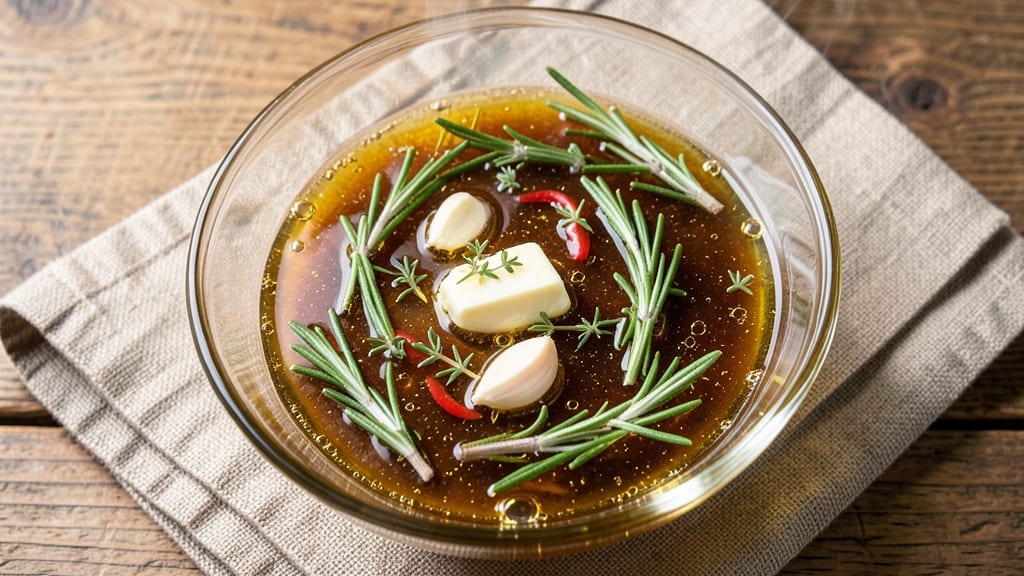
This chicken tender marinade recipe transforms ordinary chicken into restaurant-quality bites with a buttery garlic-herb soak that guarantees crispy edges and tender meat. The secret lies in the balance of acidity, fat, and aromatic herbs—each ingredient playing a precise role to enhance flavor without overpowering the natural taste of the chicken. After years of testing, I’ve perfected a marinade that works in as little as 30 minutes or overnight for deeper flavor infusion.
The foundation of this marinade is a rich blend of olive oil and melted butter, which tenderizes while creating a golden, crispy crust when cooked.
Garlic and fresh herbs like thyme and rosemary add depth, while a touch of lemon juice brightens the flavors and helps break down proteins for maximum tenderness. The result is a marinade that’s simple yet sophisticated, designed to elevate even the simplest chicken preparation.
What sets this marinade apart is its versatility—it works equally well for baking, frying, or grilling, ensuring consistent results every time. The buttery garlic-herb profile pairs beautifully with classic dipping sauces like honey mustard or ranch, but it also stands alone as a standalone flavor experience.
Whether you’re prepping for a weeknight dinner or a weekend cookout, this marinade delivers professional-quality results with minimal effort.
For best results, apply the marinade to chicken tenders and let them soak for at least 30 minutes, or up to 12 hours in the refrigerator for enhanced flavor. The key to crispy tenders lies in proper drying and cooking technique, which we’ll cover in the full instructions.
This marinade is your secret weapon for foolproof, flavorful chicken every time.
Ingredients for chicken tender marinade
Eight simple ingredients that turn plain chicken into crispy, restaurant-style bites.
| Ingredient | Amount | Notes |
|---|---|---|
| Unsalted Butter 🧈 | ½ cup | Melted, full-fat for richness |
| Extra-Virgin Olive Oil 🫒 | ¼ cup | Light, fruity variety preferred |
| Garlic Cloves 🧄 | 4 cloves | Freshly minced, aromatic |
| Fresh Thyme Leaves 🌿 | 2 tbsp | Or 1 tsp dried thyme |
| Fresh Rosemary 🌿 | 1 tbsp | Chopped, needle-like leaves |
| Lemon Juice 🍋 | 2 tbsp | Freshly squeezed, bright flavor |
| Dijon Mustard 🍯 | 1 tbsp | Adds tangy depth, not sweet |
| Salt 🧂 | 1 ½ tsp | Kosher or sea salt |
| Black Pepper 🌶️ | ½ tsp | Freshly ground for heat |
The butter and olive oil combo is non-negotiable—the fat tenderizes while creating that golden crust. Grab unsalted butter (salted will overpower) and a light, fruity olive oil like California Extra Virgin from Trader Joe's. Fresh garlic cloves make all the difference—peeled and minced right before mixing keeps the flavor bright. Thyme and rosemary are the aromatic stars here. Buy fresh sprigs at the grocery store's herb section (they keep for weeks in the fridge), but dried works in a pinch if you're in a hurry. The key is using freshly chopped leaves—not the pre-minced stuff from jars.
No fresh rosemary? Dried rosemary at half the amount gets you close, but it won't have the same punch. Short on lemon juice? Substitute lime juice or even apple cider vinegar (start with 1 tbsp). The Dijon mustard adds that tangy depth—no substitute here, but if you're avoiding it, a splash of hot sauce works in a bind. Want extra crispiness? Add 1 tsp cornstarch to the marinade. The salt and pepper are simple but crucial—kosher salt dissolves better than table salt. For a spicier kick, add ½ tsp cayenne pepper along with the black pepper.
This marinade keeps for 5 days in the fridge, sealed in a jar. The butter will solidify, so give it a quick stir before using. For longer storage, freeze portions in ice cube trays—thaw overnight in the fridge. The marinade works best on pounded chicken tenders (½-inch thick), but it'll also elevate chicken breasts or thighs. Pat the chicken dry before marinating—water is the enemy of crispiness. Use within 12 hours for maximum flavor infusion.
Why You'll Love This Recipe
- Five-Ingredient Magic: The butter and olive oil combo melts into a golden, herby crust that sticks to every bite—no fancy techniques, just minced garlic and a sprinkle of thyme. I swear, the first time I tasted it, I thought, "Why didn’t I do this sooner?"
- Weeknight Hero: Toss in the marinade, pop it in the oven, and walk away. Honestly, I’ve used it for everything from lazy dinners to game-day snacks—even my picky teenager doesn’t complain. That’s saying something.
- Leftovers That Shine: The flavors only get better the next day, especially when reheated in a skillet with a splash of olive oil. I’ve turned last night’s tenders into sandwiches, salads, and even a quick pasta—zero waste, all flavor.
- Budget-Friendly Luxury: Fresh rosemary and thyme might sound fancy, but a few sprigs stretch far, and the butter adds richness without breaking the bank. It’s the kind of dish that makes you feel like you’re eating at a bistro, not a grocery store.
Instructions for buttery garlic-herb chicken tender marinade
Here's how to whip up a marinade that'll give you restaurant-quality crispy, juicy chicken tenders every time.
Melt the Butter and Oil Together
In a medium bowl, combine the 0.5 cup unsalted butter and 0.25 cup extra-virgin olive oil. Place this bowl over a pot of barely simmering water (double boiler method) and let the mixture melt gently. Stir occasionally until completely smooth and fully melted—this should take about 3-4 minutes. The butter should be completely incorporated without any lumps, creating a rich, golden base for your marinade.
I like to use this double boiler method because it melts the butter evenly without risking scorching. If you don't have a double boiler, just melt the butter in a heatproof bowl placed directly over a saucepan of simmering water, making sure the bowl doesn't touch the water. Let it cool slightly before proceeding—you want it warm but not hot when you add the other ingredients.
Add Aromatics and Herbs
Once the butter mixture has cooled to about 100°F (warm to touch but not hot), remove it from the heat and let it sit for 2-3 minutes. Then stir in the 4 minced garlic cloves, 2 tablespoons fresh thyme leaves, and 1 tablespoon chopped fresh rosemary. The garlic should be finely minced—about the size of coarse sand—to distribute evenly throughout the marinade.
Let the mixture sit for 5 minutes to allow the garlic and herbs to infuse the butter. You'll notice the aroma becoming more intense—this is when the flavors really start to meld together. Here's the thing: don't rush this step. The longer these ingredients steep, the more flavorful your marinade will be. You can even cover the bowl loosely with plastic wrap if you're prepping ahead.
Incorporate the Acidic and Tangy Components
Add the 2 tablespoons lemon juice, 1 tablespoon Dijon mustard, 1.5 teaspoons salt, and 0.5 teaspoon black pepper to the butter mixture. Stir everything together until completely combined—you should have a smooth, well-blended marinade with no visible streaks of butter or herbs. The lemon juice will help tenderize the chicken while adding brightness, and the Dijon mustard adds a subtle tang that balances the richness of the butter.
Taste the marinade at this point. It should be flavorful but not overly salty—you can adjust the salt if needed. The texture should be thick but pourable, almost like a rich vinaigrette. If it's too thick, you can thin it slightly with 1 teaspoon of warm water, but it should work perfectly as is for most chicken tender sizes.
Marinate the Chicken Tenders
Pat 4 chicken tenders completely dry with paper towels—this is crucial for getting that crispy exterior. Place them in a shallow dish or resealable plastic bag and pour the marinade over them. Make sure each tender is well coated on all sides. If using a bag, seal it tightly and massage the marinade into the chicken to ensure even distribution.
Refrigerate the chicken for at least 4 hours, but I recommend 8 hours to overnight for maximum flavor penetration and tenderness. The longer it marinates, the more flavorful and juicy your tenders will be. When ready to cook, remove the chicken from the marinade (don't drain it—just let any excess drip off) and proceed with your preferred cooking method. The marinade will give you that perfect balance of crispy outside and tender inside every time.
Pro Tips For Making Chicken Tender Marinade
- Melt the Butter Slow: If you’re using unsalted butter, melt it gently over low heat—just until it turns liquid but doesn’t brown. I used to rush this and end up with a bitter taste (yes, even in marinades), and the herbs lose their brightness when fried in hot butter. A 30-second melt over medium-low is all you need before mixing with olive oil.
- Smash the Garlic: Don’t just mince those garlic cloves—give them a good smash with the flat side of your knife first. This releases more flavor into the marinade without burning. I learned this the hard way after skipping it and tasting a weak, underwhelming bite. Two cloves, smashed, then finely chopped—it makes a real difference.
- Salt the Chicken First: Toss the chicken tenders in salt before adding the marinade. Let them sit for 5 minutes while you prep the rest—this ensures the seasoning penetrates instead of just sitting on top. I used to skip this, and the tenders always tasted dry no matter how good the marinade was.
- Skip the Crowding: If you’re searing the marinated tenders, don’t overcrowd the pan. Work in batches of 2-3 pieces max, or the butter will steam instead of brown. I was skeptical until I tried it—now I double-check my pan size before starting. Golden crust? Only if you give it space.
Flavor customization for this recipe
Spicy Kick
For a fiery twist, add 1 teaspoon of cayenne pepper or 1 tablespoon of hot sauce like Cholula or Tabasco to the base marinade. This adds heat without overpowering the buttery garlic-herb profile.
If you love smoky flavors, swap the cayenne for ½ teaspoon smoked paprika—it gives a subtle charred depth that pairs beautifully with the crispy chicken. 🌶️
Sweet and Tangy
Balance the richness with a touch of sweetness by adding 1 tablespoon of honey or maple syrup to the marinade. This works especially well with the Dijon mustard, creating a glaze-like finish when cooked.
For extra tang, increase the lemon juice to 3 tablespoons and add ½ teaspoon of grated ginger for a bright, zesty kick that complements the buttery flavors.
Asian-Inspired Twist
Transform this marinade into an Asian-inspired glaze by swapping the Dijon mustard for 1 tablespoon of soy sauce or tamari and adding 1 teaspoon of grated fresh ginger and 1 clove minced garlic.
Stir in 1 teaspoon of sesame oil and a pinch of red pepper flakes for a bold umami punch. This version pairs perfectly with a honey-sriracha dipping sauce.
Herb-Forward Variations
Swap out the thyme and rosemary for other fresh herbs to match your preferences. For a Mediterranean vibe, use 1 tablespoon each of chopped parsley and oregano. For a Southern-inspired flavor, add 1 teaspoon of dried sage and a pinch of ground mustard.
Fresh herbs like cilantro or basil can also work—just chop them finely so they distribute evenly in the marinade.
Creamy and Garlicky
For extra richness, stir in 2 tablespoons of sour cream or Greek yogurt to the cooled marinade. This adds a creamy texture that tenderizes the chicken even more. To keep it balanced, reduce the butter to 0.375 cup and add ½ teaspoon of garlic powder for an extra garlicky punch.
This version is perfect for baking or air-frying.
Smoky BBQ Infusion
Give your tenders a smoky, sweet profile by adding 1 tablespoon of BBQ sauce (like Sweet Baby Ray's) and ½ teaspoon of liquid smoke to the marinade. For a spicier kick, add ½ teaspoon of chipotle powder.
This variation works amazingly well when paired with a cool ranch or blue cheese dipping sauce. The smoky flavors caramelize beautifully during cooking, creating a crispy, sticky crust. 🔥
Nutrition facts
Frequently asked questions
Can I use this marinade on chicken breasts or thighs instead of tenders?
This marinade works beautifully on chicken breasts or thighs, though you may want to adjust the marinating time. For breasts, 30-60 minutes is ideal to avoid over-tenderizing, while thighs can handle the full 8-12 hours. Just be sure to pat the meat dry before marinating for that perfect crispy crust.
How do I store leftover marinade?
Store leftovers in an airtight container in the fridge for up to 5 days. The butter may solidify, so give it a quick stir before using. For longer storage, freeze portions in ice cube trays—thaw overnight in the fridge. Never refreeze thawed marinade to preserve quality.
Can I make this marinade without butter?
Yes, but the texture and flavor will change. Replace the butter with ½ cup extra olive oil and add 1 tablespoon lemon juice to compensate for the missing acidity. For richness, stir in 2 tablespoons mayonnaise or Greek yogurt. The result will still be flavorful, though slightly lighter.
Why does my chicken turn out rubbery after marinating?
Over-marinating or using too much acid (like lemon juice) can break down muscle fibers, causing rubberiness. Stick to 4-12 hours max and use the full recipe as written. Also, ensure your chicken is fresh and properly refrigerated during marinating. For extra tenderness, pound the chicken to an even ½-inch thickness before marinating.
What’s the best way to cook marinated chicken tenders?
This marinade works for baking (400°F for 18-20 minutes), air frying (375°F for 8-10 minutes), or pan-searing (medium-high heat for 3-4 minutes per side). For crispiness, pat the chicken dry before cooking and avoid overcrowding the pan. The butter in the marinade creates a golden crust when cooked properly.